Why Do Cats Stick Their Tongue Out? 10 Vet-Verified Reasons


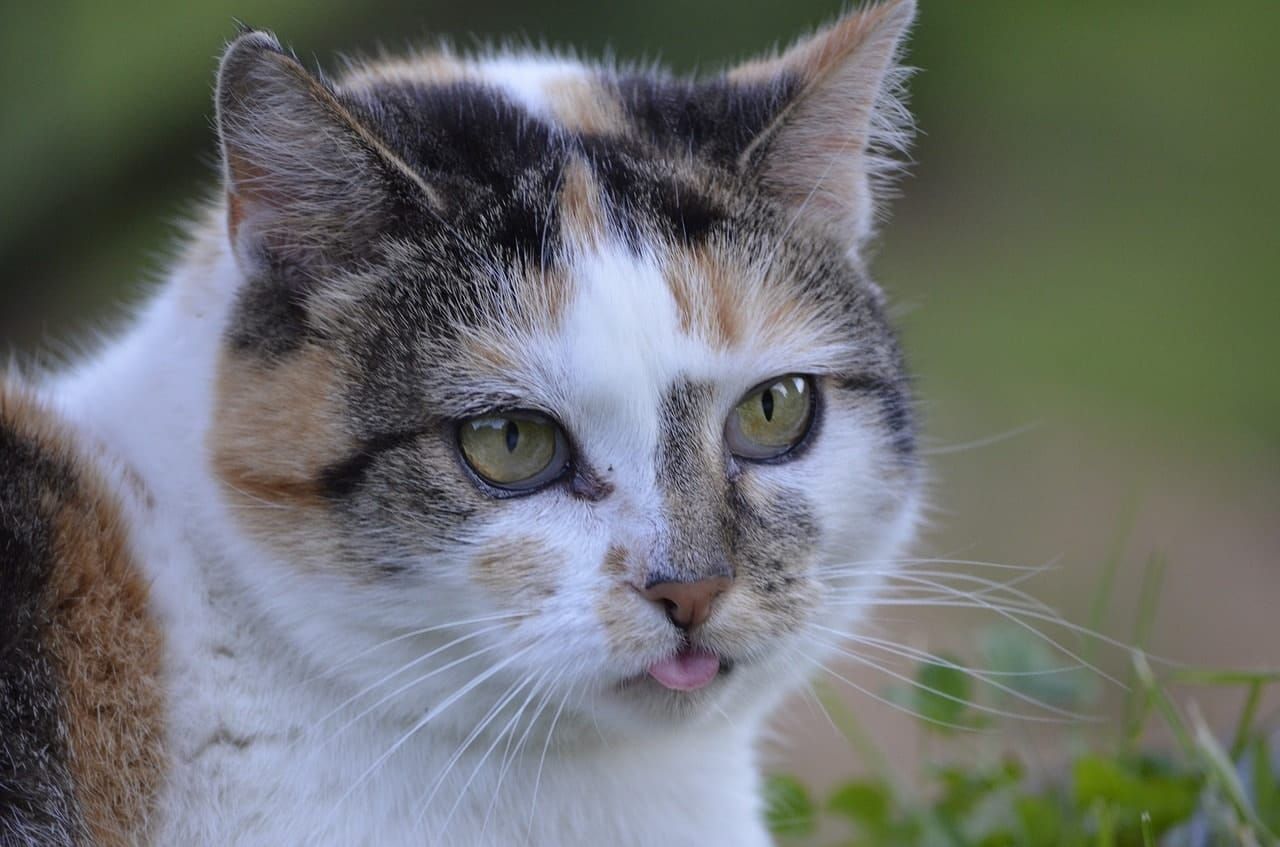
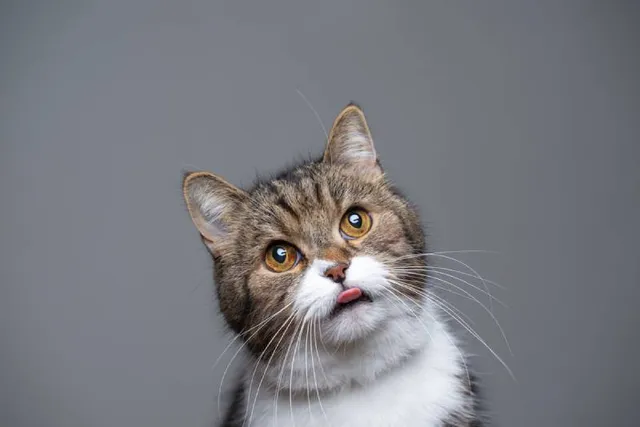
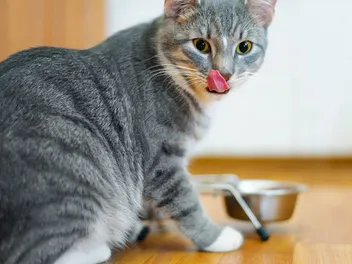
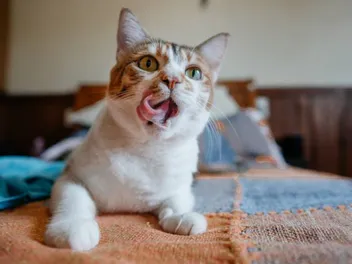
You might better know a cat with its tongue out as a "blep", and it's just one of the reasons that we love cats so much. It's unclear exactly where that term comes from, but go ahead and search for #blep on Twitter, and you'll find a whole host of pictures with their little cat tongue sticking out.
Some cats will sit with their tongue sticking out for ages, observing the world around them without knowing how cute they look. But why do cats do this? There are actually many possible reasons for cats blepping or sticking their tongues out, and although many are entirely harmless, sometimes it can even point to an underlying health issue.

The 10 Possible Reasons Why Cats Stick Their Tongue Out
1. Picking Up Scents
This sounds a little weird, but the Flehmen Response is a normal behavioral response seen in plenty of mammals, including cats. It involves a cat opening their mouth, curling their upper lip as if grimacing, while picking up scent, primarily pheromones, from other cats. It's a way for your cat to extract even more information about a particular scent. Cats may do this when they smell the urine of an unfamiliar cat, a cat in heat, move to a new territory, or even to detect pheromones and scents from other prey or predator animals!
The Flehmen Response involves your cat using their Jacobson's, or vomeronasal, organ, located in the nasal cavity, connecting to the roof of the mouth just behind incisor teeth, with small ducts. They will then spend some time standing still, with a funny expression on their face, as if they are smelling something very unpleasant, working out exactly what that scent means. Sometimes, after analyzing this interesting scent, a cat simply forgets to pop their tongue back in!
Male cats are more likely to be seen carrying out this behavior, especially if they're still intact and are checking out the scents of any female cats in the area.

2. Grooming or Eating
If your cat was just grooming themselves, or was enjoying their afternoon meal, and they were interrupted, either by you wanting to give them a cuddle, strange noise, or other pets in the house, they may have stopped in the middle of what they were doing, leaving their tongue out for a second. Usually they go back to their business, if they deem the distraction harmless, or they may find a more quiet spot to continue cleaning themselves.
3. Relaxation
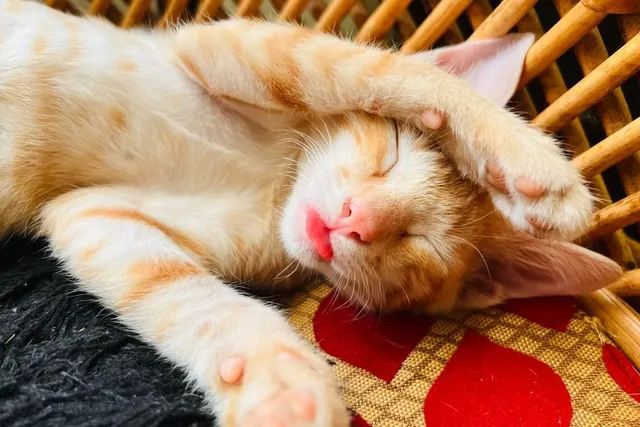
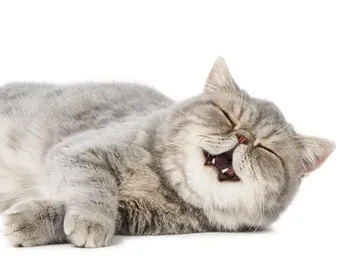
Another scenario when you might see your cat with its tongue out is when they're in a deep sleep. At this point, their jaws can loosen, and their tongue may poke out.
This is more common in flat-faced or brachycephalic breeds like Persians, even when they’re awake. These cats don't have as much space in their mouth for their tongues. Cats with teeth missing, especially canine teeth, might be more likely to stick their tongues out in their sleep as well.

4. Food in Their Teeth
If your cat gets a piece of stringy meat stuck between their teeth, they might be sticking their tongue out as they attempt to free whatever is stuck.
Some cats will manage to work whatever is bothering them loose, others may allow their owners to take a look, and some might need vet intervention.
5. It's Hot
If you live somewhere really hot, you may see your cat with their tongue out breathing fast or even panting like a dog, in order to cool down. This isn't a particularly effective long term way for a cat to regulate their temperature, so it can be a sign that they may be developing heatstroke. Open mouth breathing can also indicate an underlying heart or respiratory problem that may be fatal if left untreated, and if this behavior continues, it requires immediate veterinary care.
Some cats will pant when they're traveling in a car due to stress, after an intense play session and exercise, or simply spending time outside on a day that turns out to be extremely hot and humid. If you suspect that your cat has overheated, call your vet for advice right away. Never leave your cat in an enclosed area or a car, without adequate ventilation or AC, and without supervision.
Heatstroke can also cause loss of balance, excessive drooling, vomiting, and collapse. If left untreated, it can lead to organ failure and death.

6. Travel or Motion Sickness
If you’re on a long journey and notice your cat's tongue sticking out, they may be suffering from motion sickness. In this case, it can be combined with panting and drooling, and can lead to vomiting.
Car travel can affect your cat's inner ear, leading to a feeling of dizziness and disorientation. Once your cat is safely home, these signs should stop, but if they don't, call your vet.
7. Dental Disease
Dental disease is one of the most common reasons that pet cats need to see a vet. More than 50% of cats older than 4 have some type of dental disease. A build-up of plaque on their teeth can lead to gum disease or gingivitis, bacterial infections, periodontitis, tooth root abscess and more. This leads to pain, excessive drooling, pawing at the mouth, discomfort while chewing, awkward chewing, dropping food, reduced appetite, or preference for wet food over dry, bad breath and sometimes hanging their tongue out.
Feline stomatitis or inflammation and presence of ulcers on the soft tissue in a cat's mouth can also lead to drooling, sometimes bleeding from the mouth and your cat sticking their tongue out.

8. Respiratory Issues
Respiratory infections may make it harder for your cat to breathe, so they may open their mouth and pant with their tongue sticking out. Any time a cat is breathing with an open mouth is an emergency and they need to see the vet as soon as possible. Upper respiratory infections may also be combined with ocular and nasal discharge, sneezing, an increased breathing rate, and a lack of interest in food.
Other health issues in cats causing them to breathe fast, shallow, with an open mouth or with an increased effort, may be due to heart disease, obstructed airway, asthma, severe pain, blood clot formation in their hind legs, and many more causes.
Cats with any type of respiratory difficulty will need veterinary treatment as soon as possible.
9. Poisoning
Certain poisons and irritants that your cat may have licked or ingested can cause them to retch, drool or stick their tongue out to get rid of the unpleasant taste and sensation. These may include pesticides and household cleaners. A tongue hanging out may be combined with excessive drooling, dizziness, vomiting, and difficulty breathing. Cats may also come in contact with toxins through grooming and cleaning themselves, if they stepped in it and got it on their paws or fur.
If you suspect that your cat has ingested poison, or they are exhibiting any of the above mentioned signs, call your vet and the Pet Poison Helpline immediately.

10. Other Health Problems
Alongside the above mentioned health issues, there are other possible medical causes for cats sticking their tongue out. It can be oral pain, due to an injury or something being stuck in the mouth, such as a piece of string or toy.
Outdoor cats may suffer a trauma, from being hit by a car or a fall, and can injure their lower jaw, at the chin, where the left and right part of the jaw connect. If this connection loosens or breaks, the cat will not be able to fully close their mouth and often their tongue will stick out. This will be accompanied by drooling, bleeding from the mouth, other facial or body injuries, fractured teeth, and general pain and distress, depending on the extent of remaining injuries.
Older cats may develop tumors in their mouths that cause discomfort and may push the tongue, causing it to stick out. The cat may also drool, have bad breath, and eat less. All of these causes may present similarly to dental disease or toxin ingestion, and they all require urgent veterinary care. You may choose to chat to a vet online to find out the seriousness of the issue and whether to seek in-clinic care.
Wrapping It Up
Sometimes, a cat bleeping and sticking their tongue out is an adorable excuse for another photo of your floofy friend. Other times, it can be a worrying sign that they need medical attention.
You know your cat best, so if a stuck-out tongue goes from looking cute to worrying, don't hesitate to call your vet for advice.
Might Also Interest You: Why Are Cat Tongues Rough? 9 Vet-Approved Possible Reasons
Featured Image Credit: Pixabay
Expert cat care, straight to your inbox
News, insights, and useful advice, delivered to you.

No spam — unsubscribe anytime.
By signing up, you agree to our Terms & Conditions and Privacy & Cookies Policy.
How useful was this post?
Click a star to rate. You can leave written feedback afterwards. (We read all feedback.)
Emma is a freelance writer, specializing in writing about pets, outdoor pursuits, and the environment. Originally from the UK, she has lived in Costa Rica and New Zealand before moving to a smallholding in Spain with her husband, their 4-year-old daughter, and their dogs, cats, horses, and poultry. When she's not writing, Emma can be found taking her dogs for walks in the rolling fields around their home...and usually, at least some of the cats come along, too! Emma is passionate about rescuing animals and providing them with a new life after being abandoned or abused. As well as their own four rescue dogs, she also fosters dogs for re-homing, providing them with love and training while searching for their forever homes.