8 Vet-Verified Ways to Be an Eco-Friendly Cat Owner in 2024

Owning a pet takes a lot out on the environment. After all, our pets have needs too, and these needs require resources that we must take from the environment. Therefore, if you want to live in balance with the planet and own a cat, you have a little bit of work to do.
Luckily, there are quite a few ways that you can successfully be eco-friendly and own a cat. It just takes a little bit of thinking to get there.

The 8 Simple Ways You Can Be an Eco-Friendly Cat Owner
1. Keep Your Cats Indoors

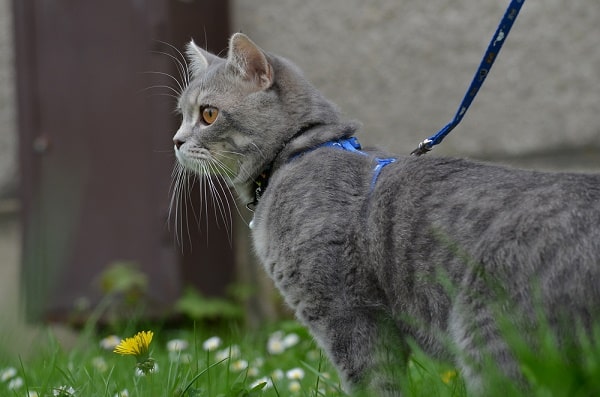
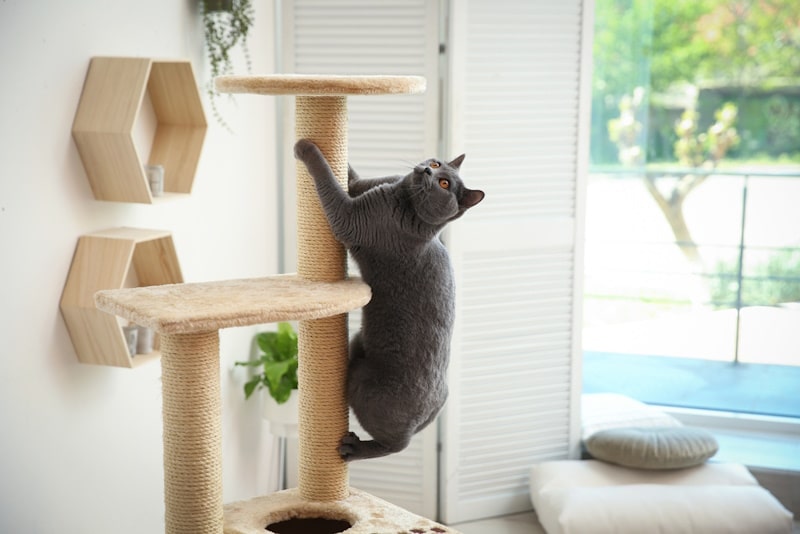
Outdoor cats kill billions of birds each year—if not more. While it is hard to know exactly how many birds and other animals, such as rodents and lizards, each cat kills, we do know that it has a serious impact on the environment. In some cases, cats have contributed to the extinction of some species of birds. Therefore, it is in your best interest to keep your cat indoors as much as possible.
Plus, this is safer for your cat as well. The outdoors can be an extremely dangerous place for a cat. On top of cars and predators, cats can also catch diseases (which can harm them and the environment).
Generally, indoor cats live quite a bit longer than outdoor cats.
2. Choose a Better Cat Litter

If you’re using a traditional cat litter made of clay, you may be harming the environment. This clay is produced by strip mining, which removes the top layer of soil, trees, and other plants. Therefore, it can be quite damaging to the landscape and wildlife habitats.
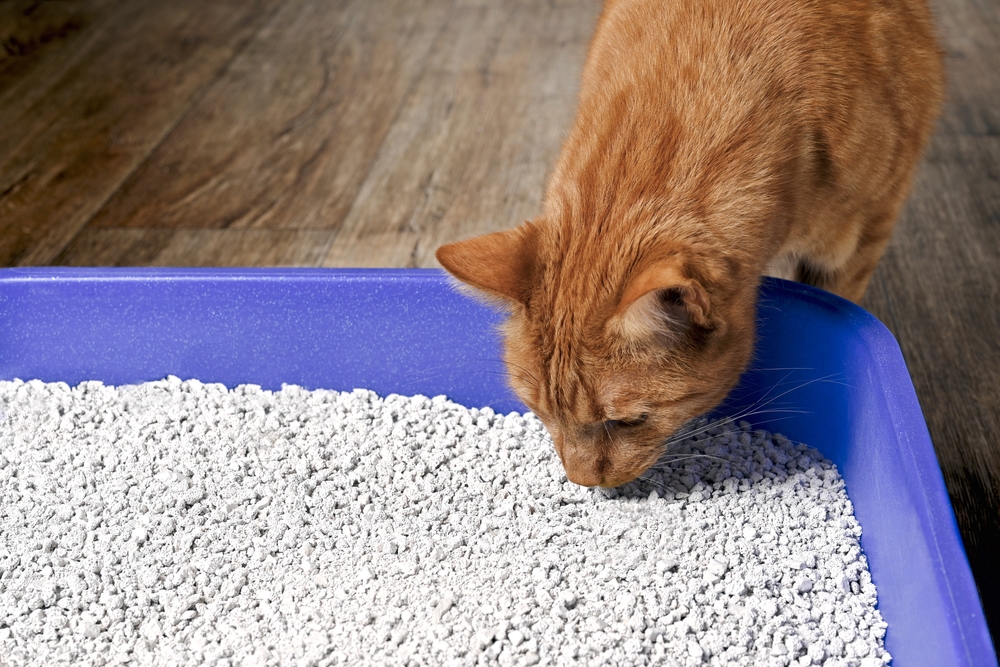
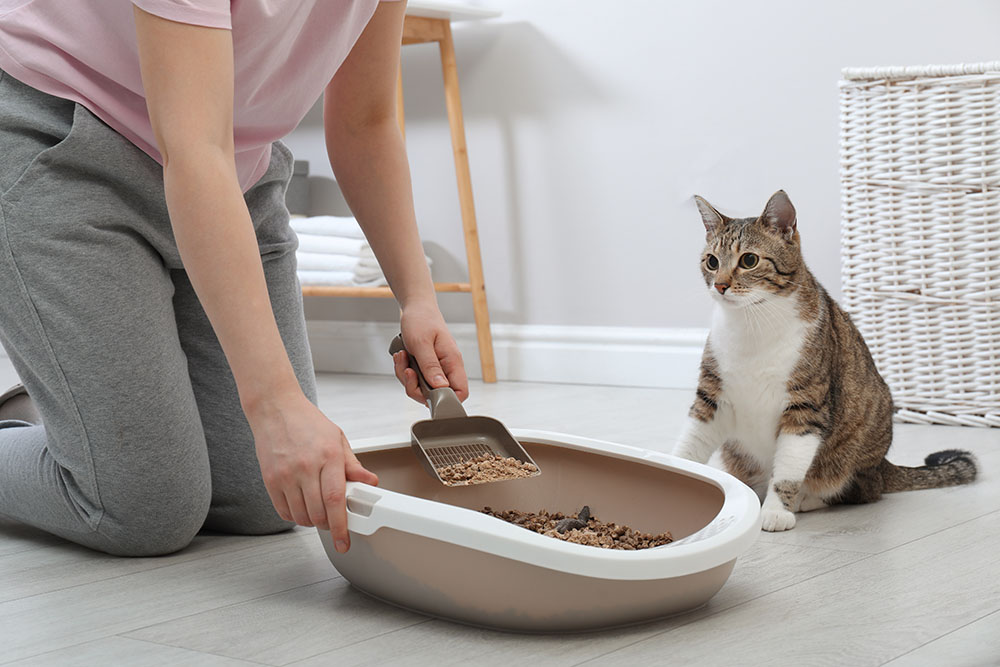
Luckily, there are many eco-friendly cat litters out there. Usually, this means choosing one that is renewable and readily decomposes. For instance, corn or wheat litter would fall in this category. However, there are several other forms of litter that also fall into this category, like paper litter.
3. Choose a Sustainable Cat Food

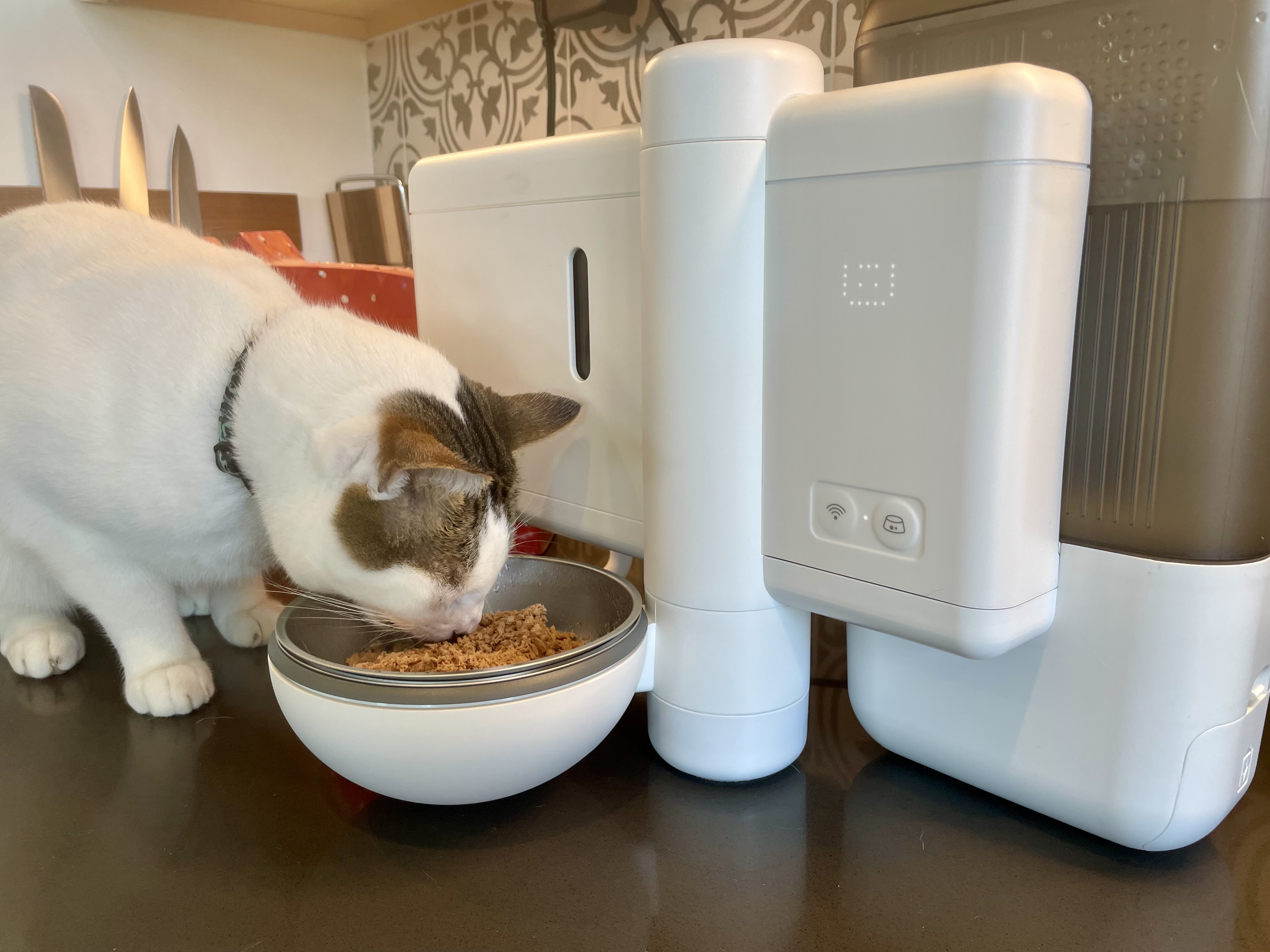
Cats must eat meat, which is difficult to make sustainable. However, you can choose quality forms of meat to feed your cat. Look for brands that source from quality farmers. Organic is often a good place to start, though it doesn’t necessarily mean eco-friendly.
By-products are often more eco-friendly than whole meat. By using by-products in pet foods, we can recycle parts of the animal that wouldn’t be used otherwise. In this way, we can ensure that we use as much of the animal as possible. However, some by-products are not very high-quality, so you do have to pay attention to the quality of the by-products.
4. Spay or Neuter Your Cat

Cat overpopulation has a significant environmental impact. By spaying or neutering your cat, you can become a more eco-friendly owner by reducing stray cat numbers, easing the resource strain on shelters, and minimizing waste. Cats reproduce quickly, meaning the resources required to care for them can multiply rapidly. With so many unwanted cats already in shelters, fewer need to be born
If you want to prevent your cat from having kittens, then you can potentially reduce the energy and resources needed for future generations of cats. It’s a long-term impact that improves the environment and the health of your cat.
5. Get Second-Hand Toys and Equipment

When possible, get secondhand toys and other items for your cat. Manufacturing new products has an environmental impact, but these items are needed. Luckily, buying secondhand can greatly reduce waste and the energy usage your cat consumes. In the end, this is better for the environment.
You can also make your toys at home using recycled parts. Bottles and cardboard can easily be utilized to make new toys, while also reducing the environmental impact of your cat.
If you can’t make toys at home, you can purchase toys from sustainable companies made from recycled parts. While these usually aren’t as environmentally friendly as thrifting toys, they are a suitable alternative in most situations.
6. Advocate for Change

If you want to make a big impact, you should advocate your favorite cat brands for change. If we can all make the top cat brands a bit more sustainable, we can do a lot more than we can do on our own. Most emissions come from larger businesses, anyway. Therefore, changes at the business level are always going to be larger than changes on the personal level.
Furthermore, you can vote with your dollar. Shop at stores and companies that have sustainable practices. In this way, you encourage other companies to become sustainable too. However, do keep in mind that sustainable companies are usually more expensive because of their practices. Therefore, it is often more cost-effective to reuse and recycle when possible.
7. Choose a Shelter Cat
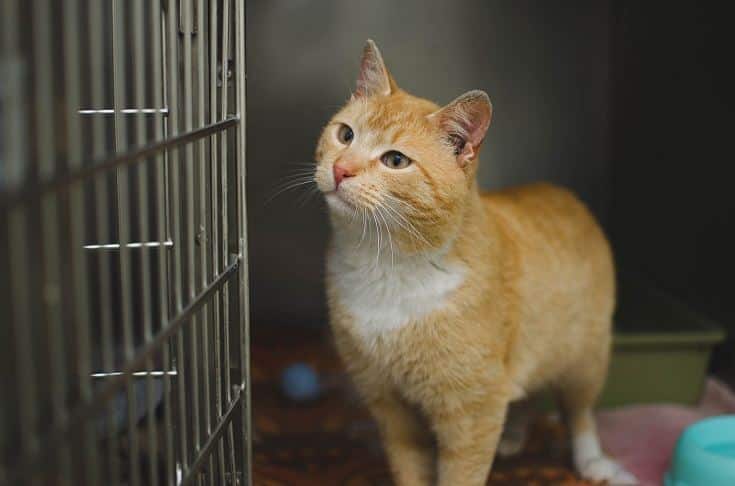
Each year, shelters spend tons of resources taking care of homeless cats. You can transfer some of this burden by adopting a cat from a shelter. Therefore, instead of paying a breeder to breed a new cat, you can adopt a cat that already exists from a shelter.
By purposefully helping empty shelters, you work to offset some of the environmental costs of homeless animals.
8. Buy in Bulk

If you can purchase cat food in bulk, you may lower shipping costs substantially. Much of the environmental impact of items comes from their shipping, which can burn a ton of gas. Therefore, it is best to buy in bulk when possible.
Of course, you don’t want to wastefully buy in bulk. If your cat will not eat through a large bag of food before it goes bad, then we do not recommend buying one. However, if you can keep it fresh, then purchasing a bigger bag is likely the best option.

Conclusion
There are many ways you can become an eco-friendly cat owner. A lot of these steps have to do with the things you purchase. For instance, you should shop from eco-friendly companies and thrift shops when possible.
At the same time, it also matters when you don’t shop. Recycling is best whenever possible.
See also:
Featured Image Credit By: Dora Zett, Shutterstock

Expert cat care, straight to your inbox
Vet-reviewed advice, behavior tips, and the best of Catster. Free, and you can unsubscribe anytime.
By signing up, you agree to our Terms & Conditions and Privacy & Cookies Policy.
Kristin is passionate about helping pet parents create a fulfilling life with their pets by informing them on the latest scientific research and helping them choose the best products for their pets. She currently resides in Tennessee with four dogs, three cats, two fish, and a lizard, though she has dreams of owning chickens one-day!
Join the conversation
Ask a question, share your story, or send private feedback.