Get

In Your Inbox

Catster is reader-supported. When you buy via links on our site, we may earn an affiliate commission at no cost to you. Learn more.

What Are Police Cats? 6 Common Questions Answered (Vet-Verified)

Share

police cat

Everyone has heard of police dogs, but what about police cats? Police cats don’t perform the same jobs as dogs. They can’t exactly chase after the bad guys or anything. However, a few police departments around the world take advantage of a cat’s unique abilities to serve the community better.

Let’s take a look at the jobs of police cats around the world and how they are primarily utilized.

divider 3 paws

The 6 Police Cat Questions

1. Where Are Police Cats?

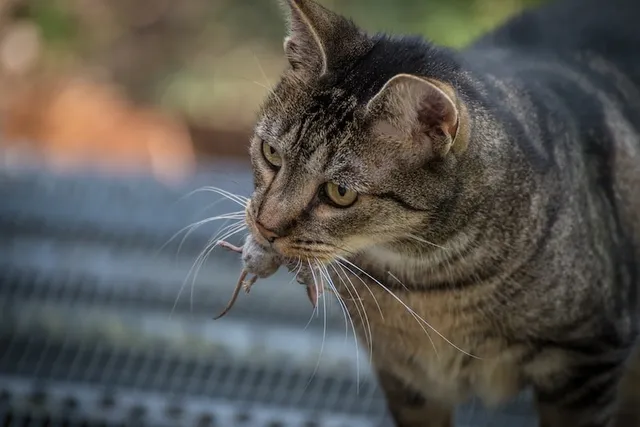
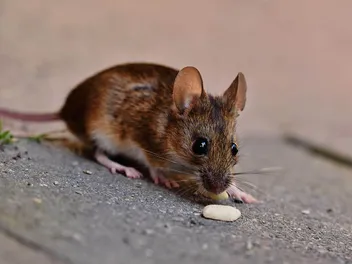
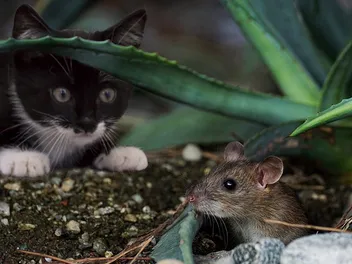
Police cats are most popular in the U.K., though they have dropped in popularity over the last few decades. Police cats were commonly referred to as “station cats.” Their main job was to keep the mouse population under control while in the station.

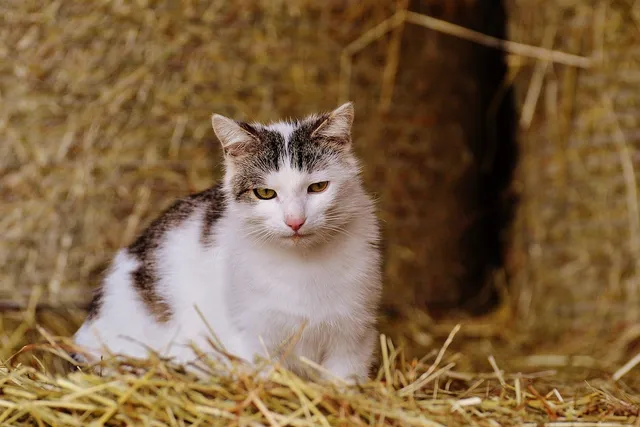
With more modern means of pest control, cats aren’t used quite as much anymore. However, many departments still have a traditional station cat, even if they aren’t catching as many mice. Police cats are most common in rural areas, where cats and mice are easier to come by.

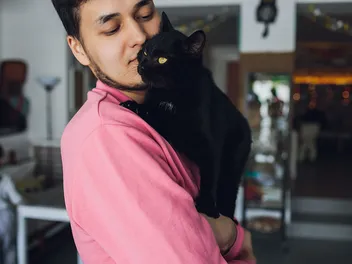
While mouse-catching was their original purpose, many cats are now mostly therapy animals. They provide stress relief to the officers.
police cat
Image Credit by: MEZHUL IGOR, Shutterstock

2. What Do Police Cats Do?

Police cats used to catch mice in the station. Before modern pest control techniques, cats were the best option for keeping the mice population under control.

Today, many police cats serve as stress relief for busy officers. The cats offer playtime and companionship to officers who may otherwise be stressed out. For this reason, many police cats are on the more lovable side.

Some cats work as “mascots.” This is the case for the Boston Police Department, which has a cat mascot for its SWAT base. The officers even installed a kitty condo to make the cat more comfortable. Again, these cats work more as stress relief than anything.


3. Can Cats Sniff Out Drugs?

Occasionally, cats are trained to sniff out contraband, including drugs. There are even cadaver cats that search for dead bodies. Cats have a similar sense of smell to dogs, so that isn’t surprising.

Cats are also used to sniff out more niche items, like illegal animal parts. For instance, Beluga caviar is illegal to own. In some areas, cats are used to sniff out this popular black-market item, and it is particularly common in Russia. Cats usually don’t need to be trained for this job. They like finding fish!

Some cats have even died in Russia while on the job; they were killed by gangs who were trying to escape from the police.


4. Police Cats Receive a Lot of Press

Because they are uncommon, police cats receive a lot of press. Many show up regularly in media posts. New Zealand has two police cats that are celebrities in their own right. They have social media pages and receive regular stories on the local media.

The same is true for police cats in the United States. If your local department has a police cat, don’t be surprised if you see stories about them on the news.


5. Do Police Cats Have Uniforms?

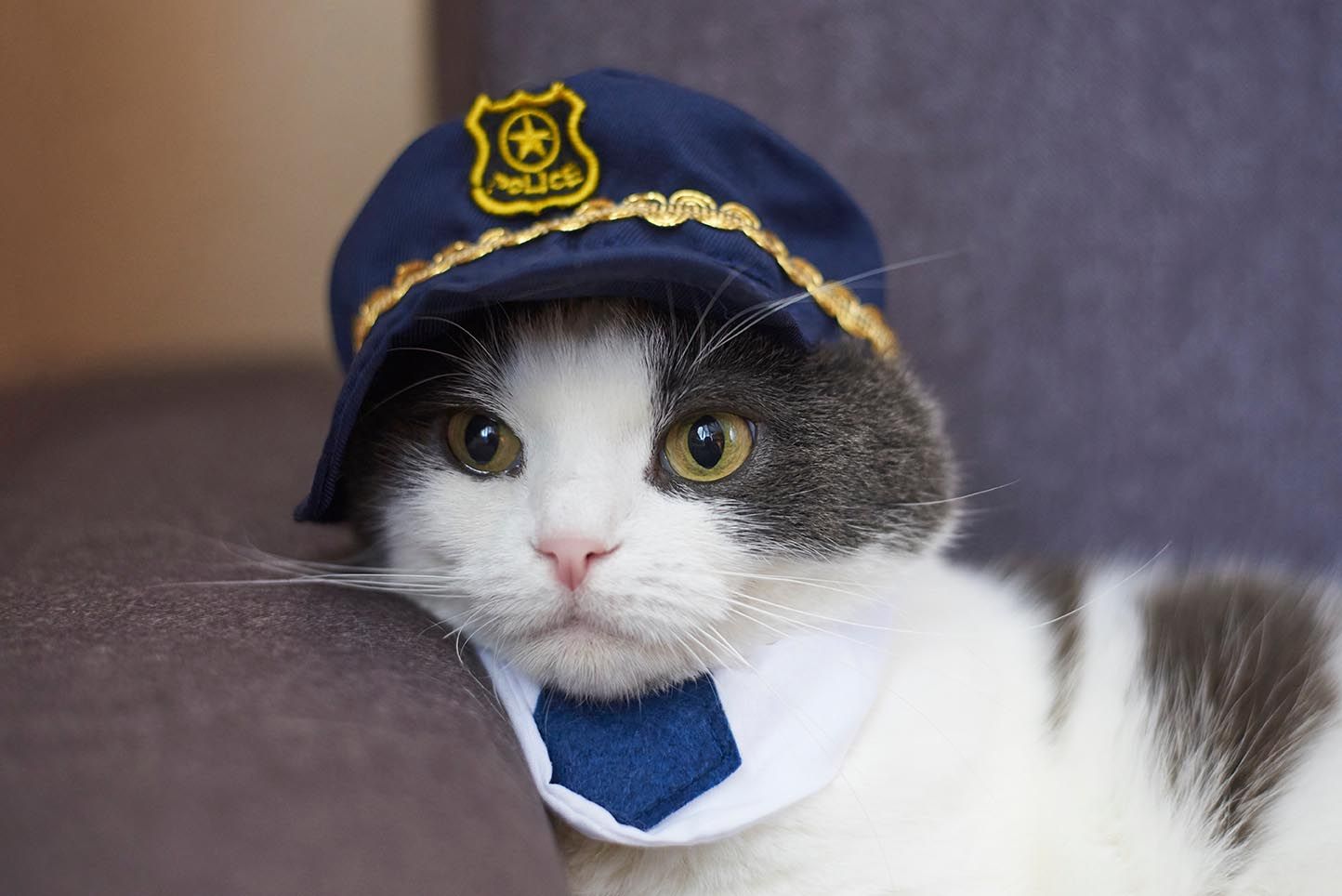
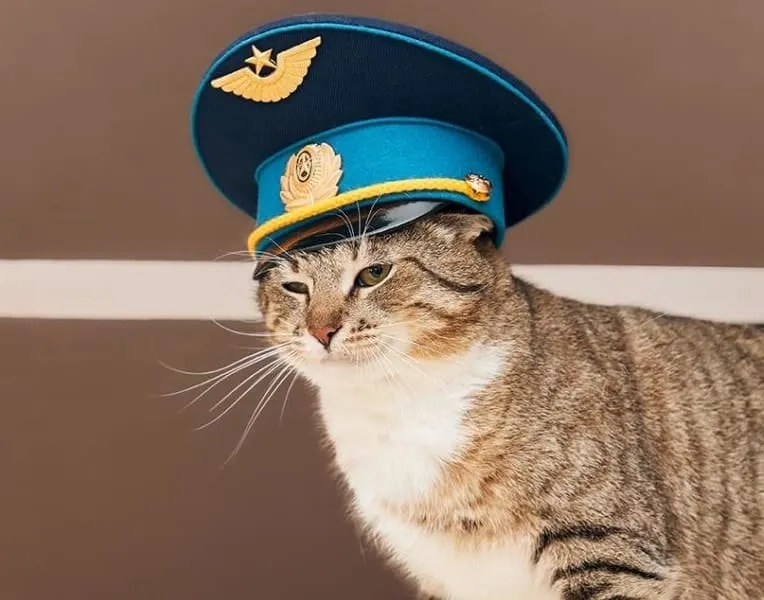
Yes, police cats usually have uniforms. There isn’t an “official” uniform for police cats, and most are not particularly practical. However, many departments feel the need to make their station cat stand out a bit from the crowd and pick up a uniform for them.

The cats may not wear their uniforms very often, but they can be helpful for public events. During special events or appearances, the cats wear their uniforms.

cat wearing police suit
Image Credit By: Viktoriya5555, Shutterstock

6. Why Aren’t Police Cats More Common?

There are several reasons that police cats may not be as popular as dogs. First, they are not capable of performing many of the crime-fighting jobs that dogs do. They aren’t big enough to chase down a criminal or restrain them.

Secondly, cats aren’t as trainable as dogs in most cases. Many are intelligent enough to learn tricks but aren’t as reliable as dogs. In crime-fighting, following commands is often a matter of life or death.

divider 2 cats

Conclusion

Although they’re not as common as police dogs, police cats are indeed employed for their services in some parts of the world. While traditionally used for pest control, their role in the present era is often that of companions that provide therapy and comfort to the officers.

We hope that this article has helped you understand and appreciate these felines better!

See also:


Featured Image Credit: osobystist, Shutterstock

Want content like this delivered to you?

Sign Up For Our Newsletter

News, insights, expert advice, and everything cat

* By submitting, you agree to our Terms & Conditions and Privacy & Cookies Policy.


How useful was this post?

Click on a star to rate (you can leave written feedback after clicking submit)

Help us improve Catster for pet parents!

Your feedback really matters.

What did you like about this post? Also how can we improve it?

Join the conversation

Leave a Reply

You’re very welcome to leave a comment or question. Please know that all comments must meet our community guidelines, and your email address will NOT be published. Let’s have a positive and constructive conversation.


Catster's Digital Magazine is Back!

Vet-approved health & behavior advice

Real cat stories & community features

Chatting About the Rainbow Bridge, Euthanasia, and Laughter During Grief | Chatty Cattys, Episode 24

If you’ve ever felt the loss of a beloved cat, or are dreading the day when your pet crosses the rainbow bridge, you’ll...

The Simple Reasons Cats Refuse to Let Anyone Use the Bathroom Alone

Cats have an extraordinary talent for making themselves present in the most inconvenient places, and the bathroom ranks near the top of the...

A Paw-sitive Milestone: Canada Officially Becomes a Declaw-Free Nation

Canada has officially become a declaw-free nation. On May 25, 2026, a new regulation was filed in Ontario under the Provincial Animal Welfare...

The Surprisingly Simple Ways to Help a Cat With Hairballs

Cats spend an astonishing amount of time grooming. It is part hygiene routine, part comfort ritual, and part instinct that traces back generations....

More related

9 Common Cat Spay or Neuter Surgery Complications: Our Vet Explains Important Facts

It is widely accepted that neutering (spaying or castration) is part of being a responsible feline parent. Aside from stopping urine spraying, monthly...

How to Keep Cats Away From Certain Areas: 18 Vet-Verified Methods

From kitchen counters to the baby’s room to your dining room table, nothing seems to be off-limits in a cat’s world. Cats somehow...

Ocicat vs Egyptian Mau: Main Differences (With Pictures)

The Ocicat and Egyptian Mau should be top considerations for your next pet if you are looking for an exotic feline without the...

Why Are My Cats Whiskers So Short? 7 Vet-Approved Reasons

Cats have amazing sensory abilities. They can see in low light conditions that people struggle to navigate and can rotate their ears 180...

Keep reading

9 Foods With Potassium for Cats: Vet-Reviewed Advice

Potassium is an essential mineral that helps maintain a healthy heart, muscles, and neurological function. Without potassium, a cat’s body would be completely out of whack. Thankfully, potassium is abundant in several food sources, even for an obligate carnivore. In...

cat eating canned tuna

Can Cats Eat Hazelnuts? Vet Approved Nutritional Facts & FAQ

Hazelnuts are a great addition to our human diet for being a source of healthy fat that is loaded with nutrients and antioxidants. Whether you are snacking on a handful of hazelnuts or are enjoying the delicious forms of hazelnut...

Can Cats Eat Hazelnuts

Love, Nala Cat Food Review 2026: A Detailed Look

If you’re like me (and so many other obsessive cat owners) and spend too much time on Instagram stalking adorable kitties, then you probably already know who Nala Cat is. She does, after all, hold the Guinness Book of World...

Love Nala Cat Food

Are Irises Poisonous to Cats? Vet Approved Facts & Safety Tips

You likely know how it feels when you discover that your cat has eaten something and you have no idea whether it’s safe. Things that kitties seem quite fond of include plants and flowers, which are common in households. While...

Catster_Are Irises Poisonous to Cats

Cat Lymph Nodes: Vet-Verified Health Facts, Guide & Diagram

Lymph nodes are present in humans and cats, but most of us are not aware of their existence unless there’s a problem. They play a crucial role in preventing infections in cats, but unfortunately, lymph node diseases are fairly common....

Hands checking cat with lymph nodes

Why Cats Pee on Furniture (And How to Make Them Stop)

Cats peeing on furniture isn’t a behavior problem. It’s a communication problem. Your cat can’t tell you their litter box hurts to use, or that the new dog is stressing them out, or that the box itself is too small...

White cat standing infront of his pee in the couch

Why Does My Cat Stare at the Wall? Our Vet Discusses Common Reasons & What to Do

There are many things our cats do that confuse and confound us, and one behavior that can be quite concerning is when they start staring intently at a wall. Are they sleeping with their eyes open? Do they see something...

cat staring at the wall

Why Is My Cat Gagging? 7 Vet-Reviewed Reasons

If you’ve recently seen your cat gagging, you may wonder what causes it and whether you should be concerned. Gagging is a confusing term, as it can mean different things to different people. Short of boring you with medical definitions,...

tabby white british shorthair cat gagging outdoors

Love Cats? So Do We! Join the Catster Community

Stay informed with expert pet care insights delivered straight to your inbox! Discover professional guidance on animal behavior, feeding tips, trusted product picks, and much more.


Sign up for the Catster Email Newsletter

Stay informed with expert pet care insights delivered straight to your inbox! Discover professional guidance on animal behavior, feeding tips, trusted product picks, and much more.