Is It Legal to Let Your Cat Outside? What The Law States

In this article
If you own an energetic, restless cat that frequently cries to go outside, it can be tempting to give in to stop the noise. However, before you do, you might stop to consider whether it’s legal to let your cat outside. The answer depends entirely on where you live, as city and county ordinances generally determine whether it’s legal to allow your cat outdoors or not.
In this article, we’ll tell you how to find out if it’s legal to let your cat outside in your area, as well as potential consequences if you do it anyway. We’ll also discuss whether it’s safe to let your cat outside and alternatives if it’s too dangerous or illegal for your pet to enjoy the great outdoors.

How to Find Out if It’s Legal to Let Your Cat Outside
Currently, federal and state laws generally don’t address animal issues, including whether it’s legal to let your cat outside. Most towns, cities, or counties in the United States have animal welfare or nuisance policies. Before letting your cat outside, research your city or county’s pet laws.
Two types of laws address whether it’s okay for your cat to go outside. One category is leash laws, which require pets to be always restrained by a leash or a fence. Leash laws usually apply to dogs, but some include cats as well.
Nuisance animal laws may also dictate whether letting your cat outside is legal. These ordinances are designed to prevent roaming pets from pestering neighbors or the public. Free-roaming cats can dig up flower beds, vocalize at night, fight with other cats, spread parasites, or kill chickens.

What Happens If You Let Your Cat Outside When It’s Not Legal?
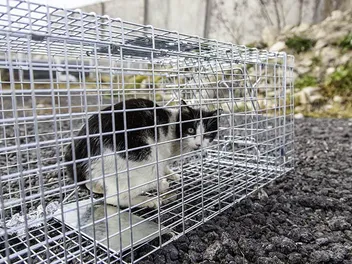
If your city or county has laws about outdoor cats, you may face a fine, or your cat could be picked up by animal control and taken to a shelter. You may have to pay to release them from the shelter.
In some areas, especially rural ones, it’s legal for homeowners to use lethal force to protect their livestock or poultry from attack by roaming pets. You could be risking your cat’s life by letting them outside if your neighbors have chickens, rabbits, or other potential prey animals.

Will Your Cat Be Unhappy If They Can’t Go Outside?
Many cat owners worry they’re depriving their cats of something if they don’t let them outside, but that’s not necessarily true. Indoor cats can live exciting lives, especially if you make a point to provide them with opportunities for exercise and enrichment. Cats who’ve lived indoors often find the outdoors scary and have no interest in going out.
As mentioned briefly, outdoor cats are at higher risk of injuries and death. Car accidents, predator attacks, poisoning, or getting lost are all potential dangers your cat faces when they go outside unsupervised. Free-roaming cats can also negatively impact local bird and wildlife populations by hunting.

Alternatives to Letting Your Cat Go Outside
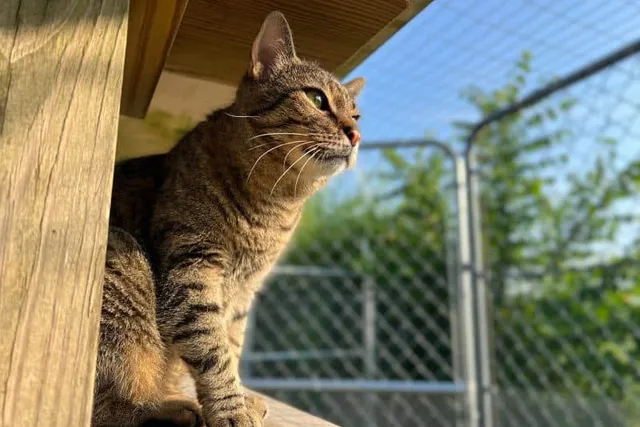
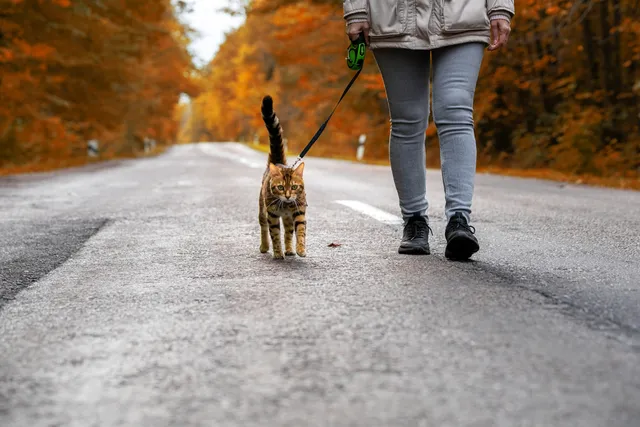
If you want your cat to experience the great outdoors, consider training them to walk on a leash. You could also invest in an enclosed “catio” or cat yard. If you have a fenced yard, you may be able to let your cat explore off-leash if you supervise them closely. Keeping your cat indoors is fine if you keep their environment interesting and give them daily attention.
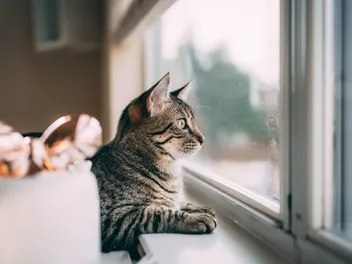
Buy your cat toys that allow them to perform natural behaviors like stalking, pouncing, and “hunting.” Scratching posts and cat trees provide vertical space and safe spaces to sharpen their claws. A window perch or hammock gives your cat a safe spot to look outside, watch the birds, and get some sun.
Conclusion
Depending on local laws, it may be legal to let your cat outside, but that doesn’t always mean it’s safe to do so. If it is legal and you decide to give your kitty outdoor access, ensure they are properly identified with a collar, tags, and microchip. Keep them on regular parasite control and current on all preventative vaccines.
If you want to let your cat outside because of behavior problems, talk to your vet to see if there are other ways to manage the situation first.
Sources
“Outdoor Cat Controversy: Is It Ever Okay to Let Them Roam?”
“Is It Legal to Let My Cat Roam the Neighborhood?”
Featured Image Credit: Ryan Brix, Shutterstock
Expert cat care, straight to your inbox
News, insights, and useful advice, delivered to you.

No spam — unsubscribe anytime.
By signing up, you agree to our Terms & Conditions and Privacy & Cookies Policy.
How useful was this post?
Click a star to rate. You can leave written feedback afterwards. (We read all feedback.)

Elizabeth Gray is a lifelong lover of all creatures great and small. She got her first cat at 5 years old and at 14, she started working for her local veterinarian. Elizabeth spent more than 20 years working as a veterinary nurse before stepping away to become a stay-at-home mom to her daughter. Now, she is excited to share her hard-earned knowledge (literally--she has scars) with our readers. Elizabeth lives in Iowa with her family, including her two fur kids, Linnard, a husky mix and Algernon, the worldʻs most patient cat. When not writing, she enjoys reading, watching all sports, and spending time outdoors with her family.