Will My Cat Come Back If I Let Them Outside or Do They Need Training? Our Vet Answers

In this article
Being a pet owner comes with a lot of difficult decisions. You must choose the right foods, toys, and veterinarians, among other things. You’re also the one who is in charge of your pet’s safety. When it comes to cats that are tempted to go outside into the big world around them, pet parents have even more to worry about. The outside world is a dangerous place for a cat or any pet for that matter. Still, some people believe that cats simply need their freedom.
This leaves you left to answer the question, will my cat come back if I let them outside? Do they need training? Unfortunately, the answer to the first question isn’t cut and dry. Some cats will come back, but not every cat is the same, and cats can definitely end up displaced if they roam unsupervised. The second question, however, is a bit more inclusive. Yes, your cat ideally needs a bit of training before they go to the outside world.
Let’s take a look at when a cat is ready to potentially explore the world and the type of training you should provide. This will help keep your cat safer each time they walk out the door for an excursion. Click on the title you would like to review first regarding this topic:

Will My Cat Come Back If I Let Them Outside or Do They Need Training?
Unfortunately, unless someone is a legit fortune teller, there’s no way to answer this question. Even a trained cat who knows where their home is may not return after a trip outside. This is because roaming unsupervised is dangerous for cats, and there are many things you cannot control when your cat roams unsupervised. In turn, these factors make it impossible for anyone to know if your cat will return home. Let’s look at these dangers in more detail.
The Dangers of the Outside World
We can’t talk about allowing your cat outside without mentioning the dangers that lurk there. When cats roam unsupervised, they’re vulnerable to a number of issues:
The Dangers of Unsupervised Roaming For Cats
Please note that the list above isn’t exhaustive, and the scenarios and examples of dangers your cat could run into are endless when it comes to allowing them outdoors. It’s no wonder that indoor cats live, on average, longer than cats that are allowed to roam outdoors unsupervised. 1 2

The Ethics of Unsupervised Roaming
The cons of allowing cats to roam unsupervised doesn’t just stop at the dangers they’re exposed to when allowed outdoors in such a fashion. There’s a massive ethical dilemma when it comes to letting pet cats roam outdoors.
For one, allowing your cat to roam would likely lead to a reduction in their lifespan, which many see as a very unethical decision to take as a pet owner. After all, it’s our job as pet owners to ensure that our pets are given the best care possible. Allowing them to roam exposes them to many dangers which are very difficult to justify as not an issue.
Furthermore, cats are very notorious for being extremely destructive towards local fauna. They can easily decimate populations of birds, rodents, and other small animals when allowed to roam unsupervised. Remember that our domesticated cats were once native to Africa, and in almost all other parts of the world, their introduction to the ecosystem was done by humans (either intentionally or inadvertently). Therefore, it isn’t considered “natural” when you allow your cat to hunt local fauna. In most scenarios, your cat wouldn’t even be there were it not for their domestication and an advantageous opportunity to reproduce under human control.
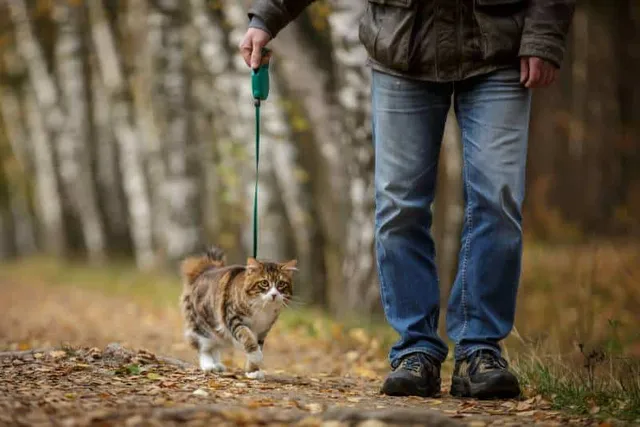
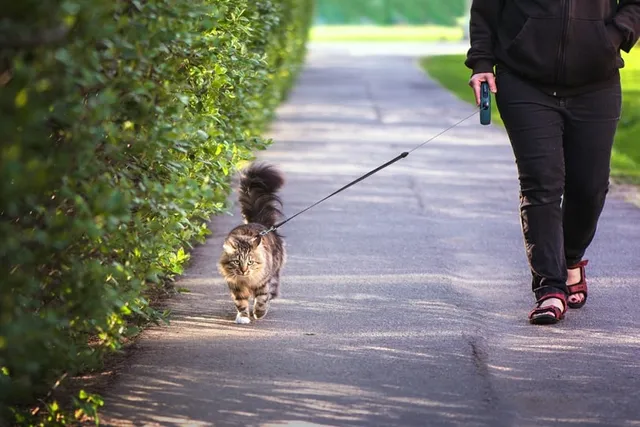
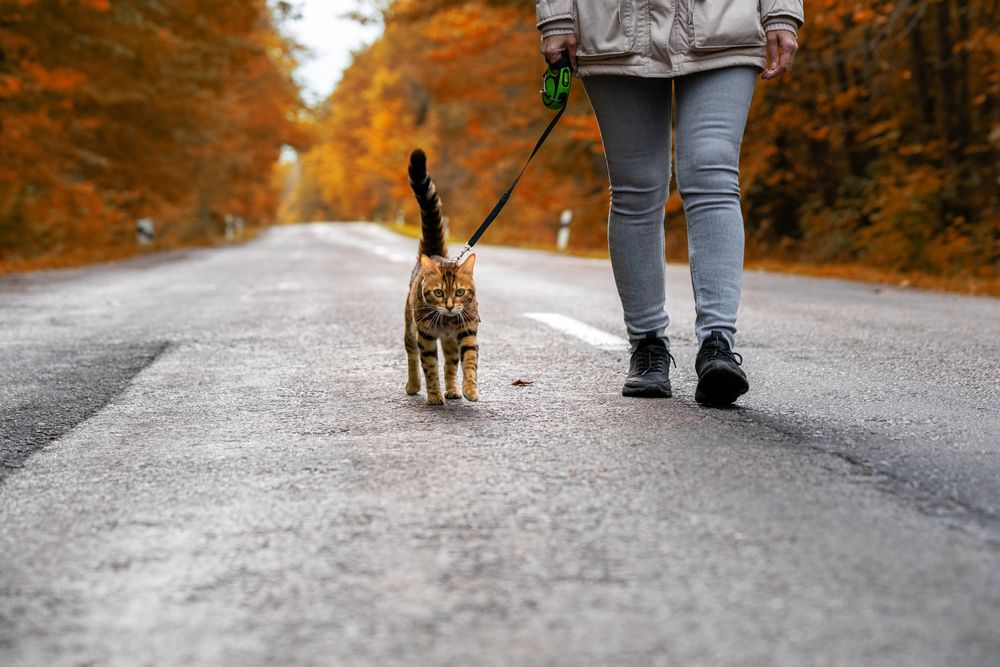
The dangers and ethics of unsupervised roaming is why people who are advocates for allowing pet cats to roam suggest that your cat should only be allowed to roam when they are supervised, such as on a leash.

Training Your Cat for the Outdoors
As there’s no way to guarantee your cat’s return if they roam unsupervised, it’s best to get them associated with outdoor excursions by leash training them. This is best done when your cat is a kitten, however, even adult cats can be leash trained with enough patience and positive encouragement.
Let Your Cat See the Harness & Leash
Going slow works wonders when it comes to training your cat. Begin by leaving their leash and harness in the middle of their favorite room for a day or so. Allow your cat to inspect the items at their own pace during this period.
Are you looking for the perfect cat harness? We suggest Hepper's Cat Harness & Leash Set, which includes a nicely designed, machine-washable harness made from soft, sturdy velvet and mesh.
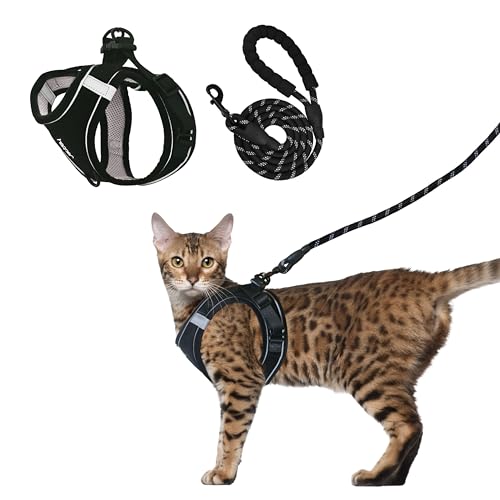
- Escape Proof - Cat leashes and harnesses for walking aren't all equally secure. Our double aluminium D-rings ensure strength when outside, as does the reinforced stitching on this step in vest.
- Superior Comfort - Our cat harnesses are lightweight, made with premium velvet fabric, breathable mesh, with soft edging and resilient cushioning. Also, it is machine washable. Looks and feels great!
- Free Extra Strength Leash - You don't need to worry about your cat escaping this harness. This cat leash is made of thick nylon climbing rope with rotating clamp to keep the strongest kitties at bay.
This harness is easy to put on and take off and features reinforced stitching, reflective stripes, and quick-release buckles. This set also includes a great leash made from durable nylon climbing rope.
At Catster, we’ve admired Hepper for many years and decided to take a controlling ownership interest so that we could benefit from the outstanding designs of this cool cat company!
Try It On
The first time you apply the harness on your cat, you shouldn’t attempt to walk your cat. Slowly apply the harness on your cat, and offer them a treat if they sit still while you place it on them.
Once it’s on, leave your cat be for a few minutes and let them move freely, getting used to the feel and weight of their harness. It’s somewhat normal for your cat to appear surprised the first time it’s applied on them. Don’t leave it on for more than a few minutes the first time.
The next time you let your cat wear their harness, leave it on a little longer if your cat seems to not mind it. As always, whenever your cat interacts with their harness positively, you should reward them with praise and treats.
Keep in mind that while treats are a great incentive and tool for training your cat, you shouldn’t discount the fact that they do contain calories, and overdoing it with these treats can definitely lead to an overweight cat.

Indoor Walk
Once your cat is used to their harness and leash, you can begin to walk them indoors, so they get the feel of what it’s like to walk with you, and how it feels when you’re holding their leash.
Venturing Outdoors
Depending on how well and how quickly your cat adjusts to being walked indoors, you can slowly begin taking them outdoors. It’s best to start with short, quick outdoor walks outside of peak hours. Initially, you’d want to avoid times when people walk their large dogs, when traffic is high, and when it’s too hot or cold outside.

Keep an Open Mind to Alternatives
Remember that not all cats take well to supervised walks, and that’s okay. Alternatives exist for your cat which you can explore. These include indoor cat rooms or gyms, catios, a fenced and escape proof area, or cat strollers. If your cat is opposed to walking on a leash and harness, remember that it’s not your cat’s fault – nor is it your fault! Some cats just don’t like them, and that’s perfectly fine. A veterinarian can sometimes help you with this as they have tons of experience with pet behavior.

Final Thoughts
Unfortunately, there’s no way to tell for sure if your cat will return when allowed outdoors in an unsupervised fashion. This is true whether your cat is trained or not. The reason for this ambiguity is the fact that there are too many variables at play when it comes to allowing your cat to roam unsupervised.
Nonetheless, it’s definitely not outside the realm of possibility to train your cat to get accustomed to supervised outdoor activities with you. And remember that if all else fails, domesticated cats can easily adjust to a fully indoor environment as well.
Featured Image Credit: Amerigo_images, Shutterstock
Expert cat care, straight to your inbox
News, insights, and useful advice, delivered to you.

No spam — unsubscribe anytime.
By signing up, you agree to our Terms & Conditions and Privacy & Cookies Policy.
How useful was this post?
Click a star to rate. You can leave written feedback afterwards. (We read all feedback.)
Dr. Luqman Javed DVM (Veterinarian)
Dr. Luqman (also known as Dr. Lucky) grew up with an immense passion for animals of all kinds. By becoming a veterinarian, he turned his childhood dream into reality. Now, his goals are focused on providing help to cats all around the world by helping to cat owners understand their feline friends better to ensure the best quality of life for them. His passions are wildlife, exotic pets, pet owner education, and animal welfare. He graduated with his DVM from the Universiti Putra Malaysia in 2020. He has worked with a variety of animal species and has decades of personal experience with keeping many different types of exotic pets, such as turtles, hamsters, freshwater fish, chickens, songbirds, and parrots (and he has extensive skills in training parrots, too).