Is Freeze Dried Food Good for Cats? Vet-Reviewed Nutrition Facts & Tips


In this article
Cats are notoriously fussy eaters, and finding food they won't turn their noses up at can feel like a never-ending challenge. There are many different types of cat foods, from canned food to kibble to raw diets and everything in between, all promising to be the best food for your feline family member. In recent years, freeze-dried diets have been carving a name for themselves in the pet food industry, but is this a healthy option for your little obligate carnivore?
While freeze-dried food can be nutritious for cats, there are no studies that suggest it is better than other types of feline diets. Read on to learn more about what freeze-dried food is and the pros and cons of feeding your kitty a freeze-dried diet.

What Is Freeze-Dried Food?
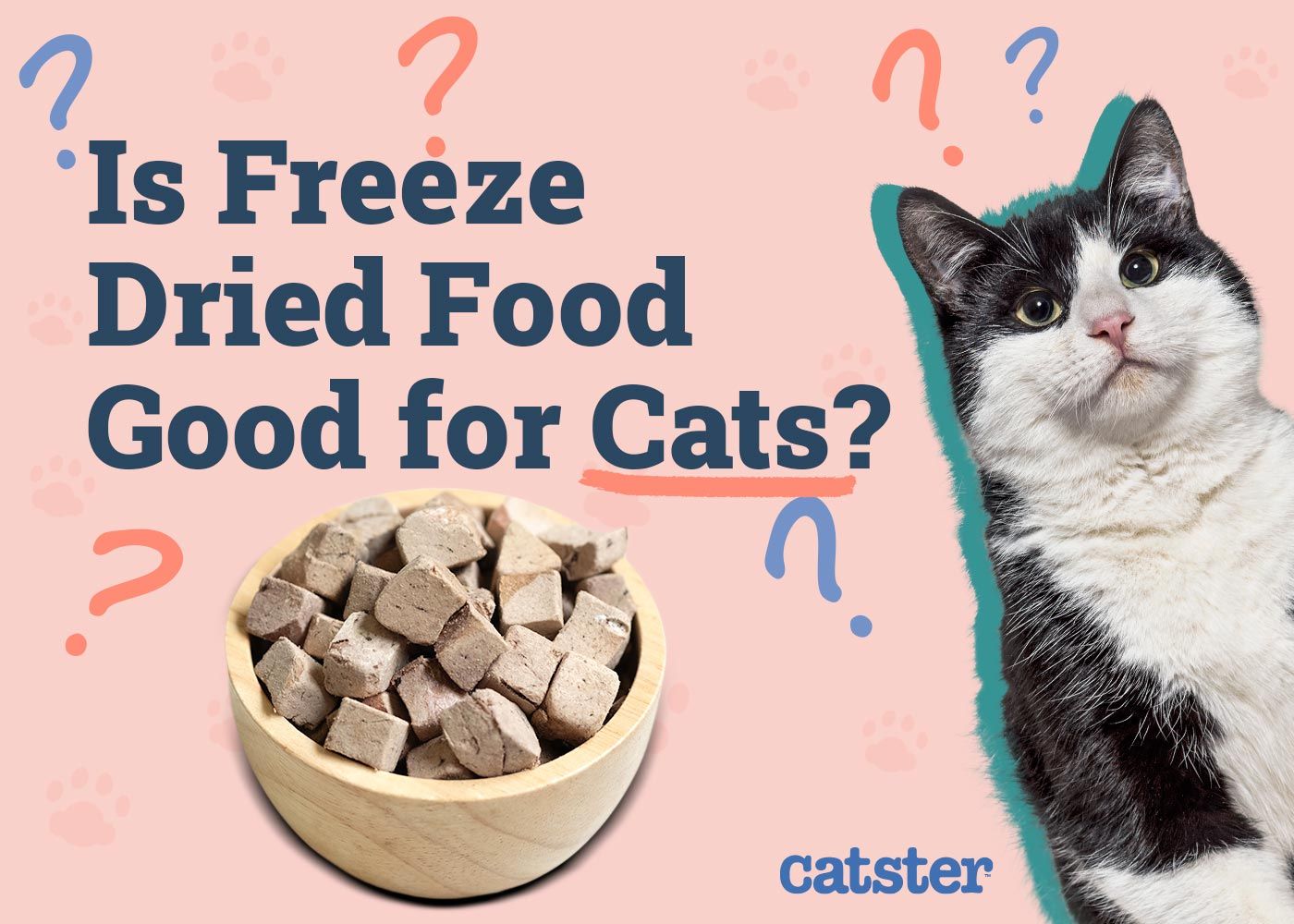
Freeze drying is a method of processing and preserving ingredients first created by the pharmaceutical industry as a way to transport medications to soldiers. Freeze-drying food involves freezing ingredients and sublimating the water content with a vacuum. What's left over is then sealed in air-tight packaging and sold on the shelves. The process extracts all the moisture from the ingredients while still retaining the nutrients and taste.
Freeze-dried diets are generally made with raw foods, meaning they haven't been cooked or pasteurized. They come in several forms, including treats, full meals, and toppers to help encourage picky eaters.
Is Freeze-Dried Food Better?
While proponents of a freeze-dried raw diet have plenty of anecdotal evidence suggesting these diets are healthier and more species-appropriate for cats than other commercially available diets, there are currently no published and peer-reviewed studies that prove these claims. It may come down to your and your cat's preferences.


Pros of Freeze-Dried Diets
1. Shelf Stable
Since the freeze-drying process removes all the moisture from the raw foods, the result is a shelf-stable product that stays good for much longer than fresh foods.
2. High Nutritional Value
The freeze-drying process generally retains the raw food's proteins, enzymes, amino acids, and other nutrients. These essential nutrients may be lost in different manufacturing processes.
3. Easy to Feed
If you've been toying with the idea of feeding your cats a raw diet and the veterinary team has given you the go-ahead to do so, you're probably struggling with how difficult raw food is to prepare. A huge benefit of freeze-dried diets is that many are easy and convenient to serve. Some do require rehydrating before serving, which takes away some of the convenience, however. You can reach out to the veterinarian to get some guidance on this matter as well.
4. Free of Fillers & Preservatives
Freeze-dried food is a blend of meat and vegetables. Unlike other cat foods on the market, it won't contain fillers or preservatives designed to extend their shelf-life.
5. Versatility
As mentioned above, freeze-dried food can be fed as is or rehydrated, depending on the brand. Rehydrated options provide cats with a unique combination of both wet and dry food, increasing their hydration levels and providing more variety in their diet. This can be especially beneficial for picky cats who don't like eating the same food or textures every day.


Cons of Freeze-Dried Diets
1. Risk of Parasites
A big concern with raw cat food is the risk of bacterial contamination. While freeze-drying helps decrease the pathogens in raw food, some can actually survive the freeze-drying process.
2. May Be Nutritionally Incomplete
Raw diets may be nutritionally imbalanced unless the pet food company has a veterinary nutritionist on hand. Imbalances can lead to illness due to deficiencies. Make sure any food you feed your cat—be it freeze-dried or not—has been labeled as complete and balanced for your cat's life stage. Many freeze-dried foods are designed to be used as food toppers and not as the only source of nutrition.

3. Must Be Handled Carefully
Another downside of feeding your pet raw, even a freeze-dried raw diet, is that it puts the humans living alongside the cats at risk of contamination. Even though the food goes through thorough processing, you'll need to handle it as carefully as you would any raw meat product. Any activity your cat participates in, from grooming to napping to playing, may put you at risk of contaminated saliva. Even when you prepare your cat's meal, you're putting yourself at risk by touching the potentially contaminated food.
4. Expensive
Freeze-dried raw diets can be very expensive, especially if you're opting for the highest quality foods from manufacturers, taking all the necessary safety precautions to ensure the foods they're selling are safe and healthy.
5. Feeding Adjustment
Though it is nutrient-dense, freeze-dried cat food is very lightweight. You may need to feed your cat more to meet their nutritional needs, ultimately resulting in higher food costs. For example, according to the feeding guidelines on the bags, a 12-pound cat would need between 2/3 to ¾ cup of dry Iams cat food. A cat the same size would require 1.5 cups of Nulo's freeze-dried raw cat food.

How Is Freeze-Dried Food Prepared?
Most freeze-dried diets do not have to be rehydrated and can be fed like any normal kibble food. However, some freeze-dried products will require rehydration with either water or cat-friendly broth. If you choose to use broth, we recommend checking with your veterinarian first to ensure it's safe for your cat to eat. Some broths are very high in sodium, which can be dangerous for cats.
Regardless of whether rehydrating is necessary, you must follow food safety guidelines when feeding your cat a freeze-dried diet. Wash your hands after touching the raw food to avoid bacterial infections and sanitize any surfaces that come into contact with the food.

- NO MESS - The 360° tray on this cat food and water bowl set has a raised design to catch and contain stray crumbs and drips. Protect your indoors and floors from wet and messy meals!
- WHISKER FRIENDLY - Shallow and wide metal containers with flat bottoms ensure your kitty can enjoy mealtime free from whisker fatigue!
- CHEW-SAFE MATERIALS - Kittens and cats love chewing on silicone and soft rubber - but it's a choking hazard. Our cat feeding station materials are anti-chew for a 100% safe feeding frenzy!
Feeding your cat a high-quality diet is important for keeping them healthy and happy. But it goes beyond the food you choose; the dishes they use also matter. The Hepper NomNom Cat Bowl is our favorite for its unique, five-star design that protects from whisker fatigue and promotes good posture which also aids in better digestion. As an added bonus, it’s beautifully crafted and offers a modern take on the traditional cat bowl that fits seamlessly with all home stylings. Learn more about the NomNom by clicking here.
At Catster, we’ve admired Hepper for many years and decided to take a controlling ownership interest so that we could benefit from the outstanding designs of this cool cat company!
Final Thoughts
Freeze-dried diets can be nutritious, but whether they're ideal as the only source of nutrition for your cat isn't so cut and dry. Not all freeze-dried foods are nutritionally complete for cats and may put your kitty at risk of developing vitamin and mineral deficiencies. Additionally, because this is a raw diet, it could put you and others in your home at risk of bacterial infections if proper food safety guidelines are not followed. If you want to give your kitty freeze-dried food, you might try it as a food topper first to gauge their interest and ensure they're still getting a nutritionally complete and balanced diet from their meals. As always, we suggest speaking with your veterinary team to weigh the pros and cons of feeding a freeze-dried diet. It's not appropriate for every cat or human, and your vet will be your best contact to determine if it's right for your pet.
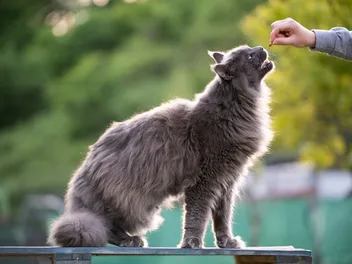
Featured Image Credit: Anna Hoychuk, Shutterstock
Expert cat care, straight to your inbox
News, insights, and useful advice, delivered to you.

No spam — unsubscribe anytime.
By signing up, you agree to our Terms & Conditions and Privacy & Cookies Policy.
How useful was this post?
Click a star to rate. You can leave written feedback afterwards. (We read all feedback.)
For Chantelle, writing and animals are the two driving forces in her life. Growing up on the Canadian prairies surrounded by pets, she now shares her home with five cats, two guinea pigs, and a bearded dragon. Chantelle, her husband, and their child pride themselves on being dedicated pet parent, even spending a fortune on wall-mounted cat shelves to provide their cats with an indoor jungle gym. When she's not snuggling with her cats or photographing their humorous moments, Chantelle is exploring the Rocky Mountains, rewatching her favorite Netflix series, and reading up on various random subjects.