Is Alstroemeria Toxic to Cats? Vet-Approved Advice


In this article
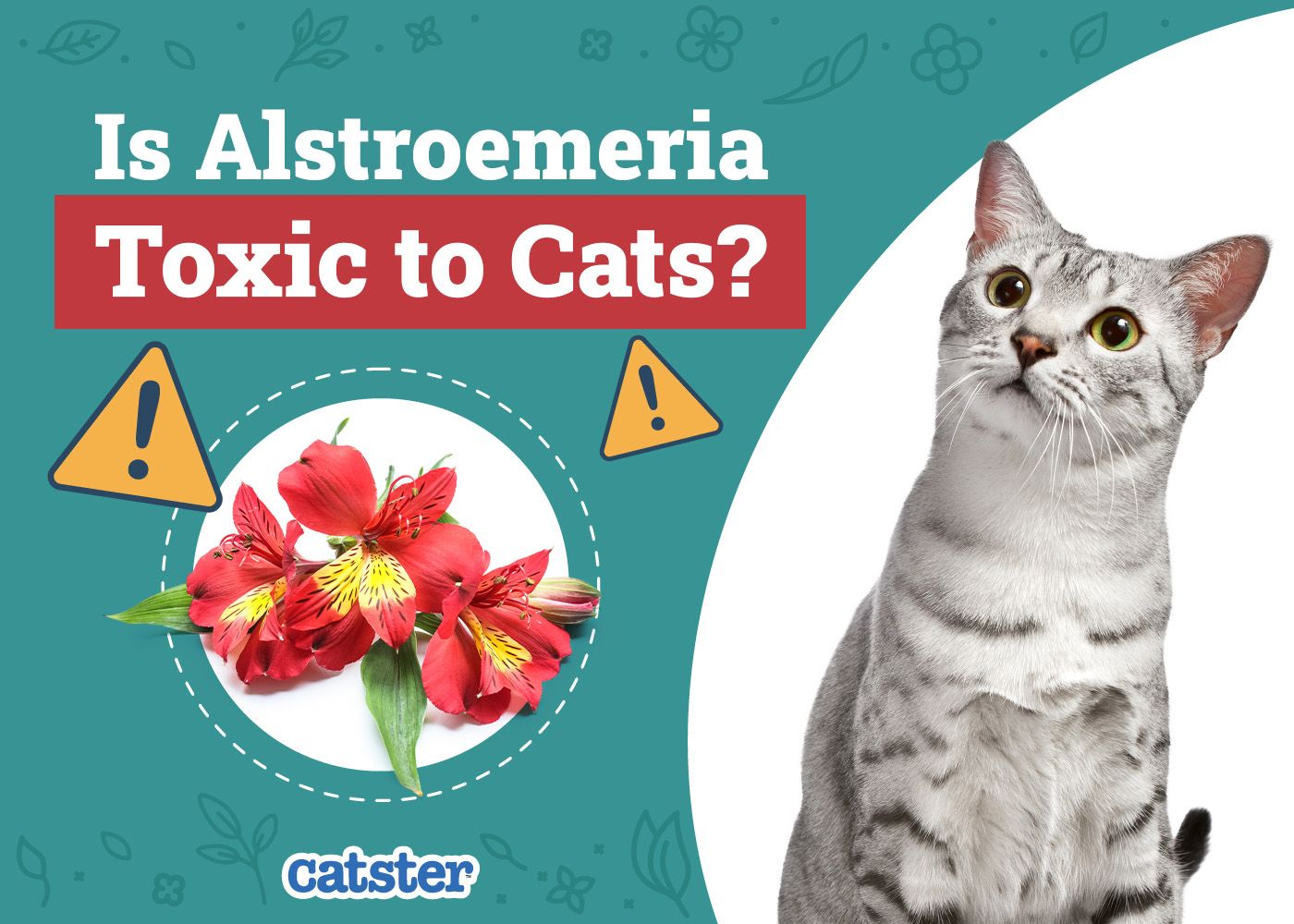
If your cat just ate some of your Peruvian Lily or rubbed on the petals you may be panicking. Although the ASPCA lists Peruvian Lily, also known as Alstroemeria, as safe for cats, dogs, and even horses, it is listed on the Pet Poison Helpline and medical texts as mildly toxic.
Usually, lilies are highly toxic to cats. It’s no wonder why cat owners panic about Peruvian Lily. But there are a few exceptions. As long as you know which lilies are toxic and which are safe, your cat will be fine. And if you don’t know, you should keep reading. We’re covering which lilies are toxic, which lilies are okay, and listing more cat-friendly flowers for all you flower lovers.
It’s good information to have as a cat owner and plant lover. So, keep reading to learn more about Alstroemeria and cats!

Alstroemeria Plants Aren’t Real Lilies
If you’re wondering why Peruvian Lilies are different from other lilies, the answer is simple: they’re not real lilies. Some plants have the word “lily” in their name, but that doesn’t mean they’re a true lily. They just look like lilies.
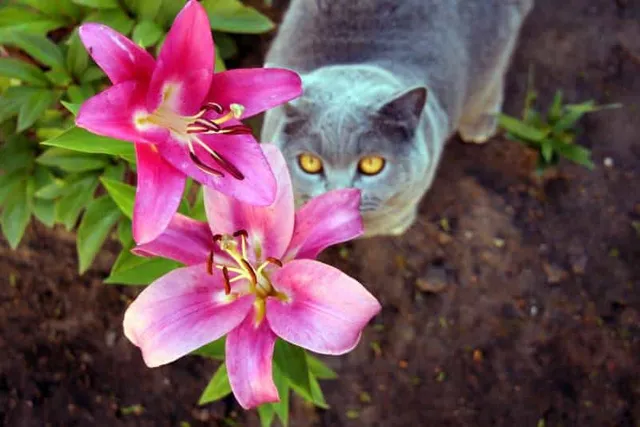
Typically, lilies have trumpet-shaped blooms with long, narrow leaves that extend up from dark foliage. Peruvian Lilies look very similar to this, so that’s why they were given the name.
Peruvian Lilies are tuberous perennials native to Chile and Argentina. They bloom in all kinds of colors and grow to be one to three feet tall. These flowers spread like wildfire in gardens, so you’ll often see people sharing their tubers with friends.
Alstroemeria is the scientific name for this flower, but it goes by many common names like Lily of the Incas and Princess Lily. They’re all the same flowers.

Peruvian Lily vs. True Lily
Common plant names often cause confusion among plant lovers. If you’re unsure if your lily is a true lily, check the Latin name on the plant instead of the common name. All flowers in the lily family are part of the Liliaceae genus, so their Latin name will start with this name.
You can also look at the physical attributes of the plant.
- Size: Overall, the Peruvian Lily has a smaller flower head than a true lily.
- Scent: Interestingly, Peruvian Lily has no smell, whereas true lilies have a slightly sweet aroma with hints of citrus.
- Shape: Peruvian Lily tends to have short petals. True lilies have long, narrow petals.
Which Lily Is Toxic to Cats?
Unfortunately, we can’t narrow the list down to just one lily that’s toxic to cats. There are quite a few. But we can give you a list of the most popular lilies that are toxic to cats.
Here’s a list of lilies you should never keep around your kitties:
Plants in the Daylily family are also highly toxic to cats and should always be avoided.
If your cat has been around or ingested any of these plants and showing any poisoning signs you should take your cat immediately to the vet. If you require any urgent assistance, you can contact a vet online.
Less Toxic Lilies for Cats
The Peruvian Lily is less toxic than true lilies, although all parts contain tulipalin A that may cause irritant dermatitis up to a few days post-exposure. Sometimes mild gastrointestinal signs are seen, but the symptoms usually subside on their own. Be sure to give your vet a call if you have any concerns.
So, as long as you keep these lilies in a safe space, keeping them in your house is fine. However, that still doesn’t mean you should allow your cats to have access to them.
Other Cat-Friendly Flowers
If you recently jumped on the flower-loving train or have been riding it for a while, you’ll want a list of lovely flowers that are cat-friendly. And you better believe we have you covered!
- Gerbera Daisies
- Roses
- Sunflowers
- Orchids
- Snapdragon
- Freesia
- Liatris
- Wax flower
- Limonium
- Asters
- Stock
- Lisianthus
- Petunias
- Cosmos
- Salvia
- Zinnias
- Violets
- Columbine
- Nasturtiums
- Coreopsis
Conclusion
Planting flowers can be a tricky game when you have cats. You just have to do your research before committing to a flower.
Maybe you can't grow many lilies, but there are plenty of other flowers to grow that are just as beautiful. Some even look like lilies, like the Peruvian Lily. This way, you can have the best of both worlds.
Sources
https://www.aspca.org/pet-care/animal-poison-control/toxic-and-non-toxic-plants/peruvian-lily
https://www.fda.gov/consumers/consumer-updates/keep-lilies-away-your-cats
https://www.bhg.com/gardening/plant-dictionary/perennial/alstroemeria/
https://www.aspca.org/news/mothers-day-bouquets-whats-safe-pets
https://www.thespruce.com/peruvian-lily-alstroemeria-plant-profile-4690186
Featured Image Credit: Chesna, Pixabay
Expert cat care, straight to your inbox
News, insights, and useful advice, delivered to you.

No spam — unsubscribe anytime.
By signing up, you agree to our Terms & Conditions and Privacy & Cookies Policy.
How useful was this post?
Click a star to rate. You can leave written feedback afterwards. (We read all feedback.)
Cassidy's journey from vet tech and professional pet sitter to pet writer showcases her lifelong passion for animals, both domestic and wild. Throughout the years, she has cared for many pets and enjoys writing about the animal-human bond. She and her husband have settled in Wichita, where they live with their German Shepherd, Raven, two cats, Lucy and Strudel, and a small flock of backyard chickens.