How to Protect Your Carpet From Cats: 10 Effective Vet-Approved Methods


In this article
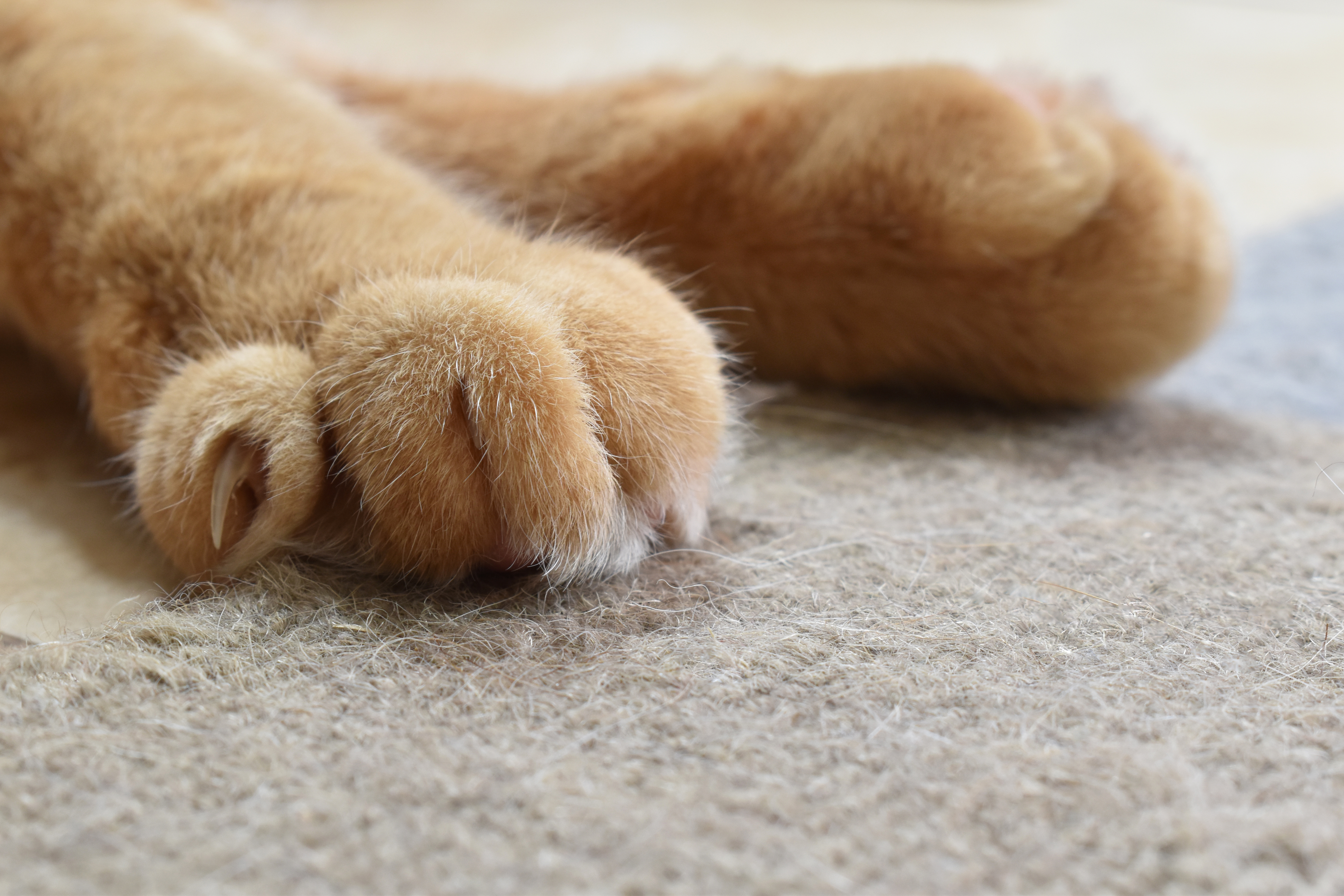
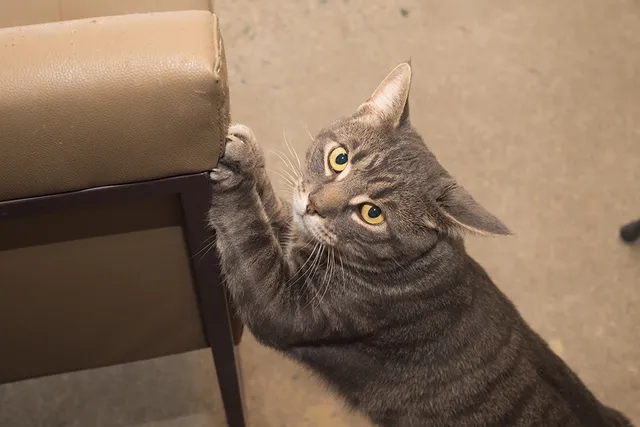
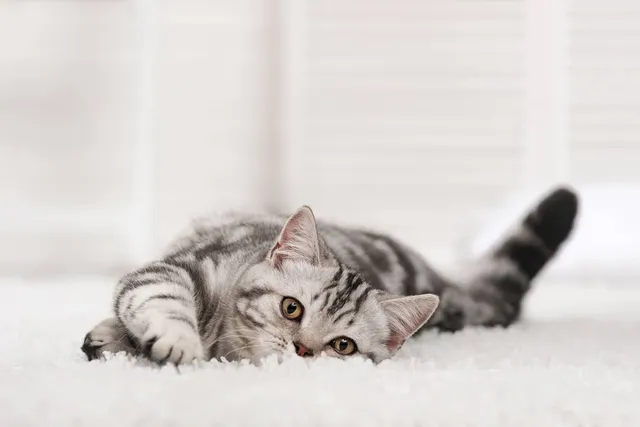
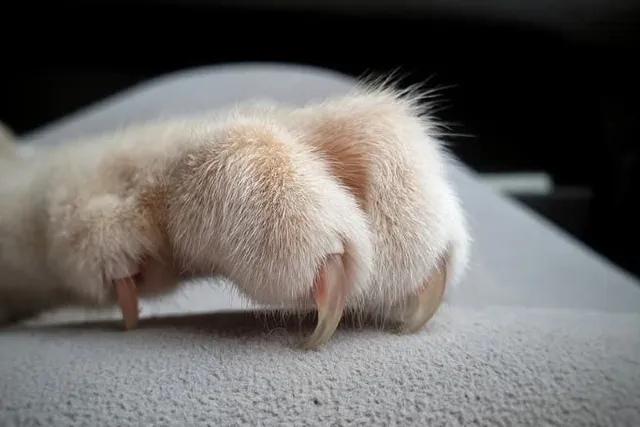
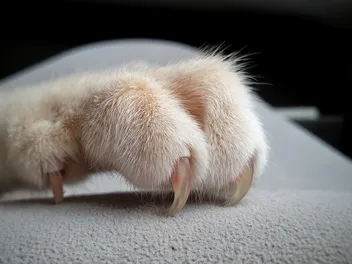
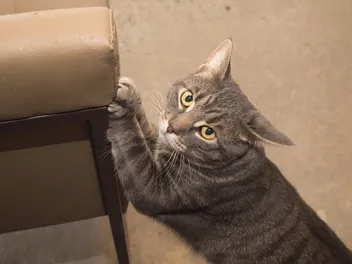
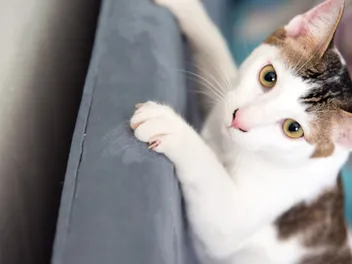
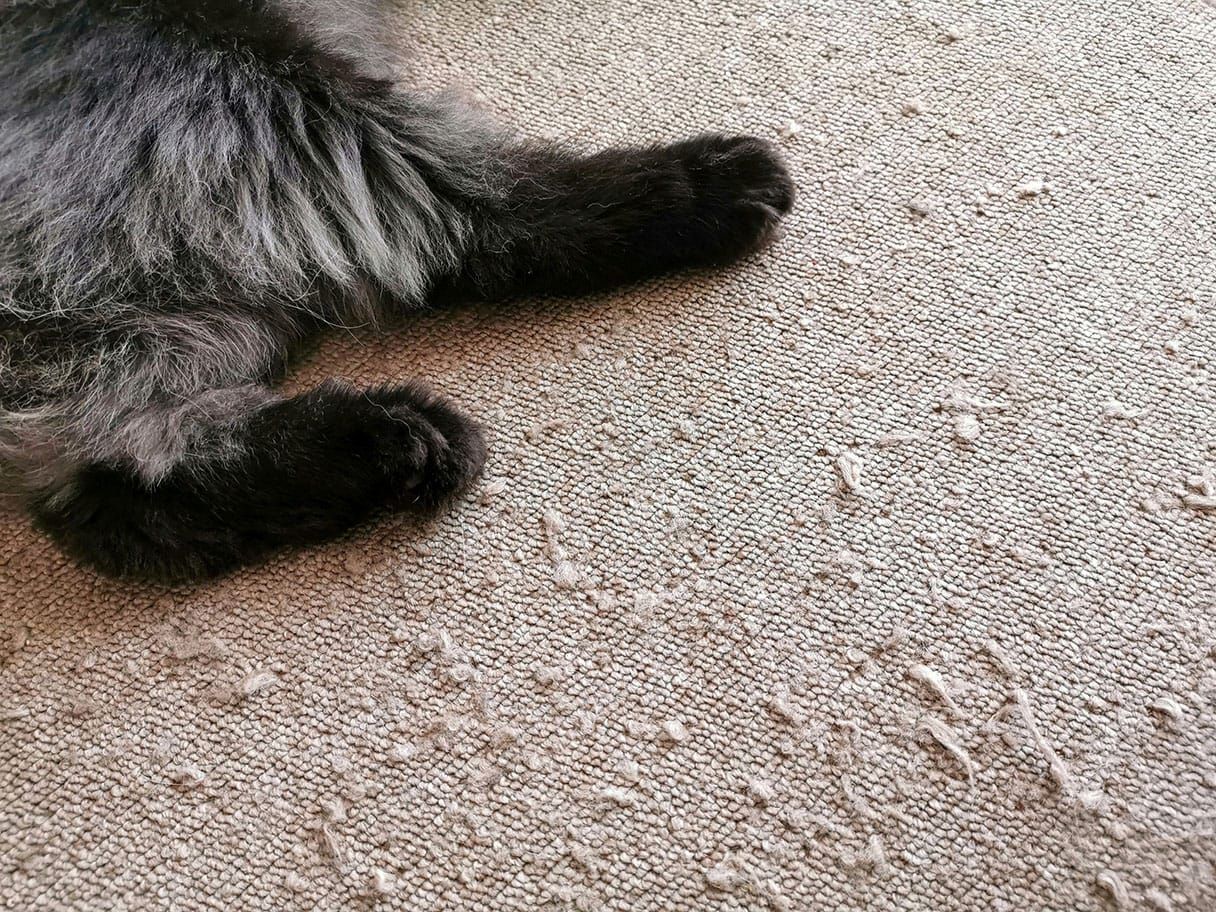
When you’re a cat, scratching comes with the territory, but if it occurs on your carpet, it can cause significant damage. Protecting your carpet from cats isn't difficult, and you can use several techniques.
The best approaches combine several methods so that you can protect your carpet and retrain your cat to scratch someplace less damaging. Here are 10 methods that you can use to protect your carpet from your cat’s claws.

The 4 Ways to Cover Your Carpet
The first solution to protect your carpet from cats is to cover it. So, here are four ways to provide carpet cover for pets.
1. Use Carpet Runners
A carpet runner is one of the best products to cover your carpet. The runners are made of clear vinyl or plastic and might have ridges on the bottom to grip the carpet. They protect carpets in high-traffic areas and won’t damage them.
You can also buy similar plastic guards to go under rolling chairs in office spaces. A plastic carpet runner will protect your carpet for as long as you need to help your cat find better scratching spots.
2. Stick on Scratch Protectors
Transparent cat scratch protectors are your next best option; these have the added benefit of being able to cover your couch as well – which might suddenly become very attractive to your cat once they realize the carpet is covered.
These products come in a variety of sizes and are often residue free, meaning that they don’t stain or disfigure your carpets when you decide to remove them. They can even be used on specific spots where you don’t want other items (such as a chair) to damage your carpet.

3. Cover Common Scratch Spots
If there’s one spot your cats like to scratch, consider covering it up. Whether you use a rug, sheets of tinfoil, or a piece of furniture, removing access to the scratching area might persuade your cat to choose a more appropriate spot.
Covering a spot for a few weeks is long enough for the scent to fade and make your cat forget about the scratching spot.
4. Remove the Carpet
Though drastic, a sure fix is to just remove the carpet. This is obviously easier said than done, and not an option for carpet that’s already glued down to the floor – but it would definitely be worth considering if the carpet in question is too valuable to risk further damage from your cat’s claws.


The 4 Ways to Redirect the Behavior
Cats have an innate need to sharpen their claws by scratching, and it’s important to keep your cats’ claws healthy. When dealing with a destructive cat, you need to redirect the behavior to appropriate outlets, not remove it entirely.
1. Change Up Your Scratching Posts
If your cat has a scratching post that goes unused or has fallen out of favor, a replacement might be necessary. Carpet-scratching cats often prefer horizontal scratchers or a mix of horizontal and vertical scratchers.
You can use various materials like sisal, carpet, and cardboard and place the scratching posts in areas your cat uses frequently. Scratching posts should be sturdy and stable, or your cat may become afraid to use them.
The Hepper Hi-Lo Modern Cat Scratcher is a functional and stylish design that makes it the ultimate scratching spot for your cat – and a superhero in the battle against furniture destruction. Unlike most cat toys that end up being ignored, this one's a crowd-pleaser for both cats and their hoomans.
With its 3 configurations, thick textured cardboard, and solid birch plywood frame, it encourages your cat's natural scratching instincts, so they stay away from your precious furniture, rugs, and curtains, among all other things they shouldn't scratch. The Hi-Lo is like your home's mini guardian, keeping it safe while looking super sleek and trendy.
At Catster, we’ve admired Hepper for many years, and decided to take a controlling ownership interest, so that we could benefit from the outstanding designs of this cool cat company!
2. Encourage Positive Behavior
As you try to get your cat to use scratching posts instead of carpet or furniture, positive reinforcement will help more than punishment. You can use catnip around scratching posts or treat your cat when you notice them scratching on the scratcher.
When you see your cat scratching the carpet, you can calmly redirect them by sliding the scratching post over to them. Calm, consistent redirection is more effective than shouting or punishment when reducing bad behavior.
3. Reduce Stressors
If your cat seems to be acting up on purpose or scratching excessively, they might be stressed. The stressors can include health issues, conflict with other pets, conflict or shouting in the home, new people or animals in the household, and the lack of a daily routine.
Some of the stress your cat experiences will decrease when they get used to a new person or routine, but you can also help by identifying what irritates your cat. Reducing the stress in your cat’s life will limit misbehavior and help them return to their normal rate of scratching.
4. Keep Your Cat Busy
Boredom is a major cause of excessive scratching. Your cat should have several toys that allow for different kinds of play. You can provide interactive toys that allow your cat to play when no one is around to entertain them.
However, they should also have social stimulation. Putting aside time daily to play with your cat is great exercise and will help them feel loved and secure. Other types of social behavior, such as brushing your cat or sitting with them, can also decrease boredom and loneliness.


The 2 Ways to Dull Your Cat’s Claws
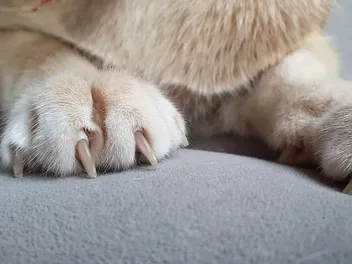
You can also prevent your cat from damaging the carpet, by trimming or covering their claws. Declawing cats causes permanent damage to their feet and can lead to lasting pain or health complications (and therefore isn’t recommended), but there are other ways to stop cats’ claws from damaging the carpet.
1. Trim Claws Regularly
One solution is to trim your cat’s claws regularly. Claw trimmers take off the sharp tip of the nail without cutting into the quick, making them painless and safe for cats. Depending on your carpet and how smooth your cat’s nails are after trimming, trimmed nails might still be able to cause damage to your carpet.
2. Use Vinyl Claw Covers

An alternative is to buy vinyl claw covers. These covers act as soft shields that prevent your cat from causing damage. They are usually glued onto your cat’s claws and require replacing every few weeks. Claw covers are safe for your cat and don’t cause pain or damage.
Because they remove one of your cat’s natural defenses, they shouldn’t be used on cats that spend unsupervised time outdoors. With vinyl claw covers, no amount of scratching will damage your carpet or furniture.
These products are not without their controversy, as the inability of your cat to scratch (which is considered normal behavior for them) can lead to stress. In turn, the stress can culminate in other health issues, such as urinary obstructions or other forms of misbehavior or unwanted behavior, such as yowling, biting, or inappropriate elimination outside the litter box. It’s best to discuss this with your veterinarian before deciding to use claw covers on your cat.
Last Thoughts
As you can see, there are a few options to protect your carpet from cats. None of these methods are foolproof by themselves, but when combined, you can use them to create a plan to keep your cats healthy and happy and your carpet safe.
See also:
Featured Image Credit: Maliflower73, Shutterstock
Expert cat care, straight to your inbox
News, insights, and useful advice, delivered to you.

No spam — unsubscribe anytime.
By signing up, you agree to our Terms & Conditions and Privacy & Cookies Policy.
How useful was this post?
Click a star to rate. You can leave written feedback afterwards. (We read all feedback.)
Chelsea Flake Mortensen is a writer with a passion for cats. Growing up, she spent quite a bit of time around cats, along with a variety of other interesting pets. Chelsea holds a BA in English and Creative Writing from Brigham Young University.