How to Cat Proof a Guinea Pig Cage: 5 Effective Vet-Approved Tips


In this article
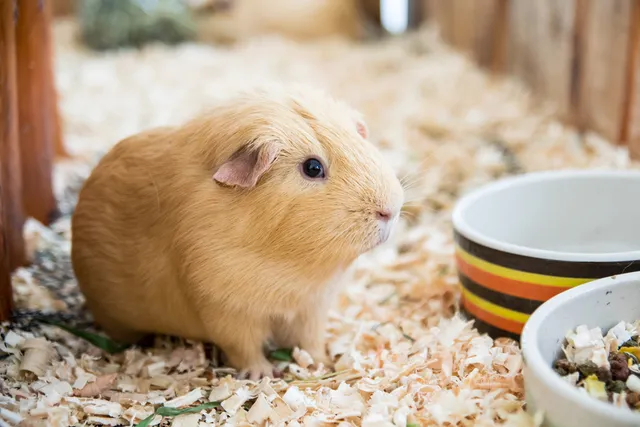
One of the challenges of owning small, caged pets like guinea pigs is the fear that the larger, predatory pets in the house may get to them somehow. As pet owners, we try our best to keep all our beloved animals safe from harm’s way.
Some cats may ignore their guinea pig housemates, but others may not be able to fight off the predatory drive that is common in these tiny, natural-born hunters. Fortunately, there are some things you can do to add more security to your guinea pig's cage to minimize the risk of an unfortunate encounter.

Top 5 Ways to Cat-Proof a Guinea Pig Cage
1. Pick the Right Cage
First and foremost, you need to pick a sturdy and secure cage. You may have to spend a little extra for a high-quality cage, but it is well worth it. Using a lower-priced, flimsy cage can have catastrophic consequences. Not only do you have to worry about your guinea pig getting out, but you must worry about other pets getting in.
Search for a cage that cannot be easily bypassed by wandering cat paws. You also want one sturdy enough to hold your cat's weight (or any other pet) if they choose to climb on top to try and get them. Some more aggressive cats may even try to destroy the cage to get to their prey, so you need a cage that can withstand another animal trying to break in.
In addition to being sturdy, make sure the doors on the cage close very securely so that your kitty cannot pry it open easily. Cats are intelligent and curious, and their intelligence should not be underestimated.
There are lots of great cages available on Amazon. Some of our favorites are the Amazon Basics Leakproof Canvas Bottom Guinea Pig Pet Cage as a cheaper option and the MidWest Homes for Pets Guinea Habitat Plus Guinea Pig Cage for a more premium pick. Both of these are solid choices and will keep your guinea pigs safe and secure. Please keep in mind that these are not cages your guinea pig should be kept in at all times, but rather a resting place and safe space. They should get ample time outside of the cage, safely and monitored, for exercise and nourishment.
2. Purchase a Pet-Proofing Kit
Just like with babies, you can find pet-proofing kits online or in your local pet store. The kits are designed to keep your pets out of things they shouldn’t be getting into in the first place. You may be able to work this kit to your advantage and cat-proof your guinea pig's cage by adding extra security to the doors.
3. Try a Mesh Security Cover
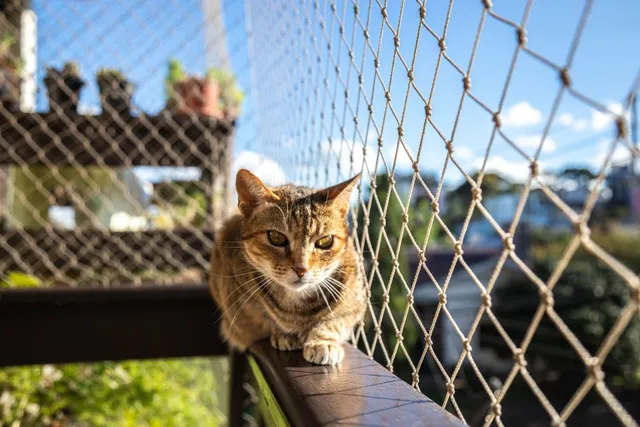
Mesh security covers are sold online and at pet stores. They are typically made from lightweight nylon material or something similar and act as a screen for the cage. By securing one of the covers over the top of the guinea pig cage, you can rest assured your cat's paws will have no way of fitting through the slats in the cage.
With mesh covers, you must be careful about how close the material is to your guinea pig's reach; you do not want them to chew on the material.

4. Zip Tie the Openings
Some cats will stop at nothing to open cages. Many of these cages are designed to make it easy and convenient to pop the cage open to either get your pet out or put something inside. What you want to avoid is your cat figuring out how to open the door. Secure the doors on each side by securely placing zip ties around the bars.
This may be an inconvenient way to cat-proof the cage, but it’s an excellent way to ensure security if you have a cage door that is questionable. It can also buy you time to provide your guinea pig with a more secure cage. The zip ties should be out of your guinea pig’s reach as well, as they may chew through it.
5. Keep Your Guinea Pig Away from Other Pets
The best way to ensure your guinea pig's safety is by preventing an incident in the first place. The most surefire way to cat-proof your guinea pig’s cage is to keep the cage in an area that is off-limits to your kitties.
Either place the guinea pig cage out of your cat’s reach or put it in a room or other area in the house that other pets have no access to. You do not want to seclude your guinea pig cage away from all interaction, so make sure it’s an area you will frequent so that they do not become isolated.

Extra Tips for Keeping Your Guinea Safe
Keep Pets Away When You Let Your Guinea Pig Out
When it’s time for one-on-one interaction with your guinea pig, and you plan to take them out of their cage, make sure you lock all the other animals out of that room. Your guinea pig must be able to roam freely in a safe, secure space outside the cage.
Leaving the door open for your cat or other pets to have access is a recipe for disaster. Even pets that have no desire to harm your guinea pig could accidentally hurt them. This also keeps your guinea pig safe from escaping into other parts of the house and becoming lost.

Always Supervise Your Guinea Pig When Out of the Cage
You should never leave your guinea pig unsupervised when they are out of their cage. They can be skittish and move quickly, and you don’t want to risk them escaping or coming across any of the larger pets in the home. Ensure someone supervises their free-roaming time and then securely locks them back in their cage when it’s over.
Provide Hiding Places in Your Guinea Pig's Cage
Guinea pigs are prey animals in the wild, and those instincts stand true for the domesticated pet versions. These little creatures can stress out very easily, so you need to provide them with a large enough hide to feel safe and secure.
This is recommended whether you have other pets or not. They need a place to escape from danger (or perceived danger) to keep their stress minimal. The more hiding places, the better.
Make Sure Your Guinea Pig Has Enough Space
Providing a spacious cage for your guinea pig will give them enough room to roam around without their cage frequently to get extra exercise. The cage is the safest place for your guinea pig, and they spend much of their life there, so you want it to be accommodating, spacious and comfortable. It is recommended that each guinea pig gets at least 2 square feet of space.

Make Sure All the Humans Know the Rules
Once you have a strong cage and have the cat proofing in place, ensure the whole family knows the rules for keeping your guinea pig safe. All family members and anyone who will interact with your guinea pig need to know how to properly secure the cage and ensure the best ways to keep them safe when they have them out.
Additional Information
Conclusion
If you are a cat owner who is thinking about bringing a new guinea pig into your home or are already dealing with a mischievous cat trying to get into your pet guinea pig’s cage, there is hope. Give these cat-proofing tips a try, and implement safety measures to keep your home harmonious and all your pets safe.
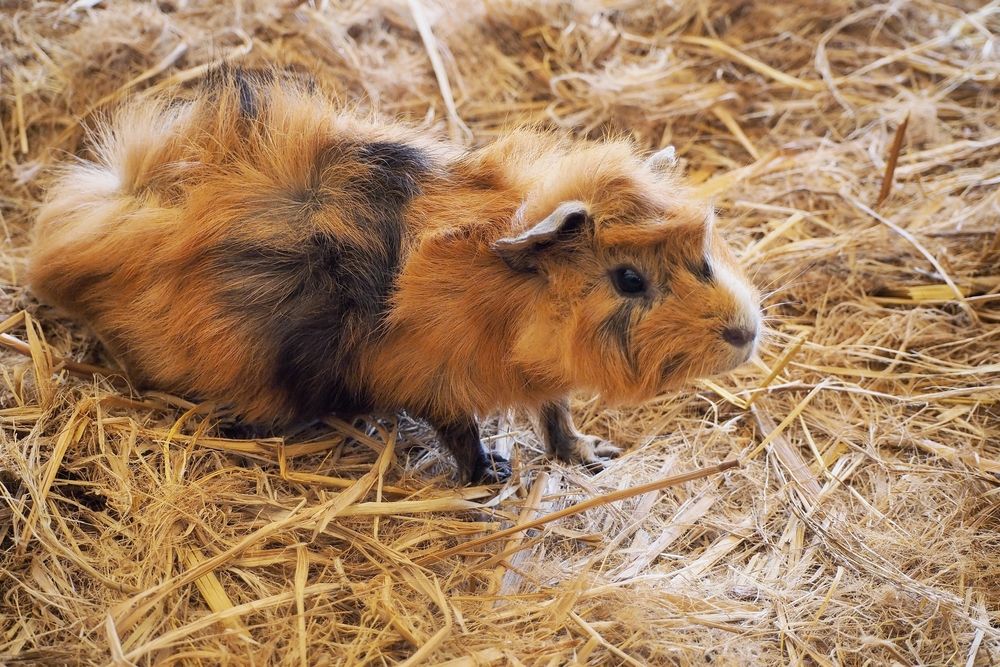
Featured Image Credit: Agus Laksono, Shutterstock
Expert cat care, straight to your inbox
News, insights, and useful advice, delivered to you.

No spam — unsubscribe anytime.
By signing up, you agree to our Terms & Conditions and Privacy & Cookies Policy.
How useful was this post?
Click a star to rate. You can leave written feedback afterwards. (We read all feedback.)
Christian started writing for a local newspaper as a teenager, and he's been involved in the publishing industry for most of his adult life. Combining his love of writing with a passion for animals, he is currently the Director of Editorial at Pangolia and the Editor-in-Chief at Catster.
Christian lives in the Philippines with his wife, son, and four rescue cats: Trixie, Chloe, Sparky, and Chopper.