How to Pick Up & Hold a Kitten: 7 Vet-Reviewed Expert Tips


In this article
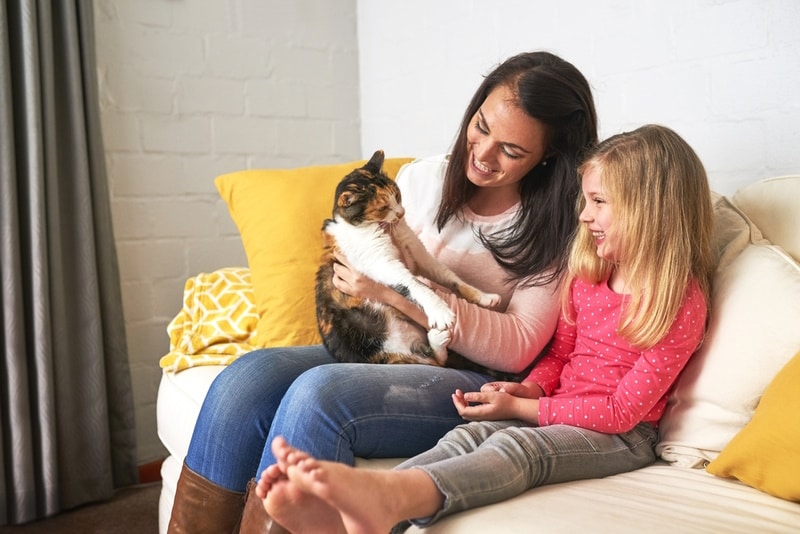
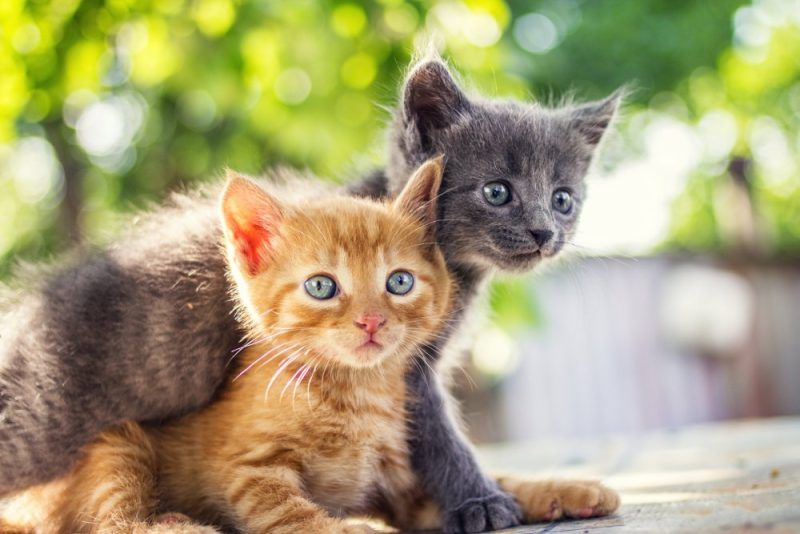
Congratulations if you've recently adopted a kitten or are caring for a litter of little ones! Between their sweet little meows and naughty antics, kittens can make even the most stoic among us fall in love. Although kittens often engage in rough-and-tumble play with each other, they're quite delicate and easy to injure if not handled with care. But who can resist picking up the adorable, sweet, yet naughty creatures? And quite honestly, you will do it anyway, so why not do it safely? Keep reading for a step-by-step guide on how to pick up and hold kittens.

Before You Get Started
Kittens are most receptive when they're still young, between 3 and 9 weeks old or so. Spending lots of time talking to, petting, and properly picking up kittens when they're young lays a foundation of comfort and trust. Cats exposed to positive experiences with people during formative periods generally see interacting with humans in a positive light. Kittens who don't come into contact with people generally remain fearful of them. Feral cats have never been socialized to be comfortable around people; it's why they often run away from even well-meaning humans.
Try to make regular petting sessions part of your daily routine—the more frequent, the better. Make sure to give your buddy lots of positive interactions during snuggle time so they have something to look forward to. Toys allow you to help your kitten learn how to appropriately blow off steam by pouncing on a teaser instead of lying in wait for the family dog. Punishment or speaking to kittens harshly can cause them to become anxious, which can make them less accepting of future human contact.
The 7 Ways of How to Pick Up & Hold a Kitten
1. Let Them Know You're Coming

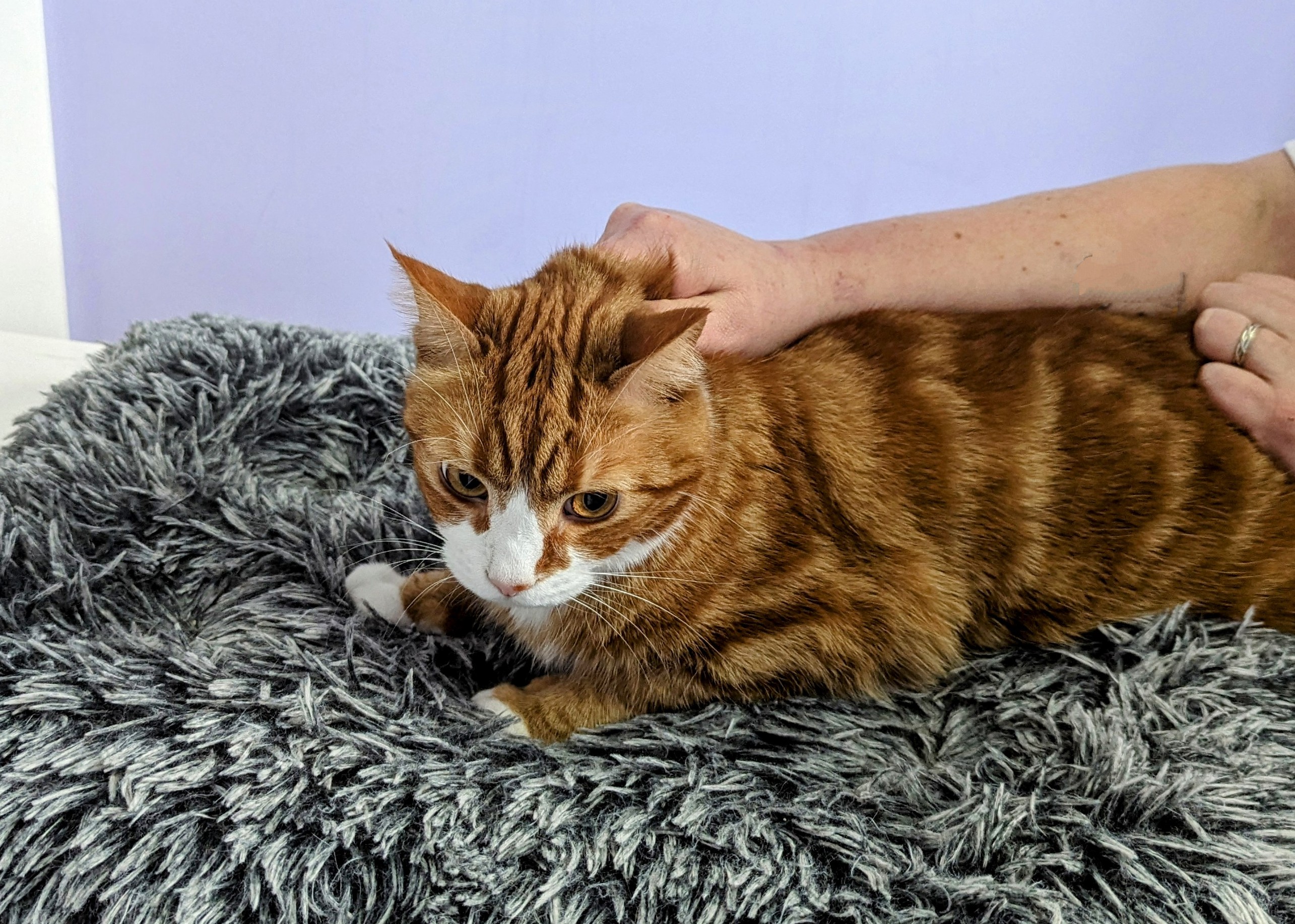
Cats generally don't like surprises, and you’ll need to spend a bit of time interacting with your kitten before even trying to pick them up. Cats listen to us when we talk to them, but they usually simply ignore us. Let your kitten know you're there, and give them a few loving pets if they come out to greet you.
2. Take a Seat
Sit down and get comfortable after you've spent a few minutes saying hello to your kitten. It's often best to pick up kittens while sitting on the floor so they don't have far to fall if they start struggling and manage to get loose. Cats and kittens often feel more comfortable interacting with people who aren't towering above them.
3. Scoop Them Up

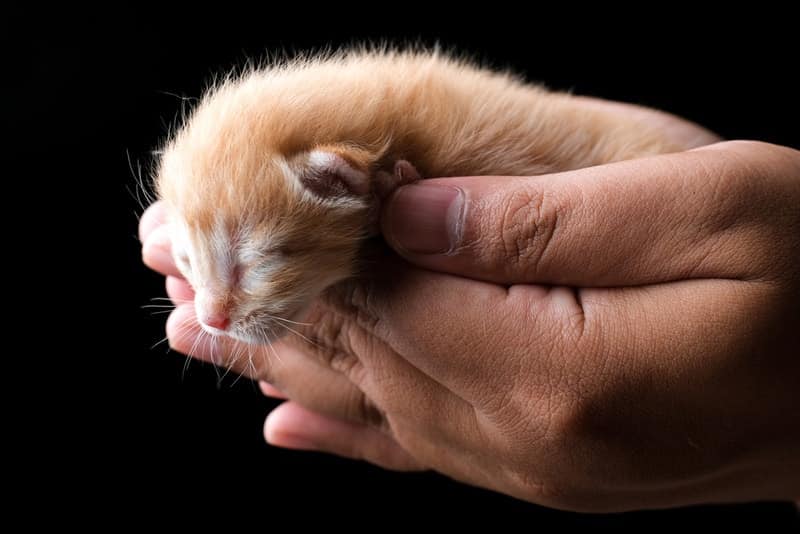
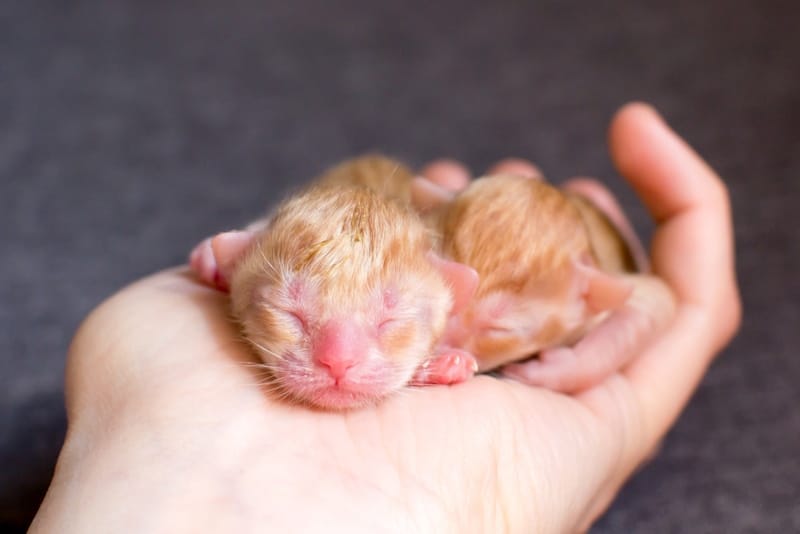
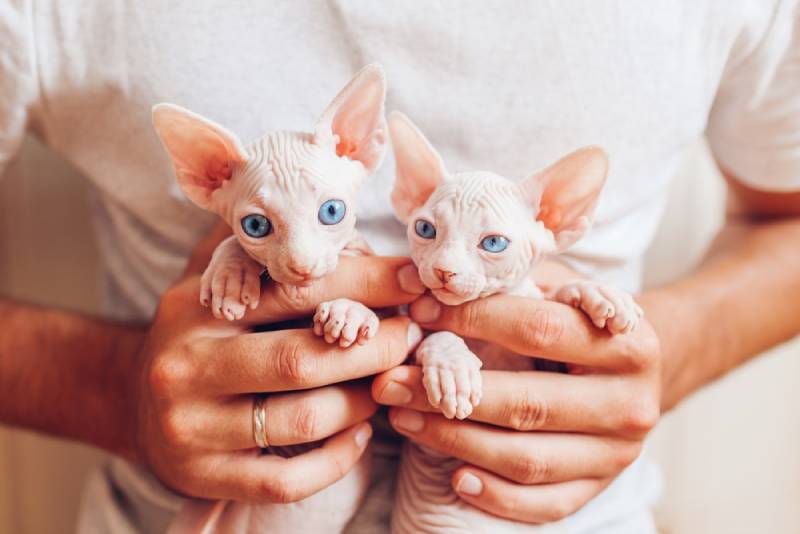
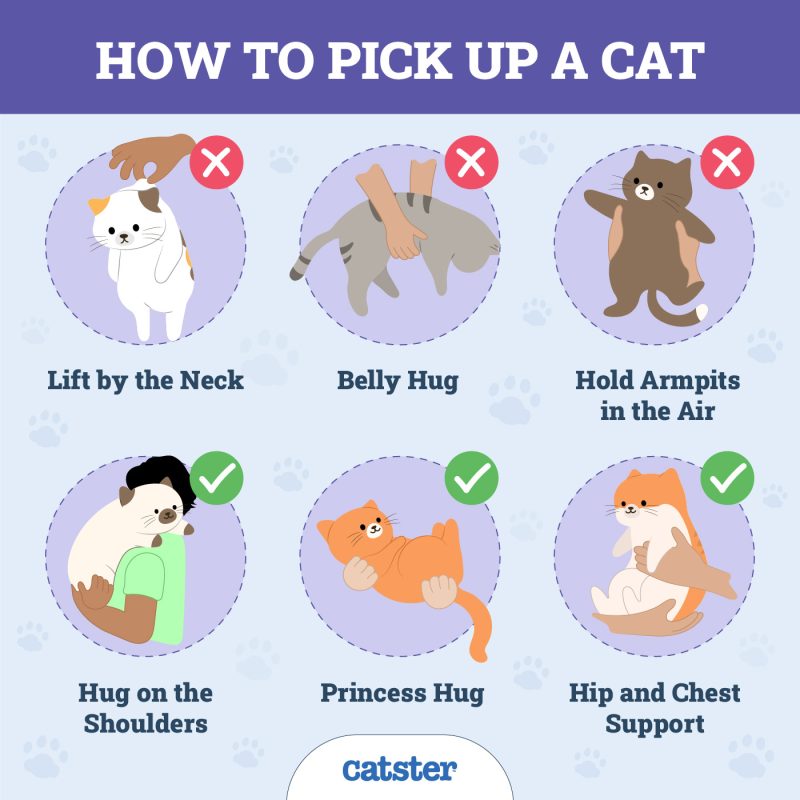
Particularly small cats can be picked up by sliding your hand underneath them with your palm facing up and fingers extended forward. Larger kittens require a two-handed technique. Use one hand to hold your kitten from the side right in front of their legs. Support your kitten's bottom and back legs with the other hand and lift.
4. Support Them
Bring your kitten to your chest after you pick them up to give them a sense of security. Don't be concerned if your kitten starts squirming and trying to escape, as long as they do not show signs of stress, such as crying or intense struggling. Some kittens have less interest in interacting with humans, and others need more time to adjust to being handled.
5. Be Flexible
If your kitten refuses to cooperate with your attempts to pick them up or allows you to handle them but quickly loses interest, consider changing your approach. Make the entire experience as pleasant as possible for your cat. Something tasty can often move things in the right direction when getting kittens to associate being picked up with positive things. Try holding your pet a few ways after picking them up to see if they have a favorite position.
6. Keep an Eye on Kids
Kittens can be easily injured if not treated gently enough. Their growing bodies are particularly vulnerable and must be handled with extreme care. Ensure any kids who come into contact with your buddy understand how to interact with and pick up kittens. Children should always be supervised around kittens to prevent incidents and keep everyone safe and happy.
7. Be Clear on What to Avoid
Kittens should never be picked up by the tail or legs; doing so can cause injuries such as broken bones and dislocated joints. Grabbing kittens by the loose skin on the back of the neck, or scruffing, should also be avoided. Punishing kittens for squirming, scratching, or biting when attempting to get free never helps, and it often leads cats to associate being picked up with negative consequences.

Conclusion
Spending time playing with, picking up, and cuddling kittens is critical to socialization. It's how they become comfortable interacting with humans. Sitting on the floor can increase your kitten's comfort level and make it safer if they fall after being picked up. When the time is right, pick up your kitten and bring them to your chest; it keeps them safe and provides a sense of comfort. Kittens are often more interested in exploring than cuddling, so be prepared for wiggling and squirming.
Sources
Featured Image Credit: Mariia Boiko, Shutterstock

Expert cat care, straight to your inbox
Vet-reviewed advice, behavior tips, and the best of Catster. Free, and you can unsubscribe anytime.
By signing up, you agree to our Terms & Conditions and Privacy & Cookies Policy.
Lorre Luther is a writer who is firmly convinced that cats are smarter than humans. She left her law career in the United States and moved to the Netherlands to follow her dream of becoming a writer. Lorre currently lives in Rotterdam, she enjoys traveling and greatly appreciates the beauty of nature. Lorre has a spot for animals and admires the intelligence of cats.
Join the conversation
Ask a question, share your story, or send private feedback.