How to Make a Kitten Pacifier at Home: 2 Easy Options
In this article
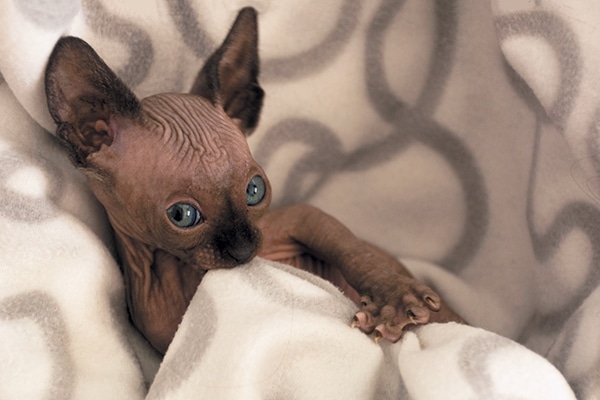
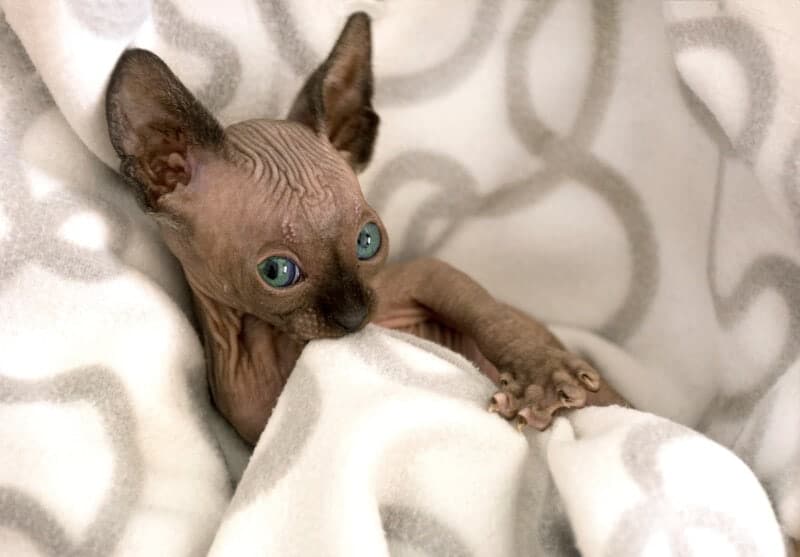
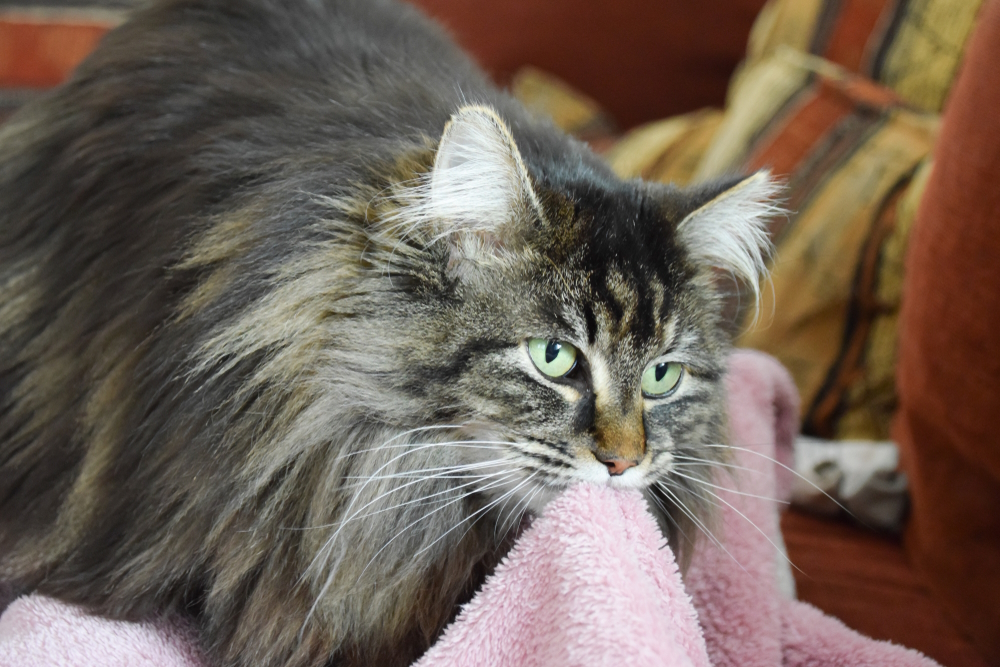
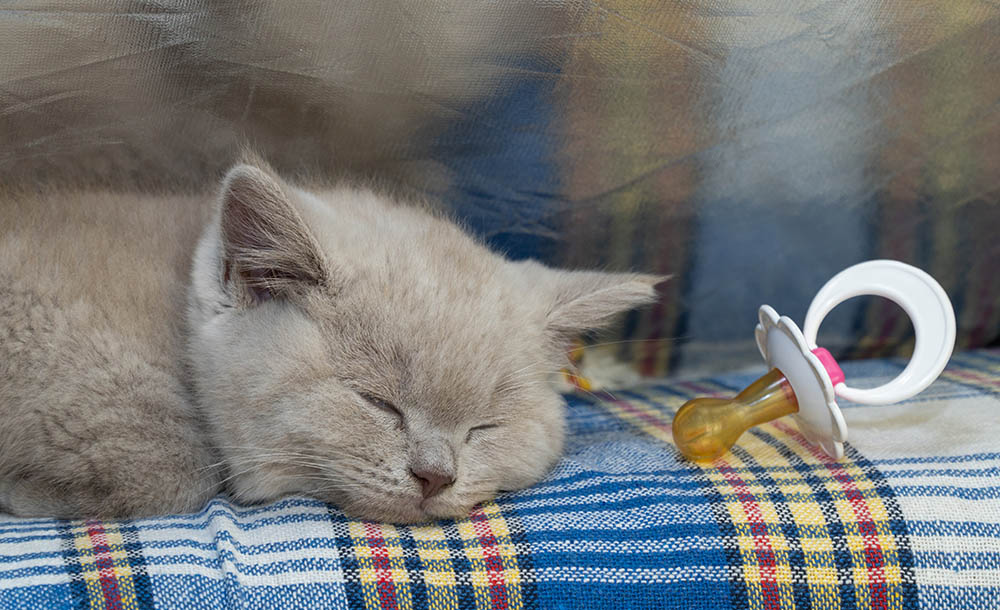
Kittens typically don’t need pacifiers. However, some cats may find it soothing, especially if they were separated from their mother too early. Significantly young cats may want to suck on the bottle long after it is empty, or they may suck on their bedding.
Either way, this isn’t optimal. No one wants to sit there and hold a bottle, nor do we want their bedding to become wet. There is also dirt and germs on their bedding, which we don’t need young kittens constantly sucking.
DIY kitten pacifiers are a solid option! You can easily make these yourself with basic materials. We outlined all the steps here.

What Kittens Need a Pacifier?
Just because you’re adopting a kitten doesn’t mean they’ll need a pacifier. Many kittens will do perfectly fine without one and may not even use one if it is available. In most typical adoption situations, you shouldn’t need to worry about the use of a pacifier.
However, there are a few situations when you’ll need a pacifier for your kitten:
- Very young kittens. Extremely young kittens should be with their mother. However, there are certain situations where this isn’t possible. The mother may have passed when the kitten was young, or an unethical breeder may have separated them to prompt the mother back into breeding. A pacifier may be helpful in these situations because kittens will have an innate need to suck. Suckling provides a sense of comfort, and kittens can become quite distressed if they can’t get this need met.
- Kittens in stressful situations. Sometimes, suckling can be helpful for kittens in stressful situations, even if they are older. For instance, sick felines are often stressed, and stress can make their recovery more complex. It can be in your best interest to lower their stress, which may involve using a pacifier.
- Teething cats. Teething is a big ordeal for kittens, just like it is for people. Kittens get their “milk teeth” when they are only 2 weeks old. However, their adult teeth will come in at around 10 weeks old. There isn’t much you can do for teething pain, so a pacifier may be an option to try. However, in this case, you will need to carefully choose the material and constantly monitor your kitten and the state of the pacifier to ensure that they don’t ingest the parts.
- Cats with weaning problems. Most kittens wean from their mother just fine. Typically, the mother does this herself, and humans rarely need to get involved. However, this isn’t always true. Sometimes, kittens may need extra help, especially if the mother doesn’t seem to want to push. In these cases, a pacifier may help with this process. Likely, an older kitten is simply sucking to suck, not necessarily for food. Therefore, a pacifier can replace their mother and help with weaning. Weaning off the pacifier can be done later and easier if the association with food has been interrupted.
How to Make a Kitten Pacifier
In all these situations, you may need to utilize a pacifier. Making one yourself is often more straightforward and easier than purchasing one from a commercial source.
Option One
1. Purchase a Baby Pacifier

Your first step is to purchase a regular baby pacifier. Choose the smallest size available for your kitten pacifier, as they are much smaller than most babies. There are many different options available, but ultimately, the one that you choose doesn’t matter too much.
That said, we recommend choosing a latex pacifier, as these are softer and more likely to be accepted by your kitten. Just check it often, as latex wears out faster. However, silicone soothers are also available and work equally as well for many kittens. We do not recommend plastic pacifiers. These are often harder and can harm your feline’s sensitive gums.
You can re-use pacifiers that have been used by human babies and other kittens. However, be sure that you sanitize it sufficiently. You want to remove any possible scents that may turn off your kitten from the soother. You don’t want it to smell like a baby, after all.
2. Choose a Familiar Object
Most kittens won’t utilize a baby pacifier if you give it to them. They won’t associate it with a calming object, and you can’t precisely place it in their mouth like you can a tiny baby. Therefore, it is paramount to choose an object that they already like.
We recommend bedding, a blanket, or another soft object, like a stuffed toy. If your kitten has already sucked on something, try using that. Plush, stuffed animals can also work, but only if your kitten is already familiar with the toy. You don’t want to be introducing something new alongside the pacifier. The point is to use something that your kitten already knows.
The item should be large enough for your kitten to snuggle up against like they would their mother. However, it should be small enough to transport readily. You don’t want to use a human-sized pillow as your cat’s pacifier. It would be far too big to carry around.
You may be able to cut up a blanket or pillowcase to make it the correct size.
3. Attach the Pacifier and Comfort Object
Next, you should attach the pacifier and the comfort object using a thick and strong string. The pacifier should be connected as closely as possible. You want it to seem like part of the comfort object that happens to be good to suck on!
Be sure to cut any extra cord that’s left over. It can be a strangulation hazard, and swallowed string can cause a dangerous intestinal blockage. The cord connecting the pacifier to the comfort object should also be tiny for this reason. You don’t want your kitten to get tangled up!
Option Two
1. Purchase a Kitten Bottle

If you have a very young kitten, the odds are that you already have a kitten feeding bottle lying around somewhere. You probably still use these bottles to feed your kitten, or you may have just weaned them off formula.
Either way, this method is most convenient for those who have younger kittens because they likely use a bottle and have a few extras lying around.
The first step is to find a bottle that you don’t need. After you use it to make a pacifier, you won’t be able to use it anymore. Therefore, it is best to pick an older one that you don’t need. Of course, these bottles typically aren’t expensive, so you could always purchase a new one.
2. Introduce the Empty Bottle
If you haven’t already, you should introduce the bottle to your feline. Preferably, you should use a kitten milk replacement that your kitten is already used to. If they are already weaned, you’re likely better off choosing method one, as this assumes that your kitten is currently using a bottle.
After your kitten has finished the meal, take the bottle and give it a good wash. Then, return it to your kitten. It will be empty, of course, but they will already know that they’re supposed to suck on it. Therefore, many will continue to suck on it for comfort purposes. This is precisely what you want.
Some kittens will continue to suck on the nipple by themselves, while others will need it propped up.
How Can I Make My Kitten Take a Pacifier?
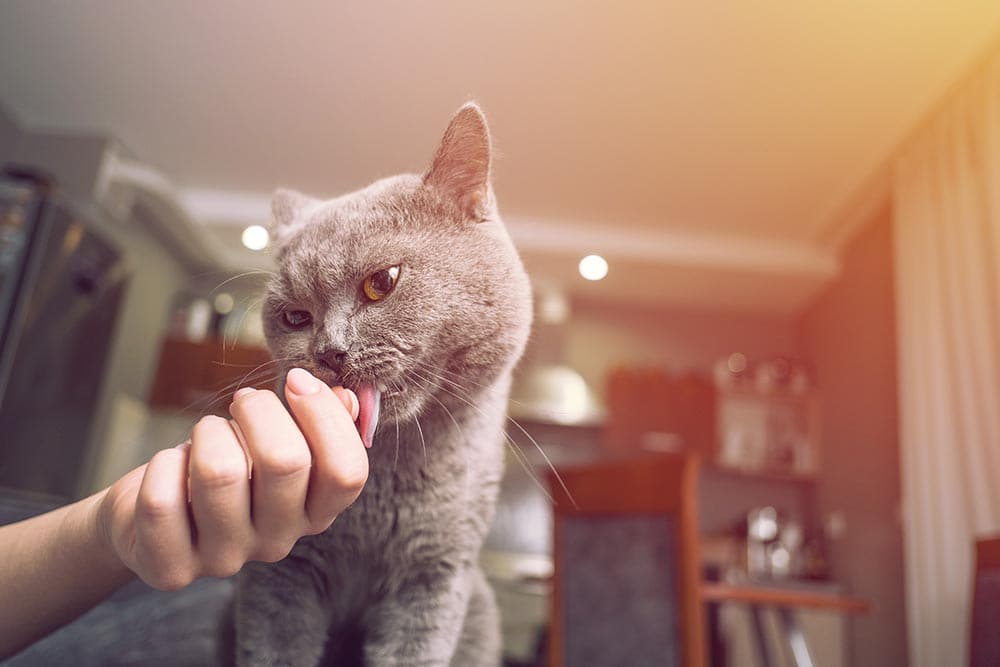
Even if you try both these methods seamlessly, there is a chance that your kitten will never accept a pacifier. There isn’t anything that you can do about this, as it’s something that they can only do for themselves. In fact, it’s actually good news if a kitten does not need a pacifier, as suckling for them is normally for feeding purposes. So, you should use a pacifier as a substitute only if your kitten is displaying suckling behaviors on your fingers or elsewhere.
Some kittens don’t like or need a pacifier. Just because your kitten was weaned early or is anxious doesn’t necessarily mean that a pacifier is required, and that is good news!
Final Thoughts
There are rare occasions when a kitten may need a pacifier, such as being weaned too early or unable to stay with their mother. Commercial pacifiers for kittens exist, but they can be hard to find. You can DIY a pacifier of your own, though.
In one method, take a baby pacifier and make it suitable for your kitten. In another method, you can reutilize a kitten bottle. If your kitten is taking bottles, the latter option probably makes the most sense. However, using baby pacifiers can often be easier because they are smaller and less expensive than kitten bottles.
Either way, making a pacifier is relatively straightforward, and it should only take you a few minutes to rig something up.
Related Reads:
Featured Image Credit: ToKa74, Shutterstock

Expert cat care, straight to your inbox
Vet-reviewed advice, behavior tips, and the best of Catster. Free, and you can unsubscribe anytime.
By signing up, you agree to our Terms & Conditions and Privacy & Cookies Policy.

Kristin is passionate about helping pet parents create a fulfilling life with their pets by informing them on the latest scientific research and helping them choose the best products for their pets. She currently resides in Tennessee with four dogs, three cats, two fish, and a lizard, though she has dreams of owning chickens one-day!
Join the conversation
Ask a question, share your story, or send private feedback.