How To Flea Bomb With Indoor Cats: 5 Vet-Approved Tips & Precautions


In this article
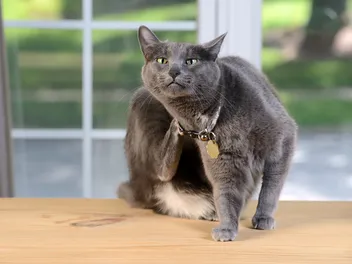
When fleas hitch a ride on your pet, your home can soon become an unwelcome place. An infestation can make you and your animal quite uncomfortable from the unrelenting pests, and the problem will only worsen without treatment. Using flea bombs can reduce the population, but the product’s effectiveness depends on the severity of the infestation and the size of your home. Unless you live in a one-room apartment, a single bomb is unlikely to solve your pest problem. Read on to find out how to flea bomb with indoor cats in a safe and effective way!

How To Flea Bomb With Indoor Cats: Before You Begin
Flea bombs may contain several chemicals to kill fleas, but the most effective products have pyriproxyfen or methoprene to kill adults and eggs. Although these chemicals are unsafe for cats, they will not affect your pet if you use the product correctly and thoroughly clean the residue after its use. Some brands claim to be pet safe, but you should still remove your cat and family before using a fogger.
The 5 Tips on How to Flea Bomb with Indoor Cats Safely
1. Treat the Cat for Fleas
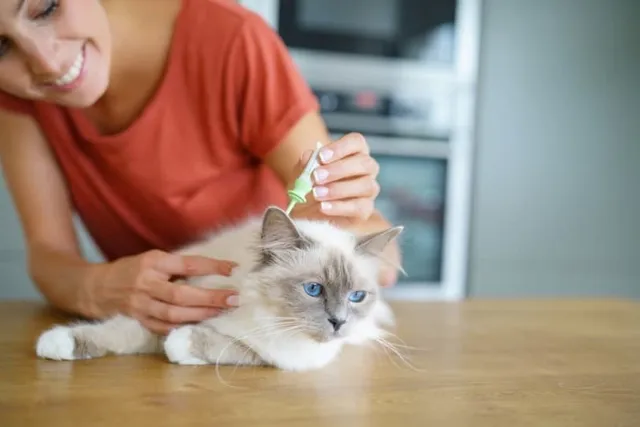
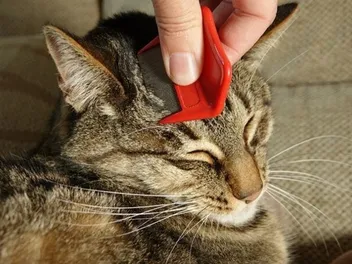
Before treating your home with flea bombs, apply a topical treatment to your cat to eliminate the fleas on its fur. Oral medicines are also available, but cats seem to have more problems ingesting them than dogs. You can order flea medication online, but it’s better to get a prescription from a vet to avoid any adverse effects and ensure an effective product. If your pet has a skin condition, your vet will know which brands you can use that will not irritate its skin.
Flea shampoos can temporarily kill fleas, but the active population in your home will soon make their way to your pet. If you cannot keep your cat at another residence while your house is bombed, you may have to keep it at a pet hotel, vet clinic, or kennel. Most hotels, even pet-friendly ones, do not allow cats in their rooms.
If you're unsure about the right method or medication for treating your cat, you should consult your vet, especially if your pet has an underlying health condition.
2. Vacuum Thoroughly
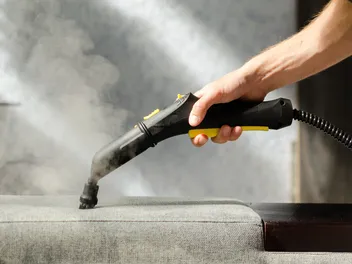
Your vacuum is one of the most effective tools for removing fleas, and you’ll need it to prepare your home for the bug bomb. Vacuuming removes fleas on the floor and awakens the hidden fleas so that the fogger can kill more pests. Concentrate on the areas where the fleas are most active, like the cat bed, furniture, and where your pet plays with toys. An adult flea can lay up to 1,000 eggs each week, so vacuuming will prepare your home for fogging, but it will not solve your flea problem.
3. Remove Cat Food, Toys, and Supplies
Although some online articles advise covering toys and supplies with plastic sheeting to protect them from the fogger’s chemicals, we suggest storing them in a closet or room away from the pesticide. If the bomb’s coverage includes the room with the litter box, it’s best to move it outside. All cat food and water bowls should be stored in the garage or cabinet. To minimize cleaning afterward, you can cover your appliances and furniture with plastic.

4. Set Bombs When the House Is Clear
After the kids and pets are safe in another residence, you can determine where to place the foggers. Foggers emit flammable material, and you have to ensure your gas is turned off and all pilot lights are off before beginning. Place the foggers where you’ve noticed the most activity, and wear a mask and gloves before setting the bombs. Exit your home as quickly as possible after activating the foggers. Some brands claim that you can enter your home after an hour, but it’s better to wait until the next day to return with your pets.
5. Ventilate and Clean
When you return, you’ll probably notice the potent scent of the chemical fogger. It may take a while for the smell to decrease, but you can open the windows and doors to quicken the process. Ceiling fans and air purifiers can also help reduce the odor. The fogger will leave a sticky residue all over your home, and you’ll need to vacuum to remove dead fleas and the residue. Any surface that was not covered before fogging must be scrubbed with warm, soapy water. If you bombed the cat bed, wash the cover in the machine and hand wash any section that cannot be removed.

Alternatives to Bombing
Thoroughly cleaning your home after using a fogger can keep your cat safe from toxic chemicals, but some cat owners are hesitant to use any poison in their homes. The safest, most effective way to treat an infestation is to contact a pest control expert.
Professional Pest Control
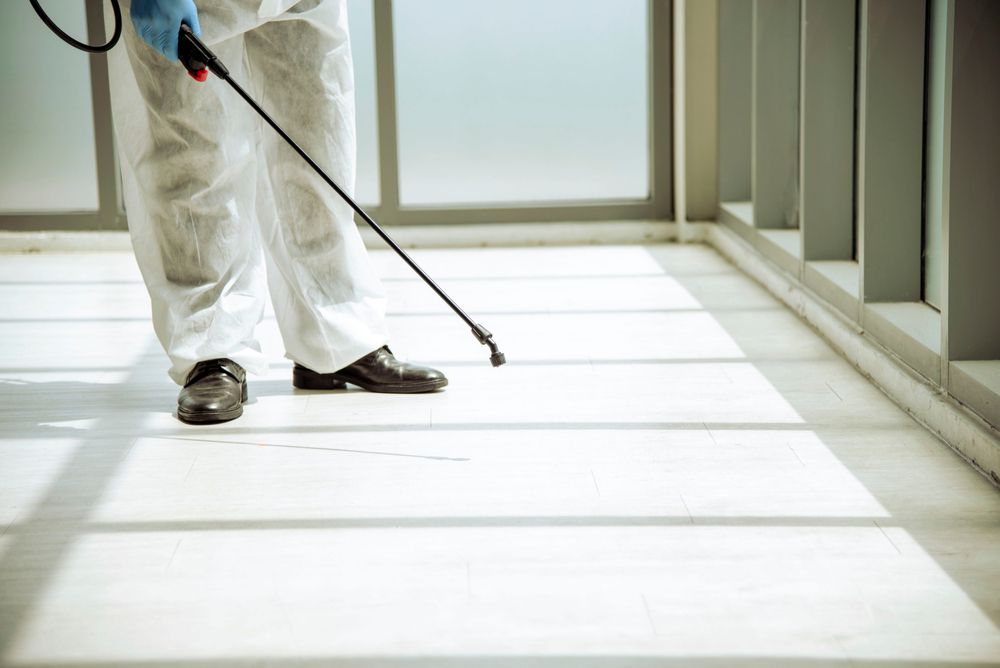
Since pet owners make up a sizable portion of their business, pest control companies offer pet-safe treatments that do not leave a sticky residue. The flea bombs only treat areas in their coverage zones, but pest control technicians can reach crevices, corners, and other hard-to-reach spaces that fleas occupy. The duration of the treatment depends on the size of the home, and most companies will return in a month to ensure they have eradicated all the eggs. Flea treatments are not cheap, but they’re more successful in eliminating flea infestations than foggers. Several DIY formulas for treating fleas are available online, but you may have to use several methods to eliminate fleas entirely. Vacuuming at least twice a day will help, but you can also use a homemade spray on furniture and flea lights to kill the pests at night. A homemade version of a flea light is simple and inexpensive to make. All you need is a shallow container like a pasta bowl, a floating candle, water, and dish soap. Add a tablespoon of soap to two cups of water and pour it into the container. Place the candle in the center of the container with the lights off. The fleas will jump towards the flickering light and drown in the soapy water. Keeping a candle burning all night is a fire hazard, and it’s safer to use the DIY attractant when you’re awake to supervise. Whichever methods you use, you’ll probably be cleaning, spraying, and vacuuming for several weeks until every flea and egg has perished.
Conclusion
Fleas can irritate your pet's skin and spread disease, but luckily, they’re not invulnerable to flea bombs. Using foggers can significantly reduce the flea population in your home, but you may have to repeat the treatment if the chemical does not kill the hidden larvae or eggs. Applying topical flea prevention to your cat’s coat every 30 days can reduce its chances of getting fleas, and it may help reduce the population in your home if the infestation is not severe. If your foggers and DIY treatments do not solve the problem, you can contact a professional to eliminate the pests. You may even need to consider treating your lawn as well.
Related Reads:
Featured Image Credit: Apichatn21, Shutterstock
Expert cat care, straight to your inbox
News, insights, and useful advice, delivered to you.

No spam — unsubscribe anytime.
By signing up, you agree to our Terms & Conditions and Privacy & Cookies Policy.
How useful was this post?
Click a star to rate. You can leave written feedback afterwards. (We read all feedback.)
Christian started writing for a local newspaper as a teenager, and he's been involved in the publishing industry for most of his adult life. Combining his love of writing with a passion for animals, he is currently the Director of Editorial at Pangolia and the Editor-in-Chief at Catster.
Christian lives in the Philippines with his wife, son, and four rescue cats: Trixie, Chloe, Sparky, and Chopper.