How Often Should You Clean Your Cat’s Ears? Vet Approved Facts & Step-by-Step Guide


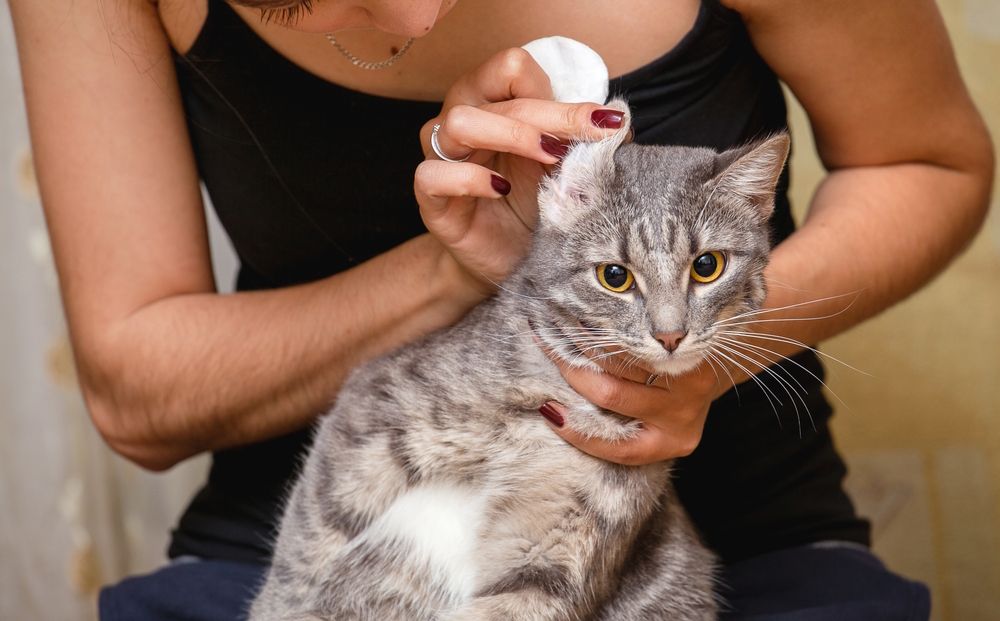
Cats normally spend about 50% of their waking hours licking themselves as a self-grooming technique.1 However, their ears are out of their reach. So, how often should you clean your cat’s ears? Well, there is no exact answer to this question. Some cats might never need their ears cleaned, while others are more prone to wax build-up or infections. The ears themselves dictate if and how often they need to be cleaned, inspecting your cat's ears frequently also means you will catch anything out of the ordinary sooner, if you do see something you are unsure of it’s best not to proceed before consulting a veterinarian.
With that being said, here’s a comprehensive guide on everything you need to know about cleaning your cat’s ears.

Are You Supposed to Check Your Cat’s Ears?
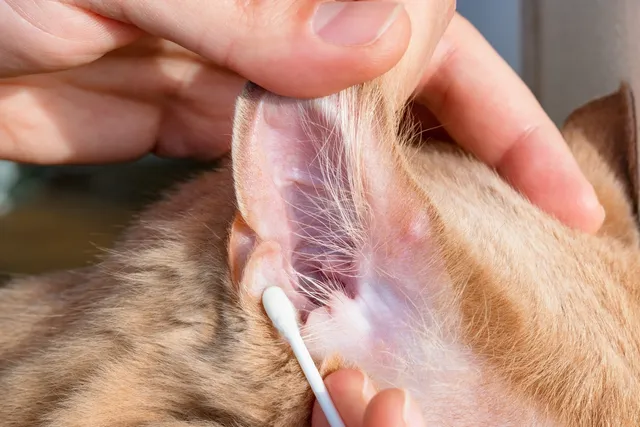
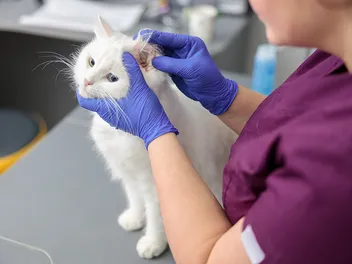
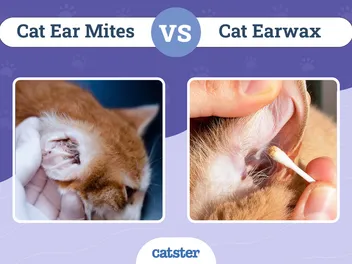
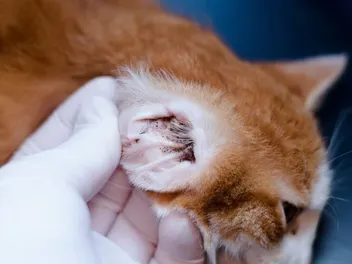
Absolutely! Checking your cat’s ears should be a part of your regular care routine. Similarly to human ears, wax can build up inside your cat’s ears, making it necessary for you to clean them once in a while. Cleaning is also an opportunity for you to inspect the ear for any issues. Cats’ ears are susceptible to bacterial and yeast infections, mites, injuries, and allergies. One of the major signs of these ear problems is excessive wax or thick debris buildup, as well as regular head shaking, scratching, inflammation, and odors.

How to Clean Your Cat’s Ears at Home
First, it’s vital to give your cat’s ears a quick check-up before you begin cleaning. If you notice anything out of the ordinary, like excessive wax buildup, swelling, or odor coming out of their ears, it’s best to consult your veterinarian. The veterinarian will need to examine your cat’s ears to rule out any medical issues and evaluate the integrity of the delicate internal ear structures.

- Gentle Care For All Pets - Infused with moisturizing hypoallergenic ingredients & enriched with cucumber & aloe fragrance for healthier fur, coat & skin, the ultimate dog and cat cleaning wipes
- Deep Cleans From Head to Tail - Tackle the toughest dirt & messes with our extra strong pet wipes for dogs, cats and other pets while being gentle on sensitive areas like the face, ears, butt & paws
- Freshness On The Go - Each dog grooming wipes pack contains 30 counts of premium dog wipes that leaves your pets fresh. Packed in resealable packaging, keeping the cat wipes fresh & ready whenever
Cleaning your cat's sensitive areas can be tricky, but high-quality wet wipes can make it much easier. Try a natural, hypoallergenic option like Hepper's Wash Wipes, made with moisturizing ingredients and specifically designed to gently clean your cat's skin and fur. These wipes are as convenient as they are effective!
At Catster, we’ve admired Hepper for many years and decided to take a controlling ownership interest so that we could benefit from the outstanding designs of this cool cat company!
With that being said, here’s how to clean your cat’s ears at home. You’ll need the following:
Can I Use a Q-Tip to Clean My Cat’s Ears?
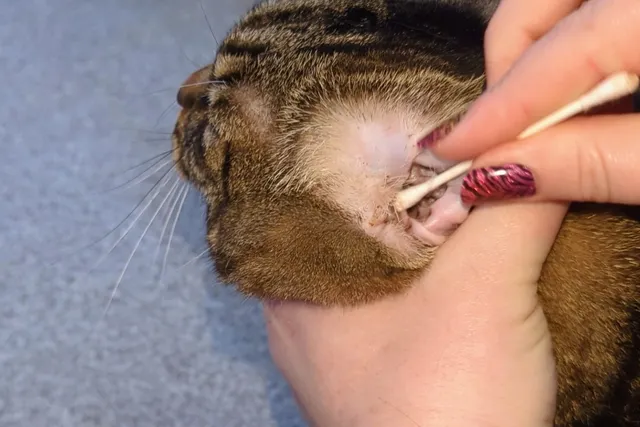
No. It’s recommended not to use Q-tips to clean your cat’s ears, as it will push the wax and debris further down its ears, which may cause more problems.

Step-By-Step Guide on How to Clean Your Cat’s Ears
Now that you have everything you need, here’s a step-by-step guide on cleaning your feline buddy’s ears.
1. Place Your Cat in a Comfortable Position
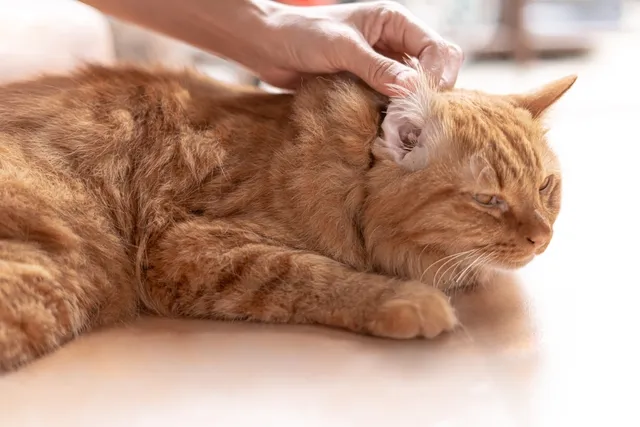
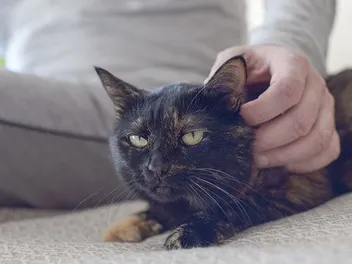
We cannot stress this enough. Keeping your cat in a comfortable position is vital when cleaning their ears. Not only does it make the entire process easier for you, but it also prevents you from hurting your cat. There are several ways to place your feline buddy in a comfortable position. One way is to wrap or swaddle them in a towel, keeping their limbs inside. You can also place them on your lap, then put the forearm of your non-dominant hand across their body. Then, use your non-dominant hand to cradle your cat’s head and your dominant hand to clean the ears.
Alternatively, you can get a partner to hold your cat down gently, especially if your feline friend is more active. Remember to be gentle with your cat, as you want to make this a comfortable experience for them.
2. Inspect Your Cat’s Ears

As we mentioned earlier, it’s important first to examine your feline companion’s ears before cleaning them. Pull their ear flaps back gently and check for any abnormalities. If you notice anything out of the ordinary, it’s best not to proceed before consulting your veterinarian.
3. Put in a Few Drops of the Cleaning Solution onto a Cotton Ball
While still pulling back your kitty’s ear flops, pour the cleaning solution onto a cotton ball. Squeeze the liquid from the cotton ball into your cat's ear canal. Then, gently massage the base of your cat’s ear to loosen up the wax buildup and other debris inside.
4. Allow Your Cat to Shake Their Head a Little Bit
Once you’ve massaged in the ear-cleaning solution, let go of your cat’s ear flap and allow them to shake their head a little bit.

5. Remove Any Debris or Excessive Cleaning Solution
Proceed to dab the entrance of the ears with the cotton ball, cotton make-up wipe, or tissue. Remove any debris or excessive solution. Do not stick the cotton ball deep into the ear canal, as you would be causing more harm than good.
6. Apply Any Prescription Drops
If the veterinarian prescribes ear drop medication, it should be applied after the ears are cleaned. Be careful when applying the medication to the ear canal. To avoid contamination of the medication and potential injuries, please make sure you avoid touching the cat’s ear to the bottle.

Final Thoughts
While cleaning your cat’s ears might be necessary, don’t overdo it. Remember, your kitty’s ears are quite sensitive, so it’s important to be gentle with them. Excessive cleaning is contraindicated as it can easily irritate your cat’s delicate ears. It’s also important to inspect your cat’s ears regularly. Making sure your cat has no signs of infection or other issues is an important part of your cat’s care. See Also:
Sources
Featured Image Credit: frantic00, Shutterstock
Expert cat care, straight to your inbox
News, insights, and useful advice, delivered to you.

No spam — unsubscribe anytime.
By signing up, you agree to our Terms & Conditions and Privacy & Cookies Policy.
How useful was this post?
Click a star to rate. You can leave written feedback afterwards. (We read all feedback.)
Oliver (Ollie) Jones - A zoologist and freelance writer living in South Australia with his partner Alex, their dog Pepper, and their cat Steve. Ollie, originally from the USA, holds his master's degree in wildlife biology and moved to Australia to pursue his career and passion but has found a new love for working online and writing about animals of all types.