How Long Does a Cat Take to Recover From Jaundice? Our Vet Answers

While a highlighter-yellow cat may sound like something out of a cartoon, the reality of a jaundiced cat is no laughing matter. If your feline is suffering from this serious condition, you may have many questions, including how long it will take them to recover. While the recovery period varies, depending on the specific disease process causing your cat’s jaundice, many jaundiced felines will face an extended recovery time of at least several weeks.
In addition to prognostic information, the following article will discuss jaundice in greater detail, including how it is identified, potential causes, and diagnostic and treatment options for affected cats—to shed light on this hazy condition.

What is Jaundice?
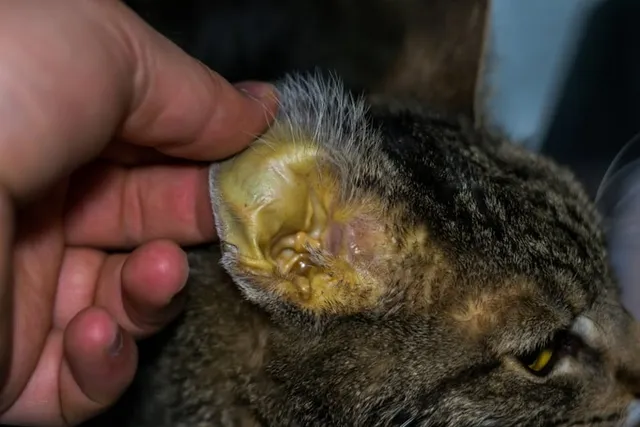
Jaundice, also known as icterus, refers to the yellow appearance of the skin, gums, and whites of the eyes due to an elevated level of bilirubin in the blood (hyperbilirubinemia). Bilirubin is a yellowish pigment produced during the breakdown of red blood cells (RBCs); this occurs as part of the normal life cycle of an RBC.
Bilirubin then passes through the liver and is eventually excreted from the body. It can become elevated in the blood, leading to jaundice, due to an excessive breakdown of RBCs, impaired processing of bilirubin in the liver, or processes that reduce normal bilirubin excretion.

What Are Symptoms Associated with Jaundice?
Jaundice is the clinical appearance associated with hyperbilirubinemia. While severe jaundice is easily identified, mild jaundice can be subtle and easily missed by the untrained eye. In addition to jaundice, cats with hyperbilirubinemia from various causes may experience the following signs:
- Lethargy or decreased energy level
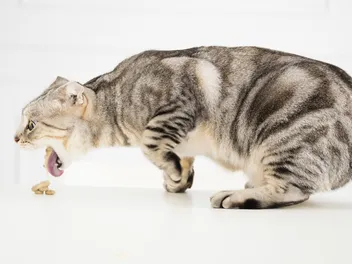
- Vomiting
- Diarrhea
- Decreased appetite
- Weight loss
- Abdominal pain
Causes of Jaundice in Cats
Potential causes of jaundice in felines can be broken down into pre-hepatic, hepatic, or post-hepatic conditions:
Pre-hepatic icterus is caused by the hemolysis, or breakdown of RBCs. Potential causes include the following:
Infectious diseases, including feline leukemia virus (FeLV), feline immunodeficiency virus (FIV), Mycoplasma haemofelis, and Cytauxzoon felis
Oxidative stress secondary to drugs or toxins, including Acetaminophen (Tylenol), garlic, and onions
Immune-mediated hemolytic anemia
Erythrocyte pyruvate kinase deficiency, an inherited disorder affecting RBCs
Hepatic icterus results from disease processes affecting the function of the liver. Conditions resulting in hepatic icterus may include:
Cholangitis (inflammation of the bile duct)
Hepatic lipidosis
Feline Infectious Peritonitis (FIP)
Hepatotoxicity, which may be secondary to medications such as acetaminophen, tetracyclines, or diazepam
Post-hepatic icterus occurs secondary to blockage or obstruction of the bile duct. This prevents the gallbladder from releasing bile (which contains bilirubin) into the intestines for eventual excretion from the body. Disease processes that contribute to post-hepatic icterus include:
Feline triaditis, a syndrome involving the concurrent conditions of pancreatitis, cholangitis, and inflammatory bowel disease
Liver flukes
Cholelithiasis (gallstones)
How Are the Causes of Jaundice Diagnosed
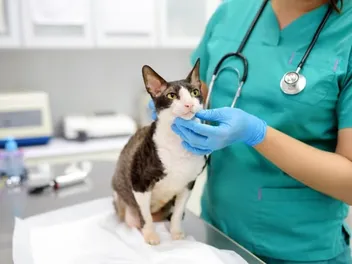
If you are concerned that your cat has jaundice, a prompt visit to the veterinarian is recommended. Your veterinarian will thoroughly examine your cat’s signs and any medications or supplements they have received at home. They will then perform a physical exam, taking special care to evaluate for abnormalities (such as an enlarged liver, pain, or a mass) noted on palpation of the abdomen.
If present, jaundice will be identified during this examination. However, it is important to remember that while jaundice may be easily diagnosed on a physical exam, identifying its underlying cause is essential and will likely require further testing.
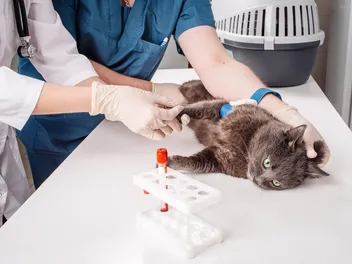
Diagnostic tests recommended for further evaluation of jaundice include a complete blood count (CBC), blood chemistry, urinalysis, and testing for FeLV and FIV. Blood work, most notably a CBC, may help determine whether the cause of a cat’s jaundice is pre-hepatic; those felines typically have anemia or low RBC count.
Based on initial testing results, additional diagnostics, such as an abdominal ultrasound, bile acids testing, or a liver biopsy, may also be recommended to differentiate between hepatic and post-hepatic causes of jaundice.
Treatment of Jaundice in Felines
Treatment for jaundice in cats will largely depend on the underlying disease process. Blood transfusion and immunosuppressive medication can be used to treat felines with pre-hepatic jaundice, for example, while treatments to support and protect the liver are often used for cases of hepatic jaundice.
Supportive care that may can benefit felines suffering from jaundice can also be initiated, including:
- Intravenous fluids
- Pain medication
- Anti-nausea medication
- Feeding assistance, including a feeding tube, if needed
Additionally, vitamin K—an essential vitamin needed for blood clotting— may also be considered for jaundiced cats. Excessive bleeding and clotting abnormalities may be noted in felines with liver disease due to decreased production, activation of clotting factors, and a decreased level of vitamin K secondary to an abnormal flow of bile.
Antibiotic medication may also be needed in cases of feline jaundice when an infection is suspected.
What Is the Prognosis for Jaundice?

The prognosis and recovery period for jaundice is variable and depends on the underlying medical condition causing hyperbilirubinemia. In felines with hepatic lipidosis, a common condition seen in indoor cats, hospitalization may be expected for 1–2 weeks with an overall recovery time of 6–12 weeks.
In cats with jaundice secondary to surgical obstruction of the bile duct, a poor prognosis is anticipated, and recovery may not be attainable. For many conditions causing jaundice, however, the prognosis and expected recovery period will vary based on the severity of the disease and the response to medical management.
How to Prevent Jaundice in Your Cat
Unfortunately, many causes of feline jaundice are not preventable. However, you can examine the following tips to keep your cat safe and minimize the risk of several conditions that can lead to jaundice:
- Ensure your cat’s vaccinations are up to date. FeLV is a condition that may lead to pre-hepatic hyperbilirubinemia. Vaccination for FeLV is recommended for all kittens less than 1 year of age and adult cats at high risk of exposure to FeLV-positive cats.
- Store human medication safely. Acetaminophen is a common over-the-counter medication that is present in many homes and can cause severe toxicity and jaundice if ingested by felines.
- Prevent access to human foods. Garlic and onions are members of the Allium family and are poisonous to cats and dogs. Consuming them can lead to RBC damage and subsequent hyperbilirubinemia.
Conclusion
Jaundice is a serious condition that requires an extended recovery period in affected felines. Although some precautions can be taken to keep your favorite feline healthy, jaundice can affect even the most well-cared-for cats.
If you are concerned that your cat has jaundice, a timely evaluation by your veterinarian is recommended to identify the underlying cause and initiate treatment quickly— hopefully to produce the best possible outcome for your furry friend.
Sources
Featured Image Credit: Sabar, Wikimedia, Creative Commons Attribution-Share Alike 3.0 Unported)

Expert cat care, straight to your inbox
Vet-reviewed advice, behavior tips, and the best of Catster. Free, and you can unsubscribe anytime.
By signing up, you agree to our Terms & Conditions and Privacy & Cookies Policy.
Dr. Leigh Wilder DVM (Veterinarian)
Leigh is a veterinarian with almost 10 years of experience in the US. She has loved animals since she was a child, and grew up caring for hamsters, guinea pigs, rats, fish, and dogs. Leigh received her Doctor of Veterinary Medicine degree from the University of Minnesota and has worked in both small animal clinical practice and shelter medicine since graduation. Leigh enjoys small animal preventative medicine and surgery and loves helping pet owners by sharing her knowledge. Outside of work Leigh enjoys spending time with her family, reading, and traveling.
Join the conversation
Ask a question, share your story, or send private feedback.