How Do Cats Like to Be Held? Facts & Safety Tips
In this article
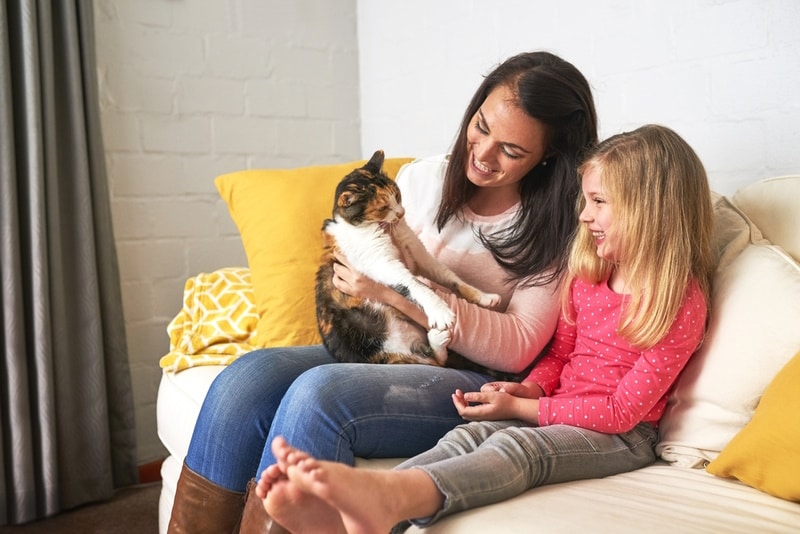
Owning a cat is a privilege that many of us acknowledge. Cats have unique quirks, fun little habits, and a sense of independence that draws people in. However, this independence can make having a relationship with your kitty a bit difficult. Some cats prefer to be loners and want to do everything on their own terms and only allow you to be part of the fun when they deem you worthy. Other cats simply can’t get enough of being with their owners, love snuggling, and prefer life as a pampered feline.
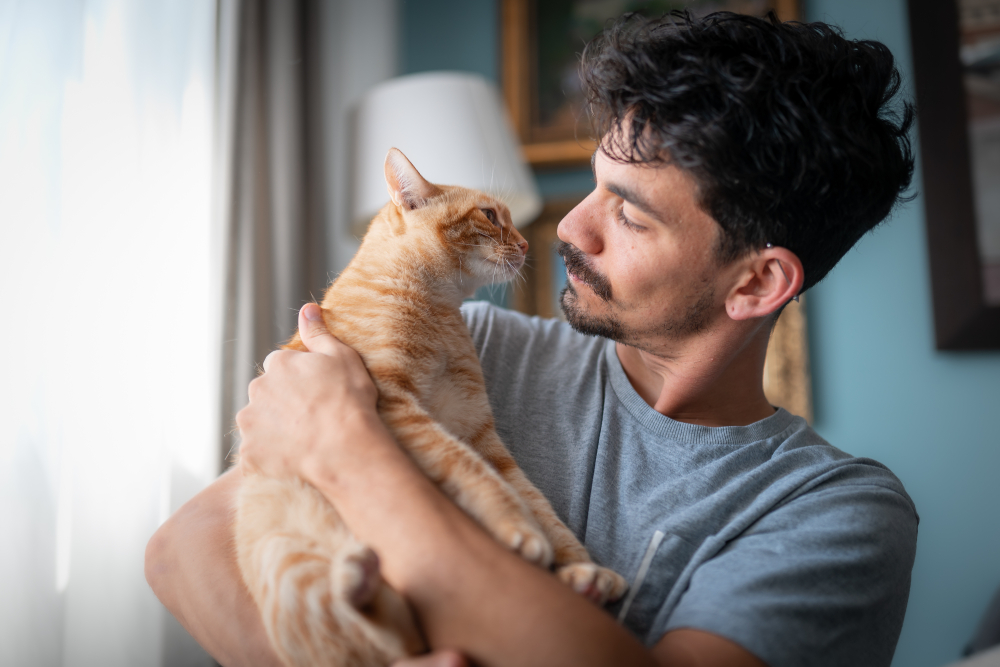
No matter where your cat falls on this spectrum, the chances are at some point, you’ll need to pick your kitty up at some point. Unfortunately, with cats, you want to do things right to avoid scratches or your kitty disappearing for a few hours. The best way to hold your cat is to use both hands (and arms, depending on their size). Support their bottom and back feet with one hand, and place your other hand along their chest. But there’s more involved that you should know if you want to be a responsible cat owner.
To help you navigate this tricky scenario, let’s learn more about how cats like to be picked up or held and other things that you should understand about this situation.

Understanding Your Cat
You understand your cat better than anyone. You may have a family member whose cat loves being carried around like a baby. Your own cat may not be as open to that possibility. Before you scoop up your kitty to carry them around the house, there are a few things you should understand first. Let’s take a look at those so you can better understand why some cats aren’t fans of being held.
Lack of Socialization
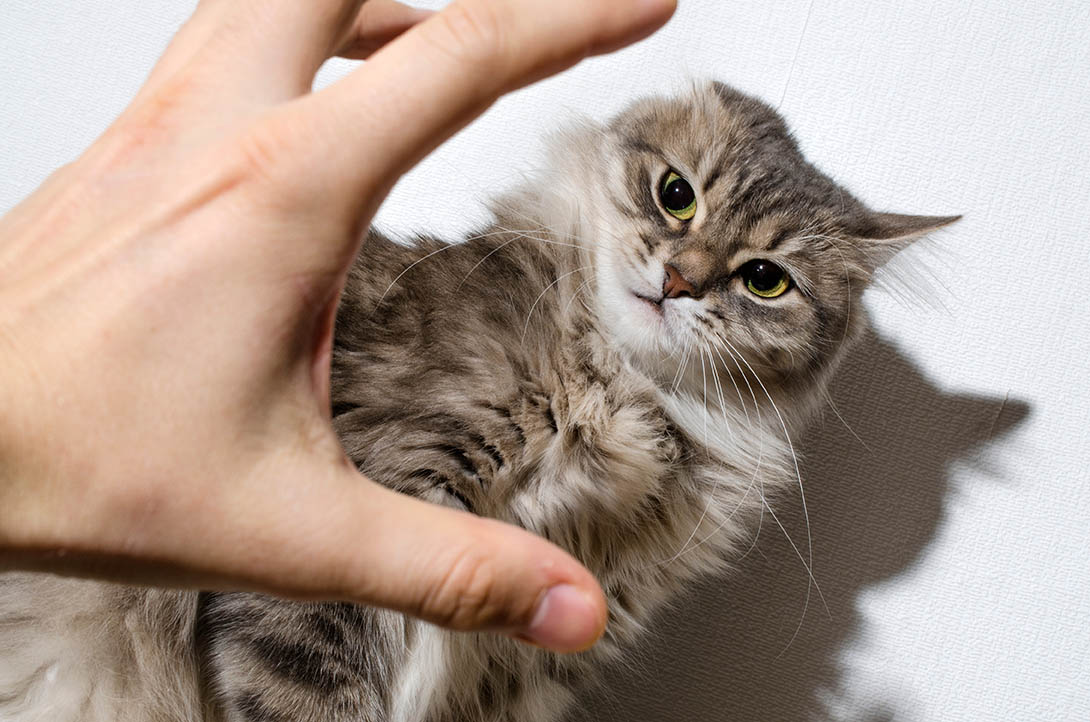
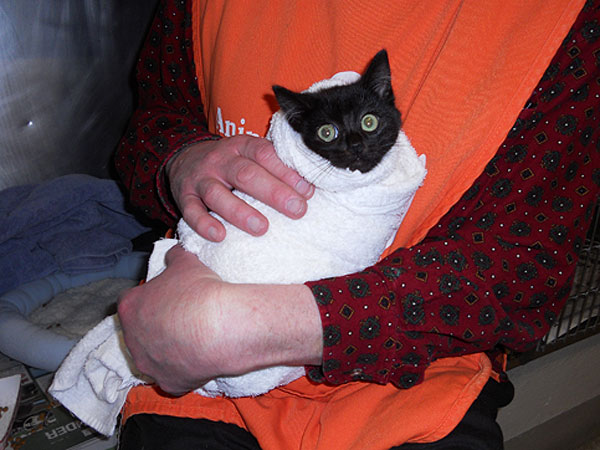
The kitten-sensitive period for socialization is between approximately 2 and 7 weeks of age. During this period, they should actively explore their surroundings and be exposed to new experiences, such as interactions with humans, other pets, loud noises, and different surroundings, to name a few things. If you’re the owner of a cat that wasn’t properly socialized, you already know that petting or holding them can be difficult. If your cat seems very nervous about the idea of being picked up, it’s best to avoid trying to hold them. This will save your cat from being put under unnecessary stress. Of course, trips to the vet for checkups or emergencies are situations where these things can’t be avoided. When this happens, knowing the proper procedures will make things easier.

Fear
Some cats, especially those you adopt when they are older, may be fearful of certain things. This can stem from a lack of socialization or even mistreatment throughout their lives. Never force your cat into a situation where they are scared. It can cause things to get worse over time. Instead, work slowly to gain your cat’s trust.

Where You Go Matters
If your cat seems okay with being held, great! Walking around the house with them in your arms could be another story, however. As we have already mentioned, cats might get anxious or fearful about things that they are not familiar with. If you walk close to a staircase or something in the house that frightens your kitty, they will react. The issue may not be that you’re holding them. It could very well be the area or objects around that are triggering your kitty.
Picking Your Cat Up

Potentially the most important thing to understand before you attempt to hold your cat is how to pick them up properly. If you simply yank your cat up off the ground, you could hurt them. This is especially true for large-breed cats. Once that happens, you may have trouble getting another chance to hold your feline friend. When you want to pick your cat up, stay relaxed. They’ll notice if you’re nervous. Crouch down to their level, offer a few pets or scratches, and then pick your kitty up by the rib cage while supporting their back legs. You must avoid picking your cat up by the stomach, as this can be uncomfortable for them.
Ways to Hold Your Cat Properly
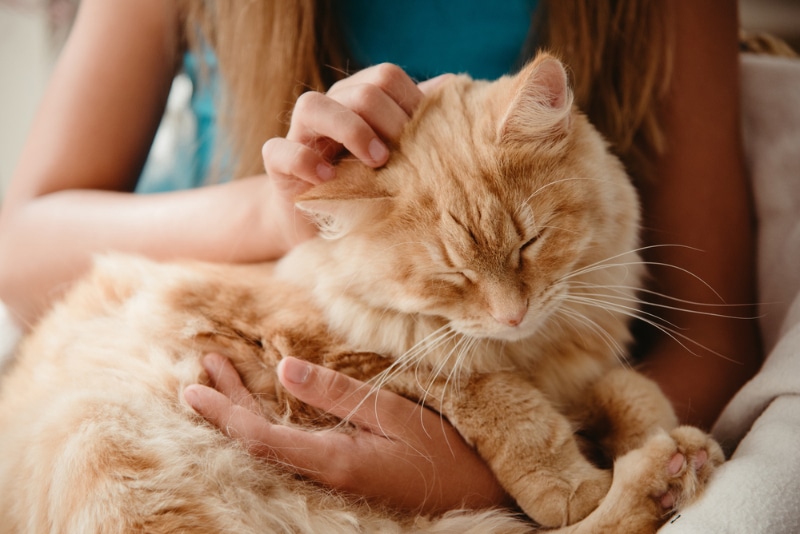
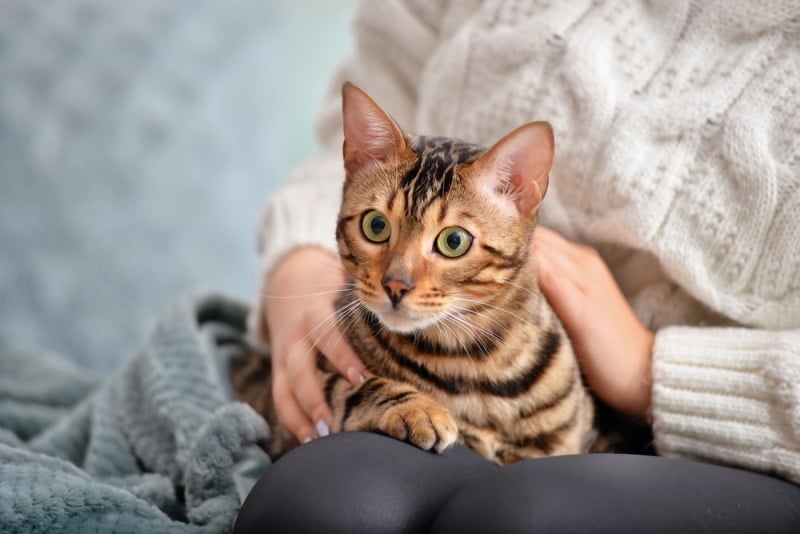
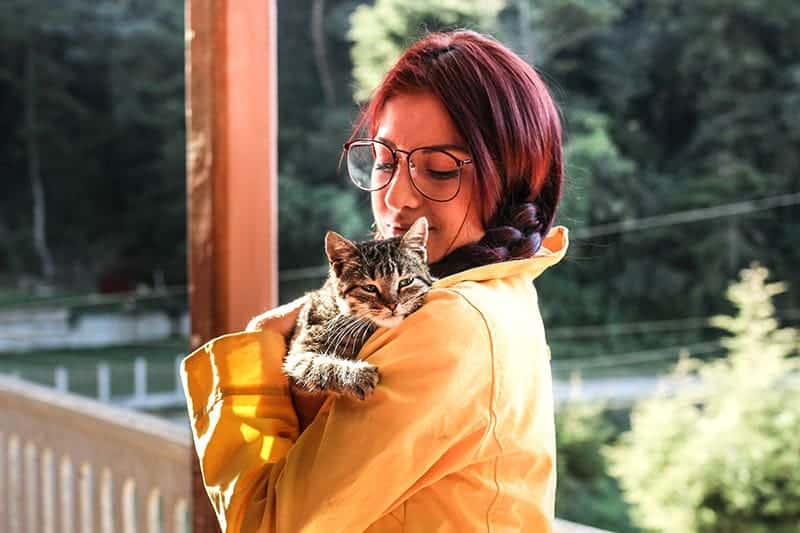
Once your cat is in your arms, allowing their front paws to rest on your hand and close to your chest while you support their bottom and back is the best way to hold them. This position allows your cat to feel close to you while offering them the security they need in every situation. When your cat feels comfortable in your arms, allow them to call the shots. Maybe your cat wants to sit turned away from you but still be supported underneath their backside to look around. If that is the case, allow it. Keep in mind that most cats aren’t fans of being carried around like a baby. If you try that position, your cat will most likely start trying to get away.
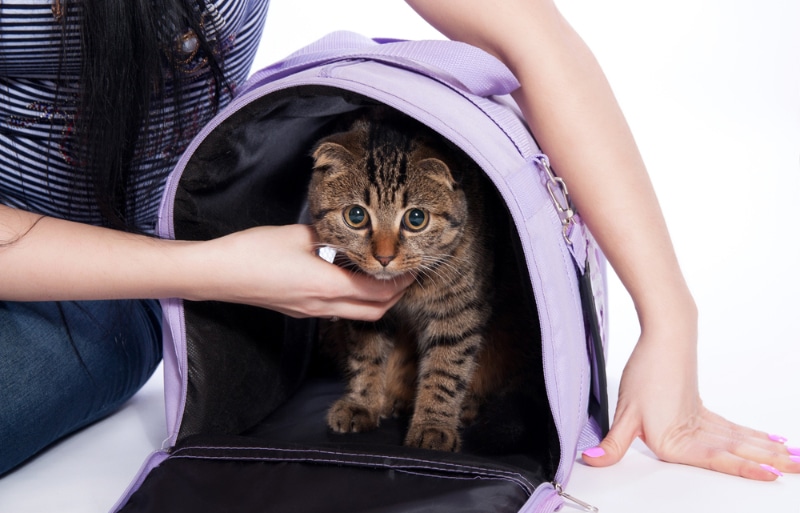
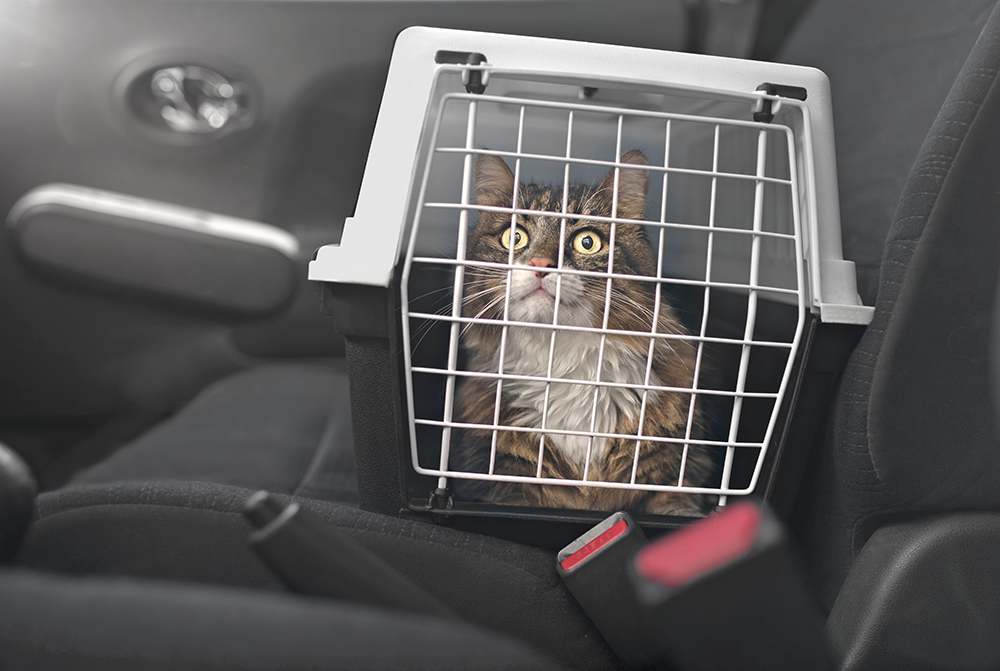
For cats that simply aren’t fans of being held, no matter how many times you’ve tried, but must be picked up for whatever reason, the “football carry” is an option. It seems a bit odd, but holding your cat’s rump in your hands and allowing their head to face down toward the ground is a method veterinarians often use. This enables them to control the cat’s head with their arm and keep them from moving around too much when they are frightened. This alternate way of holding your cat can help when you need to place them in the carrier for a trip to the vet.

Security and Gentleness Are Key
While your cat may like different ways of being held, two things that are important to remember are security and gentleness. Yes, when your cat is in your arms, they want to know they can trust you and are safe. This is why supporting their body weight on your arms is so important. If their feet dangle, your cat is only going to get nervous about falling. This isn’t good for them and will most likely turn out bad for you as well.
You want to hold your cat firmly, but you don’t want them to feel like they are being held hostage. When your cat is ready to get down, listen to them, but don’t let your kitty leap from your arms. Instead, lower yourself back to the ground, step over to the cat tree or even a piece of furniture in the house, and gently release your kitty. This will help make the experience a good one that they may not mind repeating.

Final Thoughts
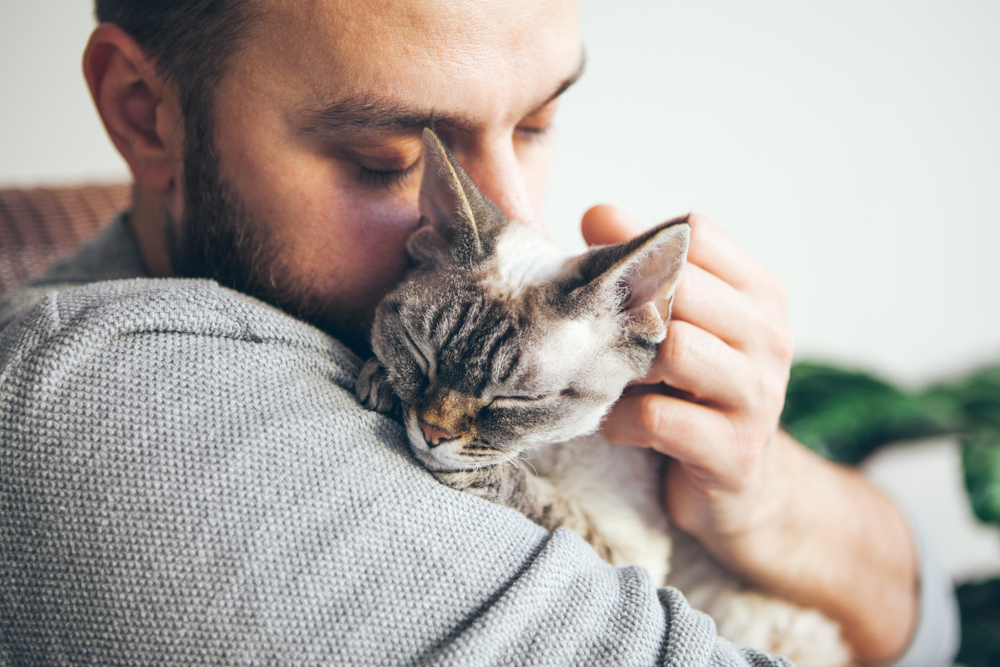
If you feel your cat is a candidate for a little cuddling, give holding them a try. Some kitties out there will love being held, carried, and feeling you close to them. Others will let you know that this isn’t for them. The key is to make your cat feel safe when you hold them. If you do this, your cat will reward you for a job well done by not using their claws to correct you.
Featured Image Credit: Jumpstory

Expert cat care, straight to your inbox
Vet-reviewed advice, behavior tips, and the best of Catster. Free, and you can unsubscribe anytime.
By signing up, you agree to our Terms & Conditions and Privacy & Cookies Policy.

A native of East Tennessee, Melissa is an avid animal lover who enjoys writing in her notebooks and playing outside with her many pets. Currently, she has two cats, Princess and Pepper, who are total opposites that demand constant attention. Her three dogs, Jazzy, Whitey, and Demon, are spunky troublemakers.
Melissa is also a dedicated wife and mother to two children. Beyond her career as a freelance cat writer, she's a published Indie author under the pen name Rena Marin!
Join the conversation
Ask a question, share your story, or send private feedback.