Does Heat Kill Fleas on Cats? Here's What Science Says

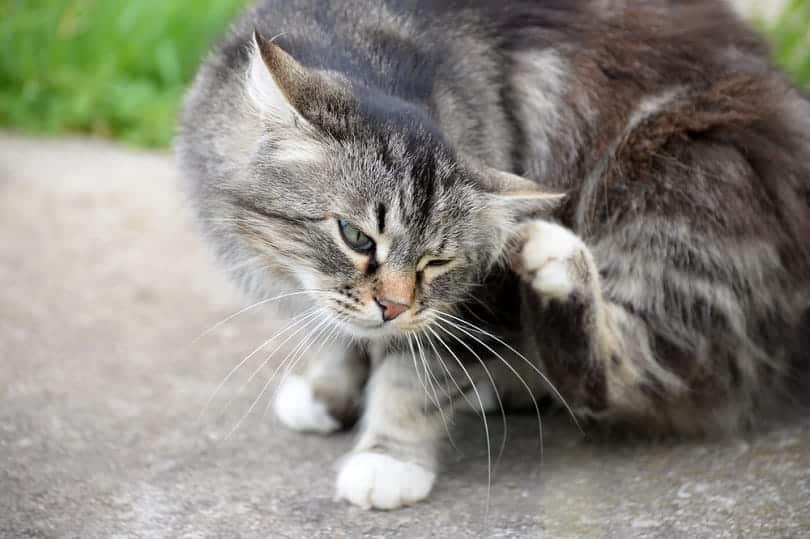
If your cat has fleas, they can be a nuisance and are incredibly difficult to get rid of without flea treatments. But these treatments can be expensive, so many pet owners are left wondering how to treat fleas on their own.
You may have heard that heat is one way to get rid of fleas, but is it true? Yes, heat can kill fleas, but it is not recommended to use heat to treat fleas on cats because it isn’t efficient in reality and is also dangerous for the cat. In this article, we’ll discuss the science behind heat treatments for fleas and how to use them safely and effectively, just not on your cat!

How Does Heat Kill Fleas?
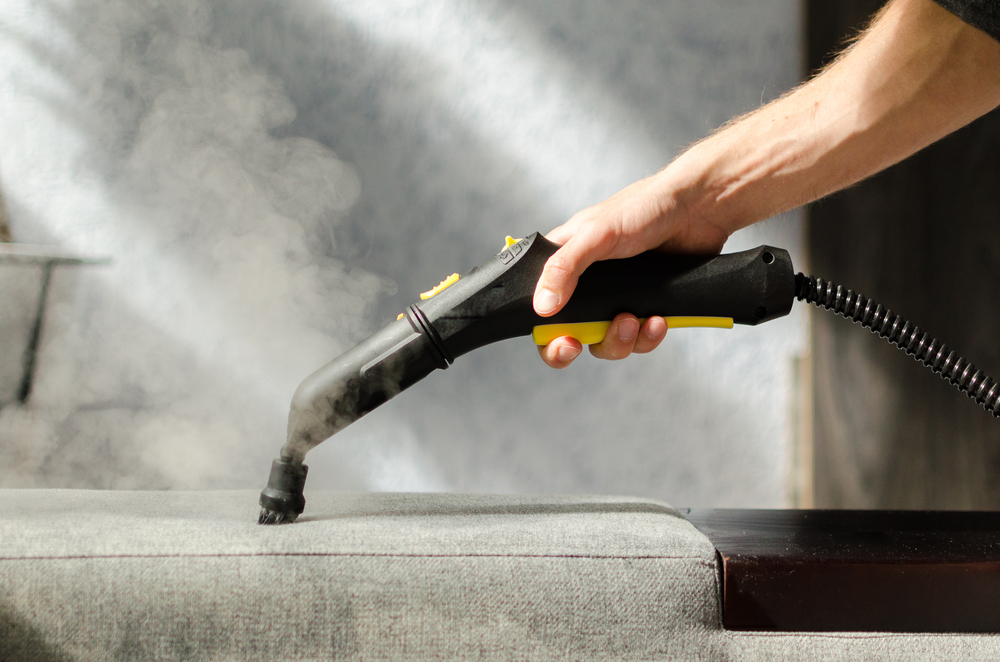
Heat is an effective weapon against fleas because it disrupts their life cycle. When the temperature of their environment rises above 95°F, fleas become unable to reproduce, lay eggs, or even survive. This is why heat treatments are so effective at eliminating infestations, but only on things such as clothing and furniture and not on your cat, because too much heat on your cat’s skin and fur can be dangerous.

What Are the Risks of Using Heat to Kill Fleas on Cats?
Using heat to kill fleas can be dangerous for cats, as temperatures over 104°F can cause burns and other serious health concerns. However, many pest control companies can use heat treatments to kill fleas in your home. But these treatments should never be used directly on your cat. It’s important to remember that heat treatments should only be used by experienced professionals in order to ensure the safety of your pet.
What Happens During a Heat Treatment?
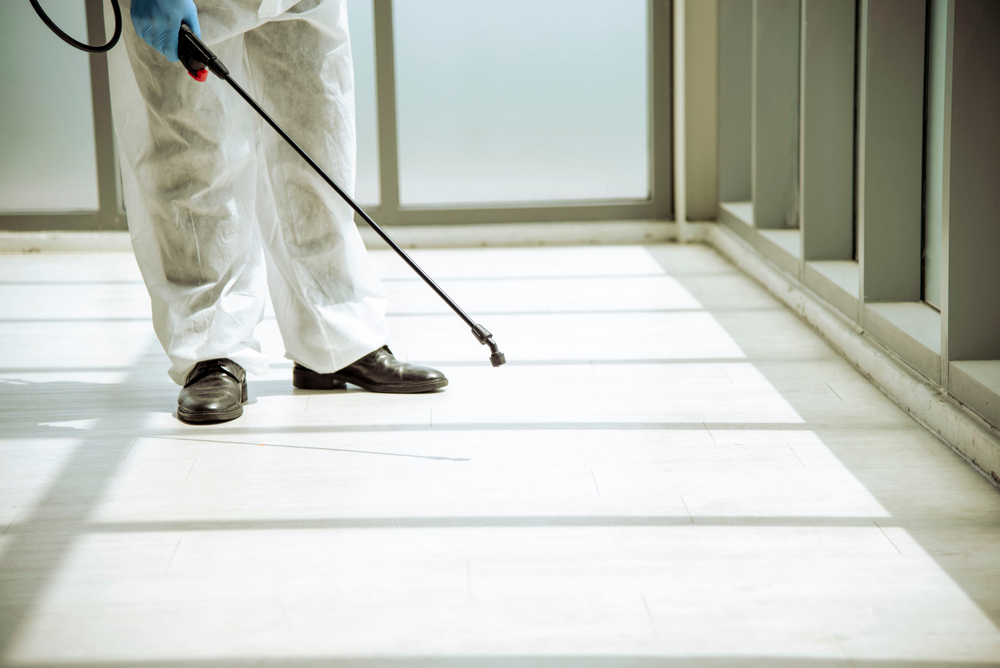
During a heat treatment, an experienced professional will use specialized equipment to raise the temperature of your home or environment to kill fleas at a safe yet effective level. This could include using heated blankets or mats, infrared lamps, or other techniques. They will monitor the temperature closely throughout the process and adjust as needed until all of the fleas are eradicated. Heat treatments are highly effective at eliminating fleas from your home. Studies have shown that heat treatments can eliminate over 95% of fleas in just one session, making them a powerful weapon against infestations.

How Do I Prepare My Home for Heat Treatment?
Before the heat treatment, it’s important to prepare your home. This includes removing all bedding and furniture, as well as vacuuming and dusting any remaining areas. You should also remove any items that could be damaged by the heat, such as fabrics or electronics.
Does Heat Treatment Damage Your Belongings?
Heat treatments may damage some fabrics and other materials. It’s important to discuss this with the professional before the treatment begins in order to make sure all of your belongings are safe.

What Can I Use to Treat Fleas on My Cat?
Heat is effective at killing fleas, but it should never be used on cats. Instead, topical or oral flea medications are the best option for eradicating fleas on your cat. Many flea treatments can be purchased over the counter and at pet stores. But, your vet can also prescribe flea medication that may be more effective at treating fleas than over the counter options.
It’s important to develop a routine that will help prevent future flea infestations. This could include regularly vacuuming and laundering your pet’s bedding, treating your pet with flea prevention medication, and applying insecticides in areas where fleas are likely to be found. Your veterinarian can help you determine the best schedule for treating your cat’s flea infestations.
Why Is It Important to Control Fleas?
Controlling fleas is important in order to protect your pet’s health. Fleas can cause skin irritation, allergic reactions, and even diseases such as tapeworms. By eliminating infestations early, you can help ensure the health of your cat.

Other FAQs About Flea Prevention and Control
What type of insecticides can I use in my home?
Depending on the severity of your infestation, your veterinarian or pest control specialist may recommend various products for inside and outside your home. Always follow the instructions on the label carefully and contact your veterinarian if you have any questions or concerns about the safety and effectiveness of a particular product.
Are there any natural flea repellents I can use?
Yes, there are several natural flea repellents available for purchase, such as rosemary, cedar oil and citrus-based products. As with any insecticide, it’s important to read the label carefully and follow the instructions exactly. Additionally, some natural flea repellents are not safe for cats, so it’s best to check with your veterinarian before using them around your pets.
What other steps can I take to keep fleas away?
In addition to treating your pet for fleas and using insecticides, there are several other steps you can take to reduce the risk of a flea infestation. These include keeping your lawn well-trimmed, regularly vacuuming carpets and furniture, washing bedding in hot water, and sealing cracks in the foundation of your home.

Is There Anything Else I Need to Know?
Yes, it’s important to note that fleas can quickly become resistant to treatments. Therefore, if you suspect a flea infestation in your home, be sure to act quickly and consult with your veterinarian for the best course of action. Additionally, regular cleaning and maintenance can help keep your pet and home flea-free all year long.
Finally, it’s important to remember that fleas can cause a variety of health issues for both cats and humans. If you suspect your pet has fleas, contact your veterinarian and follow their instructions. By taking the necessary precautions and following recommended treatments, you can keep your cat healthy and your home free of fleas.
Conclusion
Heat is an effective way to kill fleas in your home, but it must be done safely and by an experienced professional and should never be used directly on cats. If you’re looking for a way to get rid of fleas on your cat, oral and topical medications may be the answer instead. However, it’s important to remember that any treatments can be dangerous if not done correctly. Be sure to consult with a professional before doing any flea treatments on your cat.
Related Read
Sources
Featured Image Credit: Maja Marjanovic, Shutterstock

Expert cat care, straight to your inbox
Vet-reviewed advice, behavior tips, and the best of Catster. Free, and you can unsubscribe anytime.
By signing up, you agree to our Terms & Conditions and Privacy & Cookies Policy.
Christian started writing for a local newspaper as a teenager, and he's been involved in the publishing industry for most of his adult life. Combining his love of writing with a passion for animals, he is currently the Director of Editorial at Pangolia and the Editor-in-Chief at Catster.
Christian lives in the Philippines with his wife, son, and four rescue cats: Trixie, Chloe, Sparky, and Chopper.
Join the conversation
Ask a question, share your story, or send private feedback.