Cat Shock Collars: How They Work, Safety Advice & Alternatives (Vet-Reviewed)


In this article
Several products are available to train pets, but the shock collar is one of the most controversial. It's a device more commonly associated with training dogs and is used to train an animal to stop a specific behavior. Some swear by them, while others claim it’s a form of animal cruelty. You may wonder if cat shock collars are safe. Some owners use them, but no, they are not safe or acceptable for cat use. Let’s find out why.
Disclaimer:

Do Shock Collars Work for Cats?
Maybe your cat is getting on your nerves with undesirable behavior like incessant meowing, scratching up your furniture, or running away. You’d like to know if they make shock collars for cats. Some companies have developed shock collars for cats. Some pet parents who want to get their cats in line use shock collars made for small dogs on their cats.
However, just because something is out on the market doesn’t necessarily mean it’s safe or even legal! Electric shock collars for cats have been banned in Scotland, Germany, Austria, Switzerland, and some parts of Australia. While they are not illegal in America, some stores like Petco have stopped selling shock collars altogether.
This could be warning enough to steer clear of this method of training your cat, which causes pain and distress and negatively impacts their welfare. However, there are always two sides to an argument. Read on as we look at the facts regarding why cat shock collars are not safe for cats.


Cat Shock Collars
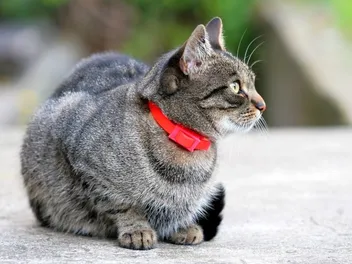
A shock collar is worn around an animal’s neck and delivers an electric shock to the pet. This shock is delivered in two ways: through a manned device or when an invisible barrier is crossed.
Remote Control Shock
This shock collar comes with a remote. When the pet owner decides the pet is not behaving as they should, they push a button on a remote to give a vibration, sound, or shock. The remote-controlled versions will usually give the warnings in that order, so the pet learns to stop the behavior before the shock comes.
Automatic Shock
There are two types of automatic shock collars: ones that go off when an invisible barrier is crossed and those that go off when a decibel limit is reached.
The invisible barrier collar is used to keep a pet within a certain area or out of a certain area. Invisible fences in yards keep pets from running away, and motion-detection shockers can also keep pets out of a certain room you don’t want them to enter.
The other type of automatic shock collar delivers the animal a shock when they make a loud noise like a bark or yowl.

How Do Cat Shock Collars Work?
Shock collars are used as a form of “positive punishment,” as some behaviorists call it. The collar has two prongs on the inside that touch your cat’s skin. Depending on the type of shock collar, a shock is activated through an electronic feature on the collar.
Some shock collars are specifically designed for cats. Most of the time, people put collars made for small dogs on their cats.

Are Shock Collars Safe for Cats?
The evidence is pretty strong that shock collars are not safe for cats. Most collars deliver a shock between 100 to 6,000 volts, and 300 volts of current feels like an unpleasant burn to a human; imagine what it feels like to your small cat.
Not only is it cruel to send pain to your cat through an electric shock, but the shock administered from a shock collar may cause stress and fear, worsen the undesirable behavior, lead to skin damage in case of extended wear and repeated exposure, as well as other side effects.
Shocks can also prevent a cat from defending themselves in emergencies. Perhaps they are in severe pain and are meowing loudly or are trying to get away from a predator, but a shock collar inflicts pain on them instead.
Additionally, manufacturers are not always transparent about how much shock their collars deliver or the intensity of their vibrations or beeps. So, you are at the will of the device regarding the intensity at which you are punishing your cat. You could be sending a stronger shock than you intend to or are aware of.

Should You Use a Shock Collar On a Cat?
Most vets and cat behaviorists agree that cat shock collars can be dangerous and ineffective in training a cat. We discussed why they are unsafe, but let's talk about how they don’t work for cat behavior training.
This Type of Positive Punishment is Ineffective for Cats
A shock collar is a form of “positive punishment” that cats do not react well to. The cat's brain does not respond as well to punishment to change their behavior. They don’t understand that pain means “no,” rather, they understand when a reward means “yes.” So, a more effective way to train your cat is to give them praise and treats to reinforce the good behavior.

Corrective Punishment Could Make Bad Behavior Worse
Cats are intelligent creatures and may associate you with the punishment they receive, leading to fear and avoidance. This, in turn, can cause frustration and stress and worsen undesirable or even lead to destructive behavior. If you inflict physical or emotional pain, they may feel cornered and threatened and could lash out if they see no way out. They are unlikely to make the connection between the punishment and whatever they did that you considered undesirable, most of which is absolutely natural feline behavior, and will probably repeat the behavior.
Not Many on The Market
Lastly, shock collars made for cats are luckily difficult to find and have become illegal and unacceptable in many countries and states.

More Humane Alternatives to Consider
While shock collars for cats are considered unsafe, ineffective, and harmful to the cat’s welfare and health, other options exist for training your cat. Remember that punishing your cat for bad behavior typically doesn’t work for most cats.
Preventative Measures
Cats display unusual behavior that we find irritating, but it's usually related to their instincts. Incessant yowling coming from an unspayed female cat is simply a part of the female cat cycle. Cats jump on your counter because of their instinct to feel safer by climbing high up. They scratch things to mark their territory and file their nails.
It’s possible to redirect these behaviors (or stop certain ones by either spaying or neutering your cat), but you cannot and shouldn’t try to prevent them from acting on their instincts. For cats who like to jump, get them a cat tree. For scratching cats, place scratching posts where they like to scratch. That way, your cat can be free to be a cat, and you can have your sanity back!

Positive Reinforcement and Redirection
The best way to try to change a cat’s behavior is by praising the desired behavior. While cats respond poorly to punishment, as we learned earlier, they usually are very responsive to rewards.
Employ this tactic by giving your feline a treat or a pet in their favorite spot when they display good behavior. This will encourage your cat to keep repeating the good act until it becomes a habit.
If your cat is scratching the furniture, provide them with plenty of fun and enticing scratch posts, and strategically place them in the spot next to the furniture. Reward your cat with praise and treats for using the scratch post.
Cat Sprays
A more humane way to “positively punish” your cat into good behavior is by startling them with a motion-detection spray. The spray activates when your cat enters a forbidden space or goes near a forbidden object. It harmlessly sprays compressed air to scare your cat away.
A more effective method is to try a cat pheromone spray. These sprays contain ingredients that calm cats down, which could reassure and soothe your cat and reduce undesirable behaviors.
In Conclusion
Cat shock collars are becoming banned in many countries due to welfare implications surrounding their use, with veterinary professionals, certified behaviorists, and animal rights activists declaring their cruelty, and large pet chains discontinuing the products. We’ve learned why: the shock delivered to a cat is harmful to their health and causes fear and pain. Shock collars for cats are unsafe and ineffective, so it’s best to try one of our other methods to change your cat’s behavior.
Featured Image Credit: Pixabay
Expert cat care, straight to your inbox
News, insights, and useful advice, delivered to you.

No spam — unsubscribe anytime.
By signing up, you agree to our Terms & Conditions and Privacy & Cookies Policy.
How useful was this post?
Click a star to rate. You can leave written feedback afterwards. (We read all feedback.)
Jordin Horn is a freelance writer who has covered many topics, including home improvement, gardening, pets, CBD, and parenting. Over the years, she has moved around so much that there's been no time to settle down and own a pet. However, as an animal lover, she dotes on and cuddles any pet she happens upon! She grew up with and dearly loved an American Eskimo Spitz named Maggie and a Pomeranian/Beagle mix named Gabby. She calls Colorado home, but has also recently resided in China, Iowa, and Puerto Rico
Jordin does not like to settle for the "easy answer" when it comes to living life with your pet. She loves to research the best methods and products out there and cut through the jargon so you can see plainly what something is or how something is done.