


In this article
View 2 More +With so many people having cat allergies, there’s a lot of talk about cat dander. However, many people aren’t really aware of what cat dander is. On top of that, some people assume that if their cat has flaky skin, it must be normal dander and not something abnormal, like dandruff.
To know if you have an issue that needs to be addressed, you need to understand the differences between your cat’s dander and dandruff. One of them is a totally normal skin cell shedding that you won’t even notice (unless you’re allergic!), and the other can indicate your cat needs to be seen by a vet. Read on to learn more about the differences.

Overview of Cat Dander:

What Is Dander?
Cat dander is a totally normal shedding of cells from your cat’s skin. These cells are shed as the skin “turns over,” pushing off old cells and bringing new, healthy cells to the surface. Cat dander does contain allergens, making it one of the most allergenic aspects of cats.
Felines use their saliva while grooming. Many people who are allergic to cats are allergic to a saliva protein carried away in their dander.
Are There Signs of Dander?
Unless you are allergic to cats, there are no signs of cat dander because it is of a microscopic size. For the cats, shedding dander is a normal biological process. A similar process happens with your skin. As your new skin cells push the old cells off, you aren’t visually noticing skin cells flaking off. If you are, it’s abnormal and should be addressed. The same goes for your cat! If you’re just dealing with dander, there won’t be visible skin or cells coming off of your cat. If you are seeing skin pieces flaking off, it needs to be investigated further, but it is not cat dander.

What to Do About It?
Nothing! Your cat having dander is perfectly normal and is not something you should attempt to alter. The exception to this is if you are allergic to your cat, in which case, there are some shampoos, foods, and other products that may decrease your cat’s secretion of the FEL-1 protein (the one you are allergic to) so less of it will be carried away in the dander, making them less allergenic to you. You will not be able to fully resolve your cat shedding dander, though, since it is a normal part of their body working to maintain the health of the skin and coat.
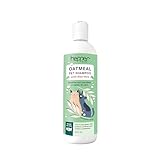
- Only Natural Pet Shampoo - Our vegan, plant-based formulation is made with safe and natural...
- No Soap - A cat and dog wash free from soaps, glutens, dyes, DEA, sulfates and phthalates means it's...
- Colloidal Oatmeal - Formula soothes and nourishes dry, irritated skin, providing itchy skin relief...
If your pet is prone to shedding, Hepper's Oatmeal Pet Shampoo can help reduce it. This gentle, natural formula is designed to help keep your pet's coat healthy and reduce shedding. Click here to order yours today
At Catster, we’ve admired Hepper for many years and decided to take a controlling ownership interest so that we could benefit from the outstanding designs of this cool cat company!- You may be interested in: How to Get Rid of Cat Dander: Vet-Approved Tips
Overview of Cat Dandruff:
What Is Dandruff?
Dandruff is the noticeable flaking of skin from your cat. It is caused by your cat’s skin being too oily or too dry, both of which can be caused by anything from dietary issues to serious medical concerns. Most cats with dandruff don’t have severe dandruff, though, and it is usually relatively easy to address.

What Are the Signs of Dandruff?
If your cat has dandruff, you will be able to spot flakes of skin coming off. Usually, these flakes will come off even when your cat is not being petted. If you pull your cat’s fur back, you should be able to see flakiness on and around the skin. Sometimes, you will see scaly, oily patches, and other times, you may just see diffuse dry skin with flakiness.
It’s not uncommon for cats that are overweight, elderly, or too sick to groom themselves to develop dandruff. These cats groom too little, stop grooming altogether, or can’t reach their whole body to groom normally. This enables skin cells to build up and the skin to become oily and unhealthy, leading to flakiness and dandruff.
What to Do About It?
How to care for your cat’s dandruff will be dependent on what’s causing it. Cats that are not properly grooming themselves may need regular brushing, and some even need baths with special shampoos that support the health of the skin. Some cats will benefit from omega fatty acids added to their diet.
There are skin infections and parasites that can lead to dandruff, so it’s important to talk to a vet if your cat develops dandruff, especially if your pet does not have a history of skin and coat issues. They will be able to help you narrow down the cause of your cat’s dandruff and help you get your pet on a treatment plan.
If you need to speak with a vet but can't get to one, head over to PangoVet. It's an online service where you can talk to a vet online and get the advice you need for your pet — all at an affordable price!


Other Factors to Consider
Consider your cat’s overall health and appearance when determining if you’re dealing with dander or dandruff. A small area of flaky skin is likely going to require a different type of treatment than your cat having diffuse flakiness all over their skin. If your cat has no flakiness but seems itchy or like they have discomfort on their skin, then you should check for causes, anything from fleas and irritation to topical medications.
There doesn’t have to be visible flakiness and irritation in the skin to indicate that there is a problem, however. If your cat is constantly scratching or their coat looks dull, it’s best to have them checked.

| Dander | Dandruff |
| Microscopic cells | Visible skin flakes |
| Normal physiological process | Indicates skin problem |
| Highly allergenic to people with cat allergies | Potentially allergenic to people with cat allergies |
| No treatment necessary | Requires treatment to fix |

Conclusion
Cat dander is a normal process of your cat’s skin caring for itself. However, dandruff is abnormal and indicates that your cat is experiencing some kind of irritation, infection, or loss of the natural balance in their skin’s health. If you see visible skin flakes, then you should have your cat seen by a vet to determine what the issue is. The sooner you identify some issues, the easier they will be to fix.
Featured Image Credit: (L) Rattana Anukun, Shutterstock | (B) Lemalisa, Shutterstock







