Can Cats Sense Tornadoes? Vet-Reviewed Facts & Safety Tips


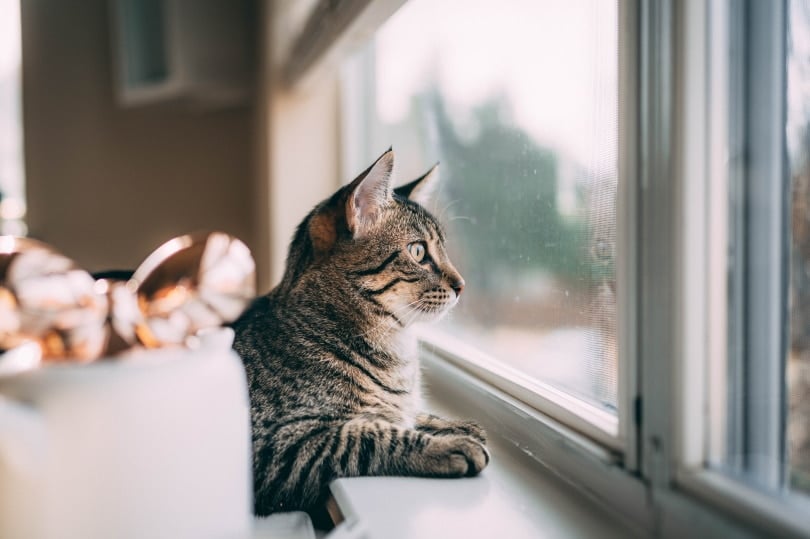
Tornadoes are a very dangerous weather system that can cause significant damage to homes, cars, property, wildlife, and anything else in their path. While tornadoes can form suddenly and cause a lot of damage in very little time, we humans typically have some sort of forewarning from our meteorologists that the weather system moving in could be prime for tornado formation.
While we have the luxury of modern-day weather technology, cats and other animals have been known to behave unusually before a strong storm hits. We know they aren’t taking what’s being said on the weather channel, so is it possible that our feline friends and other species could sense tornadoes?
It is thought that like other animals, a cat’s inner ear structures may be able to detect changes in atmospheric pressure, which happens when storm systems move in. While they may not know what a tornado is, they likely do sense the changes that occur when the weather is about to change. Likewise, they may be able to perceive a change in the weather through their sense of smell.

Animals and Weather Prediction
For centuries, humans have turned to the animal kingdom to help with the forecast. Animals are highly sensitive to the world around them in ways that humans can only imagine. From storm systems to cold fronts, most farmers will tell you that their animals will behave in certain ways when there is a weather change coming.
Whether it’s a wild animal, livestock, or a house pet, they are all seemingly very connected to mother nature. Even our domesticated animal friends have many of their instincts from their wild ancestors still intact. These animals are adapted to living fully outdoors and must rely on their senses for survival, which is why they are so in tune with the environment.

Common Behaviors Observed in Animals Due to Weather Changes
Possible Behaviors Observed In Animals Due to Changing Weather
How Will My Cat Act If They Sense a Tornado?
Cats are known for behaving unusually before storms, but what is unusual for one cat may not be unusual for another. The shifts in atmospheric pressure may be picked up through their sense of hearing or smell and how they react to it may vary.
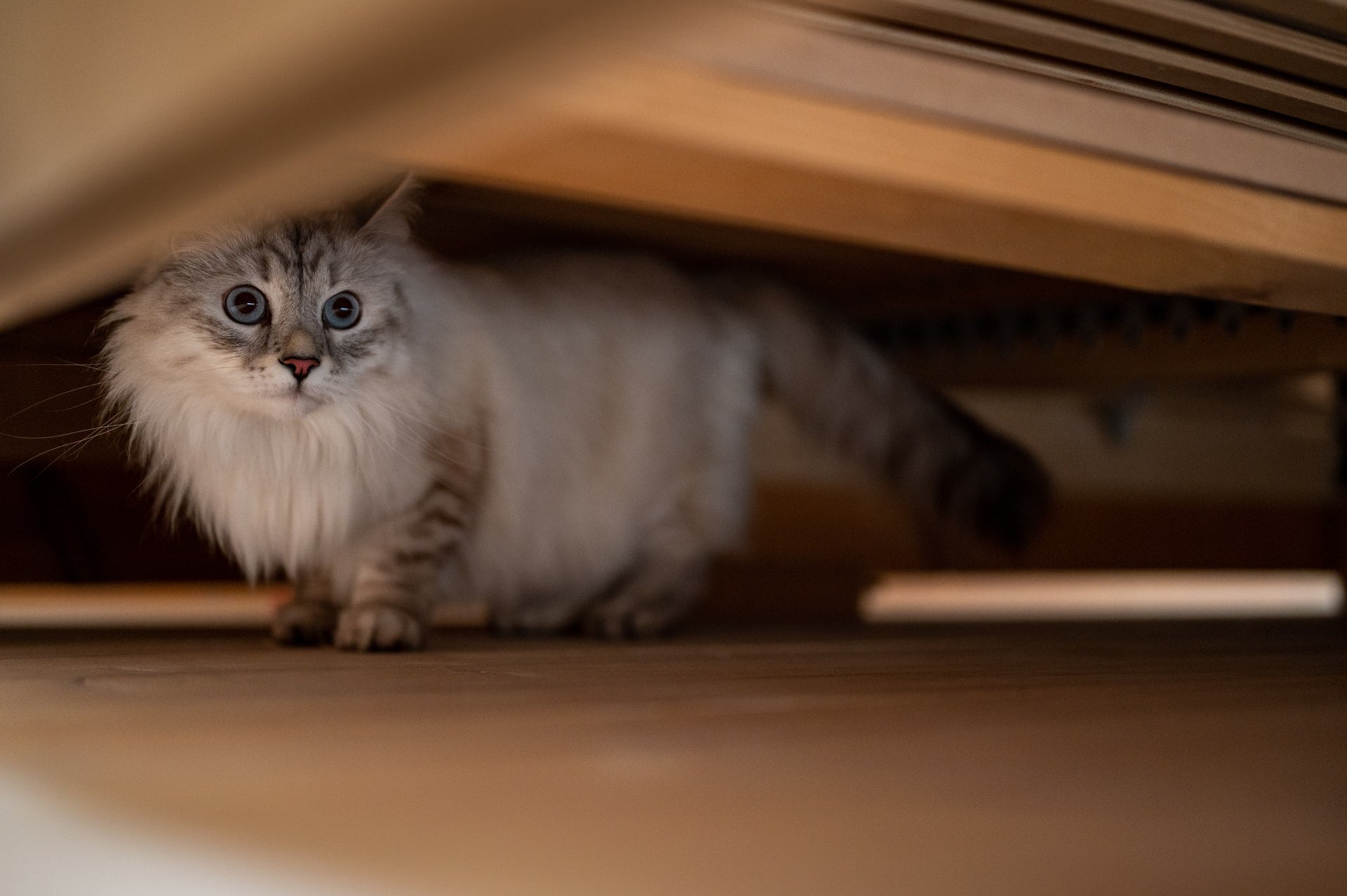
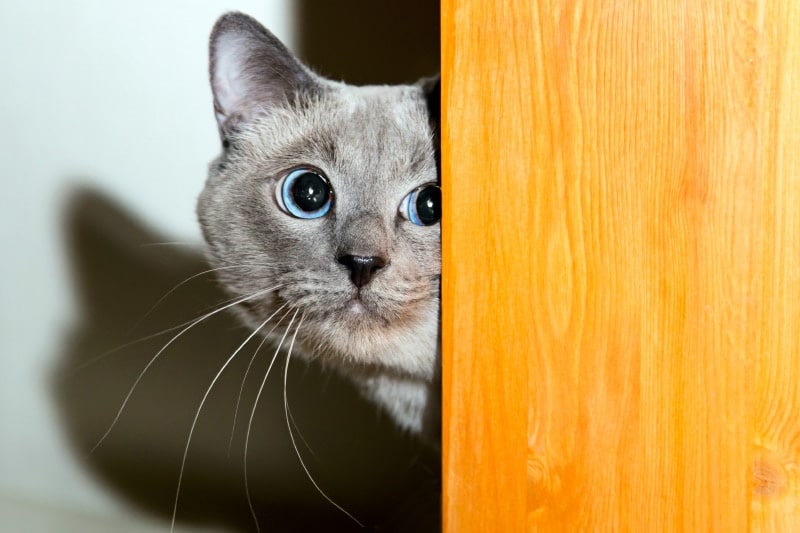
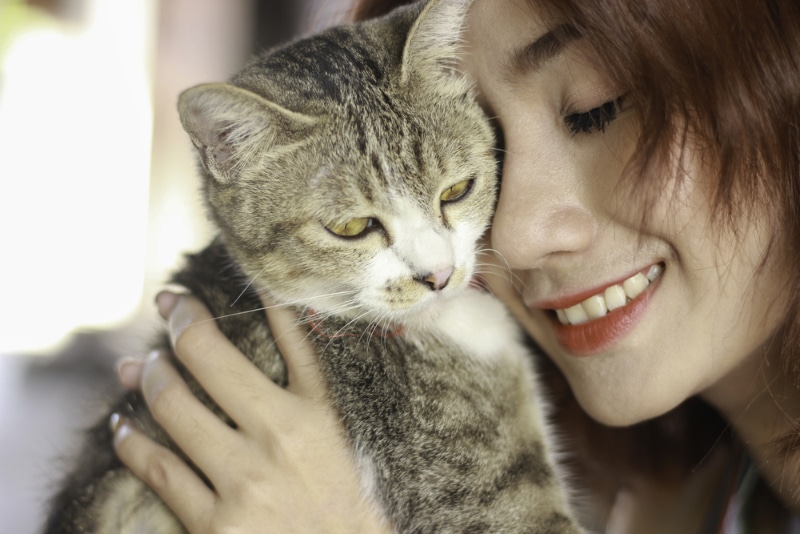
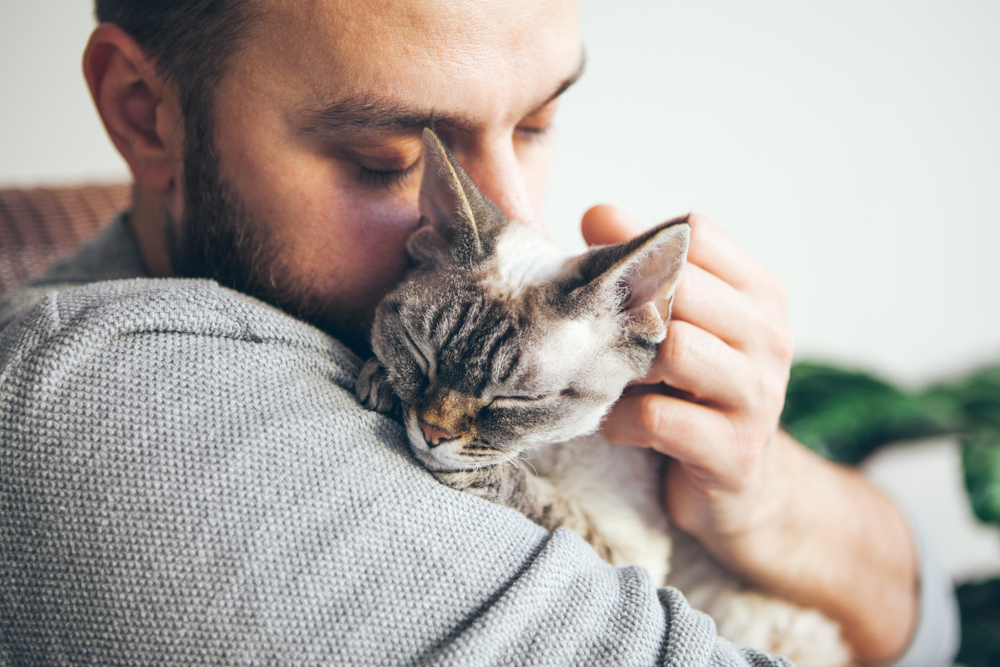
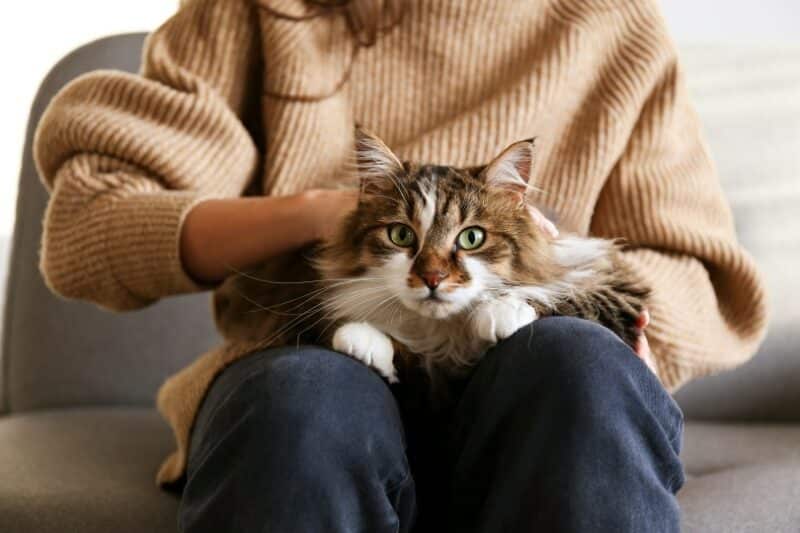
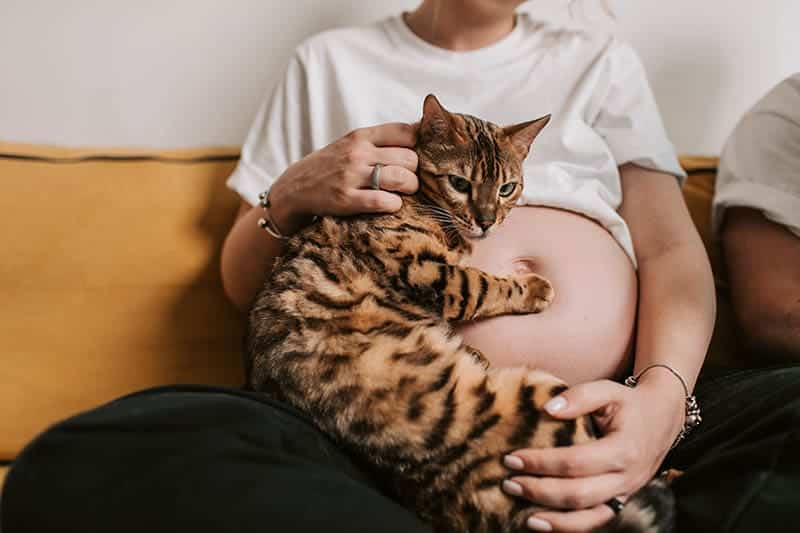
Anecdotally, some cats may become more loveable and want to remain by your side, while others may seek shelter and hide in quiet, secure areas of the house. Because cats like to keep their routine and don’t take well to changes, they often become noticeably more anxious and distressed before storms.
Keeping Your Cat Safe During a Tornado
Tornadoes are a terrifying and potentially devastating natural disaster that strikes fear in the hearts of many. During storms, you will likely be keeping up with the weather through your electronic devices. If the tornado becomes a threat in your local area, you will most likely receive an alert to take shelter immediately.
The problem with tornadoes, however, is that they can strike without much warning. You may have all your plans in place for the family, but there are also some safety measures you should put in place for your cats and other pets if you are in a tornado-prone area.
1. Keep Your Pets Indoors
The safest place for your small animals is inside the home with you and your family. This way you can gather all your pets and move them to your safe location as quickly and easily as possible. If you have an outdoor cat, peek outside to see if they are in the area. If you cannot locate them, they have likely sought shelter nearby because they were able to sense the upcoming storm.

2. Crate Your Cat in Your Tornado-Safe Location
You should always have your tornado-safe place ready, regardless of what time of the year it is. This could be your basement, storm shelter, or windowless room near the center of the home. While you can typically get away with leashing your dogs, your cat should be crated while riding out the storm.
It is a good idea to have your cat crated once you hear of a tornado watch going into effect. You do not want to scramble to find them when the warning comes. This can be a very distressing event and it’s for the safety of everyone that they remain in a comfortable crate.
3. Microchips and Identification Tags
If the storm is severe enough to separate you from your pets, the best way to make sure you are reunited is to have them microchipped and wearing their ID tags. Keep your microchip up to date and include any emergency phone numbers for you and loved ones that someone can use to contact you if they find your pet. Likewise, it’s better to place your number on your cat’s collar so that anyone who locates your cat can contact you promptly.

4. Keep Photos of Your Cat
Carry photos of your cat and any other pets so that you can easily share them if you are to become separated. This can also help you prove ownership.
Conclusion
Cats can most likely sense shifts in the barometric pressure when a storm is approaching. They are not the only animals that are responsive to changes in weather, either. Many other species ranging from livestock to wildlife may exhibit certain behaviors when the weather is about to take a turn. These fine-tuned senses are a survival instinct seen across the animal kingdom. If you know a strong storm system is coming, it is best to be prepared for a possible tornado to keep yourself, your family, and your pets as safe as possible.
Featured Image Credit: chen, Unsplash

Expert cat care, straight to your inbox
Vet-reviewed advice, behavior tips, and the best of Catster. Free, and you can unsubscribe anytime.
By signing up, you agree to our Terms & Conditions and Privacy & Cookies Policy.
Lindsey and her husband enjoy traveling the US with their kids and photographing wildlife. Her passion is to educate others on the importance of proper animal care, with an emphasis on reptiles and exotics since their care requirements can be much more complex. She is also a huge advocate for bully breeds. She feels most at home in the forest either on horseback or in hiking boots.
Join the conversation
Ask a question, share your story, or send private feedback.