Can Cats Eat Pecans? Vet-Approved Facts & FAQ


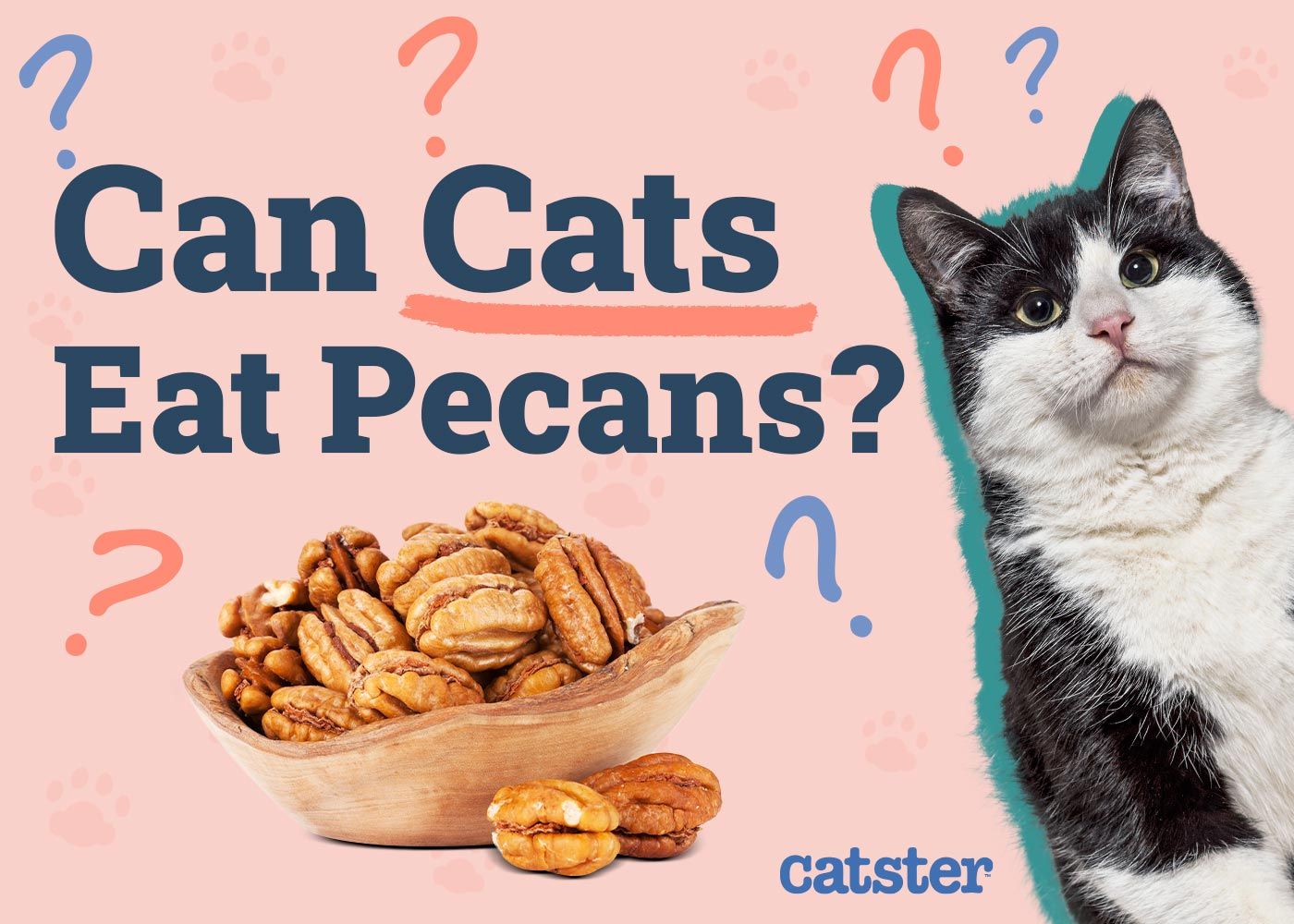
Cat owners around the world know that they must be careful about where they leave food lying around. Felines can jump up onto benches and shelves to reach food items that have been left out and, in some cases, even open cupboards and help themselves to unsecured food.
So, from time to time, our furry friends eat things that we would rather they didn’t, and occasionally things that might not be the best for them or are even harmful. If you’ve come to this page in a panic seeking an urgent answer about pecans and your cat, rest easy! The simple answer is that pecans are not toxic to cats, but they are prone to mold and may cause various health issues.

Pecans & Cats: The Short Answer
Pecans are not toxic to cats, and if your pet has helped themselves to a handful of these tasty nuts, they're unlikely to suffer any lasting ill effects. However, that doesn’t mean they should eat pecans. Read on for a further explanation.

The Long Answer
While in most cases cats can eat pecans without suffering too many ill effects, the fact is that they probably shouldn’t eat them.
Nuts such as pecans are quite high in omega-3 fatty acids, which are known for their anti-inflammatory properties. However, the full extent of their benefits for cats is still being researched, and there may be adverse effects as well. These nuts can be hard for your cat to digest and may cause them to suffer an upset stomach, vomiting, or diarrhea. If they try to swallow them whole, it may lead to choking or gastrointestinal blockage, all of which need veterinary attention.
Of course, foods that are high in fats can also cause obesity, which can predispose your cat to other health issues, so you may want to ensure your cat doesn’t indulge in large amounts of pecans or other nuts too often.
Pecans can be frequently contaminated with mold, which can lead to a wide variety of health issues in your cat, from gastrointestinal to neurological problems, such as seizures and nerve damage. Mold can be difficult to spot with the naked eye.


What About Allergies?
It is possible, although extremely unlikely that your cat could have an allergy to pecans. There's just no available research on this. If your cat does react to pecans or any other food, you should seek advice from your pet’s vet.
Common signs that may indicate your pet has a food allergy include itchiness and skin lesions or excessive gas, vomiting, and diarrhea.
Conclusion
While pecans are unlikely to cause severe problems for most cats unless they contain mold, they can, if consumed excessively, lead to some health issues, and may, in an extremely small number of cases, lead to your pet suffering a mild allergic reaction. If contaminated with mold, they can lead to severe gastrointestinal and neurological signs.
Therefore, while cats can eat pecans, it is not advisable to feed these nuts to your feline friend or to leave them lying about anywhere that your cat might find them.
Expert cat care, straight to your inbox
News, insights, and useful advice, delivered to you.

No spam — unsubscribe anytime.
By signing up, you agree to our Terms & Conditions and Privacy & Cookies Policy.
How useful was this post?
Click a star to rate. You can leave written feedback afterwards. (We read all feedback.)
Christian started writing for a local newspaper as a teenager, and he's been involved in the publishing industry for most of his adult life. Combining his love of writing with a passion for animals, he is currently the Director of Editorial at Pangolia and the Editor-in-Chief at Catster.
Christian lives in the Philippines with his wife, son, and four rescue cats: Trixie, Chloe, Sparky, and Chopper.