Get

In Your Inbox

Catster is reader-supported. When you buy via links on our site, we may earn an affiliate commission at no cost to you. Learn more.

Can Cats Eat Oregano? Vet-Verified Toxicity Facts & What to Do

Share

Can Cats Eat Oregano

Oregano is a popular and versatile culinary herb that’s often used in cooking all over the world, as well as for medicinal properties. Many common cooking herbs are fine for cats, but what about oregano? Can cats eat oregano? Is it healthy for them?

Unfortunately, no, cats can’t eat oregano. The oils in oregano have the potential to upset a cat’s stomach or, in some cases, cause irreversible liver damage.

divider cat faces oct 2024

Oregano Toxicity in Cats

According to the ASPCA, oregano is toxic to cats. It should not be given orally or topically, fresh or dried, or as part of other foods.

The essential oils in oregano that are poisonous to cats include phenols and terpenoids. Because cats lack the same enzymes that people have (glucuronyl transferase), they’re unable to break down and excrete these oils, leading to toxicity.

So, while your cat may ingest small doses without any ill effects, it builds up in the system and damages the liver over time.

Oregano
Image Credit Pixabay

What Parts of the Oregano Plant Are Toxic?

All parts of the oregano plant is considered unsafe for cats due to the toxic oils they contain, so it’s important that your cat doesn’t ingest it. That said, oregano oil, which is a concentrated concoction of the essential oils found in the plant, is the worst offender.

You should never give your cat oregano essential oil, either orally or topically. Cats shouldn’t have access to dried oregano herbs, fresh oregano plant leaves or stems, or any food that has oregano on it.

Get Free Cat Food Recall Alerts!

Have a cat? Stay on top of cat food recalls here


What to Do if Your Cat Eats Oregano

If your cat does eat some oregano, it may experience a little gastrointestinal upset like diarrhea and vomiting that may go away in time. There may also be some mouth irritation from the oils, which are strong and spicy.

In severe cases of toxicity, your cat may experience:

  • Nausea
  • Severe vomiting and diarrhea
  • Shallow breathing
  • Inflammation of the mouth
  • Liver problems
  • Anorexia
  • Collapse

Remember, oregano poisoning can be lethal. If your cat eats only a small amount of fresh or dried oregano, keep an eye on it and see if the cat shows negative signs. If you’re concerned, call your vet or the local emergency clinic. The sooner you act, the better the outcome will be.

If your cat has eaten large amounts of fresh or dried oregano or came in contact with pure essential oil, it’s important to head to the emergency clinic as soon as possible. The vet may perform blood and urine tests to see how much of the herb your cat ingested and whether the liver is showing signs of damage.

The vet may provide supportive therapy to help your cat recover from the toxicity, such as an IV to flush the oregano out. If your cat is struggling to breathe or is uncomfortable, the vet may provide oxygen and medications. Depending on the severity of the toxicity and your cat’s reaction, you may need to leave your cat at the veterinary hospital for a few days.

If your cat ingested small doses, it’s likely to make a full recovery if you act quickly. If it was concentrated, your cat might sustain liver damage. Your vet will give you recommendations for how to care for your cat moving forward.

If you need to speak with a vet but can't get to one, head over to PangoVet. It's an online service where you can talk to a vet online and get the advice you need for your pet — all at an affordable price!

PangoVet_Mention-in-Content for PangoVet2 save money

Common Cooking Herbs That Are Toxic to Cats

Oregano isn’t the only toxic herb lurking in your kitchen. Many herbs we use in regular cooking are toxic to cats, including:

  • Marjoram
  • Cocoa
  • Epazote
  • Tarragon
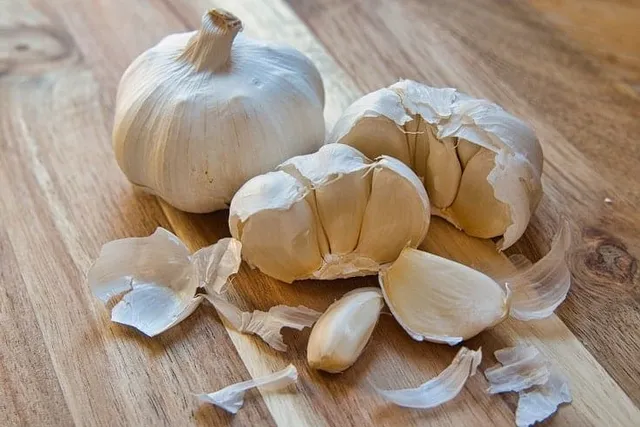
  • Chives
  • Scallions
  • Bay leaf
  • Borage
  • Sorrel
  • Lemon verbena
  • Lemongrass
  • Lavender
  • Chamomile
  • Mint

If you grow these plants in your home or garden or use them in cooking often, it’s important to keep them out of reach of your cat.

There are some herbs that are safe for cats that you can keep in your kitchen, including:

  • Basil
  • Sage
  • Cilantro
  • Dandelion
  • Parsley
  • Thyme
  • Rosemary
  • Dill
  • Valerian root
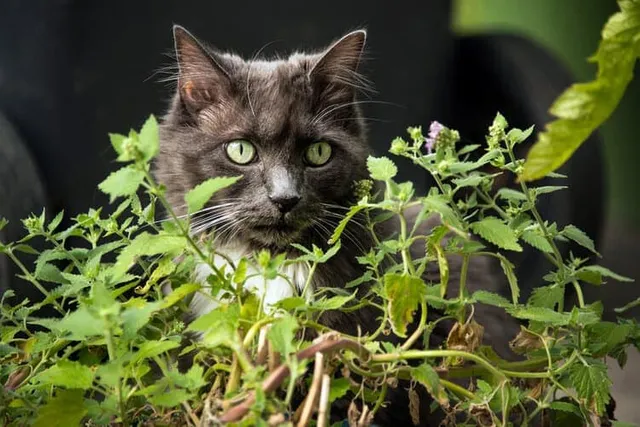
  • Catnip

Though these herbs are generally safe for your cat, it’s not advisable to feed them. Some herbs are only safe in small quantities, and there’s always a possibility that your cat will have an adverse reaction to otherwise safe herbs.

divider cat faces oct 2024

In Conclusion

Oregano is toxic to cats in all its forms, whether dried, fresh, or as an essential oil. If you grow herbs in the house, be sure to keep them out of reach of your cat and never offer food with dried oregano or the essential oil. When it comes to liver damage from a toxic herb, prevention is much easier than the cure.

Want content like this delivered to you?

Sign Up For Our Newsletter

News, insights, expert advice, and everything cat

* By submitting, you agree to our Terms & Conditions and Privacy & Cookies Policy.


How useful was this post?

Click on a star to rate (you can leave written feedback after clicking submit)

Help us improve Catster for pet parents!

Your feedback really matters.

What did you like about this post? Also how can we improve it?

Join the conversation

Leave a Reply

You’re very welcome to leave a comment or question. Please know that all comments must meet our community guidelines, and your email address will NOT be published. Let’s have a positive and constructive conversation.


Talk With A Vet Online

Peace of mind,
anywhere, anytime

Affordable vet advice

Ask Dr. Paola – Help! My Cat Suddenly Has Dandruff! (March 30, 2026)

Welcome to our “Ask Dr. Paola” series, where every Monday we bring expert advice straight from Dr. Paola Cuevas (MVZ) to help our...

Your Cat Keeps Vomiting After Eating: Here’s What’s Going On

Cats vomit. It’s one of the less glamorous facts of life with a feline, and most cat owners have cleaned up more than...

Ask Dr. Paola – Help! My Cat Gets Diarrhea from Wet Food! (March 23, 2026)

Welcome to our “Ask Dr. Paola” series, where every Monday we bring expert advice straight from Dr. Paola Cuevas (MVZ) to help our...

Cat Shampoo Alternatives That Are Already in Your House

If your cat has ever gotten into something disgusting and you’ve found yourself without cat shampoo, we’re here to help. Before you panic...

More related

Why Does My Cat Steal Things From Me? 10 Vet-Reviewed Assumptions

As cat owners, we know our felines are capable of many strange behaviors, but one of the weirdest has to be when they...

Do Munchkin Cats Shed a Lot? Vet-Reviewed Facts & Care Tips

Munchkin cats are a relatively new breed, having only been around in America since the 1940s. They are known for their short legs,...

Cat Hairballs: Our Vet Explains How to Treat Them

Yuck! Your cat had retched up something long and hairy. Is it a mouse that didn’t get digested? Chances are that your cat...

Can Cats Eat Crawfish? Vet-Reviewed Risk & Benefits

It’s no secret that felines are seafood lovers. Crawfish might seem safe for your cat, and you might consider giving them a sample....

Keep reading

My Cat Just Threw Up Worms, What Do I Do? 7 Vet-Approved Tips

It is unsettling to see your cat throwing up worms. After all, worms are not something that you expect to see when your cat vomits. Such a sight can leave you in a panic about what to do. To help...

tired sick cat lying on bed

How to Keep Cats Cool in Summer Without Air Conditioning: Vet-Reviewed Tips & Tricks

Summer is fun since the sun is scorching. But when the humidity goes high, then it ceases to be fun. The sun affects pets, and this is not limited to cats. The heat is as uncomfortable for them as it...

Adult-ragdoll-cat-lying-relaxed-in-the-garden

Is Prescription Cat Food Necessary? Vet-Verified Health & Nutrition Facts

There are so many types of cat food on the market, and a glance at the cat food section in a pet store proves this. With so many options, you might be confused as to which foods are truly good...

close up doctor filling up a prescription form

Can Cats Eat Chocolate? Vet-Verified Facts & Safety Guide

Cats are obligate carnivores and need nothing more than quality animal protein to stay happy and healthy throughout their lives. While cats are typically picky when it comes to what they will and won’t eat, they sometimes get curious and...

Can Cats Eat Chocolate

When Do Male Cats Become Sexually Active? Vet-Reviewed Signs & Recommendations

Kittens are cute, fluffy, and fun, but they grow up fast. Not only in terms of size and demonstrating more adult behavior traits, but also in mating habits. Sexual maturity and mating desires start early in the feline community. The...

male cat lying down

Can Cats Eat Hot Dogs? Vet-Reviewed Nutrition Facts & FAQ

It’s an instinct shared by many pet owners. You’re enjoying a food you like, and your pet also wants a piece. It’s hard not to give in to the temptation and give your furry friend a bite. After all, if...

Can Cats Eat Hot Dogs

Can Cats Eat Blackberries? Vet-Reviewed Facts & Safety Information

Unlike dogs, cats are extremely fussy eaters, so you don’t often have to worry about them chowing down on something they are not supposed to. Some cats will surprise you, though, and they’ll eat things you wouldn’t think they’d like—such...

Can Cats Eat Blackberries

Can Cats Eat Rice Krispies? Vet Approved Facts & FAQ

Rice Krispies are a beloved breakfast cereal made from puffed rice. Kids love this sweet food for its fun popping sound. Some may want to share this tasty treat with their kitty, but is this a safe snack for cats?...

Can Cats Eat Rice Krispies

Love Cats? So Do We! Join the Catster Community

Stay informed with expert pet care insights delivered straight to your inbox! Discover professional guidance on animal behavior, feeding tips, trusted product picks, and much more.


Sign up for the Catster Email Newsletter

Stay informed with expert pet care insights delivered straight to your inbox! Discover professional guidance on animal behavior, feeding tips, trusted product picks, and much more.