Can Cats Eat Dandelions? Vet-Approved Nutritional Benefits & FAQ


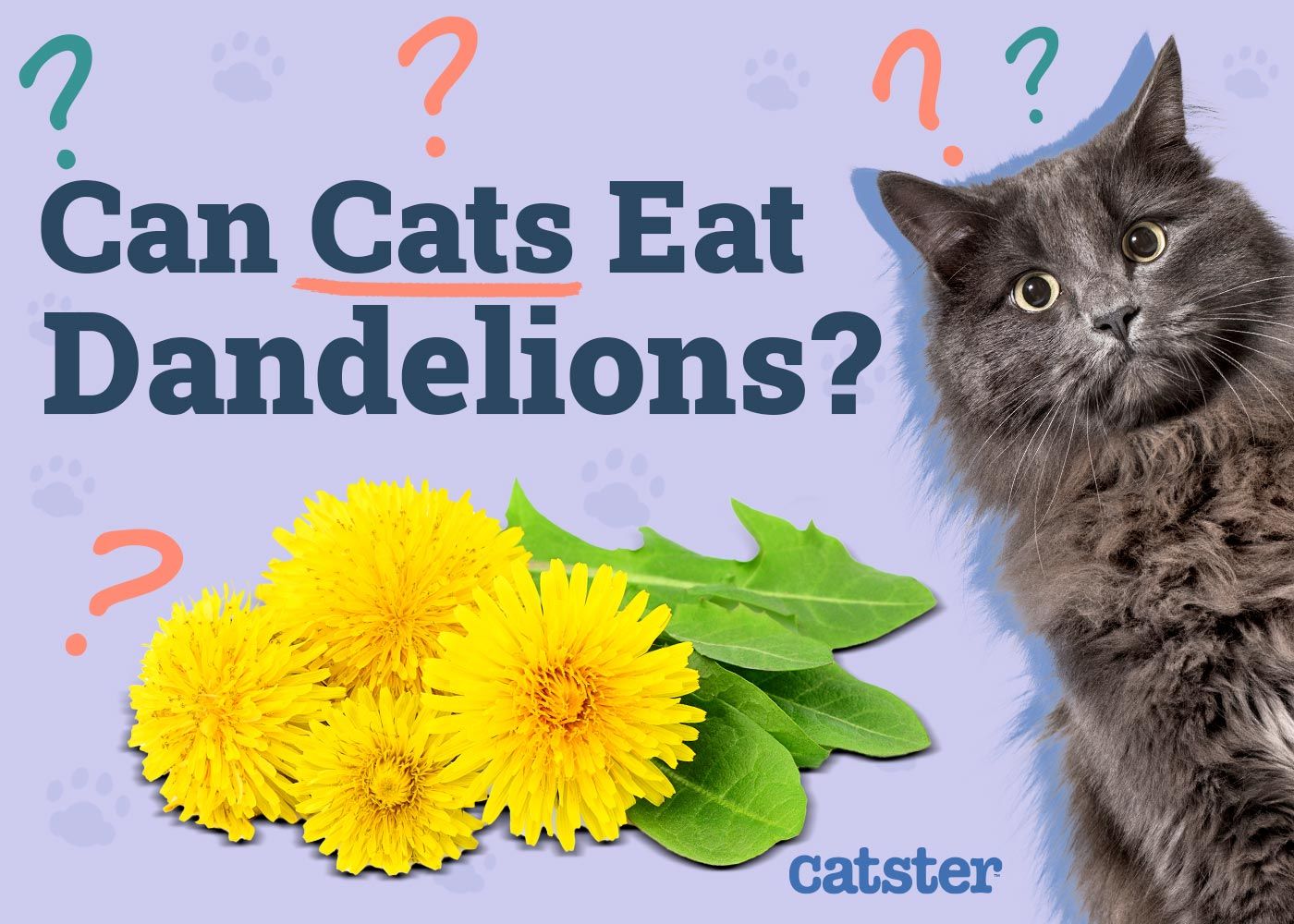
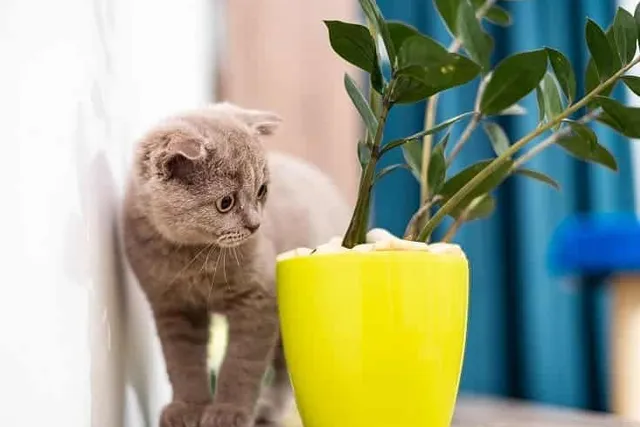
If you see your cat nibbling on common dandelions (Taraxacum officinale), it can be easy to want to rush them straight to the vet. But the truth is that dandelions are healthy for your cat in moderation. They offer numerous health benefits as long as you don't give them too many and as long as there isn't anything else on the dandelions like pesticides or herbicides.
But what should you do if your cat eats a plant they shouldn't or if they start exhibiting other negative signs? We'll answer those questions and more for you here!

Health Benefits of Dandelions for Cats
Dandelions have various nutrients that are beneficial for your cat, including vitamins A, B, K, and E. There are also plenty of minerals such as iron, calcium, magnesium, potassium, and phosphorus. Importantly, dandelions contain high amounts of fiber to help with a healthy digestive system as well as antioxidants that may have anti-cancer properties. However, the key to this is moderation. The roots of dandelions are thought to have some diuretic properties that will cause your cat to urinate more frequently, so we don’t want to give them too much.
Don't let them eat a ton, but a few leaves here and there shouldn't create a problem. There is an important exception to this rule; keep in mind that if the dandelions have pesticides or herbicides on them, they potentially become extremely toxic for cats! Therefore, avoid any dandelions on curbsides or in yards where you know the lawn has been sprayed.

Toxic Plants for Cats
While clean dandelions (without pesticides or herbicides) are safe for cats to eat in moderation, that's not the case for all common plants. We've highlighted four toxic plants your cat should never eat. This list is far from all-encompassing, so always research any plant you're bringing into your home or any plant you see your cat eating to see if it's toxic for your cat.
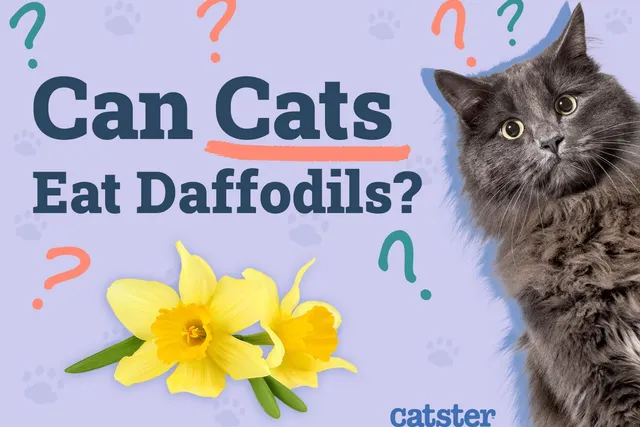
1. Daffodils (Narcissus spp.)
Daffodils are beautiful yellow plants. They look great on your property, but they can also look delicious to a cat. Unfortunately, they're extremely toxic for cats and can cause vomiting, diarrhea, heart problems, and convulsions. The bulbs are the most toxic part but don't let cats eat any part of the plant, and take them to the vet immediately if they chow down on them!
2. Lilies (Lilium spp.)
Lilies usually refer to a large genus of flowering plants, containing between 80-100 species. They are beautiful plants that come in a variety of different colors and can be found in floral arrangements or in flower beds. Unfortunately, many species within this genus are extremely toxic and life-threatening to cats. They cause acute kidney failure and death within 72 hours of ingestion, so they must be kept well away from our feline friends. If you suspect your cat has ingested any part of a lily plant, including pollen, you must take them to the vet as an emergency.

3. Spanish Thyme (Coleus ampoinicus)
Spanish thyme might sound edible because it has thyme in the name, but it's absolutely not. It's a common houseplant, but if you have a cat at home, you shouldn't bring it home because of how toxic it is. Signs of toxicity may include vomiting, diarrhea, lethargy and lack of appetite.
4. Tulip (Tulipa spp.)
Tulips are another beautiful plant that you must never let your cat chew on. They are also part of the Liliaceae family (along with many lilies). If your cat is eating or nibbling on a tulip, reach out to a vet or Animal Poison Control right away so you can take the necessary actions.
What to Do if Your Cat Eats a Toxic Plant
If your cat eats a toxic plant, the first thing you need to do is contact a veterinarian. Many common plants have been eaten before and the vet will likely know if your cat needs to be seen urgently or not. If for some reason you can’t get hold of a vet, you can call the Animal Poison Control at 1-888-426-4435. Tell them exactly what your cat ate and how much of it, and they'll walk you through everything you need to know and what you should do.
Also, another safe option is to consult a vet online.
Final Thoughts
While you likely don't need to rush your cat straight to the vet if they've eaten a dandelion, if they develop a habit of eating plants, you need to be extremely careful of what plants you bring into your home or garden.
If you're unsure about what you should do, reach out to a vet or Animal Poison Control and they can give you the necessary guidance to make a good decision for your cat!
Sources
https://www.petmd.com/cat/emergency/poisoning-toxicity/e_ct_poisonous_plants
https://fdc.nal.usda.gov/fdc-app.html#/food-details/169226/nutrients
https://hort.extension.wisc.edu/articles/dandelion-taraxacum-officinale/
https://www.aspca.org/pet-care/animal-poison-control/toxic-and-non-toxic-plants/daffodil
https://hort.extension.wisc.edu/articles/dandelion-taraxacum-officinale/
Featured Image Credit: Elena Elisseeva, Shutterstock
Expert cat care, straight to your inbox
News, insights, and useful advice, delivered to you.

No spam — unsubscribe anytime.
By signing up, you agree to our Terms & Conditions and Privacy & Cookies Policy.
How useful was this post?
Click a star to rate. You can leave written feedback afterwards. (We read all feedback.)
Adam is a seasoned freelance writer and passionate animal lover who has dedicated years to rescuing countless animals. With a decade of experience as a freelance writer and an even longer history of animal rescue, he has honed his skills in both fields. Adam is also a proud father of three and thrives on challenges and new adventures.