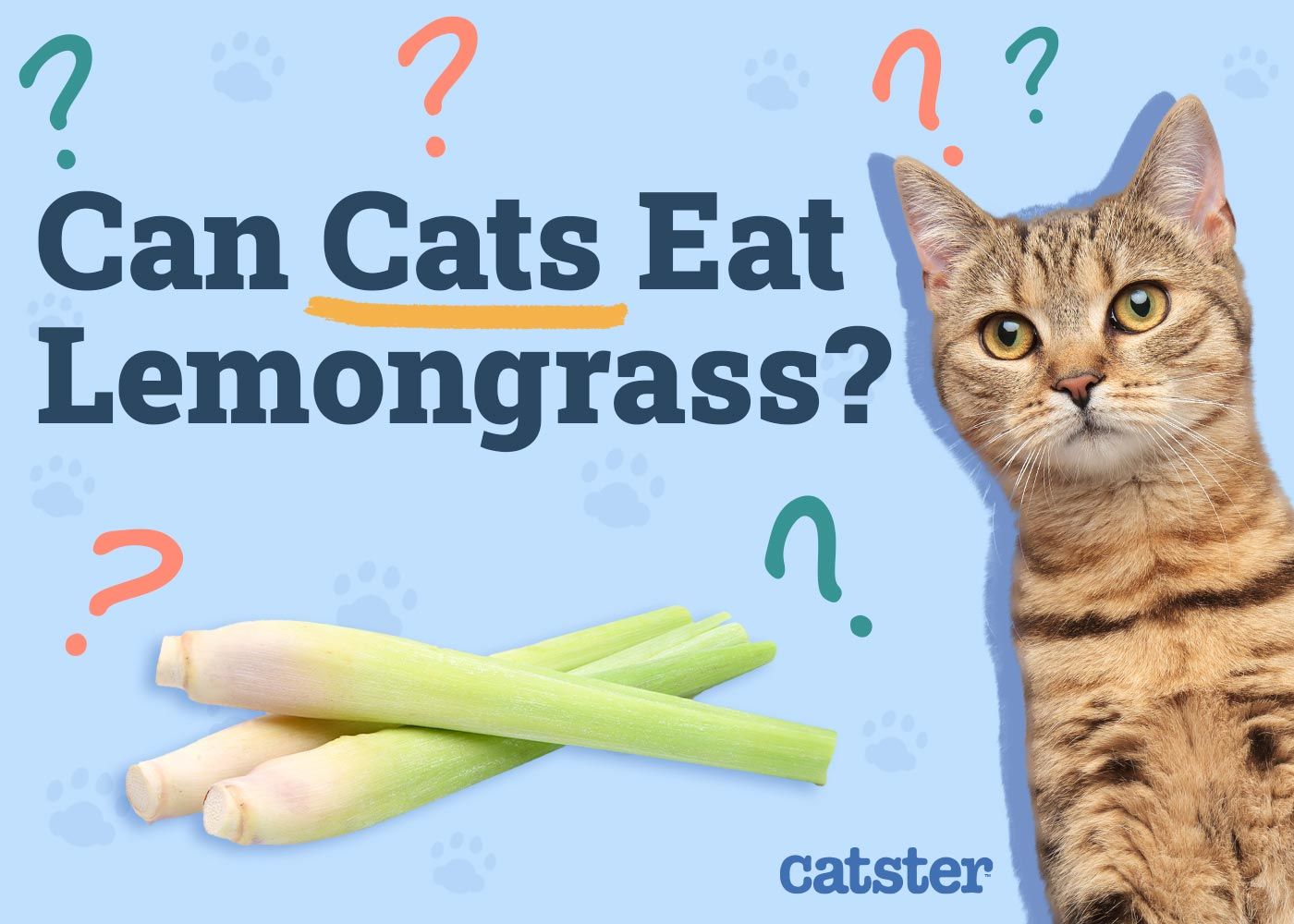
Can Cats Eat Lemongrass? Vet-Reviewed Facts & FAQ


In this article
Lemongrass is a common ingredient in several meals. You can use it in marinades, stir-fries, spice rubs, salads, and pastes. However, if you’re using lemongrass in a meal, you should not share it with your feline, as it can be mildly toxic. It depends mostly on how much is eaten and the size of your cat.
Cats love many types of grass, and some can eat too much. In most cases, cats can moderate how much food they eat. However, it may not be easy to do with grass. So, is Lemongrass safe for cats? In fact, it is considered toxic to cats, but thankfully most cases are mild and clear up on their own.

Why Is Lemongrass Toxic to Cats?
People often confuse these three plants: lemongrass, citronella, and citronella grass. Only lemongrass is used for cooking and eating. Citronella is a plant used to repel insects and citronella grass is used for aesthetic purposes only. It has a nice maroon color.
All of these forms of lemongrass can be mildly toxic to cats—not just the kind you cook with. All of them contain citronella oil, which is the plant that causes the toxic reaction. Usually, it requires quite a bit to upset a feline’s stomach, though some cats are more sensitive than others. Kittens and smaller cats are particularly vulnerable.
In its raw form, the oil in lemongrass can cause vomiting and diarrhea, depending on how much the cat ingested. The essential oil of lemongrass is more toxic in its processed, concentrated form.

What Are the Signs of Lemongrass Poisoning?
Lemongrass poisoning usually only has minor signs. Your cat will first get an upset stomach and abdominal pain. Some may react worse to lemongrass than others. A swollen abdomen is also possible.
Concentrated forms of lemongrass, like the essential oil, are even more harmful. They can cause significant issues if your cat ingests them.
Seek veterinary advice if you’re concerned about your pet’s well-being.

How Do Vets Diagnose Lemongrass Poisoning?
Typically, the easiest way to diagnose lemongrass poisoning is to catch your cat eating the grass. Normally, if you suspect your cat has been poisoned, the vet will run blood and urine tests to evaluate the organs’ conditions. If your cat eats a lot of lemongrass, it may put them at risk for intestinal blockage.
For that reason, your vet may decide to order an ultrasound to ensure that their digestive tract is clear. It can include a barium study, which makes the blockage easier to see. Pesticide toxicity is also possible when a cat overeats grass, and it represents a higher risk than the plant itself.

How Is Lemongrass Poisoning Treated?
Lemongrass poisoning treatment usually involves stomach decontamination, and the vet may also decide to use activated charcoal to absorb the oils, as well as IV fluids if your feline gets dehydrated, which can occur with vomiting. If a blockage occurs, the vet must flush out the intestinal system. Sometimes, surgery may be required to remove the mass.
If the essential oil causes the poisoning, further steps may be needed. Your cat’s liver function will need careful watching, as the essential oil can damage it.
Do Cats With Lemongrass Poisoning Recover?
Typically, cats recover from lemongrass poisoning if they are treated promptly. The plant is only mildly toxic and usually doesn’t cause huge problems. The essential oil is more concentrated, so signs are usually more severe. If your cat nibbles enough lemongrass to get poisoned once, they may do it again. Therefore, we recommend removing lemongrass from your home and getting cat-safe grass instead.

- NO MESS - The 360° tray on this cat food and water bowl set has a raised design to catch and contain stray crumbs and drips. Protect your indoors and floors from wet and messy meals!
- WHISKER FRIENDLY - Shallow and wide metal containers with flat bottoms ensure your kitty can enjoy mealtime free from whisker fatigue!
- CHEW-SAFE MATERIALS - Kittens and cats love chewing on silicone and soft rubber - but it's a choking hazard. Our cat feeding station materials are anti-chew for a 100% safe feeding frenzy!
Learning about what your cat can and cannot eat is a crucial part of keeping them happy and healthy! Choosing a bowl to serve cat-friendly foods in is another important decision pet owners face. Satisfy the specific needs of your cat with the innovative design of the Hepper NomNom Cat Bowl. Learn why it’s our (and our cats!) favorite food and water dish here.
At Catster, we’ve admired Hepper for many years and decided to take a controlling ownership interest so that we could benefit from the outstanding designs of this cool cat company!
Conclusion
Lemongrass is only mildly toxic to cats, but you should avoid feeding it to your feline. If you have a live plant, most cats will not consume enough to cause problems. However, you should keep an eye on them just in case. Some underlying conditions can cause cats to overeat certain foods, including lemongrass. Pica can also cause strange cravings, which may result in poisoning. If you’re worried this may be the case, take your cat to the vet for a closer look.
See Also:
Expert cat care, straight to your inbox
News, insights, and useful advice, delivered to you.

No spam — unsubscribe anytime.
By signing up, you agree to our Terms & Conditions and Privacy & Cookies Policy.
How useful was this post?
Click a star to rate. You can leave written feedback afterwards. (We read all feedback.)
Kristin is passionate about helping pet parents create a fulfilling life with their pets by informing them on the latest scientific research and helping them choose the best products for their pets. She currently resides in Tennessee with four dogs, three cats, two fish, and a lizard, though she has dreams of owning chickens one-day!