Why Do Cats Eat and Chew on Paper? 4 Reasons for This Behavior

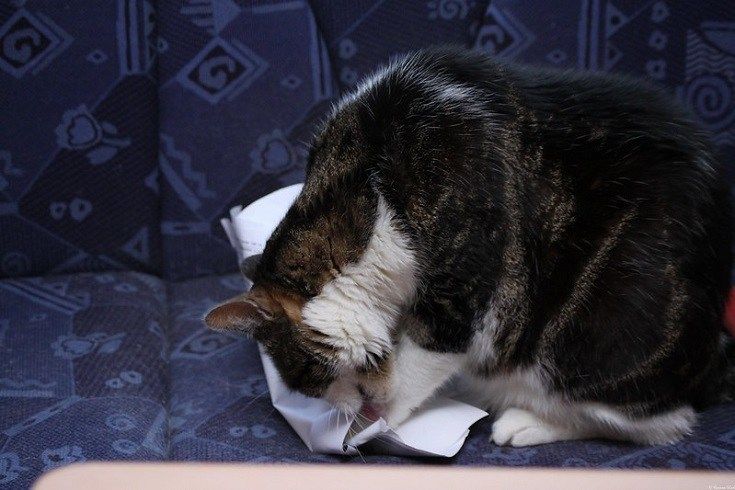
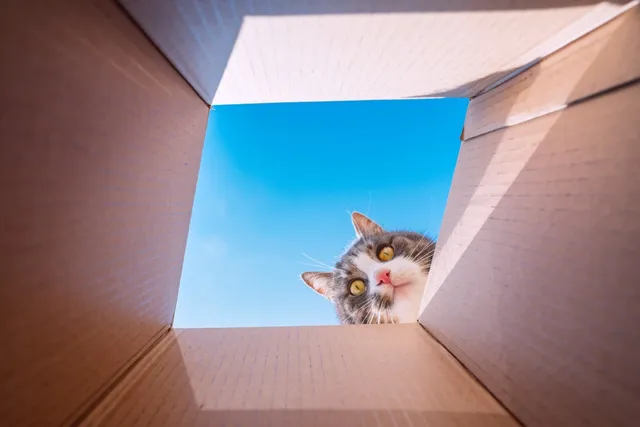
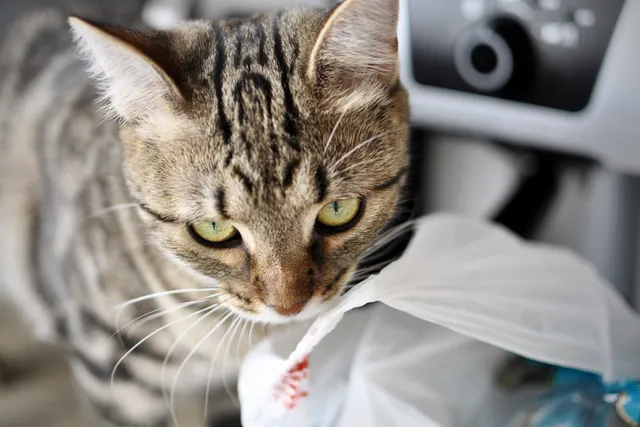
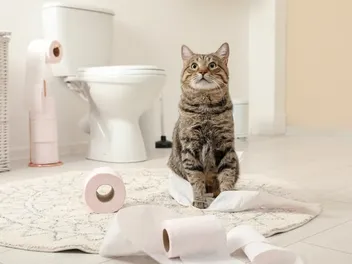
Believe it or not, cats chewing on cardboard and paper is a problem that some pet parents encounter. Sometimes, owners mistake their cats playing with the toilet roll as a desire to eat it. In other cases, the cat might be tempted by the smell or taste of what was inside the paper.
However, there are a surprisingly large number of cats that suffer from something referred to as pica, or the urge to eat inedible materials. There are a few potential causes and plenty of reasons to stop your feline friend from feasting on paper or cardboard.

Pica Syndrome
Pica is a behavioral condition. It is an urge to eat or chew inedible materials. For cats, common items include hair bobbles, bobby pins, plastic, wood, leather, cellophane, and paper-based products. It can also affect people. Pica seems to be more common in young cats, and experts are unsure why it occurs.
Your cat may grow out of it, but this isn’t guaranteed, and there are viable reasons to stop your cat from eating cardboard and paper.
Can Cats Digest Cardboard?
Cardboard and paper are not meant to be eaten. They can be difficult to digest, but if your cat has eaten a tiny amount once, you shouldn’t worry. They should be able to digest the material as long as they can effectively chew and swallow it in the first place. However, make sure the paper doesn’t contain traces of any toxic substance, and if in doubt, consult with a vet immediately.
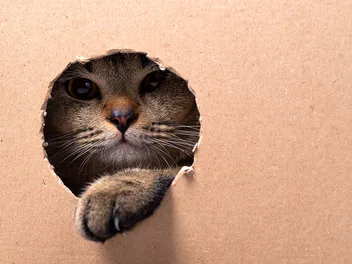
You should not let your cat chew on cardboard or paper. Your cat may find it difficult to chew and swallow larger pieces of these materials. Paper is very dry, and cardboard can be stiff with sharp corners. If they cannot chew it easily, it can get stuck in their throat.

Is It Safe?
There are other dangers associated with your cat eating cardboard and paper. Paper often has staples and other fastenings designed to connect multiple sheets. They also contain dyes and adhesives, and if the material has been used as a container, you have to consider the former contents.
Hemp paper doesn't usually contain the same array of chemicals. However, it's essential to prevent your cat from eating anything other than cat food and treats.
The 4 Reasons Cats Eat Paper
Experts are unsure exactly why cats eat items like paper and cardboard, but there are several likely causes. If you can identify any of these in your cat, it could be the underlying cause of the condition.
1. Learning the World
Pica is more common in kittens and young cats than in older cats. One of the reasons may be that they are exploring the world around them. Kittens tend to be more inquisitive about their environment than adult cats.
Rubber is another common material for cats to chew on because it's flexible, but paper and cardboard are more accessible, more available, and easier for your cats to chew. If your cat is a chewer, make sure that you don’t leave dangerous items within their reach and that you consult with a veterinarian for possible medical reasons behind this behavior.

2. Irritated Gums and Other Dental Problems
Irritated and painful gums are common in cats. If your cat is chewing on cardboard, they may be finding some relief from pain and irritation. Look for red and bleeding gums. If your cat isn't eating, it can be a sign that they're in pain because of dental problems.
3. Thyroid Issues
In other cases, the problem could be related to a health condition, like an overactive thyroid gland or hyperthyroidism. This condition causes an increased appetite, and cats may end up eating non-edible items. Look for other signs of illness, like vocalizing more, overgrooming, and a change in behavior. Consult a veterinarian promptly.
4. Fun
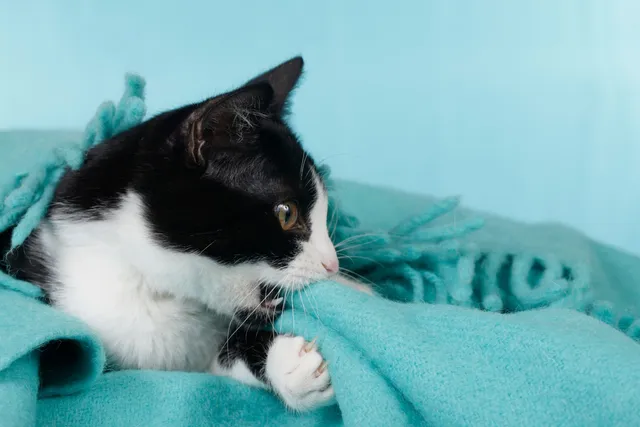
Some cats simply like the feeling or the flavor of paper and cardboard, and there may not be any underlying cause or reason for the habit. If they are shredding the material and leaving it on the floor rather than eating it, they might enjoy the game. You can try providing alternative chews and toys and ensure that paper and cardboard are kept out of the way.
How Do You Treat Pica in Cats?
In most cases, the first steps are determining the underlying problem and taking steps to remedy it while keeping paper and cardboard out of your cat’s way. However, we do appreciate that it can be challenging. It's vital to look for signs of poor health and consult a veterinarian.
Feed them a high-quality, complete, and balanced diet. Offer alternative toys to determine if they’re bored. And spend time with your cat to look for more clues.
Do Cats Outgrow Pica?
Pica is most common in kittens and young cats, but it can develop in older cats. Depending on the case, your cat may continue to eat inedible objects throughout their life because it is a habit that they picked up when young and now find it comforting or enjoyable. In most cases, a young cat will grow out of the habit, but they need help.

Why Do Cats Love Paper Bags?
Your cat may not be eating the paper bag that you find shredded on the floor. They may enjoy climbing in the bag, causing it to tear, and once there is a tear, they shred the bag into tatters. It’s messy, and it can look disastrous, but it may not be a health or behavioral issue, and you won’t need to worry about it if your cat is just shredding the bag rather than eating it.
Summing Up
There are several reasons why a cat might chew on paper or cardboard, including health reasons as well as behavioral and emotional issues. While it isn’t a cause for concern if your feline friend chewed a tiny bit of paper once, it can be a problem if they are regularly eating large portions of the material. Look for the underlying cause, offer healthier and safer alternatives, and consult a veterinarian or an animal behaviorist as soon as possible.
See Also: Why Is My Cat Only Eating Treats and Not Their Food? 4 Likely Reasons
Featured Image Credit: Pixabay

Expert cat care, straight to your inbox
Vet-reviewed advice, behavior tips, and the best of Catster. Free, and you can unsubscribe anytime.
By signing up, you agree to our Terms & Conditions and Privacy & Cookies Policy.
Christian started writing for a local newspaper as a teenager, and he's been involved in the publishing industry for most of his adult life. Combining his love of writing with a passion for animals, he is currently the Director of Editorial at Pangolia and the Editor-in-Chief at Catster.
Christian lives in the Philippines with his wife, son, and four rescue cats: Trixie, Chloe, Sparky, and Chopper.
Join the conversation
Ask a question, share your story, or send private feedback.