Get

In Your Inbox

Catster is reader-supported. When you buy via links on our site, we may earn an affiliate commission at no cost to you. Learn more.

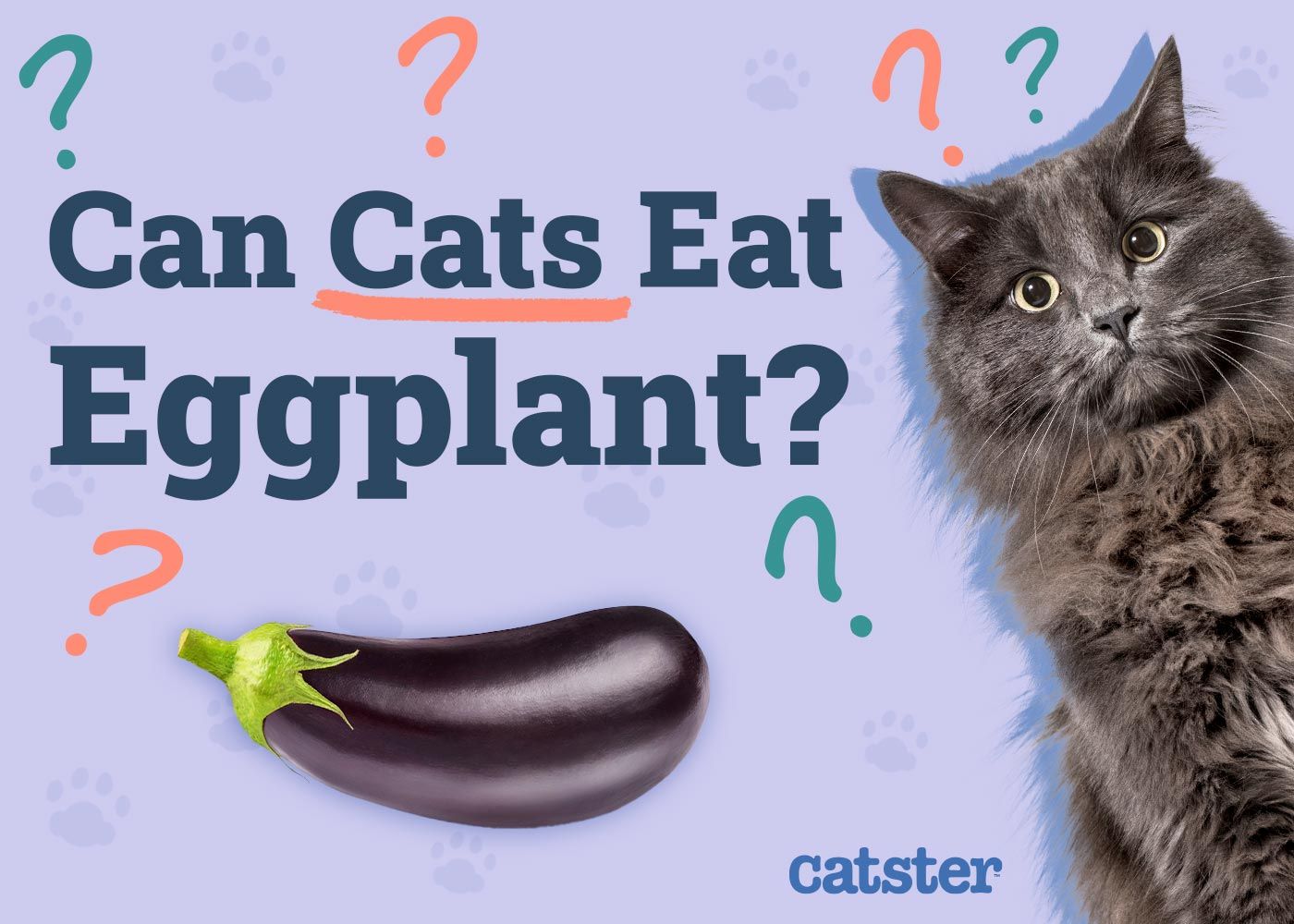
Can Cats Eat Eggplant? Vet-Reviewed Nutrition Facts

Share

Can Cats Eat Eggplant

We all love sharing food with our cats but often wonder what foods are fine or harmful. Eggplant might be one of those foods you are unsure about. Even though you might be tempted to share some eggplant with your cat, you shouldn’t. Eggplants contain toxic substances, like solanine, which are toxic to cats in large quantities.

Read on to learn why the fruit is dangerous and its effects on cats. We will also tell you what to do if your cat consumes the fruit.

divider 3 paws

Why Cats Should Not Eat Eggplant

Also known as aubergine, this purple vegetable may be a good source of nutrients for humans but should not be consumed by cats.

Like tomatoes and potatoes, eggplants belong to the nightshade plant family that has solanine as their common trait. This alkaloid is vital because it aids in the growth and development of eggplants. However, interaction with the substance can have adverse effects on cats.

Besides solanine, eggplant also contains oxalic acid. While it may not be poisonous, this substance can bond with calcium in the blood, forming calcium oxalate crystals. When these crystals are deposited in the bladder and kidney, they can cause urinary tract issues.

eggplant
Image By: furbymama, Pixabay

Effects of Consuming Solanine

Consuming eggplants could lead to solanine poisoning in cats.

They include:
  • Nausea
  • Vomiting
  • Throat irritation
  • Diarrhea
  • Dehydration
  • Abdominal pain
  • Fever
  • Loss of appetite
  • Slow reflexes
  • Constipation
  • High or low heart rate
  • Drooling
  • Fatigue
  • Shortness of breath
  • Seizures
  • Unusual behavioral changes, such as aggression, withdrawal, or non-active demeanor

Risk Factors

The severity of the signs will depend on the amount of eggplant consumed, as well as your cat’s breed, age, and general well-being. The higher the amount consumed, the more adverse the effects, especially if your cat eats eggplant for the first time.

Additionally, smaller cat breeds and kittens are more affected by solanine poisoning when compared to larger cat breeds or adult cats. This can be attributed to the fact that smaller cats have a larger surface area to volume ratio, which gives the toxins a shorter duration to get absorbed into the cat’s bloodstream.

Grey cat with eggplant in a wooden box
Image Credit: Ali Efe Yilmaz, Shutterstock

What to Do if Your Cat Eats Eggplant

If eggplant is a staple food in your household, you can only manage to keep them away from your cat for so long. Eventually, your curious cat will find a way to sneak past you and munch on the delicious vegetable. Therefore, it’s best to be prepared in case of such an event.

First, check for side effects. If you notice that your cat has eaten some eggplant, the first thing you should do is make sure they do not eat any more and watch out for any side effects, such as tremors, lethargy, and abdominal pain. Some adverse signs like dehydration can be managed by giving your cat some broth or water. The key is to stabilize your cat long enough to take them to a professional for diagnosis and treatment.

Reach out to your vet. Give the vet enough information about the incident so that they are in the best position to save your cat’s life. This information includes exposure duration, the amount of eggplant consumed, and early signs witnessed. The vet will then administer the right treatment depending on the severity of the condition.

If you need to speak with a vet but can't get to one, head over to PangoVet. It's an online service where you can talk to a vet online and get the advice you need for your pet — all at an affordable price!

PangoVet_Mention-in-Content for PangoVet2 save money

Tips for a Healthy Diet

Cats are obligate carnivores and thrive on a diet that comprises mostly of animal-based protein. Examples of such proteins include poultry, beef, lamb, and pork. This usually indicates that the cat food has enough animal-based ingredients to supply the much-needed fatty acids and amino acids.

Also, keep your cat hydrated, but most importantly, feed them small portions of food spread out throughout the day.

divider 3 paws

Conclusion

Eggplant is considered one of those foods that a cat should never consume. Solanine and cyanide poisoning are the two major reasons why eggplant presents such a huge health risk to cats. When consumed, solanine can trigger several neurological and gastrointestinal signs in your cat.

So, if you suspect that your cat has eaten eggplant, you should immediately get in touch with your local vet. Early signs of solanine poisoning may include diarrhea and vomiting. Severe signs of poisoning may include drooling, trembling, and respiratory problems.

See also:


Featured Image Credit: oleksandr-pidvalnyi, pexels

Want content like this delivered to you?

Sign Up For Our Newsletter

News, insights, expert advice, and everything cat

* By submitting, you agree to our Terms & Conditions and Privacy & Cookies Policy.


How useful was this post?

Click on a star to rate (you can leave written feedback after clicking submit)

Help us improve Catster for pet parents!

Your feedback really matters.

What did you like about this post? Also how can we improve it?

Join the conversation

Leave a Reply

You’re very welcome to leave a comment or question. Please know that all comments must meet our community guidelines, and your email address will NOT be published. Let’s have a positive and constructive conversation.


Catster's Digital Magazine is Back!

Vet-approved health & behavior advice

Real cat stories & community features

Chatting With Sally About Mission Meow & Helping Cat Rescue Organizations Collaborate | Chatty Cattys, Episode 24

In this episode of Catster’s podcast, Chatty Cattys, Nicole and Dr. Karyn sit down with Sally Williams, the founder of Mission Meow, for...

Vets Urge Owners: Don’t Ignore Sweet Smell Coming From Cats

Cats are not particularly known for having a pleasant aroma. The occasional whiff of fishy cat breath and that unmistakable post-litter-box scent simply...

“A Cat Spay Costs How Much???”

America has a kitten problem. Every day, thousands of cats and kittens are abandoned, surrendered, or discarded. Those who are lucky enough to...

Ask Dr. Paola – Help! My Cat Is Seeking My Attention! (June 15, 2026)

Welcome to our “Ask Dr. Paola” series, where every Monday we bring expert advice straight from Dr. Paola Cuevas (MVZ) to help our...

More related

11 Best Water Bowls for Cats in 2026 – Reviews & Top Picks

As responsible cat owners, we understand the importance of providing our feline companions with a suitable water bowl that encourages hydration and ensures...

How to Become a Cat Breeder: Vet-Reviewed Ethics & Standards Explained

Catster advocates for adopting before shopping, though we fully understand there are many reasons for seeking a breeder. So, we encourage it to...

Do Cats Need a Cat Tree? Vet Approved Pros, Cons & Considerations

Cats love to be up high and observe everything around them but also enjoy having their own space while they sleep their day...

100+ Shy Cat Names: Ideas for Sweet & Timid Cats

Not all cats can be described as outgoing. Cats are often categorized as shy or even a bit skittish—hence the term “scaredy cat.”...

Keep reading

Can You Spay a Cat in Heat? Risks & Precautions

Most veterinarians generally recommend that a kitten be spayed before her first heat. But that can get tricky since kittens don’t go into heat on anyone’s schedules except their own. For this reason, most shelters will do what’s called a...

cat neutered

Is Aluminum Plant Toxic to Cats? Vet Approved Safety Facts & FAQ

Aluminum plants, known as Pilea cadieri, are hearty evergreen perennials in the same family as nettles. The plant features dark green leaves that look as if they’ve been brushed with aluminum. It’s native to Vietnam and parts of China and...

Catster_Is Aluminum Plant Toxic to Cats

My Older Cat Is Losing Weight: 10 Vet-Reviewed Reasons

​​The average feline lifespan has increased over the years, and today, it’s not uncommon to meet cats that are 18, 19, 20, and even 20+ years old! And while they are considered “seniors” at the ripe old age of 11-14...

sick skinny cat in the veterinary clinic

My Cat Ate a Dryer Sheet! Vet Reviewed Information & What to Do!

As cat parents, we all know that cats are curious, mischievous, and can get into any number of things they shouldn’t. That includes toxic chemicals, toxic plants, and even dryer sheets. Fabric softeners, both in liquid and dryer sheet form,...

My Cat Ate a Dryer Sheet

Safe & Effective Cat Shampoo Alternatives: 8 Vet Approved Options

Most cats are good at keeping themselves clean, but sometimes, your furry friend might need a little help, especially if they’ve investigated something filthy. Of course, a shampoo specifically designed for cats is the best and safest option. Sometimes, we...

Woman washing cat in grooming salon

Bald Spots on Cats: 10 Vet-Verified Causes & Treatment Options

One feature synonymous with cats, the hairless breeds notwithstanding, is a soft and fluffy coat. So if your feline has developed a bald spot, we need to find out the cause and get on top of treating the problem. The...

cat with bald spot on neck

How Long Do Tuxedo Cats Live? Average Lifespan & Vet-Approved Care Tips

Tuxedo cats have a unique coat coloration that makes them appear like they’re wearing formal wear. If you are the proud owner of one of these gorgeous piebald cats, you likely have many questions about their longevity. How long do...

tuxedo cat with yellow eyes

Can Cats Eat Goat Cheese? Vet-Reviewed Nutritional Benefits & FAQ

As responsible cat parents, many people often wonder which treats are both safe and nutritious for their feline friends. While there’s an array of human foods that cats can eat without problems, some could cause issues with their health. Due...

Can Cats Eat Goat Cheese

Love Cats? So Do We! Join the Catster Community

Stay informed with expert pet care insights delivered straight to your inbox! Discover professional guidance on animal behavior, feeding tips, trusted product picks, and much more.


Sign up for the Catster Email Newsletter

Stay informed with expert pet care insights delivered straight to your inbox! Discover professional guidance on animal behavior, feeding tips, trusted product picks, and much more.