Can Cats And Dogs Drink From the Same Water Bowl? Vet Approved Facts & Tips



In this article
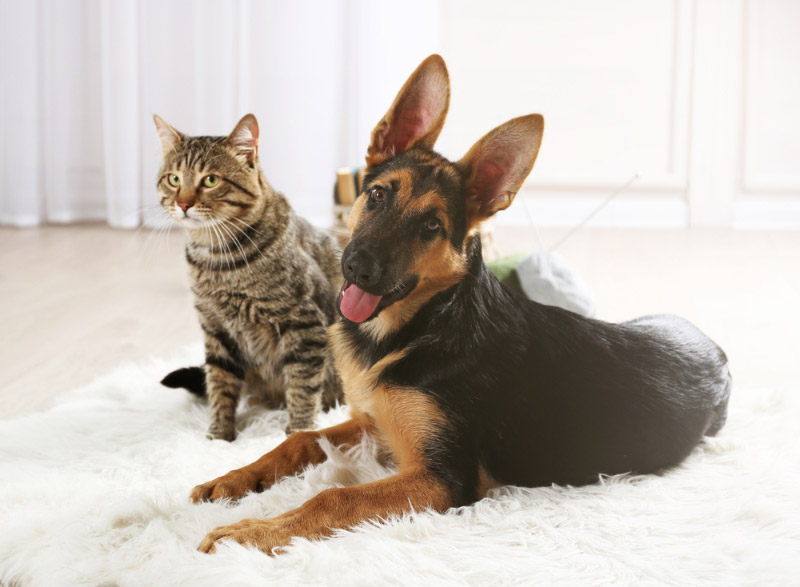
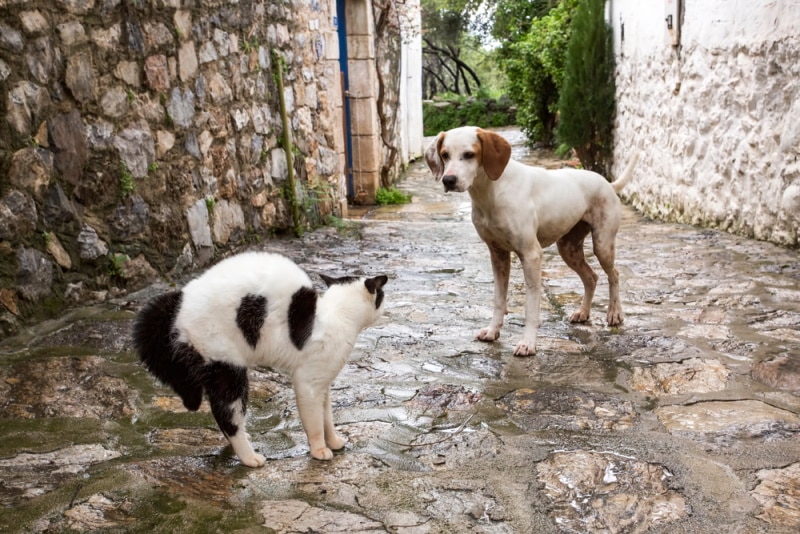
If you live in a multi-pet household and own both a cat and a dog, you may be wondering if these animals can share their water bowl.
If your cat and dog choose to drink out of the same water bowl then this is fine. While sharing the water bowl can often be convenient, such a practice also has a few drawbacks.
In this article, we talk more about cats and dogs drinking from the same water bowl and the safety considerations.

Should Cats and Dogs Drink from the Same Water Bowl?
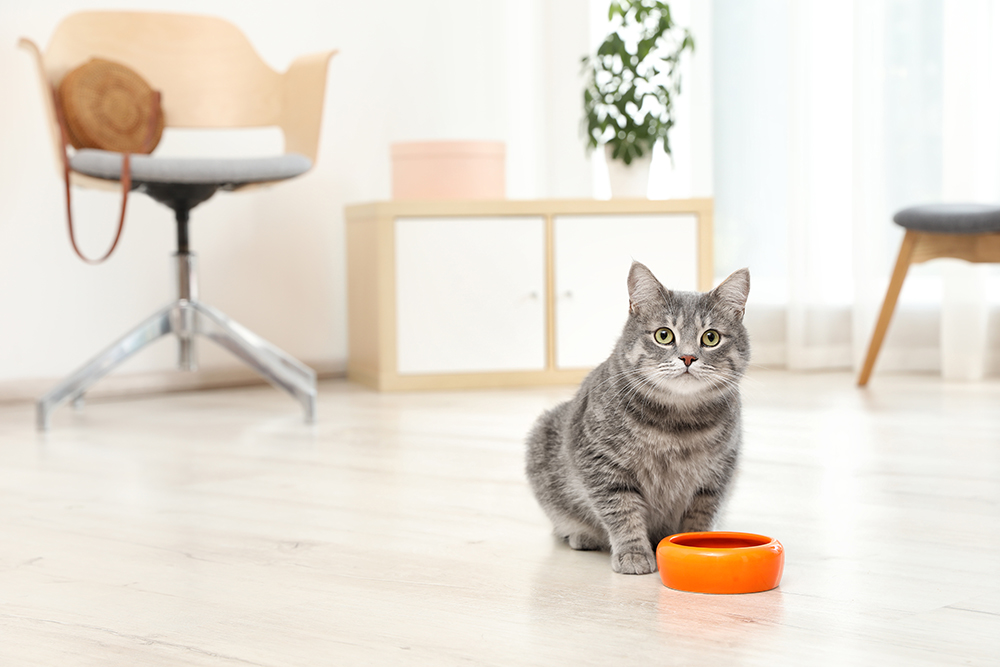
Cats and dogs can drink out of the same water bowl but it should be their choice to do so and not a necessity. They should always have access to separate water bowls so that they can choose which one to drink from.
Generally speaking, as long as your cat and dog get along well, there shouldn’t be any problems with them sharing a water bowl. It may seem unhygienic, but this is not the primary reason for offering separate bowls. Cats are a very different species to dogs and they have different priorities when it comes to their core resources such as food and water.
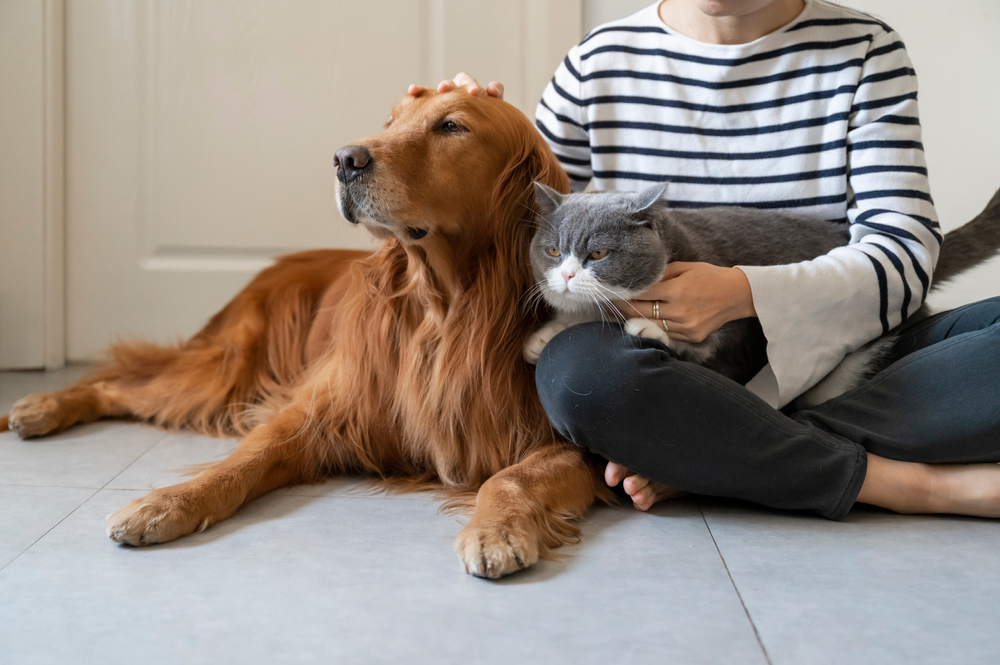
If your cat and dog are already lifelong friends and they’re comfortable with sharing a water bowl, it should be fine. But, if your furry companions seem hesitant or even anxious about sharing their water, you must make sure they have other alternatives.
Possible Dangers
In most multi-pet households, a water bowl shared between a cat and a dog doesn’t carry much danger because these animals already share other things in their environment.
However, if one of your pets has a contagious disease, sharing a water bowl could easily lead to the other pet getting sick. Cats and dogs can transfer harmful pathogens, internal parasites, and infections to each other. Keep in mind that this can still happen if they don’t share their water bowl, but if they do, the chances of such an occurrence are higher. So if one of your pets is unwell, try to keep their food and water bowls separate from the rest of the animals.
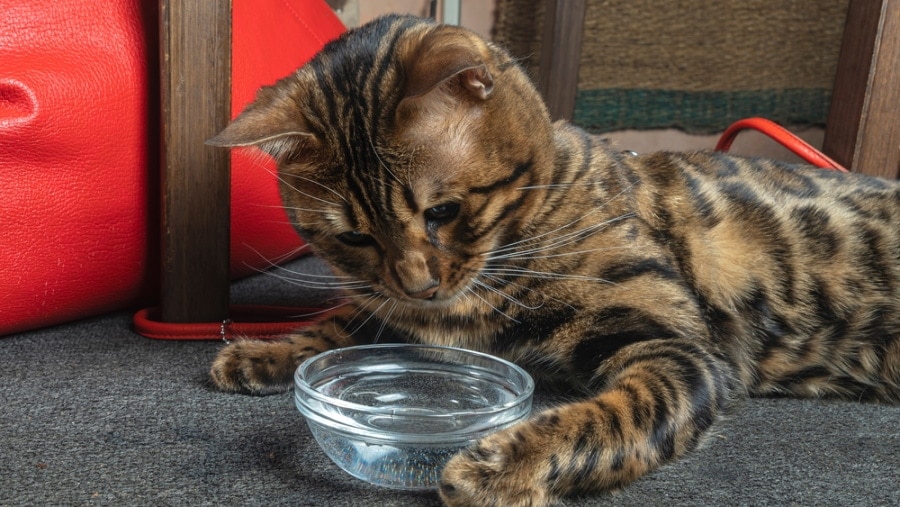
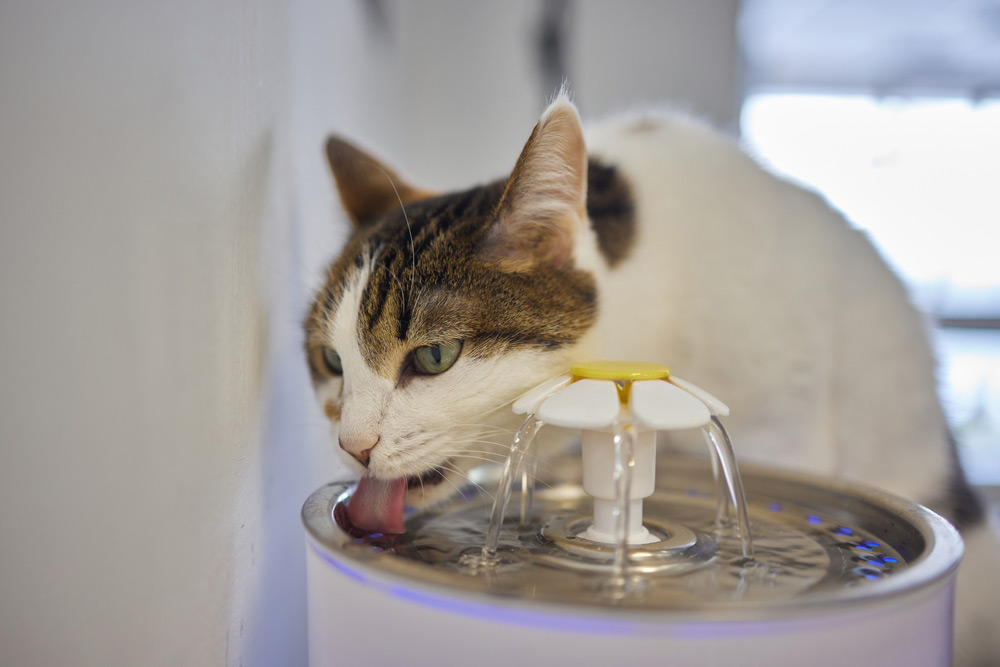
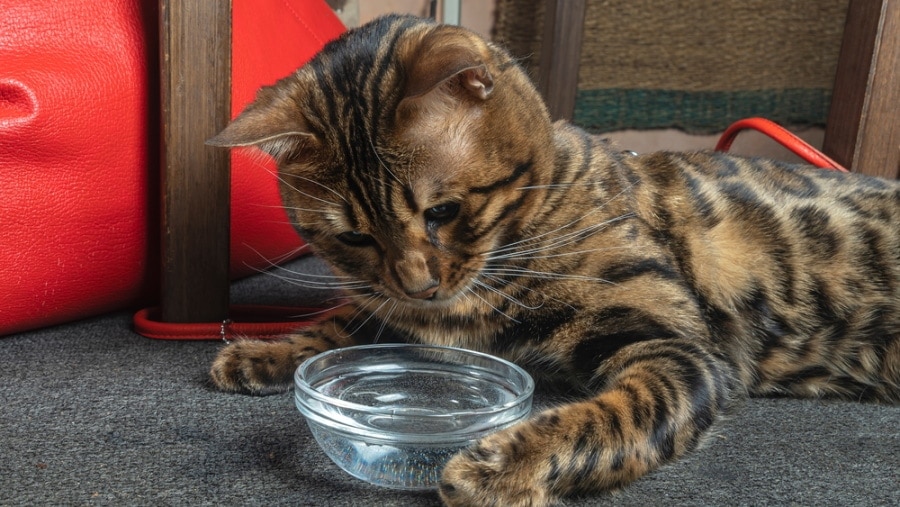
The more commonly encountered problem is that your cat may be reluctant to drink if they have to share a bowl. Cats can be very particular about the shape and texture of their bowls and depth of the water. They also prefer water bowls to be placed away from their food and litter trays as to reduce possible contamination. Cats can also feel more vulnerable when having to stop to eat and drink, especially next to a dog, which can feel threatening to them. Dog water bowls are often in the kitchen or other high-traffic areas and your cat may prefer to drink in a quiet out of the way spot. Adding all of these concerns together may mean that your cat chooses not to come and drink very often.
Tips for Your Cat and Dog Sharing the Water Bowl
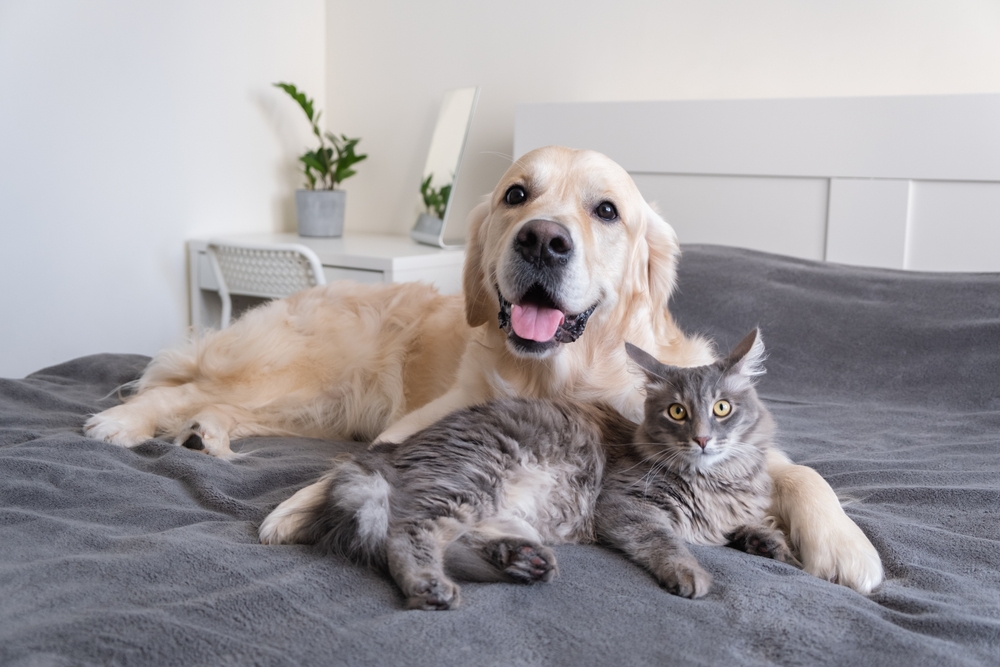
If your pets are getting along well and enjoy each other’s company, you can let them share their water bowl.
Still, there are several things that you should do to make this experience as comfortable as possible for both animals:
- Never force your pets to share their water bowls. It should be something that they willingly do. Otherwise, there could be problems with reduced water intake and anxiety.
- If one of your pets has a contagious illness, it’s best to prevent them from sharing the water bowl until the issue is resolved and both animals are healthy.
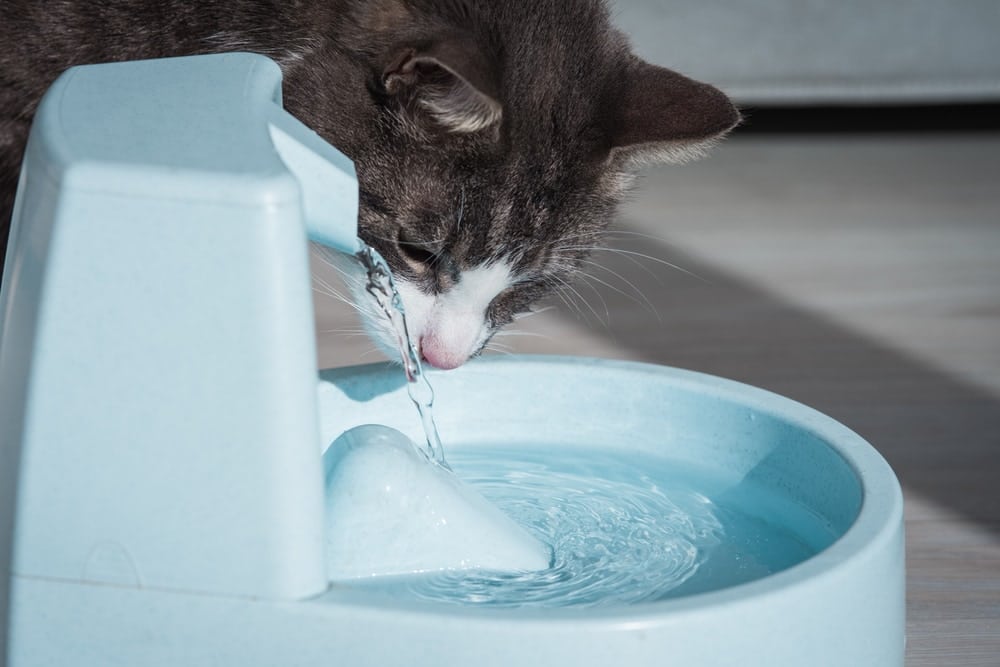
- Make sure there is enough water for both animals. Keep several water bowls around the home so your cat and dog have multiple spaces to hydrate throughout the day.
- Regularly clean the water bowls to remove biofilm and change the water inside to keep it cool and fresh.
How to Properly Maintain Your Pets' Water Bowl
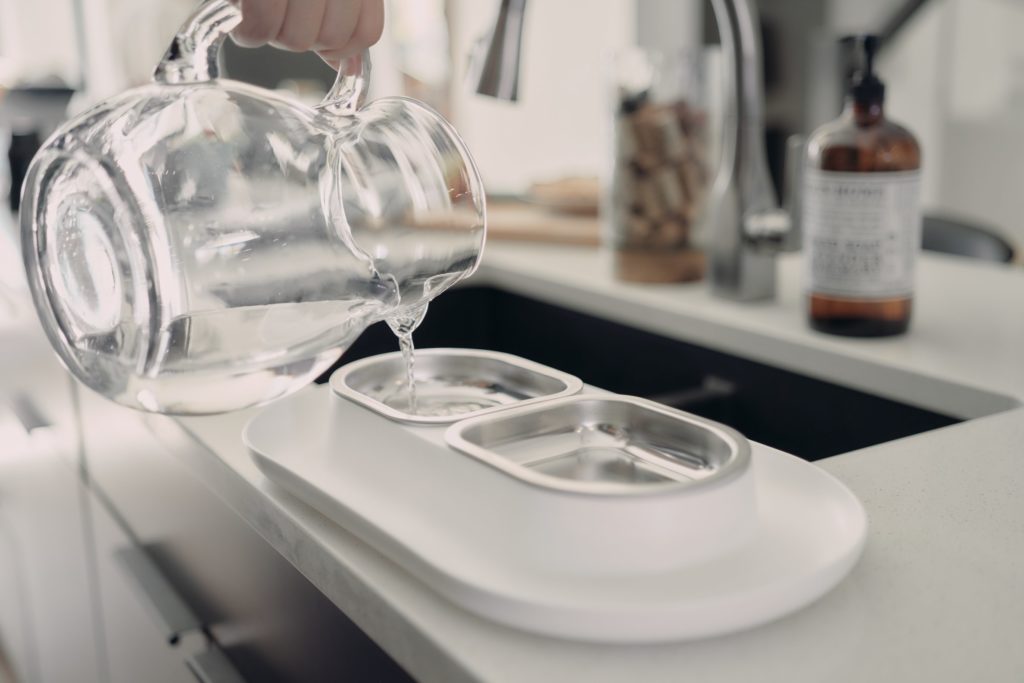
If you plan on having your cat and dog share a water bowl, you’ll need to check that proper hygiene is involved in the whole process.
Here’s a list of things that you should do to ensure that your pets’ bowl is always clean and safe to use:
- Clean the bowl daily, especially since dogs can be sloppy while drinking water.
- Change the water inside the bowl daily or even more frequently if the weather is hot and the humidity is high.
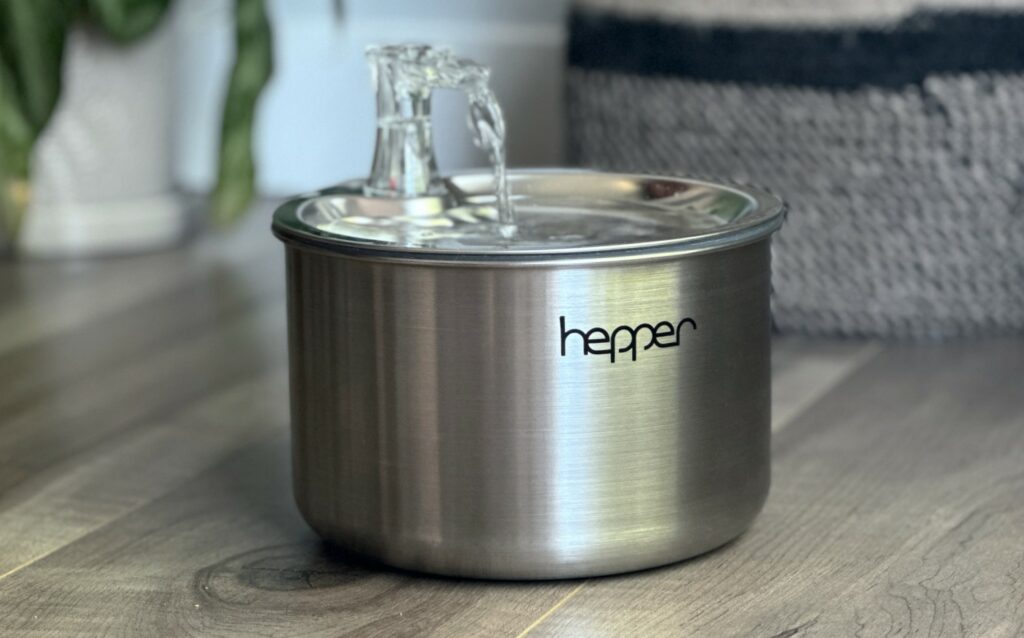
- Consider using a stainless-steel or ceramic bowl as it’s more hygienic and sanitary than plastic.
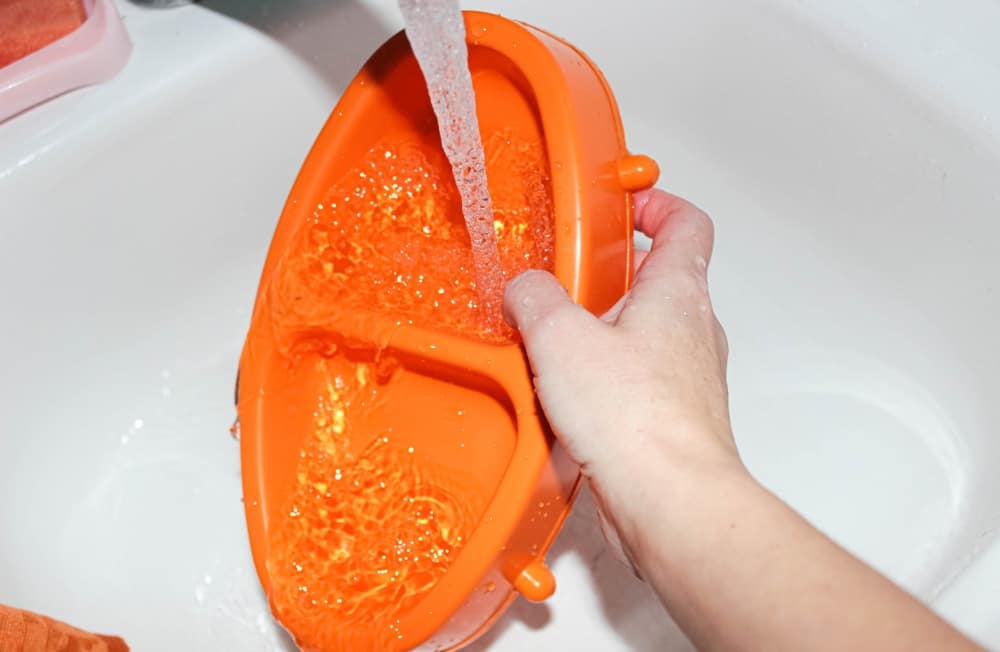
- When washing the bowl, use hot water and unscented dish soap, and thoroughly rinse the bowl before using it again.
Conclusion
Cats and dogs can drink water from the same water bowl as long as that’s something that they enjoy doing, rather than something that they have to do. If your furry friends are healthy and get along, sharing a water bowl is entirely fine as long as you keep up with proper sanitation practices.
However, if one of your pets is ill or sick, it’s best to prevent sharing until you’re sure both of your furry companions are healthy. Sick animals sharing water could lead to the disease transferring to your other pet, causing more problems.
Featured Image Credit: insightzaoya, Pixabay

Expert cat care, straight to your inbox
Vet-reviewed advice, behavior tips, and the best of Catster. Free, and you can unsubscribe anytime.
By signing up, you agree to our Terms & Conditions and Privacy & Cookies Policy.
I'm a creative, adaptable content writer that covers various topics such as DIY, pets, home improvement, travel, gardening, and more.
As a young mom and a college student, I didn’t have enough time to balance my personal and work life, so after multiple years of working a regular 9 to 5 job, I decided to pursue my passion and make a living out of it. I have been writing for a couple of years now, helping people to find valuable and interesting information online.
I believe that writing is a great way to share your knowledge with the community and express yourself. There's nothing that words cannot accomplish, so I always try to use them in the best possible way.
Join the conversation
Ask a question, share your story, or send private feedback.