Can a Litter of Kittens Have Different Fathers? Vet-Verified Facts & FAQ


In this article
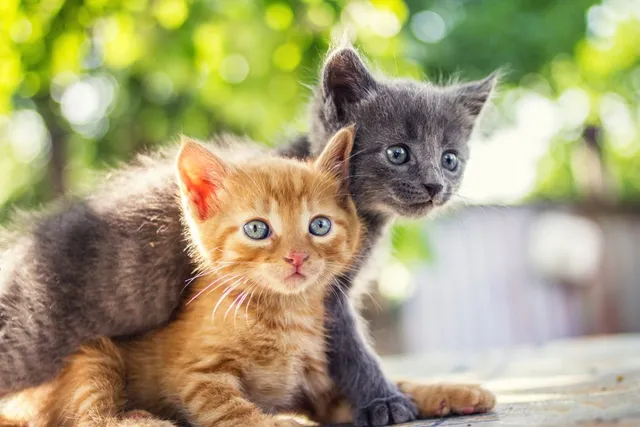
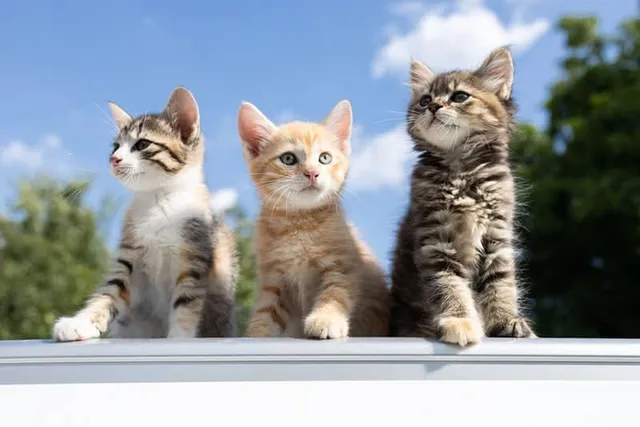
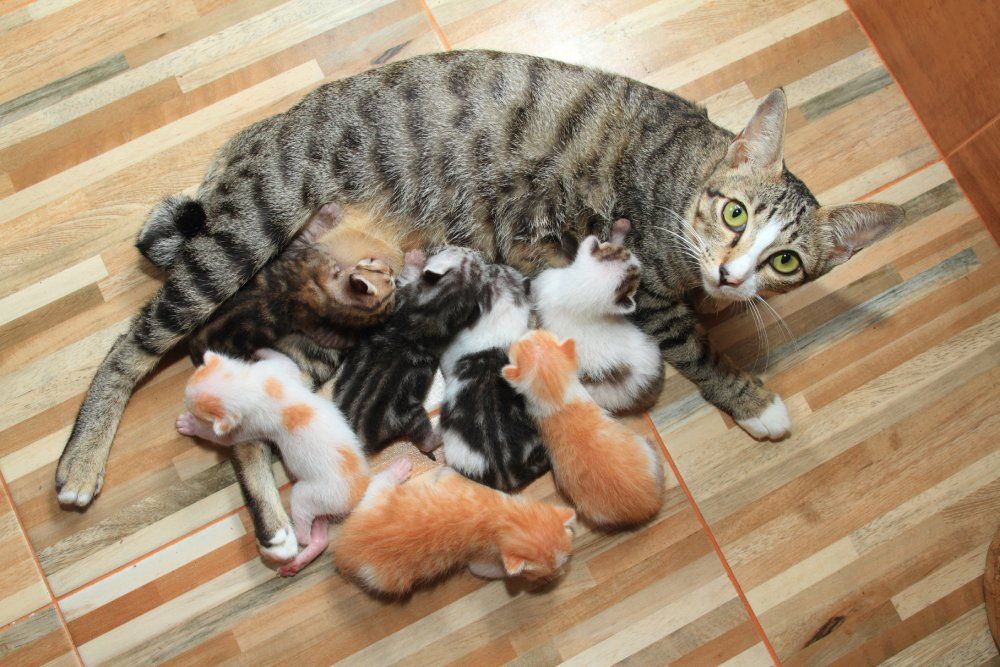
Most of the time, littermates resemble each other a great deal, sharing colors and body shapes at the very least. But sometimes surprises crop up, with one or two kittens who look different from their siblings. So, what could be causing this? Could a litter of kittens have different fathers resulting in different looking kittens?
Yes, queens can be impregnated by multiple toms and bring kittens from other fathers to term during the same pregnancy. It’s called superfecundation.1 In healthy feline pregnancies, each kitten can potentially have a different father.

How Big Are Most Litters?
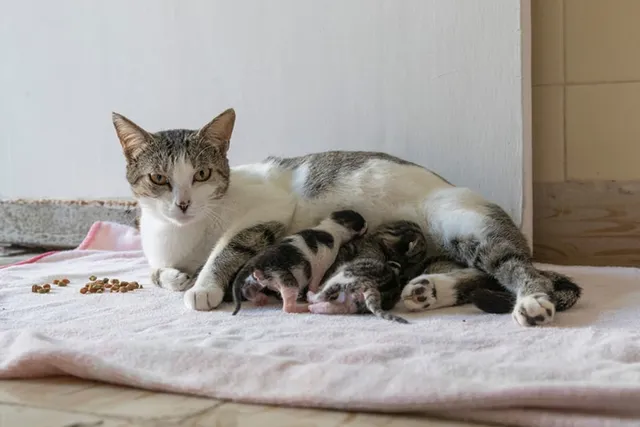
There are four kittens in the average litter, but litter sizes can range from 1–12 kittens. The first litters are often relatively small, with first-time mothers giving birth to no more than two or three babies.
How Often Do Cats Have Kittens?
Cats have a gestational period of 63 to 65 days or around 2 months. Given these numbers, it's possible, but highly unlikely, for a cat to have up to five litters per year. The average queen has three litters per year. However, it is not recommended that females be allowed to reproduce this frequently for their own health and population control.

What Is Superfecundation?
The word fecund is used as a way to describe an animal’s fertility, with fecundity being an estimate of how many offspring they may produce over a lifetime. For example, a fertile cat may produce 6 kittens in a litter, but a particularly fecund cat may produce 30 kittens per year for 6 years or more – that’s at least 180 kittens in her lifetime. Of course, a male cat with high fecundity could father thousands.
Superfecundity refers to the ability to not just produce offspring, but to produce offspring with multiple fathers. The net result is that, within a single litter, the fecundity of more than one male has been increased.
Superfecundation is more common in cats because they are induced ovulators, which means that an egg is only released from the ovary after mating has occurred. This makes it more likely that each ovary may release eggs during separate matings, and there is a greater chance of multiple instances of fertilization occurring.
Superfecundation should not be confused with superfetation, which is the simultaneous presence of different aged fetuses. This has never been observed in cats, but has been described in numerous mammalian species including rabbits, badgers, and even humans!

How Does Cat Pregnancy Work?
Female cats that haven't been spayed first go into heat when they’re around 6 months old and physically mature enough to sustain a pregnancy. Cats in heat often become super clingy and affectionate, demanding more of your time and becoming quite vocal.
Queens often assume the famous lordosis position, with their front paws on the ground and hindquarters raised, indicating an interest in mating. Cats in heat are usually not terribly interested in food, are inclined to spray, and are known for doing just about everything in their power to get outside.
One estrus cycle usually takes 6 weeks but can last anywhere from 1 to 6 weeks. Most cats are in active heat for 7 days, but the period can vary from 1 day to 3 weeks. Cats that don't get pregnant enter a 2 to 19-day period during which they aren't in heat, then the cycle begins again.
Female cats repeatedly mate when in heat. If allowed outside, queens will most likely come into contact with multiple potential fathers. Cats ovulate when stimulated to do so by mating and can release eggs numerous times during one estrus cycle.
While cats bond with people and other cats they spend lots of time with, they don't usually form nuclear family units that revolve around kittens. Most male cats have little or no role in kitten raising, giving queens no incentive to limit potential sexual partners.


When Can I Have My Cat Spayed or Neutered?
Most veterinarians recommend having female cats spayed before they hit 5 months. Cats as young as 8 weeks old can safely be neutered or spayed. Most cats feel back to normal within 3 days after the procedure, and everything should be healed within 2 weeks post-surgery.
Spaying or neutering requires anesthesia, which can take up to 24 hours to recover from. Queens can be spayed in heat or the early stages of pregnancy if needed but there is an increased risk which should be discussed with a veterinarian.
Spaying female cats reduces many unwanted behaviors associated with heat, such as excessive vocalization, spraying, and escape attempts. Neutered male cats tend to be less aggressive and stick closer to home. They're also less inclined to spray.
Timely spaying and neutering also help keep the cat population under control, as one unspayed cat can produce dozens of kittens in a year. Every day kittens and cats are euthanized in shelters because they can't find a home, and unknown numbers of feral cats, often the descendants of pet cats abandoned to their fates, roam the streets of cities around the world. Spaying and neutering limit the growth of the unwanted pet population.
There are also health benefits to sterilization such as the removal of the risk of testicular, ovarian, and uterine cancers and the reduction in the risk of mammary cancer.
Does Pet Insurance Cover the Costs of Feline Pregnancy?
It depends. Most pet insurance plans don't cover feline pregnancy. Pet insurance plans tend to fall into two groups: those that take effect in case of an emergency and others that concentrate on wellness and routine care.
Even when not explicitly excluded from coverage, costs related to feline pregnancy are often not reimbursed. Some plans cover emergency procedures like c-sections, and others don't so read the fine print before assuming your pet insurance has you protected in case your cat becomes pregnant.
It's possible to find insurance policies and add-ons that cover pregnancy. But remember that most pregnancy-related riders can't be purchased after a cat has already become pregnant. These plans aren't designed to cover accidental pregnancies.
Some, but not all, pet insurance plans with a wellness focus pay for some costs associated with spaying or neutering your pet. These plans often reimburse standard care, such as annual visits and vaccinations. There is a costly investment to sterilizing your cat and you can ask a veterinary clinic what this will be and what the cost includes (pain relief, stitch removal, post-operative check).
Plan on paying anywhere from $300 to $500 to spay a female cat and around $200 to neuter a male. However, many rescue organizations and shelters offer low or no-cost spay and neuter operations.

Conclusion
A litter of kittens can have different fathers. It's called superfecundation, and it's a pretty common phenomenon in cats. Cats don't form nuclear families with a mom, dad, and a few kittens; queens typically do all the kitten raising on their own, so there's no evolutionary advantage to limiting mating partners. Female cats remain in estrus for an average of 7 days and often mate multiple times with different males during that period, which can lead to kittens in one litter having different fathers and different appearances.
Sources
Featured Image Credit: tanewpix289, Shutterstock
Expert cat care, straight to your inbox
News, insights, and useful advice, delivered to you.

No spam — unsubscribe anytime.
By signing up, you agree to our Terms & Conditions and Privacy & Cookies Policy.
How useful was this post?
Click a star to rate. You can leave written feedback afterwards. (We read all feedback.)
Lorre Luther is a writer who is firmly convinced that cats are smarter than humans. She left her law career in the United States and moved to the Netherlands to follow her dream of becoming a writer. Lorre currently lives in Rotterdam, she enjoys traveling and greatly appreciates the beauty of nature. Lorre has a spot for animals and admires the intelligence of cats.