Get

In Your Inbox

Catster is reader-supported. When you buy via links on our site, we may earn an affiliate commission at no cost to you. Learn more.

Are Siberian Cats Hypoallergenic? Breed Facts & Allergy Tips

Share

mackerel siberian tabby cat sitting on the grass

The Siberian cat, also known as the Siberian Forest Cat, is considered Russia’s national cat. This ancient, natural breed is known for its thick, triple-layered coat that becomes even denser in cold weather.

Because Siberians are often described as “hypoallergenic,” many allergy sufferers wonder whether they might be a safer choice. However, no cat breed is truly allergy-free, and there is currently no strong scientific evidence proving that Siberian cats consistently produce lower levels of Fel d 1, the primary protein responsible for cat allergies. Individual reactions vary, but no breed can be guaranteed to cause.1

divider cat paws 2 oct 2024

Siberian Cats’ Physical Attributes

In terms of size, Siberian cats are medium to large cats. They are well-muscled and athletic. Their eyes can be blue, gold, or green, and some have differently colored eyes. Their legs are medium length, with the hind legs slightly longer than the front legs.

They have a triple coat that is water-resistant, and baths are rarely needed. The coat thickens before cold weather arrives and varies in texture from soft to coarse. They shed their coat seasonally, and grooming frequency might need to increase during these times.

Siberian cats come in almost all colors and patterns. As with all cat breeds, the males are slightly bigger than the females.

Norweigan Forest Cast vs Siberian Cat
Image By: thabisfotowelt, Pixabay

What Causes Cat Allergies?

Is a member of your family experiencing allergies around your Siberian? Cat allergies are not caused by fur itself, but by proteins that cats naturally produce. The main allergen is Fel d 1, a small protein primarily produced in the salivary and sebaceous (skin) glands.

When a cat grooms, saliva containing Fel d 1 spreads onto the coat. As the saliva dries, the allergen becomes attached to fur and microscopic skin flakes (dander), which can then become airborne and easily inhaled. This is why people may experience symptoms even without directly touching the cat, because allergens are carried on dander and hair, and they can accumulate in carpets, furniture, bedding, and clothing.

divider cat paws 2 oct 2024

How to Know If You Are Allergic to a Siberian Cat

Lynx Point siberian cat
Image By: dien, Shutterstock

1. Visit Your Doctor

Before getting the Siberian in your home, you should visit your doctor or allergist and speak to them about the severity of your allergies and your management options. Doing this early helps you determine what is specifically causing the allergic reaction.


2. Spend Time With the Cat

Some breeders allow you to hang around with the Siberian cat for a couple of hours before you fully commit to taking them home. This process lets you know if the cat is healthy, if they trigger the hypersensitivity, and whether the cat is a good fit.

divider cat paws 2 oct 2024

Tips to Reduce Allergies

There are several methods that you can also incorporate into your routine to reduce the occurrence of allergic reactions. Remember to wear a disposable face mask or get a non-allergic person to do this for you.

1. Regular Grooming

Siberian cats shed twice a year. During the other periods, they may have loose hairs, which eventually shed on your floor or carpet. Ensure you brush your cat frequently to keep the loose strands to a minimum.
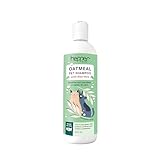
Hepper Oatmeal Shampoo
  • Only Natural Pet Shampoo - Our vegan, plant-based formulation is made with safe and natural...
  • No Soap - A cat and dog wash free from soaps, glutens, dyes, DEA, sulfates and phthalates means it's...
  • Colloidal Oatmeal - Formula soothes and nourishes dry, irritated skin, providing itchy skin relief...

Although there is no such thing as a completely hypoallergenic pet, regular bathing can help reduce the amount of dander allergens in their fur and the air. We recommend Hepper's Oatmeal Pet Shampoo for this task. Click here to order yours today

At Catster, we’ve admired Hepper for many years and decided to take a controlling ownership interest so that we could benefit from the outstanding designs of this cool cat company!

2. Regular Housecleaning

A thorough vacuum and sweeping session will reduce fur and dander in your home. It also clears up the air in your home, so there are no floating fur hairs. It’s best to invest in a good vacuum cleaner with a HEPA filter designed for pet hair.

A Person Vacuuming a Carpet
Image By: Liliana Drew, Pexels

3. Limit Interaction Between Pet and Affected Individuals

If you can, reduce the interaction or cuddles between your Siberian cat and the person experiencing the allergies.


4. Proper Handwashing

Immediately after handling or cuddling your cat. If you are hypersensitive to the fur or saliva, scrub up periodically during the day to prevent allergens from coming into contact with your nose or eyes.

woman washing her hands
Image Credit: Slavoljubovski, Pixabay

5. Have a Pet-Free Room

Ensure your Siberian doesn’t enter certain parts of the house, especially your bedroom. That way you can have a good rest without worrying about cat hair or dander.


6. Proper Research

There are so many breeds of cats worldwide. Each new day, breeders develop improved varieties that have become popular with families. Before getting a cat, find out if you or anyone in the family is allergic. You can also consult breeders or vets to find the best pets to keep for allergy sufferers.

divider cat paws 2 oct 2024

Siberian Cats as Pets

a siberian kitten on white background
Image Credit: dien, Shutterstock

These breeds of cats are very favorable for children. They are calm and easygoing and enjoy the company of their owners, dogs, and other animals. Siberian cats are very affectionate and playful. As low-allergy cats, they are easier to manage than other varieties and are ideal for families.

divider cat paws 2 oct 2024

Summary

Siberian cats are affectionate, intelligent, and adaptable companions. However, they are not truly hypoallergenic. Although some individuals may trigger milder allergic reactions, all Siberians still produce the Fel d 1 protein that causes most cat allergies.

If you or a family member has allergies, it’s important to consult your doctor before adopting and to spend time with the specific cat whenever possible. With proper research and environmental management, some allergy sufferers may successfully live with a Siberian, but results vary from person to person.


Featured Image Credit: Massimo Cattaneo, Shutterstock

Want content like this delivered to you?

Sign Up For Our Newsletter

News, insights, expert advice, and everything cat

* By submitting, you agree to our Terms & Conditions and Privacy & Cookies Policy.


How useful was this post?

Click on a star to rate (you can leave written feedback after clicking submit)

Help us improve Catster for pet parents!

Your feedback really matters.

What did you like about this post? Also how can we improve it?

Join the conversation

Leave a Reply

You’re very welcome to leave a comment or question. Please know that all comments must meet our community guidelines, and your email address will NOT be published. Let’s have a positive and constructive conversation.


Catster's Digital Magazine is Back!

Vet-approved health & behavior advice

Real cat stories & community features

Chatting About Big Cat Tourism, Lion Hunting, and Learning From Our Mistakes | Chatty Cattys, Episode 26

In this episode of Catster’s Chatty Cattys podcast, Nicole and Dr. Karyn dive into the dark side of big cat tourism and the...

Why Cats Sit by the Door (But Don’t Go Through It)

Door-sitting is one of those quirky little habits that almost every cat owner experiences at some point. You know how it goes: a...

Six Legs Are Better Than Three – How A Tripod Dog and Kitten Found Friendship Through Recovery

Sometimes the most meaningful friendships begin in the most unexpected places. At a Maryland veterinary hospital operated by Last Chance Animal Rescue, two...

The Original Space Invaders – Why Zero Respect for Personal Boundaries Is a Good Thing

Cats have a reputation for being independent, and in many ways they are. But anyone who has tried to work at a laptop...

More related

How Do Cats Walk? Our Vet Explains

Any cat owner whose ankles have fallen victim to a sneak attack from a playful kitty knows that sometimes you can’t hear them...

Can I Feed My Cat Different Brands Of Food? Vet Approved Advice

As humans, we can’t imagine eating the same food over and over again, so when it comes to our cats, is variety really...

How to Put a Cat on a Diet: How, Why & 4 Vet-Approved Steps to Follow

As you may or may not know, cat obesity is a problem in the United States, so much so that up to 63%...

How Does a Cat Purr? The Evolution & Meaning Behind a Purr (Vet Reviewed)

Cats are known for their adorable vocalizations, and their purring is usually a sign of contentment and happiness. But have you ever wondered...

Keep reading

How to Litter Train a Stray Cat: 9 Vet-Reviewed Tips & Tricks

Although cats are very clean animals and respond well to litter training, you might need to show them the ropes if you bring a stray cat home. While adopting a stray cat can be a rewarding experience, first ensure they...

orange cat beside litter box

11 Health Benefits of Cat Grass: Vet-Reviewed Facts & Tips

Cat grass is a popular addition to many cat households, offering a variety of health benefits for our feline friends. In this article, we’ll explore 11 health benefits of cat grass, providing information on its uses, tips, and safety precautions....

Gray tabby lovely fluffy cat eating fresh green grass

How Long Do American Shorthair Cats Live? Average Lifespan Data & Facts

Studies have shown that owning a cat can reduce stress levels and improve mental health, leading to a longer and happier life. But not all cats are created equal when it comes to lifespan. The American Shorthair, for example, is...

American shorthair male cat tabby

What Is the Difference Between Cat & Human CBD Oil? Vet-Verified Facts & Safety Guide

With increasing reports and testimonials, CBD is often discussed for potential use in anxiety, nausea, depression, pain, and more. With significantly more research available on human CBD, you may be wondering what the differences between CBD for humans and CBD...

maine-coon-cat-lying-near-CBD-oil

Can Cats Survive On Their Own By Hunting Wildlife? Vet-Approved Explanation

Cats are predators; even those who prefer to spend their time curled up in comfortable beds have the bodies and instincts of skilled hunters. The only real difference between feral cats and well-loved pets is their level of socialization. Cats,...

semi feral cat sitting on the ground looking up

Why Feral Kittens Only Have Months to Learn Everything

Watch a mother cat with her litter long enough, and you’ll notice something remarkable: she’s not just feeding them. She’s running a survival school. Every interaction teaches her kittens something they’ll need when she eventually leaves, whether that’s in a...

kitten in grass

My Older Cat Is Playing Rough With My Cat, Is That Normal? Vet-Reviewed Facts & FAQ

Cats seemingly never grow up. Even the eldest of cats is known to have a little fun now and then, swatting a fly or two when relaxing outside. Play is intrinsic in cats, and for good reason. It helps cats...

cats playing outside the house

Senior Cat Wellness Checks & Care (Vet Reviewed)

Whether you adopt a kitten, a young cat, or a feline already in their senior years, eventually you’ll need to care for them when they’re older. While those with younger pets don’t have to worry about this for a while,...

ginger-cat-in-vet-clinic

Love Cats? So Do We! Join the Catster Community

Stay informed with expert pet care insights delivered straight to your inbox! Discover professional guidance on animal behavior, feeding tips, trusted product picks, and much more.


Sign up for the Catster Email Newsletter

Stay informed with expert pet care insights delivered straight to your inbox! Discover professional guidance on animal behavior, feeding tips, trusted product picks, and much more.


