Are Pepper Plants Poisonous to Cats? Vet-Reviewed Houseplants Examined


If you’re a cat owner, you may be wondering if pepper plants are poisonous to cats. It’s always best to make sure any plant around your home is safe for your cat, especially if your feline likes to roam in your garden. Pepper plants should be avoided or kept away from cats, where they can’t reach them.
Bell peppers, or sweet peppers, aren’t toxic to cats. If a cat eats a piece of bell pepper, it's harmless. The risk comes from cats eating the stems or leaves of the bell pepper plant. Chili peppers or other hot peppers should be kept away from cats completely.
They should not eat the plants' stems, leaves, or peppers. Read on to find out the reasons why.

Bell Pepper Plants & Cats
Bell pepper plants belong to the nightshade family, which includes tomatoes, potatoes, and eggplant. Nightshade plants contain an alkaloid called solanine, a chemical that acts as a natural insecticide in the plant to keep it safe.
If your cat chews and swallows a piece of a bell pepper plant, the solanine could potentially be toxic to them. The signs of solanine poisoning include lower gastrointestinal distress, such as vomiting or diarrhea. Lethargy and loss of appetite usually follow.
If you suspect your cat has solanine poisoning, take them to the vet immediately for treatment. They may need fluids to combat dehydration and medication to stop the vomiting. The signs can usually be controlled if treatment is sought quickly.
If you can, take a photo of the plant that your cat has eaten and bring it to the vet so they can identify it. Your cat’s condition will be closely monitored, and treatment will be adjusted based on the severity of the signs.
Solanine poisoning is rarely fatal, but untreated signs can become dangerous for your cat and lead to other more severe issues.

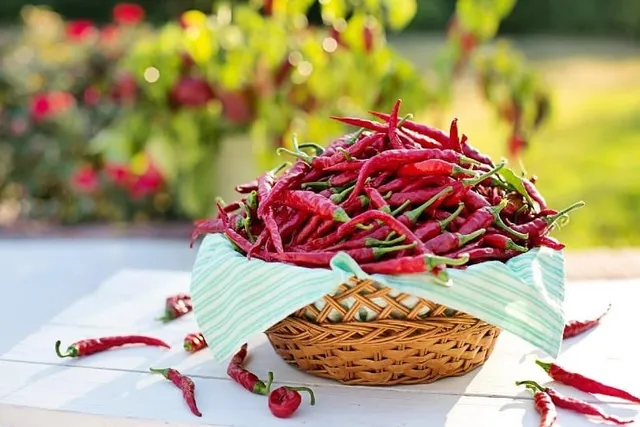
Chili Pepper Plants & Cats
Ornamental, hot pepper and other pepper plants can also be toxic to your cat. Solanine is in these plants, and so is capsaicin. It is an alkaloid that gives hot peppers their heat. The chemical is an irritant that can cause a burning sensation in the mouth and any place where it makes direct contact with tissue. That is why you should never rub your eyes after cutting jalapeños.
One reason capsaicin naturally occurs in plants is to keep them safe from animals in the wild. Humans may find the burning sensation of capsaicin appealing, but it’s naturally used as a deterrent. Cats will take a nibble of a chili pepper plant and not want to take another. The plant will not taste good to them because it’s designed to keep animals away.
If your cat eats multiple chili pepper plant leaves, stems, or peppers, they will consume excessive amounts of solanine and capsaicin. This can cause pain to their mouths, lips, and mucus membranes, as well as gastrointestinal issues like vomiting and diarrhea.
The effects of capsaicin typically occur quickly after a cat eats a pepper plant, and you’ll notice signs of distress right away. Watch for:
- Drooling
- Diarrhea
- Fatigue
- Vomiting
- Weakness
- Seizures
- Ulcers in the mouth
- Decreased breathing rate
- Shock
If you notice any of these signs, take your cat to the vet immediately. Treating the signs and helping your cat flush the toxins from their system will be necessary for a complete recovery.
My Cat Ate a Pepper Plant! What Do I Do?
You don’t have to do anything right away. If you notice that your cat has chewed or bitten a plant's leaves, stems, or peppers, they may not have consumed enough to become ill. Contact your vet for advice if you need reassurance. In the meantime, watch your cat for adverse reactions.
Your vet may want to see your cat for an exam to ensure they’re not symptomatic and their vitals are normal. Medical treatment may not be necessary. If your cat eats a bit of the plant, there is no need to panic. Just be aware of the signs and know what to look for. If you notice that your cat is acting abnormally or showing any signs of being sick, take them to the vet immediately.
What Other Plants Should Be Avoided?
If you’d like to have a cat-friendly garden, you should avoid pepper plants, as well as the following:
- Tomatoes
- Onions
- Chives
- Garlic
- Potatoes
But this doesn’t mean you can’t grow anything! To make sure your cat is safe, fill your garden with these plants instead:
- Basil
- Cucumbers
- Squash
- Pumpkins
- Carrots
- Beans
- Celery
- Lettuce
- Peas
- Broccoli
- Spinach
You can also grow catnip or cat grass! Your cat can have their very own plant, which can encourage them to leave your other plants alone.
Keep a Cat-Free Garden
If you have a cat that ventures outdoors but want to grow pepper plants or any other unsafe cat plants, you can try to make your garden unappealing to your cat or restrict their access to it altogether.

Use Scent
Cats do not like the smell of citrus. Scattering fresh or dried citrus peels on the garden ground may be a quick fix to keep the cats away from that area.
Dried herbs can also be scattered around the area to deter cats. Dried rue and lavender can be sprinkled over the ground. A few drops of lavender, lemongrass, or citronella oil may also work.
Use a Barrier
Perhaps the best way to ensure your cat stays safe around your garden plants is to make them inaccessible. You can cover the sides and top of your garden with chain link fencing or chicken wire.
Cover the ground with scat mats to make it uncomfortable for cats to walk near the plants. The mats don’t hurt the cats, but they won’t like the feel of the blunt plastic knobs. You can cut the mats to fit your garden area, but it takes time to install them since they have to be covered with soil, exposing only the spikes. If they aren’t covered, cats can figure out how to move them out of the way.
Conclusion
Pepper plants contain solanine, an alkaloid that naturally occurs in the plants to keep them safe from insect damage. Chili pepper plants also have high levels of capsaicin, which gives peppers their heat.
Cats can become ill if they eat large amounts of either solanine or capsaicin. Consider growing different plants instead or creating barriers in your garden to keep your cat away from these plants.
If your cat eats a piece of a pepper plant, there’s no need to worry unless they show signs of poisoning. If you notice an adverse reaction, take your cat to the vet immediately for treatment.
See also:
Featured Image Credit: Nick Artman, Unsplash
Expert cat care, straight to your inbox
News, insights, and useful advice, delivered to you.

No spam — unsubscribe anytime.
By signing up, you agree to our Terms & Conditions and Privacy & Cookies Policy.
How useful was this post?
Click a star to rate. You can leave written feedback afterwards. (We read all feedback.)
Jessica is a lifelong resident of Chicago who has shared her home with furry, feathered, and scaly pets for over 30 years. Animal enthusiast since childhood Jessica owned and operated a pet care company. Nowadays, Jessica is a full-time writer who loves to explore all animal topics while contemplating the birds and squirrels enjoying the oasis of her backyard.