Get

In Your Inbox

Catster is reader-supported. When you buy via links on our site, we may earn an affiliate commission at no cost to you. Learn more.

Can Cats Eat Black Pepper? Vet-Approved Precautions & Alternatives


Share

Can Cats Eat Black Pepper

People have been peppering their dishes for over 4,000 years since black pepper was first used in India. Since its discovery, it’s only grown in popularity and has become a staple in households around the world. Black pepper has been a welcome addition to the human diet, but what about cats? Although it’s not toxic to cats, black pepper is too spicy and can give your cat an upset stomach. Below, we’ll discuss why black pepper isn’t suitable for cats and which herbs or seasonings cats can consume.

divider 3 paws

Can Cats Eat Black Pepper?

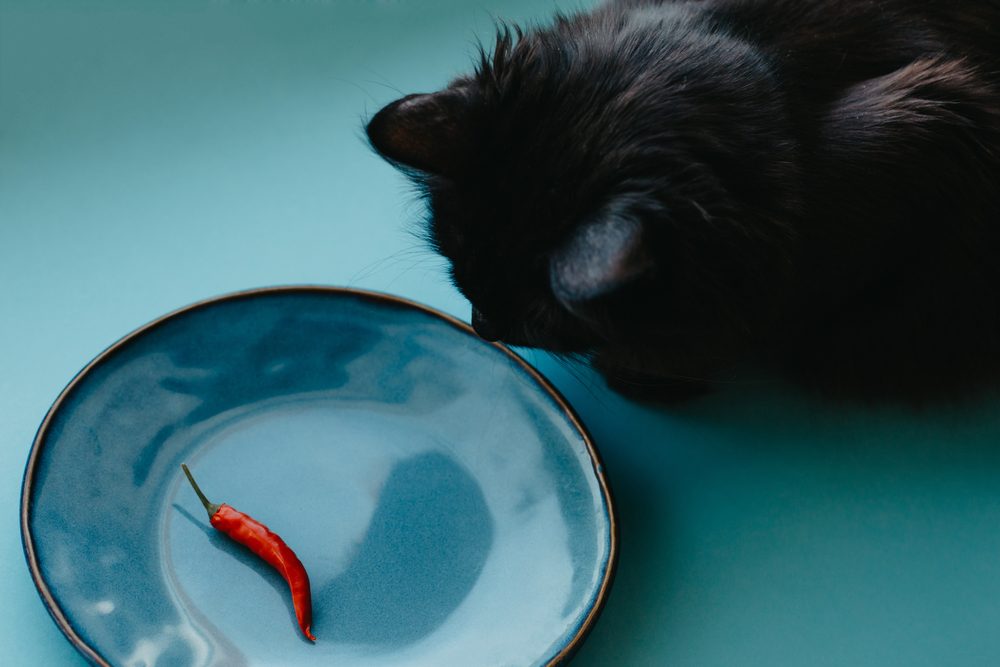
Black pepper contains piperine, which is the compound that gives it its heat. While humans can handle piperine without issue, the same can’t be said for cats. It can lead to irritation and discomfort for your cat and may cause diarrhea, vomiting, and sneezing.

Cats and humans are very different; as omnivores, humans can eat plants and meat, but cats are obligate carnivores. Obligate carnivores cannot properly digest plant matter and cannot survive off plants. While pepper shouldn’t cause any problems in small quantities, too much pepper can lead to digestive issues.

Also, if the pepper gets into your feline’s eyes or nose, it can cause severe irritation and burning, so it’s best to keep it away from your cat, especially as most cats like to have a thorough sniff of anything they’re going to eat.

a ginger cat sneezes
Image Credit: Ihtar, Pixabay

Can Cats Eat Food That Has Been Seasoned With Black Pepper

While a bite of something seasoned with black pepper probably won’t do any harm, other seasonings on the food could, and it’s not worth the risk. Foods seasoned with black pepper may also contain garlic or onion, which can be fatal for your cat. At the end of the day, giving your cat food with black pepper won’t do any good for them but can do a lot of harm, so it’s best to keep it away from them.

Get Free Cat Food Recall Alerts!

Have a cat? Stay on top of cat food recalls here


divider 1 paws

Safe Herbs for Your Cat

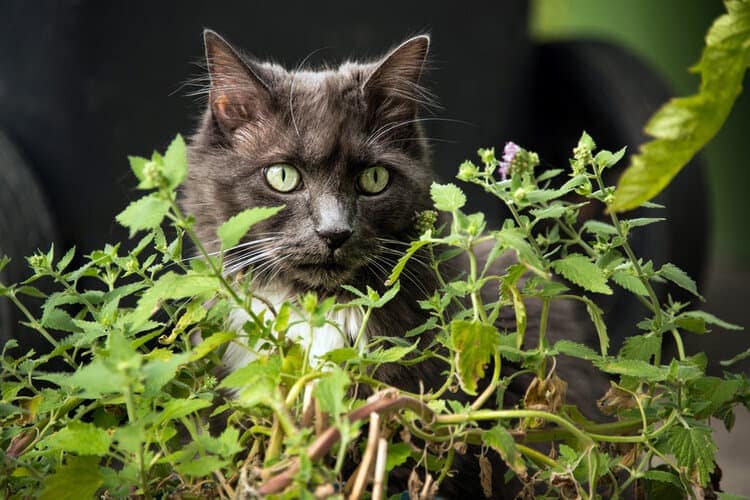
It’s not a good idea to feed black pepper to your cat, but are there other seasonings or herbs they can consume? Cats don’t require herbs of any kind in their diet, but here are some that are safe for them to consume occasionally.

1. Catnip

jar of catnip
Image Credit: Gaston Cerliani, Shutterstock

Let’s get the most obvious one out of the way first: everyone has heard of catnip and its unique effects on felines. It provides a brief burst of energy that can encourage lazy cats to play more and exercise. If a cat consumes catnip, it can help them fall asleep. However, you should only purchase culinary-grade catnip that’s safe to consume if your cat likes to eat it. Some cats don’t react to catnip, but other herbs can produce similar effects.


2. Cat Thyme

If catnip doesn’t work on your feline, you can try giving them cat thyme. Cat thyme has similar calming and stress-relieving effects as catnip. However, cat thyme has two downsides and the first is that it smells awful. The second is that it grows very slowly, so if you’re growing it yourself, you may want to have a few plants.


3. Licorice Root

Licorice Root
Image Credit: psaguer, Pixabay

Licorice root carries many benefits for your cat. It can help soothe allergies and digestive issues, and it also has anti-inflammatory properties, making it useful for cats with arthritis. On top of all that, it soothes mucus membranes, makes colds less dreadful for your poor kitty, and tastes great.


4. Valerian

Valerian is a great example of how different cats and humans are. It helps humans relieve stress and get a good night’s sleep, but its effects on cats are the exact opposite. Valerian is a stimulant for felines and gives them a boost of energy. It is great for getting lazy cats up and moving, which is ideal for owners trying to get their cats to lose weight. Unfortunately, it has a potent odor that most cat owners find unappealing.

divider 1 paws

Closing Thoughts

If your cat sneaks a bite of food seasoned with black pepper, they’re unlikely to have an adverse reaction. However, black pepper is unsuitable for cats and should not be fed to them. It can cause vomiting, diarrhea, and irritation if they consume it, but it can also cause respiratory issues if they inhale too much. We discussed a few herbs that are safe for your cat to consume, but before you introduce anything new to their diet, you should consult a vet to ensure they’re suitable for your cat.

Need veterinary advice but can't get to the clinic? Catster recommends PangoVet, our online veterinary service. Talk to a vet online and get the answers and advice you need for your cat without having to leave your living room — all at an affordable price!

PangoVet_Mention-in-Content for PangoVet2 save money


Featured Image Credit by: innakreativ, Shutterstock

Want content like this delivered to you?

Sign Up For Our Newsletter

News, insights, expert advice, and everything cat

* By submitting, you agree to our Terms & Conditions and Privacy & Cookies Policy.


How useful was this post?

Click on a star to rate (you can leave written feedback after clicking submit)

Help us improve Catster for pet parents!

Your feedback really matters.

What did you like about this post? Also how can we improve it?

Join the conversation

Leave a Reply

You’re very welcome to leave a comment or question. Please know that all comments must meet our community guidelines, and your email address will NOT be published. Let’s have a positive and constructive conversation.


Catster's Digital Magazine is Back!

Vet-approved health & behavior advice

Real cat stories & community features

Chatting About the Rainbow Bridge, Euthanasia, and Laughter During Grief | Chatty Cattys, Episode 24

If you’ve ever felt the loss of a beloved cat, or are dreading the day when your pet crosses the rainbow bridge, you’ll...

The Simple Reasons Cats Refuse to Let Anyone Use the Bathroom Alone

Cats have an extraordinary talent for making themselves present in the most inconvenient places, and the bathroom ranks near the top of the...

A Paw-sitive Milestone: Canada Officially Becomes a Declaw-Free Nation

Canada has officially become a declaw-free nation. On May 25, 2026, a new regulation was filed in Ontario under the Provincial Animal Welfare...

The Surprisingly Simple Ways to Help a Cat With Hairballs

Cats spend an astonishing amount of time grooming. It is part hygiene routine, part comfort ritual, and part instinct that traces back generations....

More related

Why Is My Cat Licking Everything all of a Sudden? 5 Vet-Reviewed Reasons

Cats have amazing tongues; they’re full of special powers that we can’t even begin to understand. Kitties use their tongues to do everything...

How Do Cats Really Feel When You Work From Home? Cat Feelings Explained (Vet-Reviewed)

The COVID-19 pandemic made working from home more common. Many people have had to learn to make adjustments to new work habits and...

What is a Dilute Calico Cat? Vet Verified Facts (With Pictures)

Most people have heard of calico cats, though not everyone knows what they are. These rare cats are exceptionally beautiful, which is the...

Papillomas in Cats: Causes, Care & Treatment (Vet Answer)

Papillomas is a fancy term for warts. Warts can be singular, or there can be multiple—sometimes to the point that an entire region...

Keep reading

Dwarfism in Cats: Causes & Care Tips (Vet-Verified)

Different cat breeds are predisposed to certain genetic conditions, and knowing which conditions your cat may be prone to can help you prepare preventative care for your pet. While not all genetic conditions are easily observed, some are much more...

munchkin-kitten-sitting

Why Does My Cat Lick My Face? 8 Vet-Reviewed Reasons for This Behavior

Kitty kisses can be cute and endearing, but being incessantly licked by a tongue that feels like sand can be uncomfortable and irritating to some people. For cats, it’s not always a positive or pleasurable experience, and it may actually...

Cat licking a woman's face

Can Cats Eat Green Beans? Vet-Verified Nutritional Guide

Being a cat owner comes with a unique set of challenges. Not only are cats a bit high-strung at times, but their diets are also different from those of dogs. Cats have one basic need when it comes to their...

Can Cats Eat Green Beans

Can Cats Eat Cantaloupe? Vet-Approved Nutrition Facts & Advice

In the wild, cats eat an all-meat diet. But some of our house cats seem to enjoy trying a variety of foods, even ones that would never naturally be found in their food regimen. One food that cats commonly seem...

Can Cats Eat Cantaloupe

Can Cats Eat Cream Cheese? Vet-Reviewed Nutrition Facts & FAQ

Most cats love dairy foods. The stereotypical cat loves milk, though it may upset most actual cats’ stomachs. But what about cream cheese? While cream cheese isn’t toxic to cats, it isn’t exactly the best option for them either. Cream...

Can Cats Eat Cream Cheese

How to Safely Burn Incense Around Cats: 3 Vet-Approved Tips

Incense is a plant material that gives off certain scents when burned, and it’s been around for centuries. People use it for multiple purposes, such as meditation, getting rid of negative energy, relaxation, and aromatherapy. Incense is deeply embedded within...

lighted incense stick

The Refuresh Deshedding Tool – It’s No Ordinary Brush

Love Cats, Hate Cat Hair Certain things seem to go hand-in-hand with sharing your life with a cat, with hairballs, vomiting, and hair on EVERYTHING often seen as unavoidable side effects of a life spent in feline company. In theory,...

The Refuresh Deshed

How to Keep Cats Out of Mulch: 12 Vet-Reviewed Tips

Neighborhood cats roaming around our yards is not something everyone enjoys. They are generally harmless, but they may visit you often, particularly if there is any food left outside, or they can get into fights with your cats. And if...

turkish-angora-cat-in-the-garden

Love Cats? So Do We! Join the Catster Community

Stay informed with expert pet care insights delivered straight to your inbox! Discover professional guidance on animal behavior, feeding tips, trusted product picks, and much more.


Sign up for the Catster Email Newsletter

Stay informed with expert pet care insights delivered straight to your inbox! Discover professional guidance on animal behavior, feeding tips, trusted product picks, and much more.