When Breeding Becomes Cruel: The Problem with Designer Cats
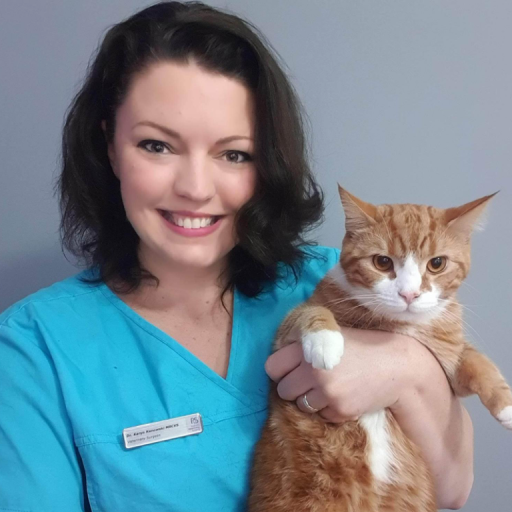
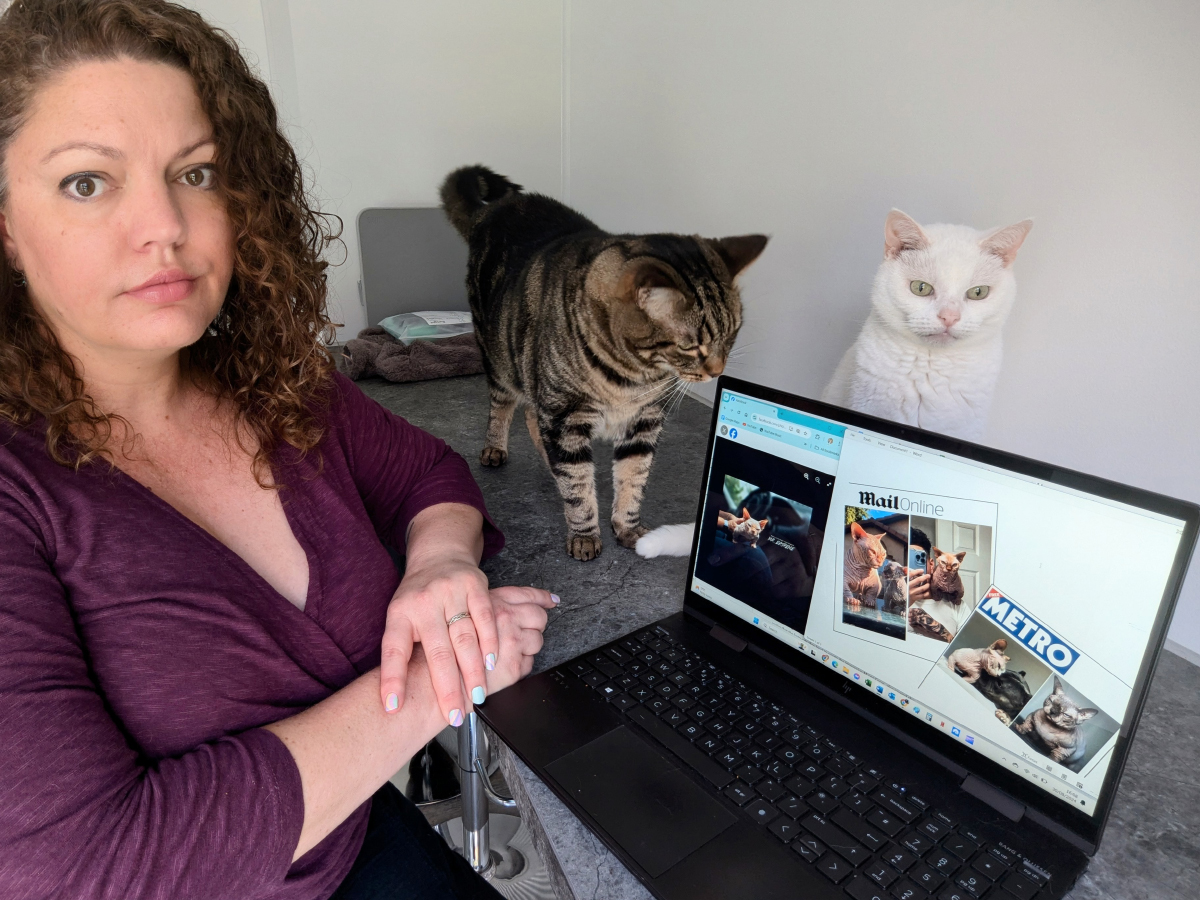
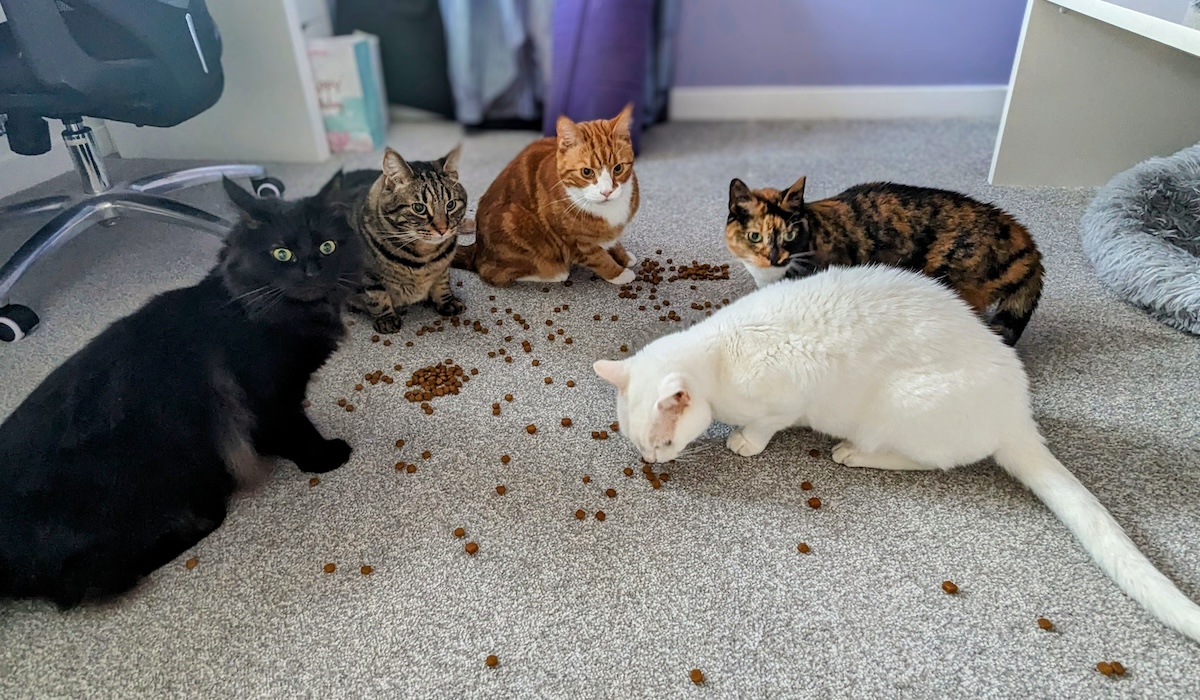
Hi, I’m Dr. Karyn! Read my introduction to learn more about me and meet my five hilarious cats: Clutch, Cyril, Alex, Zelda, and Zazzles.
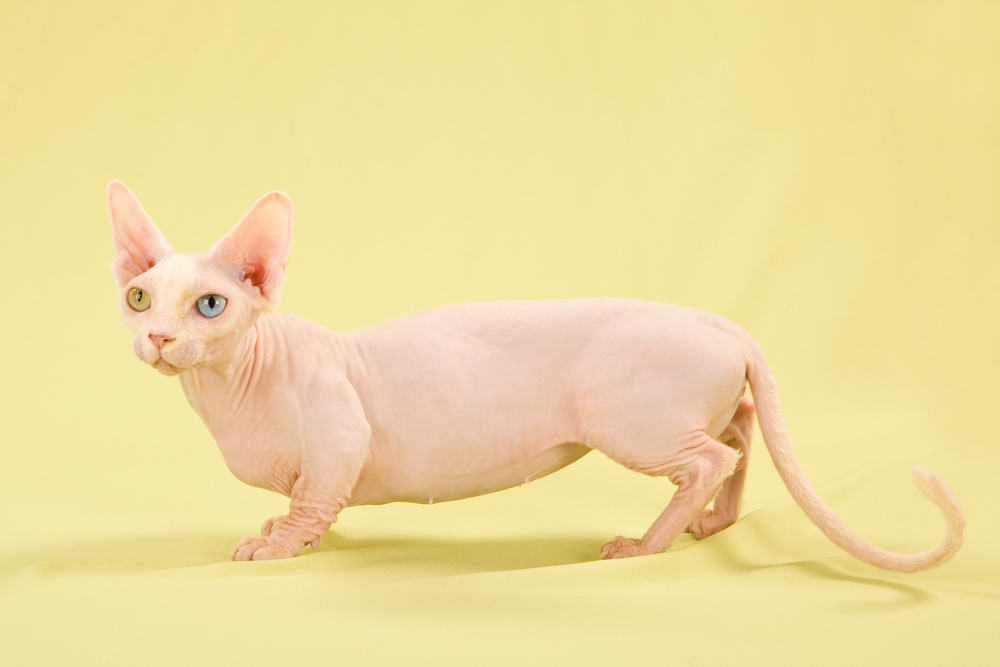
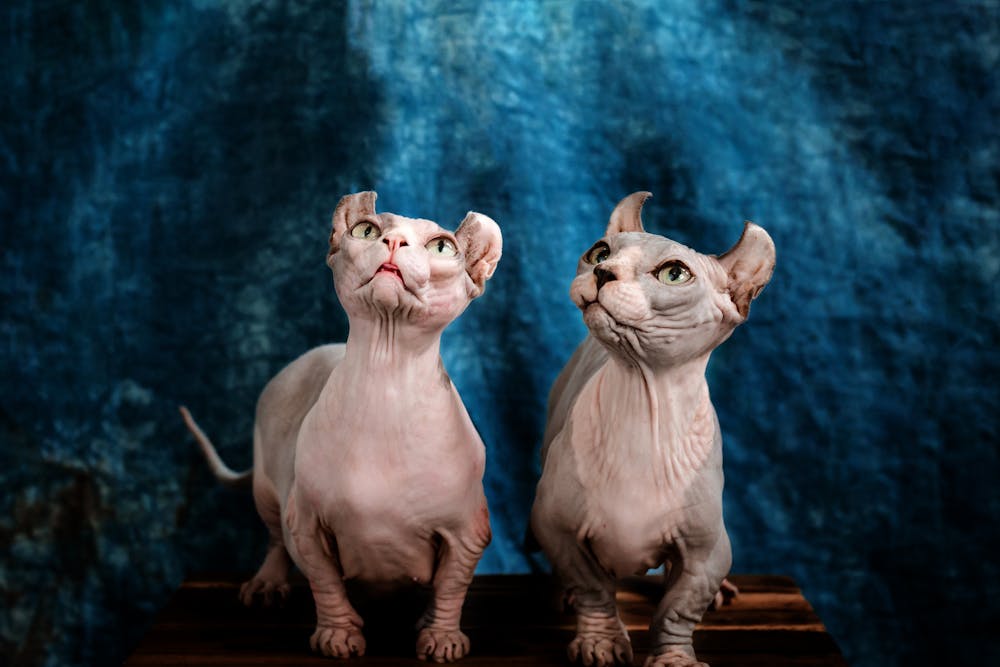
I saw something recently that made my blood boil. It was the emergence of a new ‘designer’ cat breed called the ‘Bully’ or ‘Dwelf’ Cat. Named for their elf-like features and genetic dwarfism, these pitiful creatures have the hairless mutation of the Sphynx, the limb deformity of the Munchkin Cat, and the turned up ears of the American Curl. I can’t fathom any reason why someone would deliberately set out to create such an unhealthy mix, apart from ignorance, cruelty, or greed.
Cruelty can take many different forms, and it’s not always as obvious as directly inflicting pain and suffering on an individual animal. Knowingly creating a cat that comes from two breeds with the most extreme feline appearances is irresponsible. And continuing to do so after being made aware of the health problems these cats will endure is cruel.
Most cat lovers out there will wholeheartedly agree with me on this, but there are obviously those who aren’t aware of the health problems and suffering these cats have in store. Many people trust breeders, sometimes more than they trust vets, and do not believe they would knowingly breed an unhealthy animal, and in some cases, that is true. However, much like the mentality behind animal poachers, if someone will buy them, someone will sell them.
Breeding and Mutation
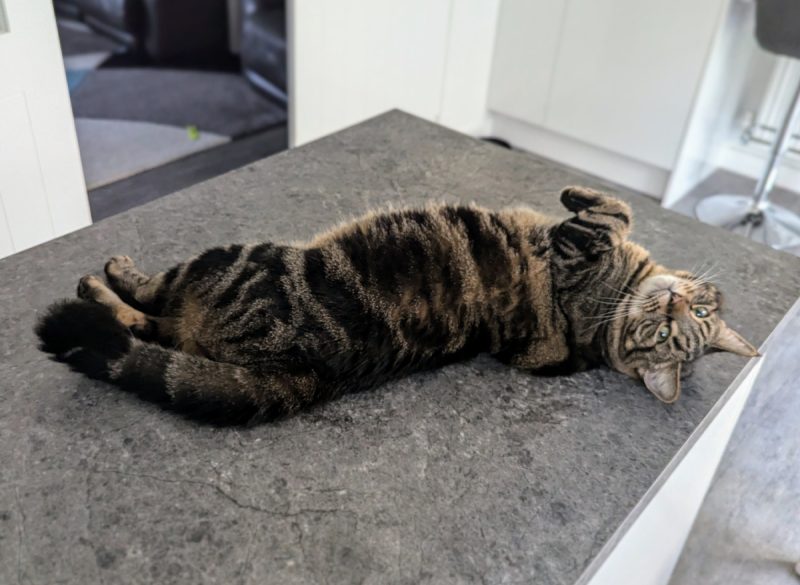
Picture a cat. A simple (yet awesome) tabby cat like Cyril. If allowed to breed without any human intervention, most feline populations would eventually look a lot like him. His features represent the dominant genes, so it is a statistical certainty that over time, these genes will dominate.
Any variation from standard genetics is caused by a mutation, whether it be a lack of fur, extra toes, or an unusual coat color. When we don’t intervene, those mutations tend to get diluted back into the population, rarely, if ever, to be seen again.
What happens with selective breeding is that we see those variations, and mate those individuals with others that have the same or similar mutations, producing a population of cats with a high incidence of that trait. Unfortunately, when humans first started doing this, they didn’t necessarily realize that those physical features may be linked to other genetic abnormalities or defects, like heart disease, kidney problems, or bone deformities.
People didn’t know that pairing white fur with blue eyes often resulted in deafness, or that the mutation that gives the Scottish Fold their trademark ears also causes a cartilage defect that can be painful and debilitating. But we do now. Yet, we have worrying breed mixes like the Scottish Fold x Munchkin, and now, the Dwelf. And there is no doubt in my mind that the people who are breeding these cats are hoping like hell that people stay in the dark about their health.
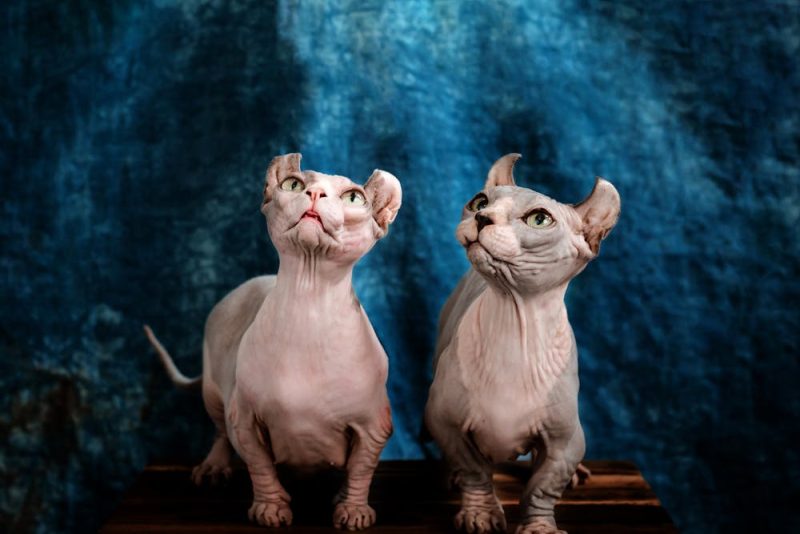
The Trouble With Dwelves
Although generally a fairly robust cat, the genes that give the Sphynx cat their hairless appearance have also given them a predisposition to skin problems, heart disease, hereditary myopathy (a neuromuscular disorder), and poor thermoregulation.
The short stature of the Munchkin Cat is the result of a genetic mutation that stops the bones from growing normally. This mutation is so severe that embryos that inherit two copies of the munchkin gene will die in the womb.
I appreciate that not everyone is going to have a firm grasp of genetics, but how can anyone think that combining two breeds with such obvious genetic mutations could possibly be a good idea?
I have seen the claims from Dwelf and Bully Cat breeders that their kittens are happy and healthy. They might be happy, but they are by definition, not healthy. A cat that is born with three legs or missing its eyes might be ‘happy’, but does that mean we should start deliberately breeding three-legged or no-eyed cats? Of course not. But if people will pay money for something, people will provide it.
Be An Advocate for Cats
This is where I ask for your help, because I am just one voice, desperate to show people the cruelty inherent in creating ‘designer’ breeds like the Dwelf, with no thought or appreciation for the consequences of their actions. Tell your family, tell your friends, tell your followers - these cats are being deliberately bred to have genetic defects, but if no one will buy them, the breeders will stop exploiting them.

This article is a part of Dr. Karyn's series with her five hilarious cats.

Expert cat care, straight to your inbox
Vet-reviewed advice, behavior tips, and the best of Catster. Free, and you can unsubscribe anytime.
By signing up, you agree to our Terms & Conditions and Privacy & Cookies Policy.
Dr. Karyn Kanowski BVSc MRCVS (Veterinarian)
Dr. Karyn comes from Queensland, Australia, and has lived in the UK for the past 10 years. In 2010, she graduated from The University of Queensland School of Veterinary Science and also has a Bachelor’s degree in Zoology. She is passionate about using evidence, experience, and owner collaboration to provide the best solutions for pets, and believes in making reliable information about animal health accessible to all. Dr. Karyn shares her home with five cats, four dogs, and one husband. When she is not in the scrubs, she spends her time writing, gardening, and cleaning up pet hair!
Join the conversation
Ask a question, share your story, or send private feedback.