Feline Fine: Acupuncture in Cats, Part Two

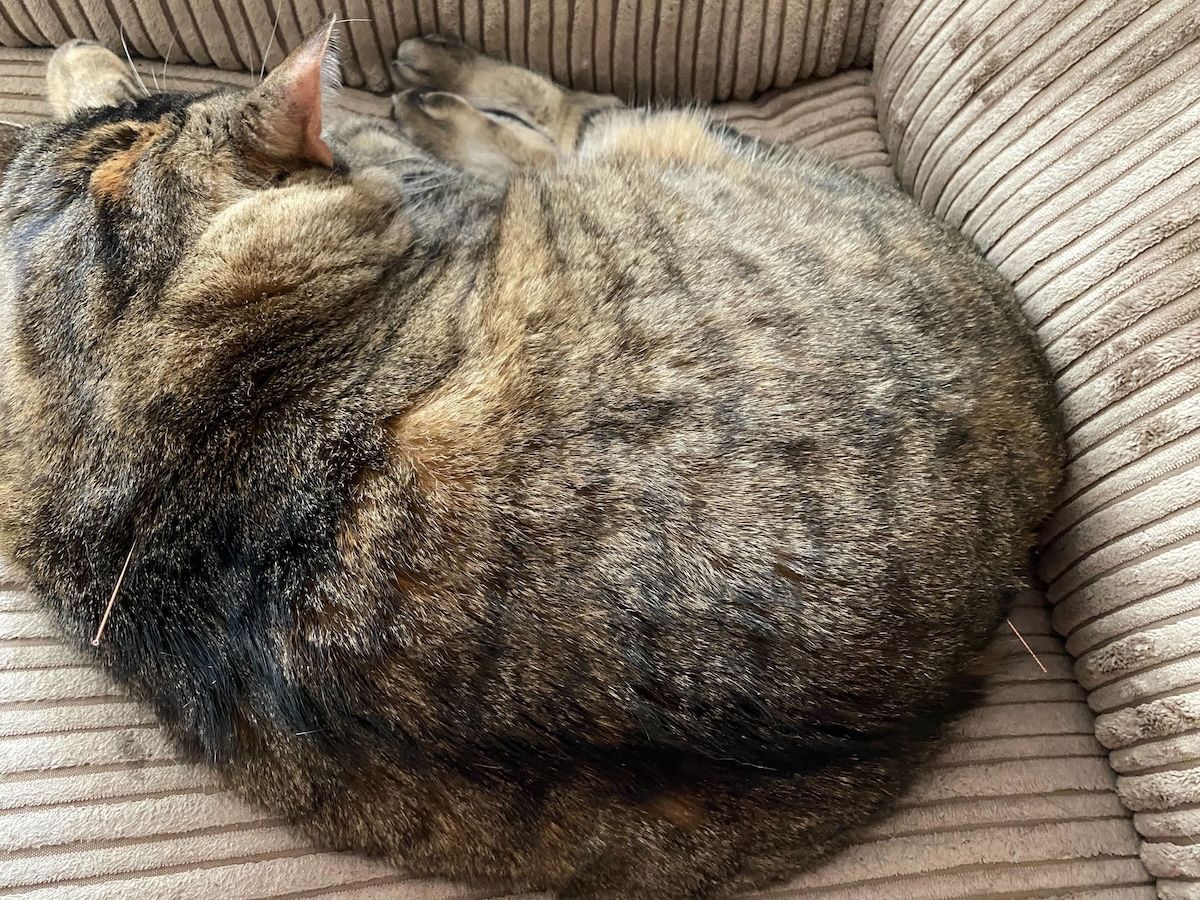
Hi, I’m Dr. Lauren! Read my introduction to learn more about me and my two adventurous cats, Pancake and Tiller.
Note: This is part two of a three-part series. Click here to read parts one and three:
I first encountered acupuncture in cats while working as a veterinary technician. One of the vets I worked with in Alaska used the technique on multiple species, to help with arthritis issues. I was interested, but never really delved into the process until much later. In vet school, we were very lucky to have the late Dr. Bruce Ferguson, a pioneer in veterinary acupuncture from Chi University in Florida, and I was privileged to spend time learning from him, in great detail.
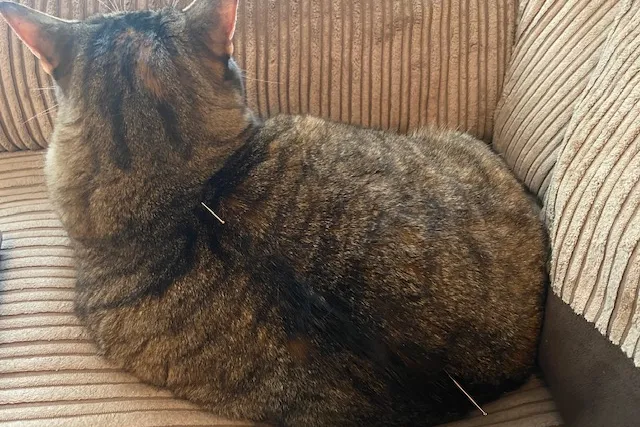
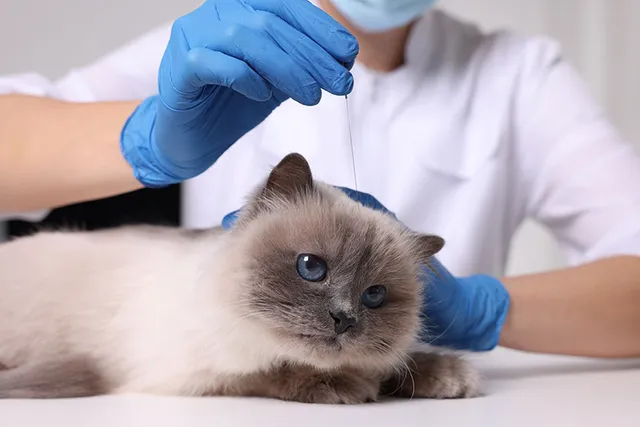
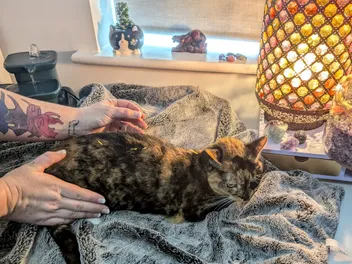
This led to a few externships where I participated in feline acupuncture. I was amazed to find cats sitting in their bed, in the exam room at a clinic, calmly purring for an acupuncture session. And their owners sat, singing the praises, and how it improved their cat.
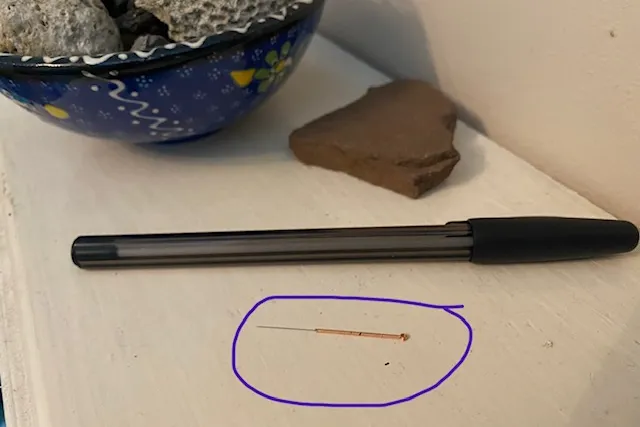
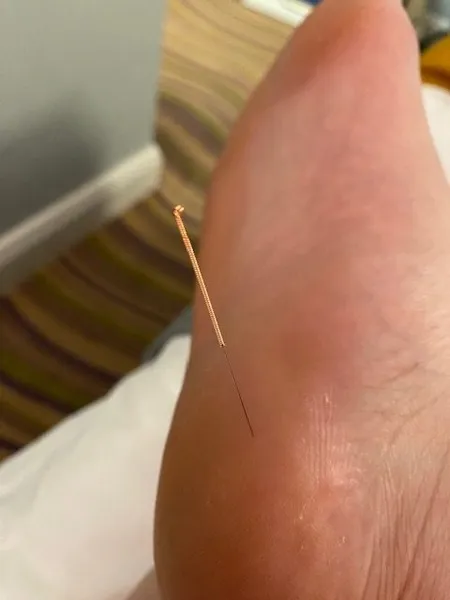
And that’s how I found myself, sitting with an acupuncture needle in my own foot at a veterinary conference a few weeks ago, wondering, could I help patients, too? What benefits did acupuncture have?
In this article, I’ll look specifically at that with regard to cats, and how it may help your favorite feline to feel fine (or feline fine, to play on the words!).
The Use of Veterinary Acupuncture
Acupuncture has a history of originally being used in working or production animals—basically the animals that had a higher monetary value in society. So horses were a common acupuncture patient, far before cats and dogs. Today, things have changed, and even pet chickens have been known to receive acupuncture.
There are lots of reports and publications about the use of acupuncture in humans and animals, and you may be surprised at the variety of medical conditions in which acupuncture treatment may complement traditional Western medicine. They include but are not limited to:
Arthritis
Chronic skin issues
Acute respiratory collapse or CPR
Feline hyperesthesia
Gingivostomatitis
Rectal prolapse
Anesthesia
Osteochondrodysplasia
Fever
Cryptorchidism
Diabetes
Cancer adjunct
Inflammatory Bowel Disease
Urinary Incontinence
Constipation
Chronic otitis
So, if you sign your cat up for acupuncture, what can you expect?
Many acupuncture treatments are around 20 minutes or so, but can vary. Theoretically, even stimulating a point for a very short time may have marked benefits
Generally, expect a first visit to be longer, as it will include history, exam, and planning for the treatment. Treatment may or may not happen on the day.
Most acupuncturists recommend weekly treatments, less commonly twice weekly. Rarely would they occur more often
Expect to see full effects of the treatment after a month; don’t dismay if you don’t see anything immediately after the first one (though some patients will respond very impressively)
Many courses of treatment will enter a maintenance phase once the cat is doing well; this may mean acupuncture every 2-4 weeks, or less.
Check your country's laws for who can perform veterinary acupuncture as well; I generally recommend using one of the professional organisations to find members that are certified or approved to practice on animals.
In the final article in this series, we will take a more in depth look on how acupuncture is actually believed to work, in general, and in some of the specific conditions.
Expert cat care, straight to your inbox
News, insights, and useful advice, delivered to you.

No spam — unsubscribe anytime.
By signing up, you agree to our Terms & Conditions and Privacy & Cookies Policy.
How useful was this post?
Click a star to rate. You can leave written feedback afterwards. (We read all feedback.)
Dr. Lauren Demos DVM (Veterinarian)
As a veterinarian, Lauren is eager to share her experience in emergency medicine and cats, with our readers. She loves sharing helpful, real life tips for having cats as part of your life, and what to do in critical situations with your pets.
Lauren is a vet with over a ten years of experience in cats and dogs, along with infectious diseases. She enjoys teaching, and lectures for students, pet owners, and clinicians, on various topics.
Lauren received her degrees from Murdoch University, in Perth.