How to Treat a Cat Scratch: 6 Vet-Approved Steps


In this article
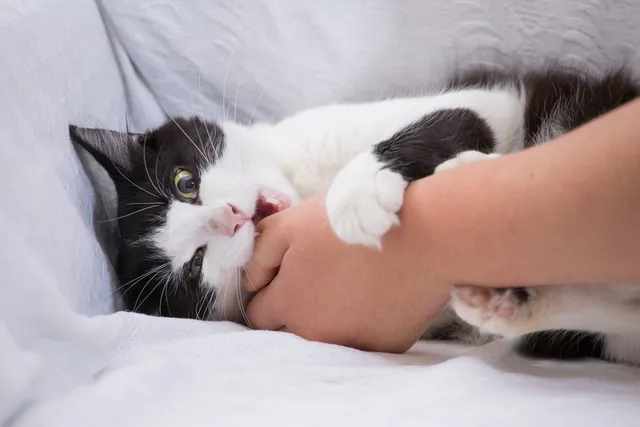
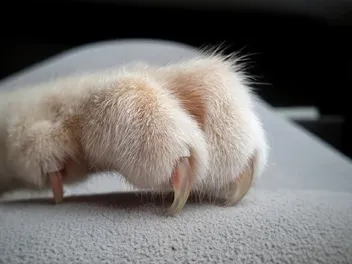
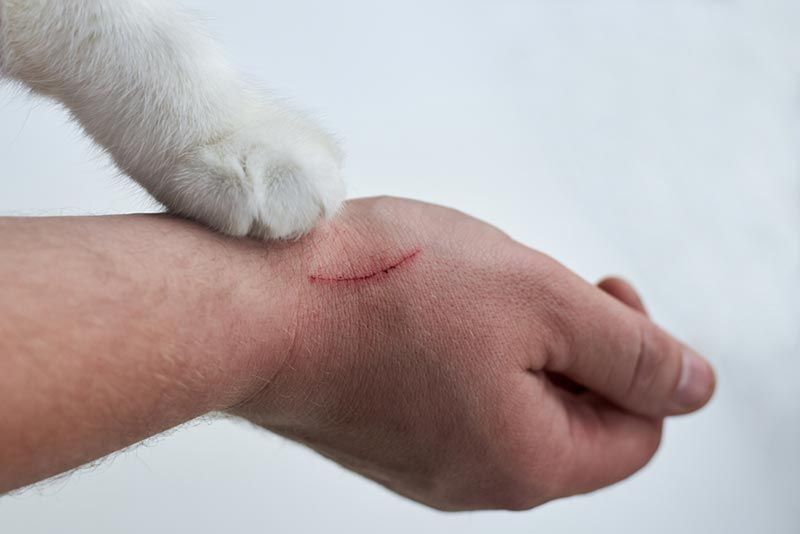
It's no secret that our kitties love using their claws! Whether it's for play, balance, hunting, or climbing, they work best with their claws out. However, if you get in the way, it won't fare well for your fragile skin.
Kitty claws can have their fair share of bacteria that could cause infection, so cleaning out cuts thoroughly will prevent bigger issues and get you on the road to recovery in no time.

The 6 Steps for How to Treat a Cat Scratch
1. Don’t Wait
Your cat spends their days traipsing around in their litter boxes, and we all know how dirty the underneath of our own nails can be. If you are scratched by a cat, even if it is your own friendly feline, don't wait to wash it out. Go immediately to give it the attention it needs.
For the sake of your safety, it is vital to treat the cut immediately as it happens. So, drop whatever it is you're doing, and head to your bathroom to sanitize and disinfect.
2. Wash the Scratch With Soap & Water

Wash the scratch with soap and water immediately. Make sure to wash your hands for 30 seconds to a minute to remove any debris, bacteria, or dirt that could infect the area. Warm water and some antibacterial soap should work just fine to clean the scratch.
3. If Bleeding, Use Gauze
If you are bleeding badly, apply a piece of gauze or cotton to the wound. Use a good amount of pressure to stop the bleeding quickly.
4. Use Antibiotic Ointment

You can use over-the-counter antibiotic ointments without a prescription from your doctor. Antibiotic ointment is optional, but it is a nice preventative. Superficial scratches might not need this, but if you have any bleeding, it might be a good idea to try.
5. Watch for Signs of Infection
In most cases, scratches should heal within a few days to about a week. Deeper scratches can take longer. Despite the severity of the scratch, always look for signs of infection. After a few days, you must contact your doctor if you start noticing swollen lymph nodes, worsening at the site, fever, and other signs. Your doctor will assess the damage and then antibiotics if necessary.
6. Consult a Professional

After any cat scratch, it’s time to contact your doctor. Explain the situation to them, and see if they want to run any testing or have any medical recommendations to follow as you heal.

Zoonotic Diseases
Sometimes, kitties can pass things to us without meaning to. The results can be the same whether the scratch was out of fear or during play. When cats transfer any type of disease to humans, it is referred to as a zoonotic disease.
Thankfully, there aren't many things cats can pass to us, but we still have to be mindful of the possibilities.
Cat Scratch Fever
Cat scratch fever, also known as cat scratch disease, is caused by bacteria called Bartonella. These particular bacteria are transmitted through bites and scratches. Cats get them in their systems by being bitten by an infected flea or through their feces.
In addition to being bitten and scratched, Bartonella can also infect humans if a cat licks a person's open wound.
Signs of cat scratch fever include:
While it might not sound serious, 12,000 people are annually diagnosed with cat scratch fever, and of those 12,000, 500 are hospitalized. If cat scratch fever is untreated, it can lead to enlargement of the spleen, thickening of heart valves, and encephalitis.
Healthy adults are generally able to recover from cat scratch fever just fine. However, that might not be the case if you have a compromised immune system. Signs typically go away within 3 weeks of infection.
The only good thing is that once you get cat scratch fever, you're unlikely to contract it again.

Ringworm
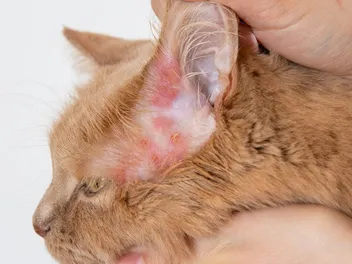
A bacterial infection of the skin can itch severely and pass from feline to person. Typically, these don't have to pass through a cat scratch. They can simply spread by skin-to-skin contact. However, if your cat scratches you, you are more likely to contract the infection, permitting that they’re carrying it.
Signs of ringworm include:
Most generally, your doctor can prescribe you an antifungal medication to eliminate a ringworm infection.

Preventing Infection
The number-one way to prevent serious infection is to ensure that your cat is treated with annual flea-and-tick prevention. This parasite repellent comes in both topical and oral versions. You can also exercise good cleaning habits, ensuring that your floors and fabrics are vacuumed.
Good housekeeping and veterinary preventatives will ensure that your cat does not become infected with fleas and that you don't get an infection subsequently. Keeping your cat’s claw trimmed further helps reduce the severity of scratches.

Conclusion
When you get bitten by a cat, your first response is to stop whatever you're doing and get that wound clean. You don't want to leave it open to the elements any longer than necessary, as harmful bacteria could be on your cat's claws.
Don't instinctively put the scratched part of your body into your mouth, as you could ingest harmful bacteria. Also, never let your cat lick your wound, which could increase the chances of contracting cat scratch fever.
If you notice any fever or signs starting soon after the scratch, go to your doctor immediately.
Sources
Featured Image Credit: osobystist, Shutterstock
Expert cat care, straight to your inbox
News, insights, and useful advice, delivered to you.

No spam — unsubscribe anytime.
By signing up, you agree to our Terms & Conditions and Privacy & Cookies Policy.
How useful was this post?
Click a star to rate. You can leave written feedback afterwards. (We read all feedback.)
As a freelance dog writer and passionate pet enthusiast, Ashley Bates is pursuing studies in animal therapy. A mother to four human children and 23 animal companions, Ashley is dedicated to volunteering at shelters, advocating for animal rights, and rescuing animals in need. Her goal is to spread awareness, provide education, and offer entertainment about pets to reduce homelessness. Ashley's specialties include dogs and cats.