Get

In Your Inbox

Catster is reader-supported. When you buy via links on our site, we may earn an affiliate commission at no cost to you. Learn more.

9 Health Risks for Overweight Cats (Vet Answer)

Share

fat-cat-with-mustaches

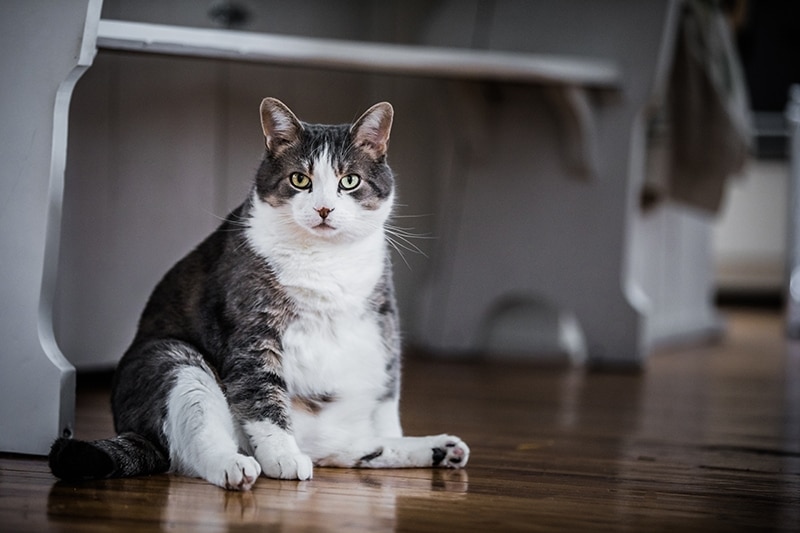
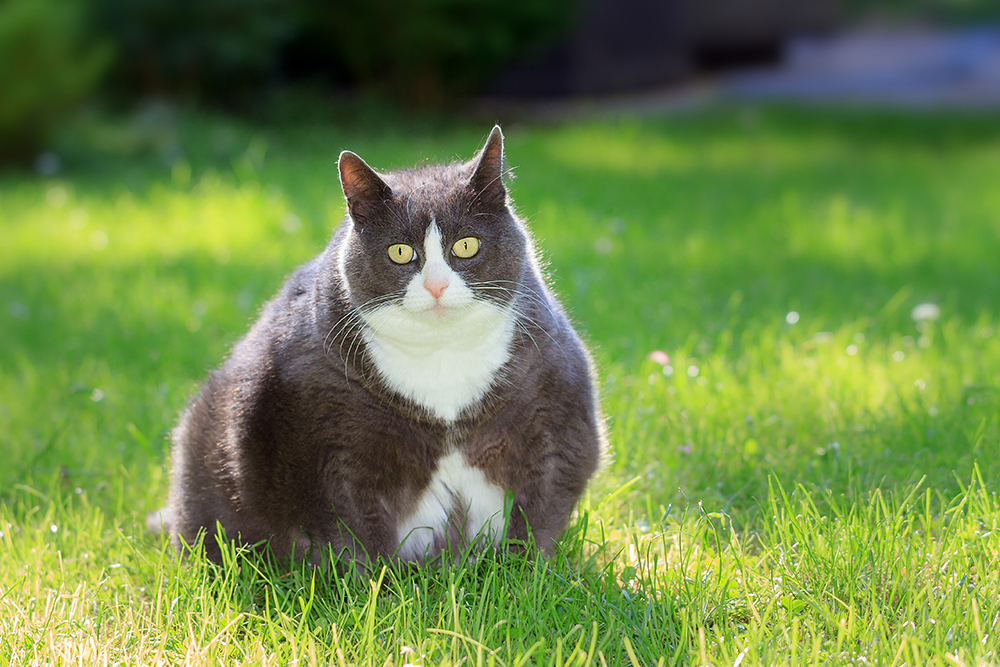
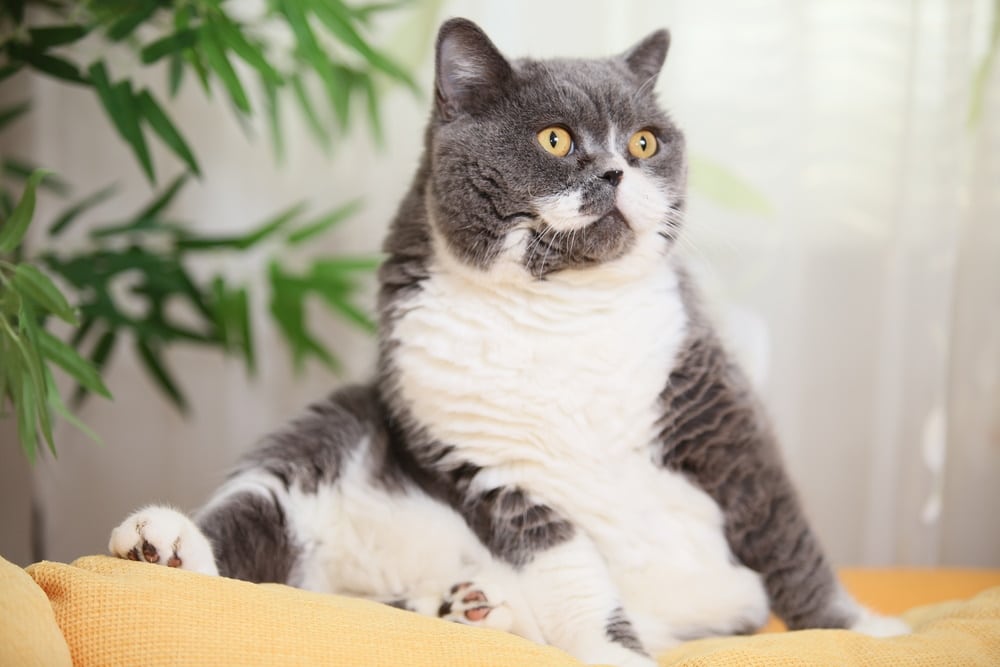
“Chonky” cats, though rather adorable, may be prone to serious health risks due to being overweight. Nearly 60% of cats in North America are overweight, making obesity one of the most common and preventable diseases affecting domestic cats today. A cat is considered overweight when they are more than 10–20% above their ideal body weight and obese when they’re over 20% of their ideal body weight.

divider 3 paws

Why Is Excess Body Fat Unhealthy in Cats?

Fat secretes inflammatory hormones and produces oxidative stress in tissues and organs. Oxidative stress occurs when there are excessive free radicals in the body and not enough antioxidants to get rid of them. This can damage organs and tissues and may result in various diseases. Currently, obesity is treated as a chronic, low-level inflammatory condition in cats.

Here are the types of felines that are prone to obesity:
  • Middle-aged cats (8–12 years old)
  • Spayed or neutered cats
  • Indoor cats
divider 3 paws

The 9 Risks Associated With Being Overweight or Obese

1. Diabetes

Obesity can make diabetes more difficult to control. Insufficient insulin production or response to the insulin hormone can lead to diabetes mellitus. Insulin is essential for the regulation of glucose, or blood sugar.

domestic striped kitten with a sad face feels sick
Image Credit: Julia Cherk, Shutterstock

2. Heart Disease and High Blood Pressure

Excessive weight can place extra stress on the heart and circulatory system. Extra weight can also impair lung function.


3. Anesthesia Complications

Extra fat may prevent anesthetic drugs from being metabolized properly, which can lead to an overdose.


4. Kidney and Urinary Disease

Kidney-related issues may develop due to excessive body fat, including enlarged kidneys and scarring of the delicate filtering units in the organs. Obesity can also be a risk factor for feline lower urinary tract disease.

Siamese-elder-cat-sick-with-cancer-has-a-feeding-food-tube-attached-to-its-nose-to-stomach
Image Credit: SUJITRA CHAOWDEE, Shutterstock

5. Liver Disease

Obese cats that suddenly stop eating may develop a serious and life-threatening liver condition known as hepatic lipidosis. Excessive fat accumulation in the liver can lead to liver failure.


6. Arthritis

Excessive weight on joints adds to the wear and tear of the bones and cartilage and can lead to painful chronic conditions, such as osteoarthritis.

male vet examining a cat with stethoscope in clinic
Image Credit: Africa Studio, Shutterstock

7. Immunodeficiency

Chronic inflammation due to excessive fat may cause an immunodeficiency and may make it difficult for your cat to fight off infections. This may also lead to cancer.


8. Grooming Issues

Obese cats may have difficulty reaching and grooming themselves, which can lead to a matted, greasy, soiled, and unkempt hair coat. Improper grooming may also lead to skin infections.


9. Shorter Life Expectancy

Excess body fat can shorten a cat’s lifespan and lead to disease. According to the VCA, “a 2.8-fold increase in mortality has been shown in obese cats (8–12 years old) compared to lean cats.”

We recommend getting advice from a veterinarian if you have any questions or concerns regarding your pet’s diet and weight.

Need veterinary advice but can't get to the clinic? Catster recommends PangoVet, our online veterinary service. Talk to a vet online and get the answers and advice you need for your cat without having to leave your living room — all at an affordable price!

PangoVet_Mention-in-Content for PangoVet2 save money

divider 3 paws

Conclusion

Obesity in cats can lead to several health issues. Preventing obesity, however, often incorporates the right amount of exercise and nutrition to keep your cat fit and trim. Discussing your cat’s medical history, lifestyle, and diet with your veterinarian often leads to healthier pets in the long run.


Featured Image Credit: Kseniya-Bogdanova, Shutterstock

Want content like this delivered to you?

Sign Up For Our Newsletter

News, insights, expert advice, and everything cat

* By submitting, you agree to our Terms & Conditions and Privacy & Cookies Policy.


How useful was this post?

Click on a star to rate (you can leave written feedback after clicking submit)

Help us improve Catster for pet parents!

Your feedback really matters.

What did you like about this post? Also how can we improve it?

Join the conversation

Leave a Reply

You’re very welcome to leave a comment or question. Please know that all comments must meet our community guidelines, and your email address will NOT be published. Let’s have a positive and constructive conversation.


Catster's Digital Magazine is Back!

Vet-approved health & behavior advice

Real cat stories & community features

The Surprisingly Simple Ways to Help a Cat With Hairballs

Cats spend an astonishing amount of time grooming. It is part hygiene routine, part comfort ritual, and part instinct that traces back generations....

What a CATastrophe! A Tire-ing Ordeal For a Pony in the UK

As you would expect, our weekly news updates are usually centered around feline topics – we are a cat care website after all...

Ask Dr. Paola – Help! My Cat Has Stopped Eat His Wet Food! (June 1, 2026)

Welcome to our “Ask Dr. Paola” series, where every Monday we bring expert advice straight from Dr. Paola Cuevas (MVZ) to help our...

Chatting About Fake News in the Pet World, AI Again, and New Age Journalism | Chatty Cattys, Episode 23

Navigating the modern digital landscape requires a sharp eye to distinguish fact from fiction. In this episode of Catster’s podcast, Chatty Cattys, Nicole...

More related

Will My Cat Hate Me After the Vet? 8 Vet-Reviewed Tips to Avoid It

Veterinarian appointments are common events that cat owners dread. After all, it involves putting your kitty into carriers and hauling them into a...

Grey Scottish Fold: Info, Pictures, Facts & History

Scottish Folds are fun-loving, playful cats that love spending time around humans. They can be longhaired or shorthaired and display various colors, ranging...

Cat Hormones: How They Affect Male & Female Felines (Vet-Approved)

Like humans, cats’ hormones are constantly released by their endocrine system. They regulate a cat’s behavior, moods, and bodily functions. Cat hormones have...

9 Best Brushes for Short-Haired Cats of 2026 – Reviews & Top Picks

When you own a cat with medium to long hair, you know that you’re in for serious brushing sessions! But there are those...

Keep reading

Do Cats Have Eyebrows? Vet-Verified Feline Anatomy Explained

There are very few things funnier in this world than seeing a cat with eyebrows drawn onto it. Seeing eyebrows on a cat’s face just feels so out of place, and it adds a certain air of humanness to them....

Himalayan Cat's Face

What to Feed a Kitten: Vet-Verified Guide For Each Stage

Proper feeding and nutrition are essential for kittens to grow into healthy adults. Kittens reach the weaning stage around 4-5 weeks of age. They should ideally remain with the mother until an absolute minimum of 8 weeks of age (12...

Kitten eating food from bowl

Can Cats Eat Rice? Vet-Approved Facts & FAQ

Cats are obligate carnivores—that is, they are meant to eat mostly animal protein. But while it’s true that felines need specific nutrients only found in animal tissue, they can tolerate small amounts of carbs, which means, technically, yes, cats can...

Can Cats Eat Rice

Why Is My Cat Quiet Suddenly? 5 Vet-Reviewed Reasons

Any change in feline behavior is potentially troublesome. Usually, changes in behavior are associated with illnesses and stress. These underlying causes range from mild to serious. For instance, many cats experience changes in vocalizations when they are ill. However, determining...

Norwegian Forest Cat

Vestibular Disease vs. Stroke in Cats: What’s The Difference? Vet-Approved Insights

Strokes in cats are very rare. The symptoms that cat owners most often associate with a “stroke” in cats result from vestibular disease. However, veterinarians may describe the vestibular disease as a “stroke” to aid the pet parents in understanding...

vet holding burma cat

6 Alternative Types of Natural Cat Litter: Vet Approved Options

If you’re searching for a new cat litter or natural alternative to the traditional clay litter, you are in the right place. Many cat owners (and some cats) don’t care for the clay-based litters—either the feel of these litters or...

woman cleaning cat litter at home

Cats Peeing in Sink or Bath Tub? 7 Ways to Stop it!

One of the easiest parts about owning a cat is that they naturally train themselves to use a litter box. But what if your cat’s having issues with peeing outside the box and is choosing the sink or tub instead?...

cat-peeing-in-kitchen-sink

Pneumonia in Cats: Causes, Signs & Care (Vet-Approved Explanation)

Cats rely on healthy lungs to breathe normally, just as humans do. Any health condition that impacts the lungs’ ability to function is potentially dangerous for the cat, and pneumonia is one of the medical concerns. In this article, we...

sick cat in vet

Love Cats? So Do We! Join the Catster Community

Stay informed with expert pet care insights delivered straight to your inbox! Discover professional guidance on animal behavior, feeding tips, trusted product picks, and much more.


Sign up for the Catster Email Newsletter

Stay informed with expert pet care insights delivered straight to your inbox! Discover professional guidance on animal behavior, feeding tips, trusted product picks, and much more.