

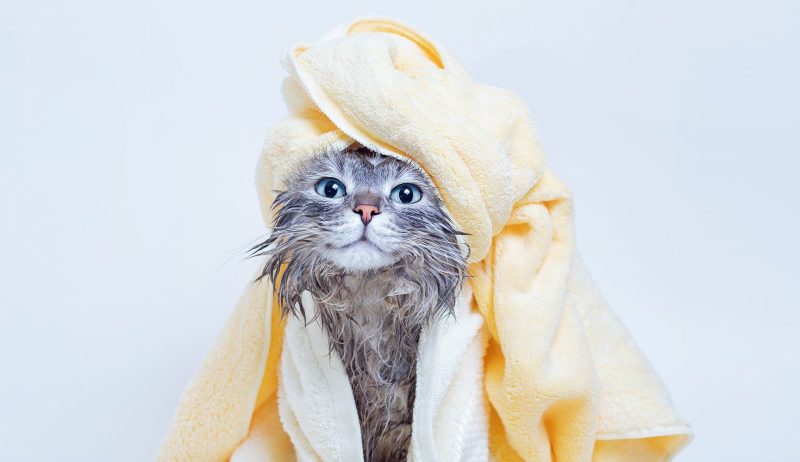
Most felines are notorious for disliking getting wet, so bathing a cat might seem challenging. The good news is that most cats rarely need baths! But what if you have a long-haired cat? With all that hair, do they require baths?
Long-haired cats shouldn’t need to be bathed often, as they are excellent at keeping themselves clean. In fact, bathing a long-haired cat can actually cause the fur to become knotty and matted, so you’re best off keeping them on solid ground. However, there may also be occasions when a long-haired cat gets extremely dirty and requires a bath.
Here’s what you should know about long-haired cats and baths.

Do Long-Haired Cats Need Baths?
Mostly, long-haired cats don’t need baths any more than short-haired cats, and in fact, the opposite is usually true. That long coat stops dirt and grime from penetrating down to the skin, so most long-haired cats will come up nice and clean with a good brushing. If you are wanting to get that just-shampooed look and smell, try a waterless shampoo or wet wipes to remove any surface dirt and keep them smelling amazing. Detangling sprays are also a great accompaniment to a long-haired cat grooming session.
Keeping your cat clean doesn't always mean you have to give them a full bath. The Hepper Waterless No Rinse Shampoo and Wash Wipes are great waterless products to keep on hand. They're specially formulated to be safe for cats of all ages and breeds. The hypoallergenic formulas contain natural, moisturizing ingredients that effectively remove dirt without irritating your cat's skin. The waterless shampoo is the ultimate fur refresher, and the wipes make cleaning sensitive areas like eyes, ears, paws, and bum a breeze. Learn more about each product in the table below.
| Image | Product | Details | |
|---|---|---|---|
Waterless

|
Hepper Waterless No Rinse Pet Shampoo |
|
Check Price |
On-The-Go

|
Hepper Wash Wipes |
|
Check Price |
How Do I Bathe a Long-Haired Cat?
Some cats have a nose for mischief, and if you find yourself faced with a filthy feline, you may need to brace yourself and give your cat a bath.
- Before you try your first bath, get your feline friend used to the bathroom, sink, or tub. Try putting a little water in the sink or tub and encourage them to play with it (you can even toss some toys in!).
- Gather everything you need for a bath before you start, like shampoo and conditioner designed for felines, and towels. Make sure they are all within your reach, but not easily knocked over. You will need at least two towels; one for the first dry, then others to keep on drying.
- Be sure you brush your pet beforehand to get rid of as many mats and tangles as possible, as this is more difficult to accomplish with wet hair.
- Play with your kitty before a bath to help them get rid of some energy. A tired cat can be easier to handle during bath time.
- Close the bathroom door before starting the bath, so your cat can’t escape.
- If you have a handheld showerhead, use that to bathe your pet instead of putting them in water (just make sure it isn’t on a high setting; you want a gentle rain feel). You can also use cups to pour water (gently!) over them. Avoid getting water over the face or in the ears.
- If you’re unable to bathe your kitty in this way, then fill the tub or sink with a few inches of warm (not hot!) water. Ideally, you want the water to come to just above their belly; if it’s too shallow, you’ll have trouble getting them wet and rinsing shampoo. Plus, if they think they have a chance of getting away without getting wet, they will struggle even harder. Most of the time, once your cat is completely wet, they tend to accept their fate!
- Give your cat plenty of reassurance and praise while bathing them.
- Only use a small amount of shampoo!
- Stay calm while bathing your pet. Felines can easily pick up on emotions like stress, and if your cat feels you’re stressed, they’ll become stressed, too.
- Once your cat is clean, use the towels to dry them off. Many cats are scared of hair dryers, so use the towels to dry them off as best as possible. If your pet isn’t afraid of the hair dryer, you can set it to low heat to dry them.
- Because wet fur is more likely to become knotted or tangled, use a detangling spray and comb out the fur as it dries.
- If your pet seems severely distressed by the bath, stop and let them go. Forcing them through something that’s causing an overwhelming amount of stress will be traumatic for your cat.
- And, if all else fails, take your cat to the groomer to be bathed.
Can I Keep My Long-Haired Cat Clean Without Baths?
Regular brushing is the best way to do this, particularly for long-haired cats. Long-haired cats require regular brushing (at least once a day is advisable) to help keep their coats from tangling and matting. Brushing also gets rid of dead fur and stimulates the natural oils of your cat’s skin, which leaves their coat looking healthier. Plus, getting rid of all that dead hair means your cat is swallowing less fur when they groom themselves, which can help decrease the number of hairballs they get.
Keeping your cat’s face clean by cleaning their ears and wiping around the eyes (especially if they have runny eyes) will also help.
What if My Long-Haired Cat is Really Matted?
It’s quite common for long-haired cats to get little dreadlocks, and these can quickly turn into big dreadlocks. If you are dealing with smaller knots, you can try using a good detangling comb or even some pet clippers to cut the knotted fur away. Be really careful when using clippers, as cat skin is quite fragile, and many kitties have needed stitches after an ill-fated grooming session. Never use scissors. If your cat has a really matted coat, you are probably best going to your vet or a groomer to have them clipped. Sometimes cats need a sedation to have their whole body clipped, so keeping on top of grooming is the best way to avoid this.
If your cat is not used to being brushed, start out with a soft bristled brush to get them used to the sensation, without risk of pulling the fur. Once they are accustomed to being brushed, you can introduce a more effective detangling brush to tackle small knots and keep on top of shedding hair. Grooming mitts are a great way to sneak in some grooming without them noticing!

Final Thoughts
Long-haired cats don’t necessarily require baths, but on occasion, they may need to take the plunge. Because wet hair is more likely to tangle, it is much better to stick to brushing as your grooming mainstay for your long-coated feline, using products like dry shampoo or detangling spray to help get through any knots and keep them smelling fresh.
If you have a long-haired cat in the family, or are thinking of getting one, get them used to being brushed on a regular basis, preferably from a very young age. Teach them to associate a brush with treats and kind words, so that you can maintain their coat without claws and recriminations.
Featured Image Credit: KDdesignphoto, Shutterstock
 Do Long-Haired Cats Need Baths?






