Cat Wheezing: Our Vet Explains What It Is, Why It Happens & When to See a Vet

In this article
You've slowly been noticing that your cat's breathing has changed. It seems more like a wheeze, but you're unsure if you should be concerned. Let's look at some reasons why cats wheeze and when you should take your wheezing cat to the vet.

Cat Wheezing: What Is It?
Wheezing tends to be a high-pitched sound when your cat breathes. It might even sound like a whistle. It's very different from sneezing, but sometimes you will hear your cat cough while they're wheezing.
Your cat may wheeze for a variety of reasons. Sometimes, airway inflammation or even something lodged in the airway can trigger wheezing.
If you notice your cat wheezing, they need to see a veterinarian. If they are actively having trouble breathing, such as gasping for air or evidence of cyanosis, with a blue to purple-colored tongue or gums, they need to be evaluated immediately. Your veterinarian may refer you to a facility that can provide oxygen therapy, such as an ER or specialty hospital.


Cat Wheezing: The Signs
The main sign of wheezing is what you hear: a huffing or whistle-type sound when your cat breathes in or out. It's very similar to what we sound like if we were to wheeze. Your cat might take rattling breaths when they're wheezing. Sometimes, it is accompanied by coughing, but that's not always the case.
You should also look at how your cat is breathing. Are they breathing heavier than usual? Does it seem like they're breathing with their abdomen, indicating increased respiratory effort? Some cats stretch their necks out to help them breathe a little easier. If you see them having to move their body around to breathe comfortably, this could also be a sign your cat is struggling to breathe normally.
What Are the Causes of Wheezing in Cats?
Your cat could have a mild wheezing episode due to an irritant in their environment. It could also be something more severe that requires immediate intervention.
1. Hairballs

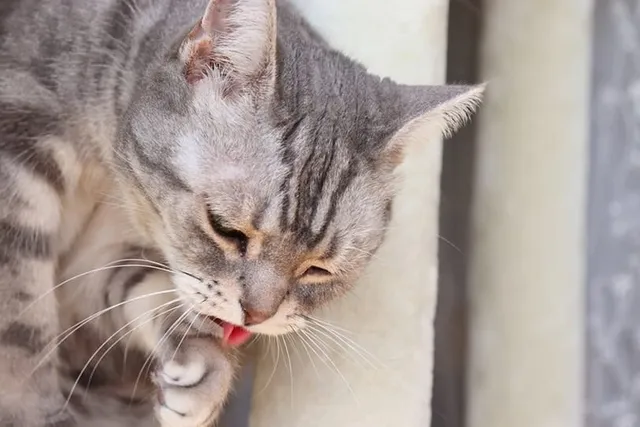
Some cats will wheeze when they try to produce a hairball. These occurrences are often only occasionally and should be accompanied by a hairball.
2. Foreign Bodies
Some cats ingest things they shouldn't, which could cause an obstruction. If an outdoor kitty likes to dig around, they could also get items like foxtails or grass awns lodged in their respiratory tract.
3. Asthma

Asthma is more common in cats than dogs and can cause severe issues for your cat. Asthma affects the lower airways, not the upper portions of the respiratory tract. An estimated 1 to 5% of cats have asthma. Asthma leads to inflammation in the airways, which can constrict or swell, often in response to allergens.
4. Allergies
Your cat's respiratory tract can be affected by allergies.
Common allergens include:
5. Parasites

Certain parasites are linked to wheezing in cats.
- Heartworms
The most common parasite that we worry about causing cat wheezing is heartworms. Heartworms are less common in cats than in dogs, but heartworms in cats cause a condition called Heartworm Associated Respiratory Disease (HARD).
- Lungworms
Some other parasites cause respiratory disease, such as lungworms. One of the most common species is Aelurostrongylus abstrusus.
6. Respiratory Infections
There are many causes of respiratory infections in cats, including three major categories:
- Viruses
- Bacteria
- Fungi
Cat flu is a term we sometimes use to reference upper respiratory infections.
7. Heart Failure
A cat with heart failure may wheeze. They may also show other signs, such as coughing and increased heart and respiratory rates (tachycardia and tachypnea). The most common cause of heart disease in cats is hypertrophic cardiomyopathy
If you suspect they might be suffering from underlying health issues, you should contact your vet.

Diagnosing the Causes of Wheezing in Cats
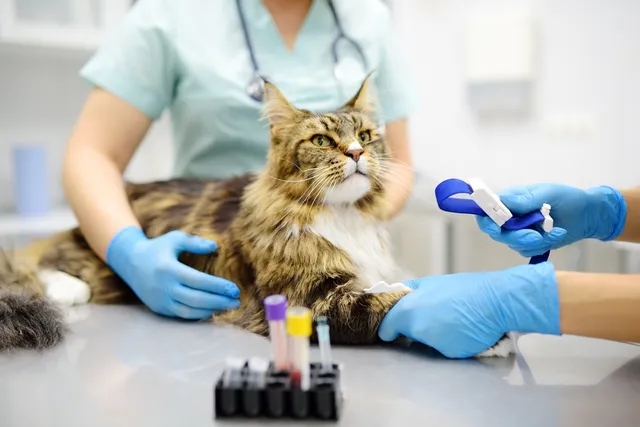
If your cat is wheezing, they need to be evaluated by a veterinarian. Your vet will start by taking a history and performing a physical exam, paying especially close attention to the heart and lungs.
Treatment for Cat Wheezing
Treatment will depend on your cat's other signs and their confirmed or suspected diagnosis.
Your vet may prescribe antibiotics, antifungals, or antivirals for respiratory infections, depending on the underlying cause. Many respiratory infections are caused by viruses, which means antibiotics aren't indicated unless your cat has a secondary bacterial infection.
Antihistamines or steroids may help with allergies. Steroids are beneficial in cases of asthma, but they are not without risk. Steroids can cause liver changes, increase the risk for certain endocrine diseases such as diabetes, and increase the risk of developing heart failure.

Often, veterinarians will prescribe inhalers for cats with asthma. These inhalers reduce the risk of steroid side effects over using steroids orally or injectable.
If your cat has a foreign body, they likely need surgery to remove the material. Sometimes, your veterinarian can use a scope to retrieve the object under anesthesia rather than operating more aggressively.
Your veterinarian may also suggest grooming regularly to help minimize hairball formation. Brushing helps many cats, but some need maintenance haircuts. Also, keep your cat on parasite prevention to reduce overgrooming from itching.
Frequently Asked Questions
What are the signs of lungworms in cats?
In addition to wheezing, you might see other physical changes with a lungworm infection:
- Coughing
- Increased respiratory rate
- Increased respiratory effort
- Sneezing
- Lethargy
- Decrease in appetite
- Discharge from eyes or nose
- Lymphadenopathy (enlarged lymph nodes)
What happens if you don't treat feline asthma?
If you don't treat asthma, your cat's lungs can change permanently. Over time, your cat's episodes or asthma flare-ups may come more frequently, potentially significantly compromising your cat's breathing.

Conclusion
Wheezing in cats is usually a concerning behavior, mainly if your cat doesn't readily produce a hairball about the time they are wheezing. Your vet will likely recommend diagnostic imaging to check for heart and lung changes and blood work to look for underlying health issues.
Sources
Featured Image Credit: ZlataMarka, Shutterstock
Expert cat care, straight to your inbox
News, insights, and useful advice, delivered to you.

No spam — unsubscribe anytime.
By signing up, you agree to our Terms & Conditions and Privacy & Cookies Policy.
How useful was this post?
Click a star to rate. You can leave written feedback afterwards. (We read all feedback.)
Dr. Samantha Devine DVM (Veterinarian)
Samantha Devine is a practicing veterinarian who loves to share her experience with animal species and their health. Whether it's a guinea pig question or a pressing matter about something your cat ingested, she strives to provide clear answers. She is passionate about preventative care and firmly believes in the old adage, "An ounce of prevention is worth a pound of cure."
Dr. Devine has been practicing veterinary medicine for over 12 years and has spent a great deal of that time writing online to educate pet owners. In addition to general practice small animal medicine, she has worked with horses. zoo animals and aquatic species. She enjoys all aspects of preventative medicine, from nutrition to vaccines.
Dr. Devine received her degree from the Virginia Maryland Regional College of Veterinary Medicine.