Do Cats Go Grey as They Age? Vet-Approved Facts & FAQ
In this article
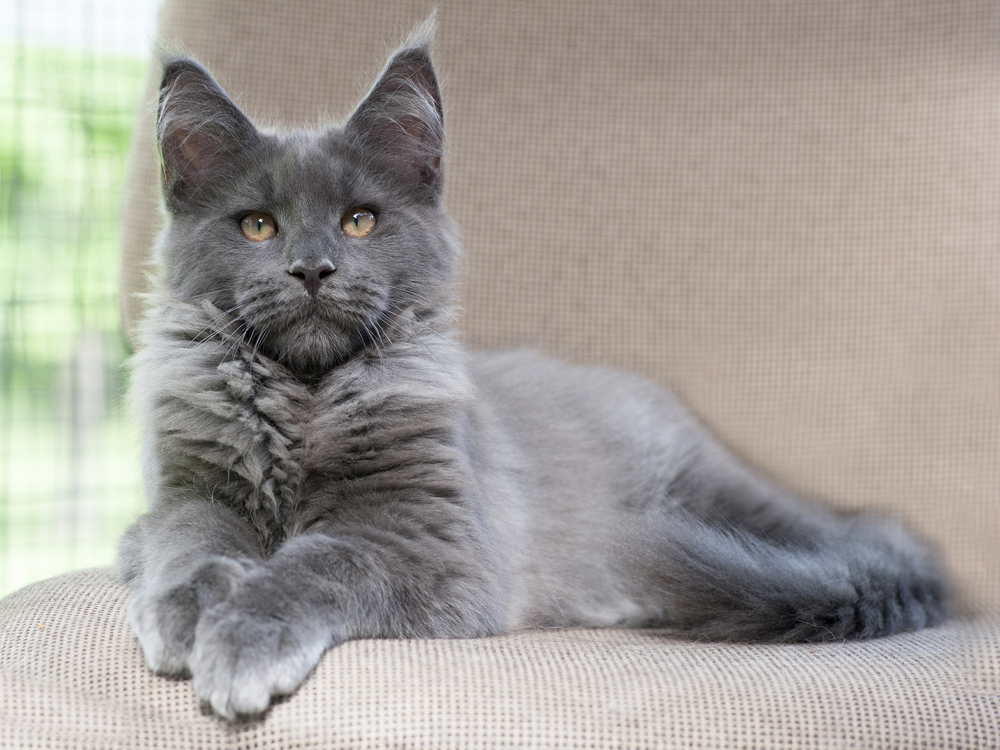
If you’re curious about the aging process in cats, or you already have a senior cat and are wondering if they will go gray, we’re here to help.
Some cats will go gray as they age, while others won’t change hair color at all. Both scenarios are normal.
Here, we discuss the possible gray hair that some cats might get as they age and the other physical signs and health problems that a senior cat might encounter.

Do Cats Go Gray as They Age?
Senior dogs tend to show their age, sometimes early on, by going gray around their muzzle. As they get older, their faces can go completely gray or white, in some cases.
But you might have noticed that the same can’t be said for cats. For those cats that do go a little gray, it’s not always noticeable, and some cats don’t get any gray hair at all.

How Going Gray Works
Melanocytes are the cells responsible for the production of melanin or the lack thereof. Melanin is a pigment that influences what color the hair will be. As people age, the production of melanin starts to slow down, and the hair begins to turn white or gray.
When we compare average human life expectancy to that of a cat, we can see how our life stages line up:
| Human | Feline | |
| Life expectancy | 76.4 years | 14 years |
| Geriatric | > 60 years | > 9 years |
| Middle age | 36-60 years | 2 -8 years |
| Young adult | 19-35 years | 10-24 months |
| Teenager | 13-18 years | 4-9 months |
| Child | 0-12 years | 0-3 months |
The average human starts to go gray by the time they reach middle age, around 36 years old (some much earlier, some much later), which would be the same as a 2 year old cat going grey. We do often notice a change in coat color and texture as cats reach adulthood, so is this the feline equivalent of going grey? This is particularly noticeable in some black cats, whose coats change to a more brown color as they get older. There is little scientific research into this particular area, so it is difficult to say for sure.
Many dark coated cats will get little patches or specks of white fur appear in their coat, but this is usually to do with an injury or scar rather than age.
Why Don’t Most Cats Go Gray?
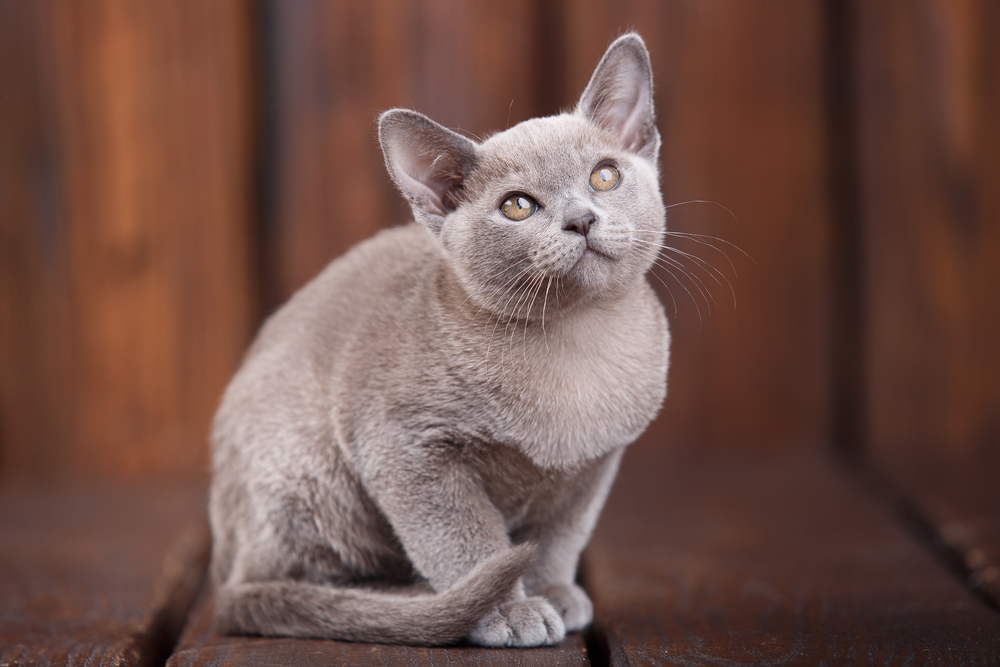
There is no set time for when cats start to go gray. Some might be 5, while others could be 17. But some cats never go gray. No one really knows why, and most theories are just conjecture, but it’s thought that cats might simply have more melanocytes than dogs or people.
It’s also possible that cats don’t lose as many of the melanocytes as they age as dogs do. But there haven’t been any studies on this, so we’re left with educated guesses.

The 9 Signs That a Cat Is Aging
Changes that a cat undergoes as they age include physical and behavioral ones. However, many of these changes lead back to health-related problems. The following signs are indicative of a cat entering their senior years.
1. Weight Loss
As they get older, many cats lose weight and start to look bonier and thinner. This is usually due to a loss of muscle mass, which can be the result of arthritis, kidney disease, or just a more leisurely lifestyle. Arthritis can also impact a cat's grooming, so their coat can easily become matted, leading to an unkempt look.
Dental disease and hyperthyroidism are common conditions seen in geriatric cats, and both can cause a cat to lose body condition quite quickly.
2. Bad Breath
Senior cats are prone to dental issues, specifically dental disease. Signs of dental disease are:
- Red gums
- Bad breath
- Tartar build-up
- Tooth loss
Dental disease can also contribute to weight loss if your cat is in pain and has trouble eating.
Bad breath can also be an indicator of kidney disease, and cats with diabetes can get an almost fruity smelling breath, so this is something that warrants a visit to the vet.

3. Increased Vocalizing
Many cats start to meow more than usual, particularly at night, and they might appear disoriented at times. This can be from cognitive dysfunction syndrome, which is similar to dementia in humans. It may also be an indicator of reduced hearing.
4. Temperament Changes
If your cat seems crankier or more agitated than usual, hyperthyroidism might be the culprit. It is capable of turning sweet cats into grumpy cats, and requires medication. Some cats might also become grumpy because of discomfort from arthritis or another uncomfortable physical ailment.
Some older cats will become more clingy and vocal as they age, and seem to need more contact and reassurance from you. This may be due to a reduction in their hearing and visual acuity, or it could mean there’s something else going on.
5. Cloudy Eyes
Some cats will get cataracts as they age, which can change the cat’s vision and eventually lead to blindness. They can be treated through surgery or by reducing the inflammation in the eye.
More commonly, cloudy eyes are the result of lenticular sclerosis (aka nuclear sclerosis), which is a completely normal aging process, and generally doesn’t significantly affect vision. However, it can gradually reduce the amount of light reaching the back of the eye, and some cats will become less confident in the dark as they get older.

6. Loss of Vision
Some diseases can cause partial or complete vision loss. If it happens suddenly, the cat needs to see a veterinarian immediately. Sudden blindness might be caused by hypertension (high blood pressure), in which retinal detachment might occur.
7. Inappropriate Elimination
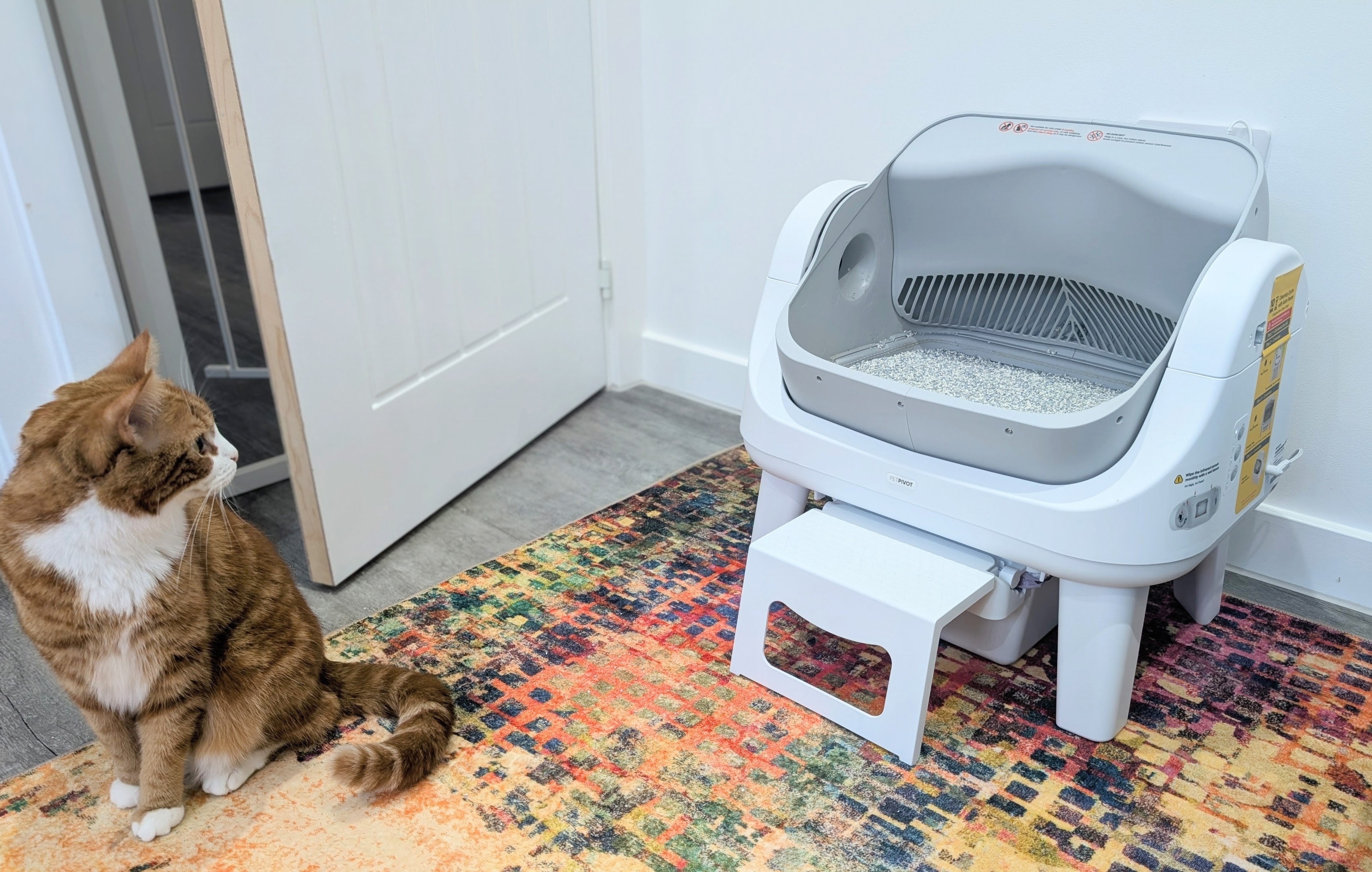
Cats can do this at any age, but if you notice your senior cat urinating and/or defecating outside the litter box, it could be a health condition. You might need to ensure that the litter box is easy for them to get in and out of, particularly if they are arthritic.
More frequent urination than usual can also be due to kidney disease, hyperthyroidism, or urinary tract infections. If you suspect that your cat might have an issue, see your vet.
8. Increased Thirst
If you notice your older cat drinking more than usual, this can stem from a potential health problem. Hyperthyroidism can be the culprit, as can kidney disease and diabetes.

9. Change in Appetite
If your cat is suddenly eating much more or much less, these are potential signs of a number of different conditions, such as dental problems, hyperthyroidism, diabetes, kidney disease, pain, or cancer. Any changes in your cat’s appetite that lasts more than 48 hours means that your cat should be examined by a vet.
FAQ
How Do I Care for My Senior Cat?
The most important thing that you can do for your aging cat is take them to your veterinarian. Your cat will need check-ups, which will include regular lab work. They should be seen every 6 months, particularly when they start having health issues.
You’ll need to change their food to senior cat food, and your vet may suggest that you add supplements and possibly medication to help support their joints and kidneys. You’ll also need to make modifications to your home, like a new, easier-access litter box and ramps and steps so your cat can still sleep on the couch and your bed.
All cats like to be warm, and this is especially true for our seniors. Make sure they have plenty of places to snuggle up, and check that their beds are away from any drafts in the home.
Finally, you should continue to play with your cat. You’ll need to keep things short and easy, but to keep your cat’s mind and body active, try using food puzzles, and continue enticing them with feather and mice toys.
How Old Does a Cat Have to Be to Be a Senior?
Cats are considered seniors from around 8 and 10 years of age, but every cat will age differently. Some cats might seem older than other cats of the same age. Health has much to do with this, of course, as can genetics.

Conclusion
Not all cats go gray. In fact, most cats don’t. You might notice a little graying and color change in your cat as they age, but whether a cat goes gray has nothing to do with their health.
It is more likely that the coat changes we see in cats as they enter adulthood/middle age are comparable to humans and dogs going gray.
Once you start noticing changes in your cat, take them to see your vet, and be prepared for changes so you can support your cat in their advancing years.
Related Read:
Sources
Featured Image Credit: Okeanas, Shutterstock

Expert cat care, straight to your inbox
Vet-reviewed advice, behavior tips, and the best of Catster. Free, and you can unsubscribe anytime.
By signing up, you agree to our Terms & Conditions and Privacy & Cookies Policy.
Kathryn was a librarian in a previous lifetime and is currently a pet writer. When she was a child, she hoped to work in ZOOs or with wildlife in some way, thanks to her all-consuming love for animals. Sadly, she's not strong in the sciences, so she fills her days with researching and writing about all kinds of animals and spends time playing with her adorable but very naughty tabby cat, Bella. Kathryn is hoping to add to her family in the near future – maybe another cat and a dog.
Join the conversation
Ask a question, share your story, or send private feedback.