Cat Hotels: What to Expect When Leaving Your Pet
In this article
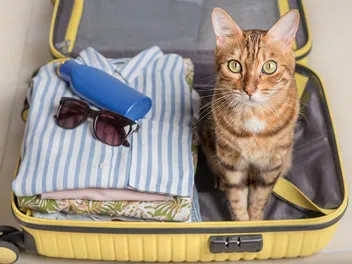
If you are traveling for work or pleasure and have a cat, you have a few options: traveling with your cat, putting them in a boarding facility, or hiring a cat sitter. There is another alternative, however, which gives your cat a luxury experience: a cat hotel.
Cat hotels, or catteries, are similar to dog boarding kennels, but they cater exclusively to cats. If you’re planning to put your cat in a cat hotel while you’re away, find out what to expect when leaving them behind and how to prepare them for a stress-free stay.

What Is a Cat Hotel?
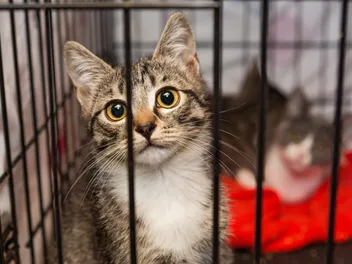
Cat hotels, also known as catteries, can vary widely in what they offer. They all provide a place to house your cat temporarily and care for their basic needs, including feeding and watering. Typically, catteries are designed with the specific needs of cats in mind, so they’re preferable to general pet boarding.
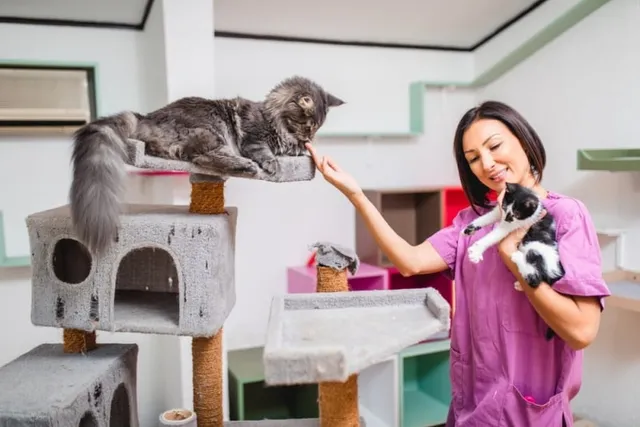
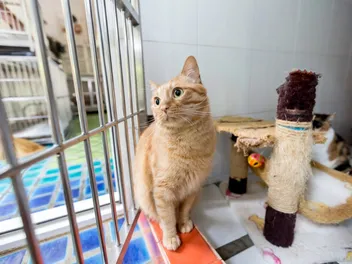
Like human hotels, cat hotels can vary in what they offer as far as amenities go. Some are basic and provide close-set cages with basic care, like a clean bed, regular feeding, a litter box, and light grooming. Some high-end cat hotels provide a more premium experience with perches, windows, and more cage space. You may be able to pay a fee for human interaction like playtime and cuddling in some facilities.
If you have a special needs cat, some cat hotels offer additional services like medical care to ensure your cat is safe and comfortable while you’re away. Some facilities have larger cages to board multiple cats, which is great if you have a bonded pair to reduce their stress.
Regardless, one thing you can count on in cat hotels is that there will be no barking dogs to stress your cat out.

How to Prepare for a Stay in a Cat Hotel
Many people believe cats are independent and can be left on their own for long periods, unlike dogs. Cats do experience stress and discomfort when they’re without their owner and thrust into a new environment, especially with the sights, sounds, and smells of unfamiliar cats.
It’s important to prepare your cat for the experience and reduce unnecessary stress in advance. Here are some tips:
1. Research the Cat Hotel
Researching local cat hotels is just as important as researching your own accommodation. This facility will be responsible for caring for your cat while you’re gone, so you don’t want to leave it to just anyone.
The best place to start is by asking your vet for recommendations. You can also narrow your selection by seeing what amenities are available and reading reviews, not just on the business website but from third-party sources like Yelp.
Once you have a few cat hotels in mind, take a tour of the facility and pay attention to the staff, the cleanliness, the accommodation, and the requirements for your cat’s stay.

2. Get Your Cat Comfortable With Carriers
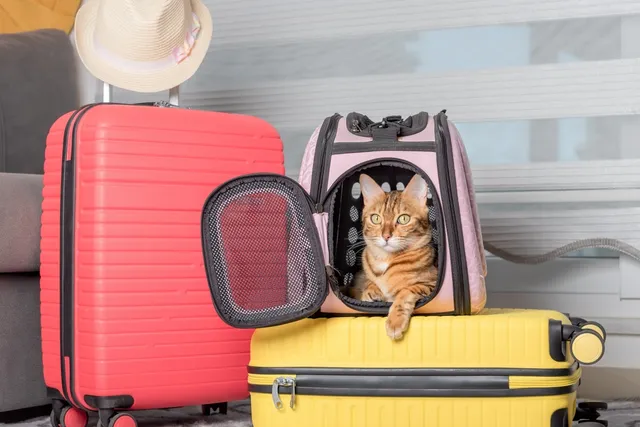
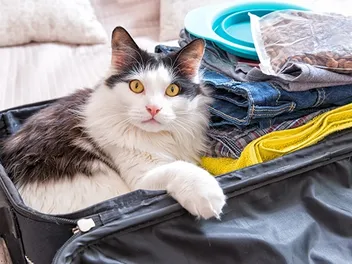
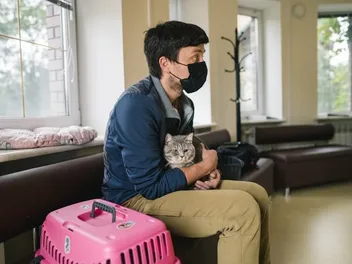
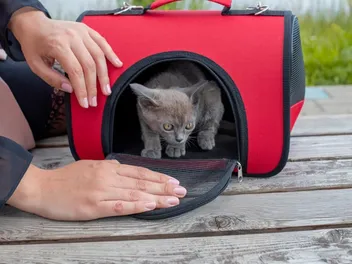
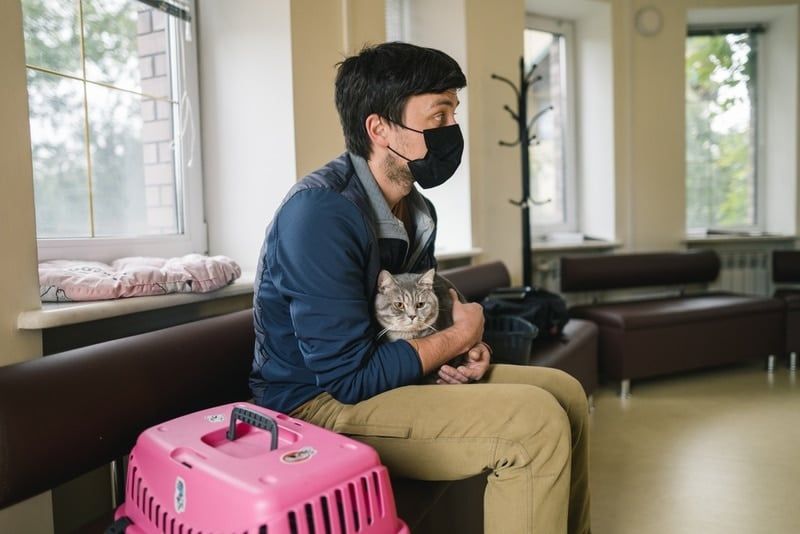
A carrier is a must when you’re traveling anywhere with your cat, even if it’s just a short car ride. Most cat hotels will require a carrier for your cat as well.
Hopefully, your cat is already comfortable with a carrier, but if not, devote some time to training. Work in short sessions and make the carrier a fun place with treats and toys, then gradually increase the time your cat is in the carrier.
Once the carrier is no big deal in your home, step up to short car rides. Again, make it fun with treats and toys during and after the drive. Build up to longer car rides slowly as you approach your vacation dates.
3. Book a Trial Night
Staying in a cat hotel is a big experience for your cat. Instead of making the first time a long stay, book a trial night or two to get your cat more used to the experience. This gives you an opportunity to see how your cat adjusts to the new environment and new people and cats so you can plan better for your long trip.
Ideally, you should introduce your cat to staying in a cat hotel when they’re kittens. Even if you don’t have an upcoming trip planned, this helps with cattery training early and prepares your cat for your future vacations. This is also good training for overnight or hospital stays at the vet.

4. Get Your Cat Up to Date on Vaccinations
Most cat hotels will require your cat to be current on all vaccinations and parasite preventatives. This is essential for your cat’s health and the health of the other cats in the facility. Make sure to refill any medications that your cat takes as well.
If your cat takes medication regularly, make sure the staff knows in advance. Most facilities will have staff trained to administer medication to cats, including injectable medications like insulin, but they need to know in advance. You should also leave detailed information about your cat’s vet, medications, dosage, times, and the best way to administer them to make the process as smooth as possible.
5. Pack Your Cat’s Belongings
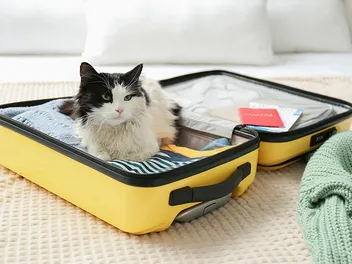
Cat hotels will have supplies for your cat, but you can ease the transition by bringing your cat’s favorite things from home. Pack your cat’s food and treats and some favorite toys. You could provide a bed or blanket that your cat likes as well, which will make the cat hotel feel a little more like home.

6. Prepare the Staff for Your Cat
Cats are individuals. You may know all your cat’s quirks, but the staff at the hotel do not. Make notes about your cat’s likes and dislikes or unique habits so that the staff can look after them as well as you do.
Conclusion
A cat hotel is a great alternative to bringing your cat on your vacation or relying on a general pet boarding facility. Cat hotels are designed just for cats and keep the experience as relaxed as possible, but you have to do your part by preparing yourself, the staff, and your cat for the stay.
See also: Is Holiday Inn Pet Friendly?
Featured Image Credit: Frau aus UA, Shutterstock
Expert cat care, straight to your inbox
News, insights, and useful advice, delivered to you.

No spam — unsubscribe anytime.
By signing up, you agree to our Terms & Conditions and Privacy & Cookies Policy.
How useful was this post?
Click a star to rate. You can leave written feedback afterwards. (We read all feedback.)

Nicole is a lover of all animals, especially of the feline variety. She's mom to four, three fur babies and a human baby. She and her husband, John, live on a large forest property down in New Zealand.
Their beautiful Burmese cat Baby (who is now 17 years old) was their first child, though he is now called Baby Cat since their human baby joined the party in 2022. The dogs Rosa and Mac also love cats, but the whole family agrees that King Baby Cat is enough cat for this household.
Nicole is the Director of Content Management at Catster and Pangolia. With a Bachelor's degree in Education and years of online experience, she shares her pet knowledge and the knowledge of other professionals with the world, aiming to improve pets and pet parents' lives.