Can a Q-Tip Help a Cat in Heat? (Vet Answer)


In this article
Cats that have not been spayed cycle through a fertile period every 14–21 days during the breeding season.1 This is called being “in heat.” When a female cat is in heat, this is an indication she is ready to mate with a male cat. Some owners find the behavior of their cats while they are in heat to be disruptive and/or destructive. They then may seek ways to suppress the signs or bring their cat out of heat rapidly so they don't have to put up with the undesirable behavior.
One way that has been documented to calm your cat down and bring them out of heat is the “Q-tip method.” This has been reported to be a way that cat owners can soothe their cat who is in heat and calm them down quickly, therefore reducing the unwanted behavior in the home. The Q-tip method involves insertion of the Q-tip into your cat's vagina and pushing it in and out several times.
It is not at all recommended to use the Q-tip method as there are too many things that can go wrong. Let's explore this subject in more depth.

What Does Being in Heat Mean for Cats?
When the term “in heat” is used, it often confuses people. When people refer to a female cat as being “in heat” or being “in season,” this means they are in a stage where they are fertile and are able to get pregnant if they have a sexual encounter with a male cat. The first heat cycle for cats can start as young as 4 months old.
If your cat has been spayed (which means they have had their uterus and ovaries removed) they are unable to go into heat. This also means they are unable to get pregnant. Cats usually go into heat about once a month during the breeding season. In the northern hemisphere this is usually between January and late fall, but is dependent on the number of daylight hours. Cats that live in more tropical regions can cycle all year round.

How to Tell If Your Cat Is in Heat
All cats are individuals and some display clinical signs of being in heat differently from others. External signs such as a swollen vulva or bloody discharge are not usually that obvious in cats. The most common signs of a cat being in heat are behavioral and include:
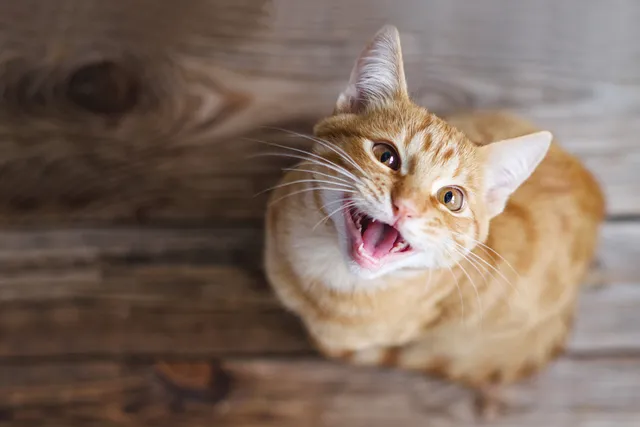
- Vocalization (this can include yowling, wailing, and meowing more than they usually do)
- Loud purring
- Spraying urine around the house
- Enlarged nipples
- More frequent urination
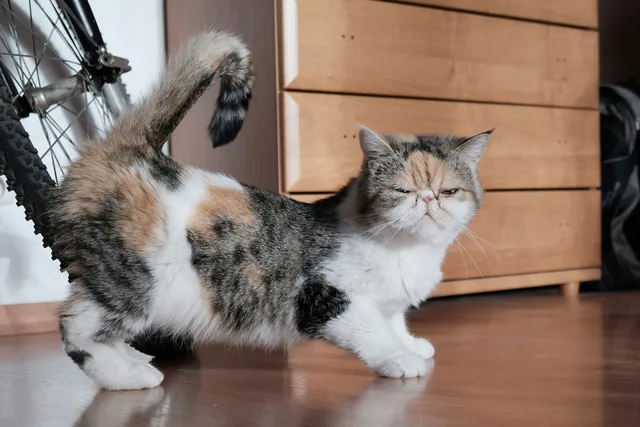
- Arching their back and wriggling their backside
- More skittish than usual
- Restlessness
- Scratching things in the house
- Crawling low to the ground
- Wagging their tail from side to side
- Overgrooming and licking themselves or other animals and humans
- Overt displays of affection
- Rubbing themselves on objects, other animals, and humans
What is the Q-Tip Method?
The Q-tip method is a way that has been described for owners to calm their cats down when they are in heat. Owners are advised to insert a Q-tip into the entrance of their cat's vagina and move it in and out. The advice continues to say that the Q-tip should be inserted in and out fairly rapidly until the cat calms down. Essentially the Q-tip is supposed to mimic a male cat's penis entering the vagina and stimulate the same response.
Cats are induced ovulators, meaning that they ovulate only when they are mated. The Q-tip is supposed to stimulate ovulation and therefore bring the cat out of heat. The Q-tip method is NEVER recommended by veterinarians. Let's discuss why.

The 4 Reasons the Q-Tip Method is Advised Against
1. Risk of Infection
There is a huge risk of introducing infection using a Q-tip. If a foreign body is inserted into your cat's vagina, it can bring in all sorts of bacteria. Even if attempts are made to sterilize the Q-tip, (which will be difficult at home), there is still a huge risk of infection.
Another potential issue is that because the end of the Q-tip is essentially cotton wool, small bits of fluff can come off it and remain in the vagina. This can cause a foreign body reaction and a nasty infection if left unnoticed.
2. Injury
Inserting a Q-tip to simulate the male cat's penis can cause damage. You may push too hard, and tears and lacerations on the inside of the vagina are very painful and can be challenging to repair. You may cause unnecessary friction when inserting the Q-tip, or the angle may be incorrect.
All of these things can cause unnecessary trauma and subsequent infection if there are wounds or broken skin.

3. Unethical
Cats being in heat is a normal, natural process. It is unethical to perform this sort of procedure on a cat to attempt to stop the behavior. A cat is an animal that acts based on instincts and it is inappropriate to intervene and give the cat mixed messages about what to expect from natural urges.
4. Low Success Rate
This technique actually has a very low success rate. The risk of complications is far greater than any potential benefit therefore it is not worth doing.
The 7 Alternative Ways to Help Your Cat
1. Catnip
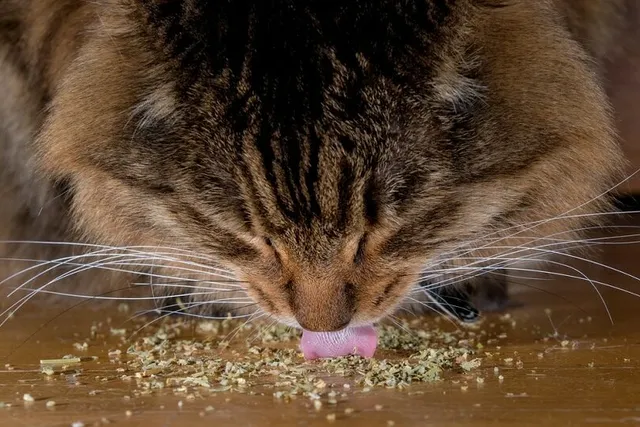
Catnip can be given to female cats in heat in an attempt to calm them down. Catnip (Nepeta Cataria) is an herb belonging to the mint family. It has small aromatic leaves that cats are attracted to. The smell of catnip can help to relax your cat and distract them from mating urges.

2. Pheromone Diffuser
There are pheromone diffusers available that release synthetic chemicals that emulate the
natural pheromones a mother cat releases when nursing her kittens. These can be very useful to calm down a cat in heat. These can be purchased as wall plug-ins to be released into the atmosphere to calm your cat.
3. Warm Heat Pad
Anecdotal evidence suggests that giving your cat a heating pad to lie on when they are in heat can help them calm down. The warmth of the pad can relax your cat and encourage them to lie down and rest.
4. Spay Your Cat
One way to ensure your cat does not come into heat at all is to have your cat spayed. Spaying involves the removal of the uterus and the ovaries through a small incision made on the side or along the bottom of the abdomen. Spaying also has other health benefits for your cat such as reducing the risk of mammary cancer.

5. L-theanine
This is an amino acid that can be found in the leaves of the tea plant. It is thought to have a calming effect on humans and animals.
6. Increase Physical Activity
If you play with your cat and allow them to run around, this can potentially distract them from their urges and stop them from getting stressed out. Exercise has many benefits for your cat's health too.
7. Enrichment Toys
There are many puzzle toys and enrichment toys available you can buy for your cat. Some release small amounts of food as an incentive to keep playing or a reward. Others offer mental stimulation. These toys can distract your cat from their mating urges.

Conclusion
Using a Q-tip to help relieve a cat when they are in heat is not a suitable option. It is dangerous and there are lots of things that can go wrong. Your cat could end up with a serious injury or an infection.
There are lots of effective alternatives offering your cat relief or preventing them from being in heat altogether. Spaying your cat will mean that they cannot come into heat or get pregnant.
Related Reads:
Sources
Featured Image Credit: ang intaravichian, Shutterstock
Expert cat care, straight to your inbox
News, insights, and useful advice, delivered to you.

No spam — unsubscribe anytime.
By signing up, you agree to our Terms & Conditions and Privacy & Cookies Policy.
How useful was this post?
Click a star to rate. You can leave written feedback afterwards. (We read all feedback.)
Dr. Emma Chandley, BVM MRCVS (Veterinarian)
Dr. Emma is an experienced vet who is happy to share her expertise and knowledge about cats with readers. Her passion is surgery but she will happily talk about anything animal-related. Dr. Chandley graduated from The Royal Vet College and since then she has worked in general practice in Great Britain. Dr Chandley has completed a postgraduate certificate in Small Animal Surgery and has also gained Advanced Practitioner status in the same discipline. She enjoys developing her skills in animal behavior, nutrition, and clinical pathology as well.