8 Different Types of Cat Treats: Vet-Approved Tips on How to Choose


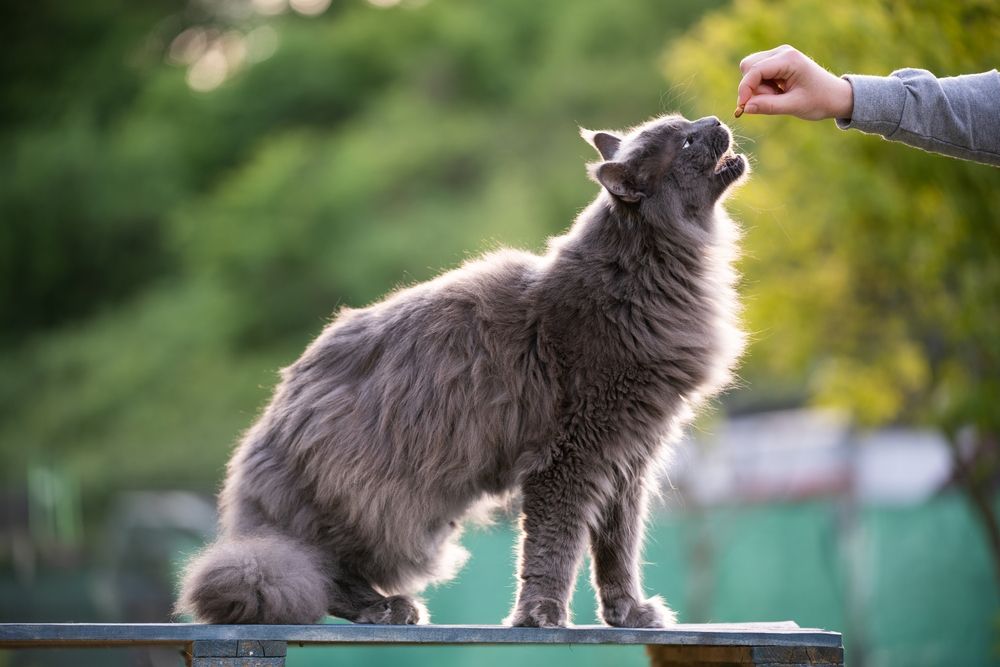
There are a lot of cat treats on the market, so deciding which to get your feline friend can be challenging. Would they prefer something crunchy or soft? Wet or dry? With catnip or without? Choosing the perfect cat treat can be an overwhelming task!
We’re here to make the job of getting cat treats a bit easier by breaking down the types of cat treats available and giving you tips on choosing the ones that are best for your cat. With this knowledge, you’ll be better able to find a treat your kitty loves. Keep reading to learn all you need to know about treats for cats!

How Are Cat Treats Classified?
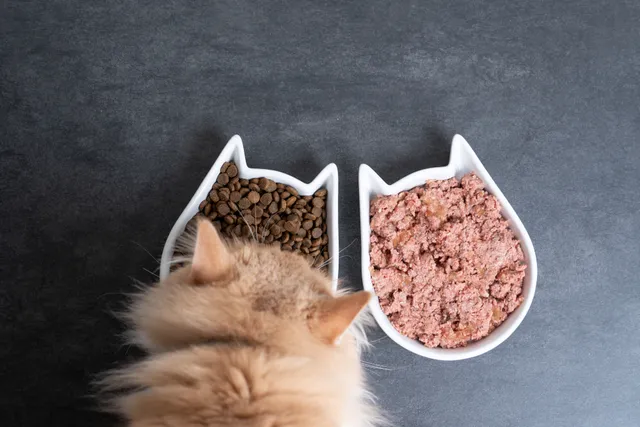
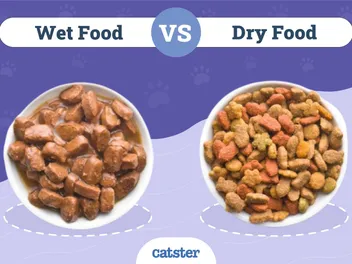
There may be a ton of cat treats available, but all of these treats can really be classified as one of two things—dry or wet. A cat treat might be a variety of things, from a broth to a chew, but it should always fit the dry or wet category. Once you know whether your kitty prefers a nice crunch to their treats or if they’d rather have something chewy or lickable, you’ll be able to find the best options for your pet and decide from there what works
The 8 Types of Cat Treats
Here, you’ll find the eight types of cat treats you can get for your favorite kitty!
1. Crunchy

| Calorie Range: | 1–2 calories |
| Limited Ingredients: | No |
| Best For: | Adult cats with healthy teeth |
Crunchy cat treats are some of the most common cat treats around, so you’ll find no shortage of them on the shelves of your local pet store. These treats are best for adult kitties who don’t have dental pain (those with periodontal disease, gingivitis or other problems may have a hard time chewing these or could even hurt their teeth with them). They come in a wide variety of flavors and sizes, so there’s sure to be a crunchy cat treat your cat will love.
One of the best things about these dry treats is that they’re often fabulous for use in puzzle feeders or toys! Stick some of these in a ball that spills treats when kitty bats around, or simply toss a few into an ice cube tray and watch your cat try to remove them.
2. Soft/Chewy
| Calorie Range: | 1.5–17 calories |
| Limited Ingredients: | Varies |
| Best For: | All (especially cats with dental problems) |
Soft or chewy cat treats are also highly common and come in a vast range of flavors, so again, you won’t lack options if you go with this type of treat. Soft or chewy cat treats are most suitable for those cats with dental problems, as these treats are easier on teeth. They, too, can be used in puzzle toys and games, though they could be a bit messier than crunchier treats. Soft or chewy treats should work well in something like a foraging mat, though!
3. Dental

| Calorie Range: | 1–2 calories |
| Limited Ingredients: | No |
| Best For: | Older kittens, adults, seniors |
Did you know dental disease is incredibly common in felines? Unfortunately, cats aren’t known for their love of having their teeth brushed, which can be an issue. That’s where dental treats come in! These types of treats (think Greenies) can help reduce the amount of plaque that builds up on your pet’s teeth. They shouldn’t completely replace the brushing of teeth, but they can be a beneficial supplement in the quest to keep kitty’s teeth clean!
4. Wet
| Calorie Range: | 6–16 calories |
| Limited Ingredients: | No |
| Best For: | All cats |
Wet treats are becoming more popular (in fact, there’s a good chance your kitty has gotten a wet treat at the vet before!), and for good reason. Wet treats are extremely tasty, come in all kinds of flavors and textures, and can be more palatable for felines experiencing decreased appetite (as wet treats have a stronger smell than dry ones that can be more appealing). Wet treats can encompass pates, stews, chowders, bisques, broths, and more, and are easier on teeth because they’re lickable (which also makes them a good choice for most cats of any age). Plus, wet cat treats have the bonus of containing more moisture than other cat treats, which can help keep your pet hydrated!
5. Veterinary

| Calorie Range: | 1–2 calories |
| Limited Ingredients: | No |
| Best For: | Cats with health issues |
If your favorite feline has a medical issue like urinary stones, has a sensitive stomach, or is struggling with being overweight, a veterinary treat may be the best option for them. These treats are specifically made for certain problems a cat may be having, so they let the kitty enjoy a treat without causing any further issues. For example, a feline who is carrying a few extra pounds might need a treat that is low-calorie, while a cat suffering from urinary stones has other strict dietary needs. If your pet has a health issue, talk to a vet about what type of treat would be best for them.
6. Catnip
| Calorie Range: | 0 |
| Limited Ingredients: | Yes |
| Best For: | Adult cats |
Ah, catnip, the favorite of cats everywhere! (Or a lot of them, at least.) Many felines are big fans of catnip, so they’re sure to enjoy catnip-infused treats. Or you can simply get them some plain catnip (fresh or dried) for them to enjoy. Catnip may not offer kitty any nutritional benefits, but they will undoubtedly have a blast if given it!
7. Dehydrated

| Calorie Range: | 5–25 calories |
| Limited Ingredients: | Yes |
| Best For: | Healthy adult cats |
Dehydrated treats are made from raw food that has not been pasteurized or cooked. However, the food has had all the moisture removed via the use of low heat, so treats that are dehydrated aren’t exactly raw; they definitely aren’t cooked either, though. If you’ve been feeding your pet a raw food diet, this might be the type of treat you reach for. Just keep in mind that because it is made from uncooked food, there are always a few risks associated with feeding dehydrated treats to your kitty.
8. Freeze-Dried
| Calorie Range: | 2–14 calories |
| Limited Ingredients: | Yes |
| Best For: | Healthy adult cats |
Wait, isn’t freeze-dried the same as dehydrated? Not exactly. While both of these kinds of treats involve raw food having the moisture removed, freeze-dried treats remove that moisture using cold temperatures rather than low heat. This means that freeze-dried treats may have less moisture than dehydrated ones but will have a longer shelf-life. Freeze-dried treats might also have more vitamins and minerals than dehydrated treats. Freeze-dried and dehydrated treats do share the same risks, though some pathogens are killed in the freezing process.
How Do I Choose the Best Cat Treat?
Now that you know the types of cat treats available, how do you know which one to choose? You should consider a few factors when determining the best treat for your feline.
Texture
The treats discussed here come in various textures.
Soft and chewy treats are wonderful for kitties with dental issues or younger kittens with still-developing teeth. Wet treats are great for pretty much any feline, but particularly those cats who may be suffering from a lack of appetite, as wet treats tend to have a stronger odor, making them more appetizing. Crunchy treats will be best for adult felines with healthy teeth.
All cats will have different needs, so the texture of a treat can be important.
Number of Ingredients
It’s healthier for you to eat things containing fewer ingredients, and the same goes for your favorite feline. The fewer ingredients in a treat, the healthier it’s likely to be. Of course, there are some exceptions where a treat may have a longer list of ingredients as opposed to only one or two, but if those ingredients are all quality and offer nutritional benefits, then the treat should be fine. Unfortunately, though, too many treats are filled with ingredients that are nothing but fillers, preservatives, or chemicals.
Aim for as few ingredients as possible when it comes to cat treats.

Ingredient Quality
Besides the number of ingredients, look at the quality of the ingredients used in cat treats. Quality ingredients will consist of minimally processed, whole ingredients (such as salmon as the top ingredient). The less processing done to ingredients, the more nutritious it will be. Don’t take treats labeled as “organic” or “all-natural” at face value either; these labels don’t necessarily mean the ingredients are healthier or quality.
Your Cat’s Preferences
Felines are individuals, so every cat will prefer different kinds of treats. You’ll need to figure out what type of cat treat your kitty likes best. Let them sample a few to get an idea of what they enjoy!
Kitty’s Health
Also, remember any health concerns your cat might have when choosing a cat treat. Some health issues may require a specific kind of dietary treat, such as one that’s low-calorie or a dental treat. If your cat has a weakened immune system due to their young or old age or perhaps being infected with the feline immunodeficiency virus, stick to cooked treats only. If you’re unsure which treats would suit your pet, have a conversation with your vet.
Conclusion
There are a lot of cat treats to choose from when trying to find the perfect cat treat for your beloved feline! Cat treats can be crunchy, chewy, wet, dehydrated, freeze-dried, help with dental issues, help meet dietary needs, or be as simple as catnip. Figuring out which treat is best for your pet can depend on what kind of treat your cat prefers, as well as any health problems they may be dealing with; you should also look long and hard at ingredients in cat treats to find the healthiest option for your kitty. Once you find a treat your pet loves, though, you’ll become their favorite person!
Sources
Featured Image Credit: Nils Jacobi_Shutterstock
Expert cat care, straight to your inbox
News, insights, and useful advice, delivered to you.

No spam — unsubscribe anytime.
By signing up, you agree to our Terms & Conditions and Privacy & Cookies Policy.
How useful was this post?
Click a star to rate. You can leave written feedback afterwards. (We read all feedback.)
Misty Layne lives out in the woods in small-town Alabama with her two Siamese cats —Serafina and Jasper. She also has an array of stray cats, raccoons, and opossums who like to call her front porch home. When she’s not writing about animals, you’ll find her writing poetry, stories, and film reviews (cats, by far, her favorite writing topic, though!). In her free time, Misty enjoys chilling with her cats, playing piano, watching indie and foreign films, photographing abandoned places, and catching up on her never-ending TBR list.