Siamese Ragdoll Cat Mix: Info, Pictures, Temperament & More

In this article
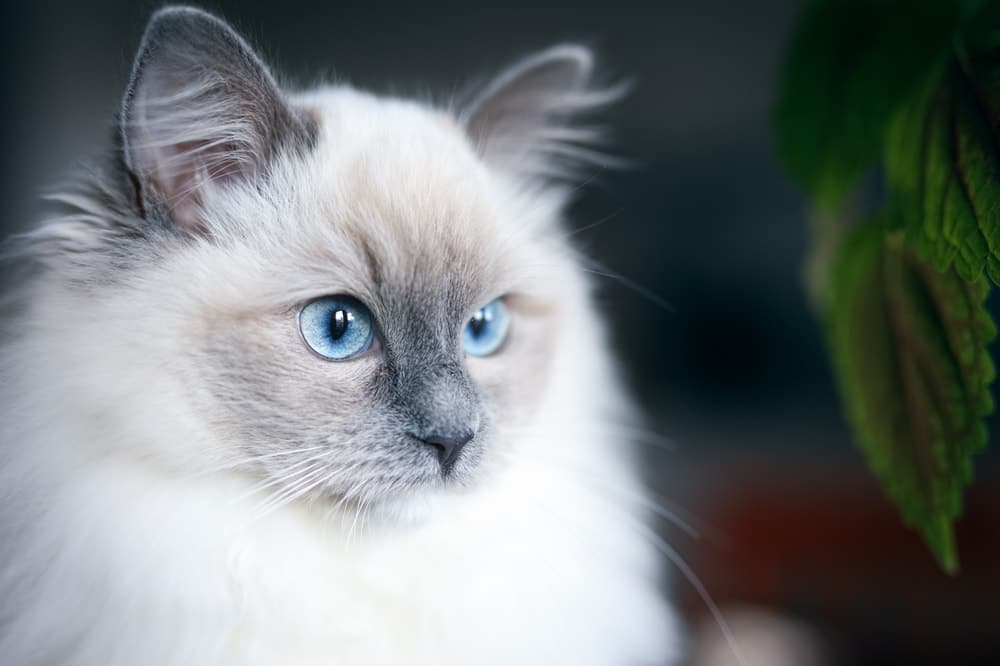
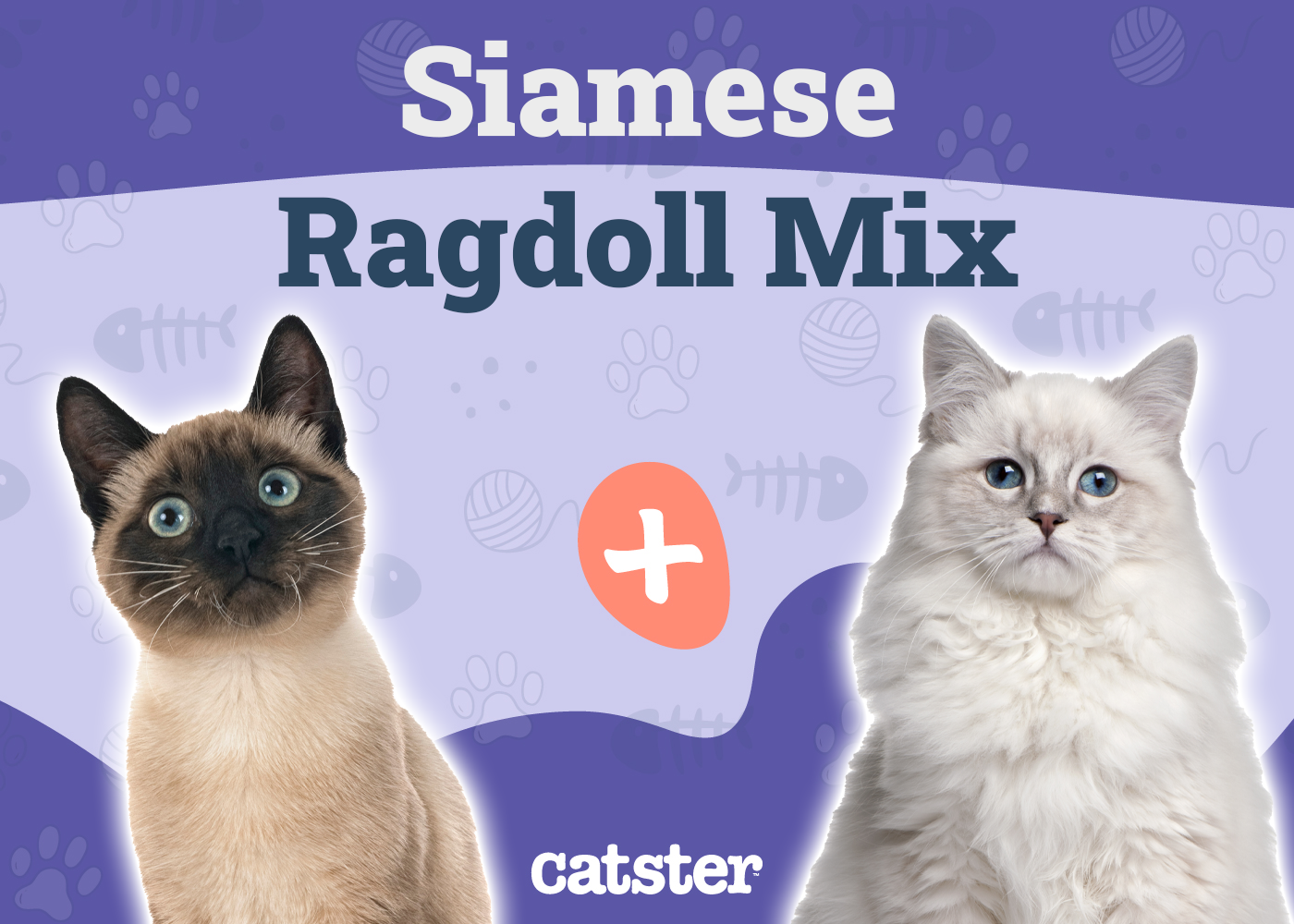
Siamese-Ragdoll cat mixes are gorgeous hybrid animals featuring the best qualities of each of these popular breeds. Also known as Ragamese, these cats make excellent family pets. As mixed breed cats, it’s often difficult to tell precisely which characteristics and qualities they’ll inherit from each parent. So, it can be difficult to predict exactly how the Ragamese will behave or look.
Breed Overview
Height:
Weight:
Lifespan:
Colors:
Suitable for:
Temperament:
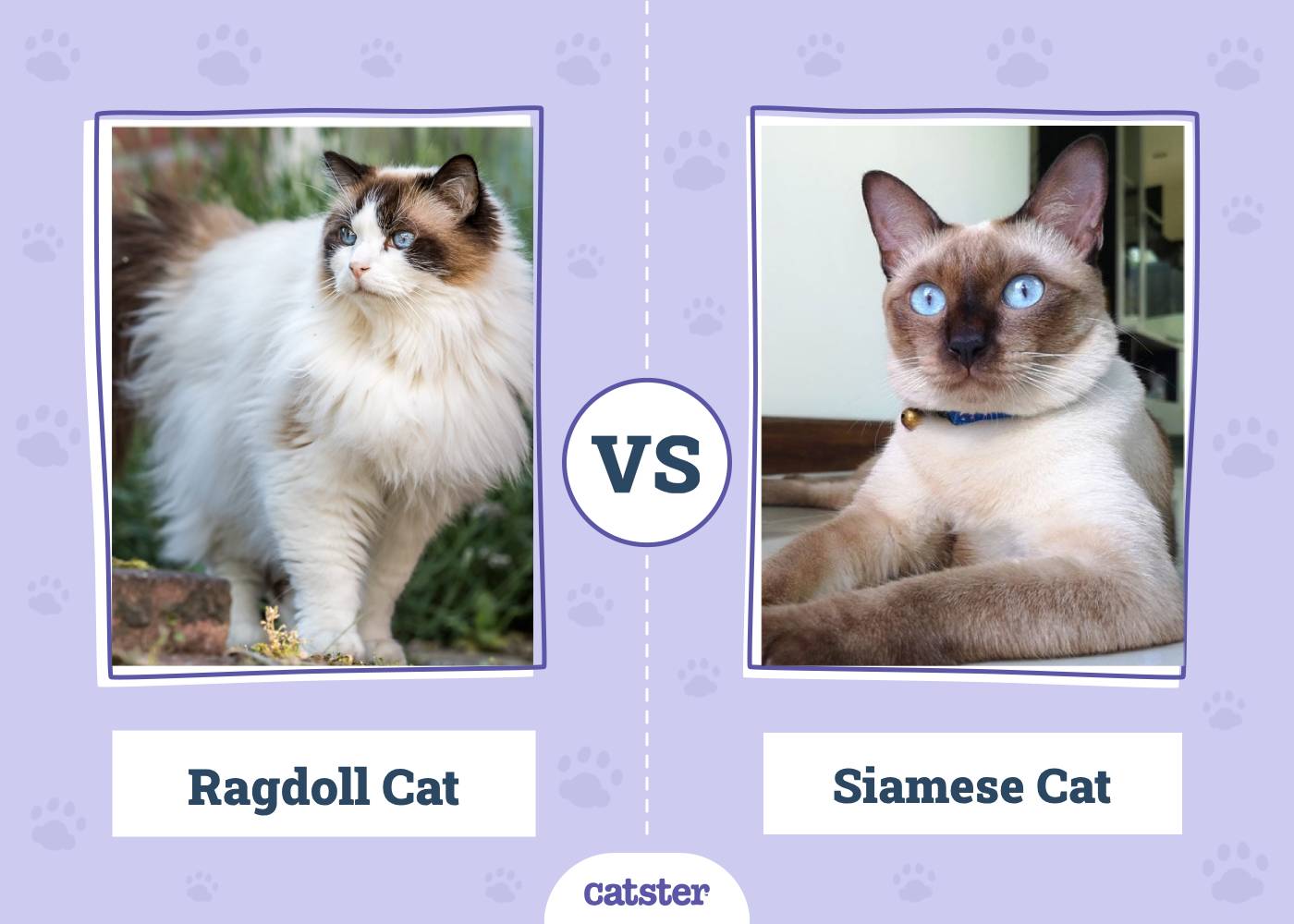
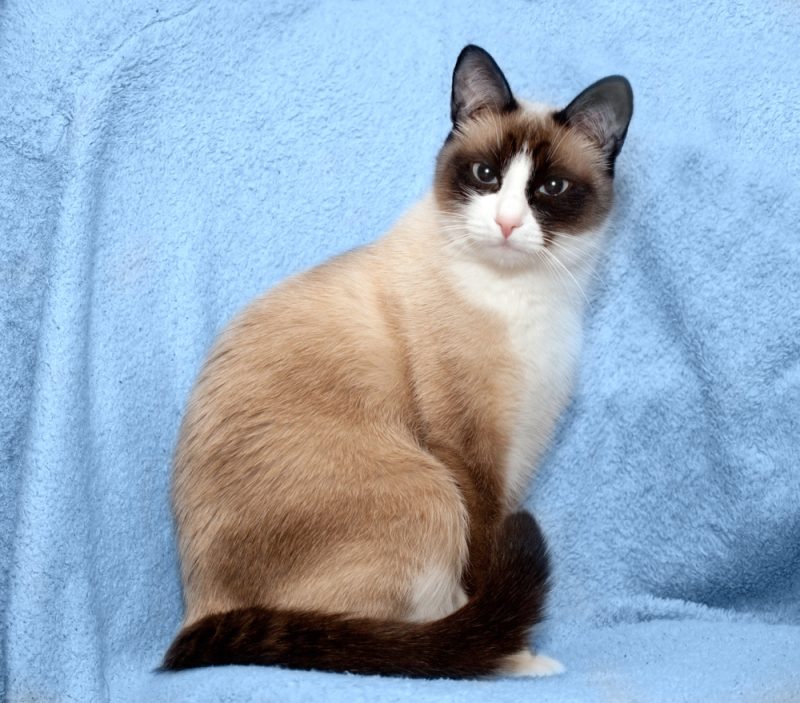
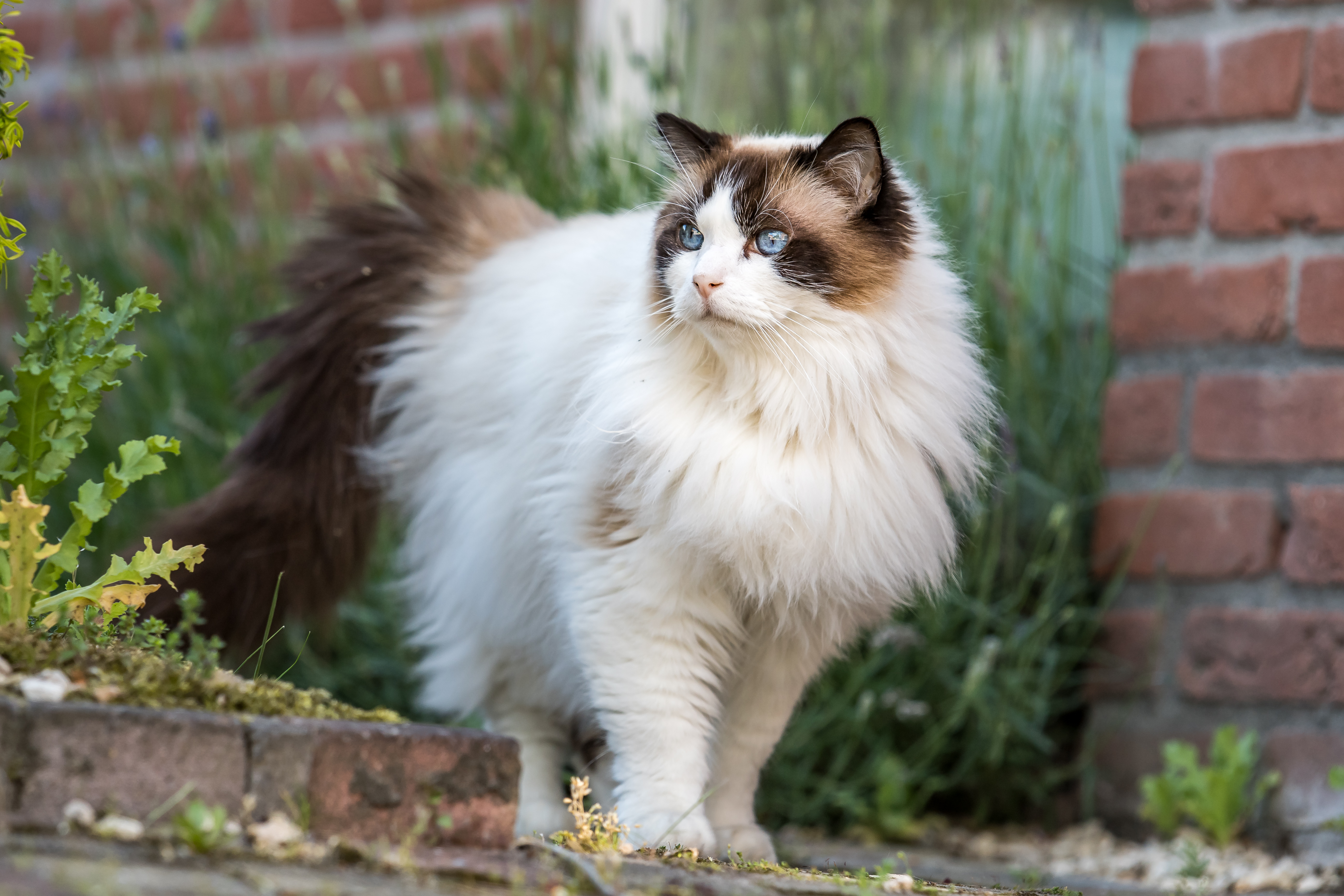
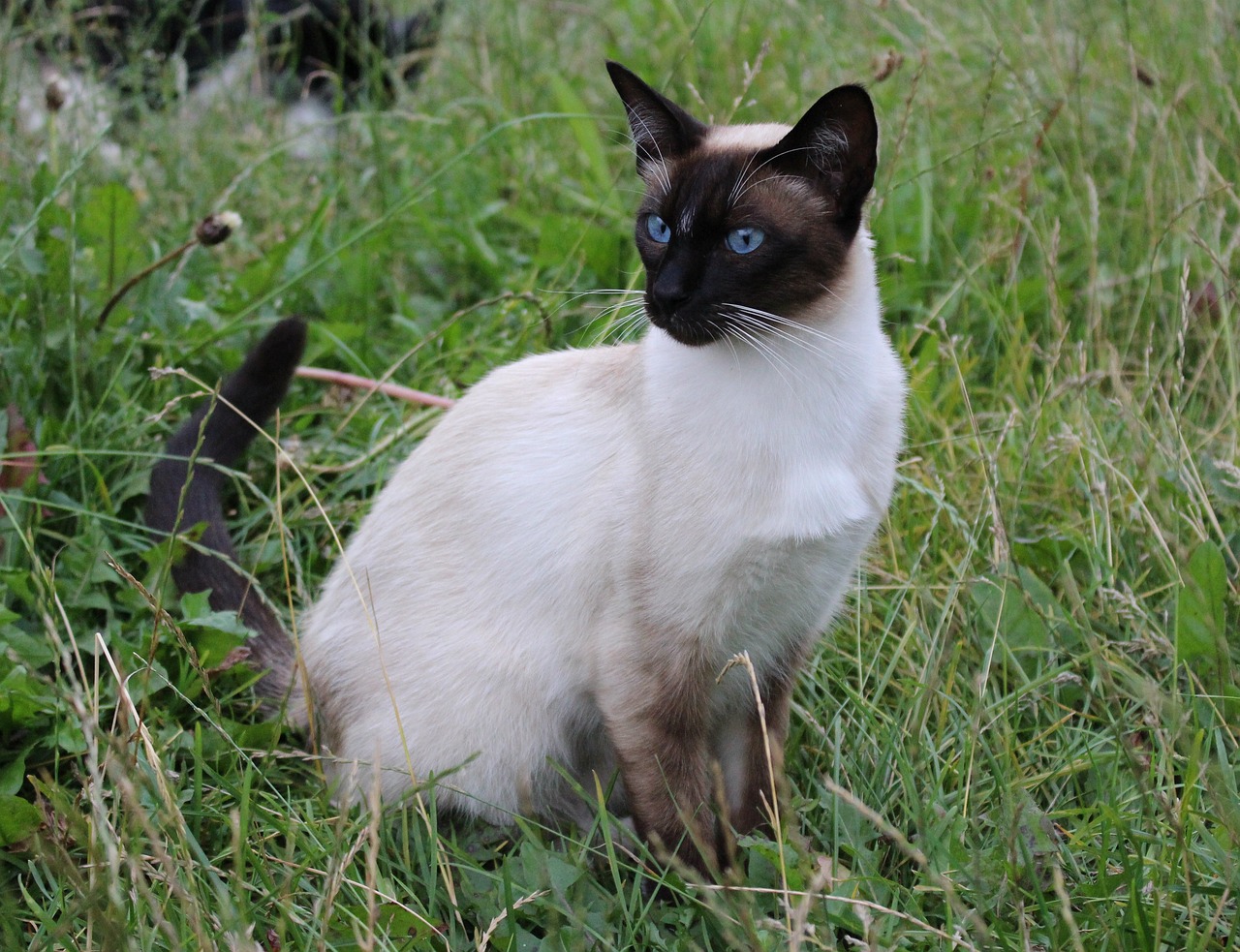
They generally have the social personalities of Siamese cats and the easy-going charm of Ragdolls. They come in several colors and patterns, including lilac, brown, blue, and tabby, and most have darker fur around their faces, ears, and tails. Siamese cats usually don’t weigh much more than 14 pounds.
They’re sleek, elegant, and aristocratic. Ragdolls often tip the scales at 20 pounds, and they’re one of the largest cat breeds! Ragamese kitties can be sleek like their Siamese cat parent, large like a Ragdoll, or somewhere in the middle.

Siamese Ragdoll Mix Characteristics

Temperament & Intelligence of Siamese-Ragdoll Cat Mixes
Predicting temperament is often tricky with mixed-breed cats like Ragamese kitties, as they inherit characteristics from both parents. But there are some qualities both Ragdoll and Siamese cats share, which are seen in most Ragamese kitties, like being easy to train.
It’s possible for a Ragamese cat to meow frequently and become attached to one person like Siamese kitties often do. Alternatively, Ragamese cats can have the open, loving personalities of Ragdolls and happily bond with different family members.
Are These Cats Good for Families? 👪
Absolutely. Ragdoll and Siamese cats do exceptionally well with families, and mixes of the two breeds do too! So, while it can be difficult to predict precisely which temperament traits any particular Ragamese may have, Siamese cats and Ragdolls tend to fit right in with families.
Siamese cats often bond deeply with one person and are known for following their favorite people around and even “speaking” with them. They have a reputation as being almost dog-like in how they interact with people, particularly children.
They’re also one of the most vocal breeds in the feline universe and are more than happy to express their feelings using a range of pointed meows. Ragamese kitties with Siamese-cat-like personalities may find it difficult to be left alone for long periods and require a fair amount of one-on-one attention.
Ragdolls were bred to be incredibly friendly, laid-back, and relaxed. Most enjoy spending time with their people, cuddling, and being held, although some don’t enjoy being picked up and carried around. They’re usually fantastic with children, as they’re loyal, mellow, and patient. While they love affection and attention, they’re not usually terribly demanding or vocal.
Does This Breed Get Along With Other Pets? 🐶🐱
Since Siamese-Ragdoll cat mixes tend to inherit personality traits from both parents, they will likely get along quite well with other pets, as both Siamese and Ragdoll cats accept other companion animals.
Siamese cats often do best in pairs since they can get lonely without a buddy and usually do just fine around well-behaved dogs. Ragdolls generally aren’t bothered by canine antics, and most enjoy the presence of other cats.
Things to Know When Owning a Siamese-Ragdoll Mix
Siamese-Ragdoll cat mixes are relatively low-maintenance pets. Most do fine with nutritious food, love, mental stimulation, and exercise. Ragamese cats don’t usually require special food or multiple trips to the grooming salon. And while they’re at risk for developing some of their parents’ breed-specific conditions, most live long and healthy lives, with some celebrating their 20th birthdays.
Food & Diet Requirements 🐡
Ragamese cats don’t require a special diet. But like all cats, they have specific nutritional needs for protein, fat, and nutrients like taurine. And as carnivores, cats can’t efficiently digest and absorb nutrients from plant-based foods.
Cat foods that meet American Association of Feed Control Officials (AAFCO) guidelines for feline nutrition contain all the protein, vitamins, and antioxidants cats need for optimum health without delivering too many calories, which is vital since some Ragamese cats can have difficulty maintaining a healthy weight.
While there are weight loss foods that provide reduced calorie options that meet feline nutritional needs, it’s always simply better to prevent pets from gaining weight in the first place. Measuring the amount of food cats eat helps ensure they get the nutrients they need while maintaining a healthy weight. Overweight cats can suffer more chronic health issues such as diabetes, heart disease, and some endocrine conditions. Being obese or overweight can decrease the cat’s lifespan.
Exercise 🐈
While cats are renowned for enjoying a good lounge, most light up at the chance to chase, stalk, and pounce. Ragamese kitties sometimes have trouble in the weight department thanks to their Ragdoll genes, making a good exercise program a must for these cats. Kitties usually do best when playtime is fun and short—about 10–15 minute sessions are ideal. Aim for at least 30–40 minutes of exercise per day, depending on your cat’s level of fitness and interest.
Some Ragamese cats may have difficulty being left alone, as Siamese cats tend to suffer separation anxiety when left alone or feeling ignored. Exercise often helps relieve mild feline stress and boredom. Cats usually respond well to cardiovascular exercise to get their endorphins flowing. Activity-based enrichment toys cats can play with while alone also help relieve boredom, loneliness, and stress. And interactive games provide cats with movement and ways to engage their natural “hunting” instincts.
- Our Recommendations: Best Interactive Cat Toys – Catster’s Reviews & Top Picks
Training 🧶
Ragamese kitties are usually quite trainable since their parents are intelligent felines. Cats respond well to training built around positive reinforcement. And because Ragamese cats are so people-oriented, they’re often motivated to learn.
Many owners find clicker training incredibly effective with cats; you click when you see your cat doing what you want to encourage and give them a treat. Remember to go easy on the treats to prevent weight gain. Most veterinarians recommend limiting treats to no more than 10% of a cat’s diet.
Ragamese cats can also be trained to walk on a leash. Going for walks gives cats a chance to discover and explore new sights, sounds, and smells. Even short jaunts give cats an opportunity to use their ears to find “prey” and their noses to find out about other cats in the neighborhood.
Grooming ✂️
Ragamese cats usually have soft fur. Some have short coats, and others have the gorgeous, silky medium-length coats that Ragdolls are famous for. Kitties with short fur only need to be brushed once or twice a week. Long-haired pets benefit from twice-weekly brushing sessions. But even cats with more Ragdoll-like fur don’t require regular coat trims.
Like all cats, Ragamese kitties need to have their nails clipped to prevent the development of ingrown claws, which can be painful and often require veterinary treatment. Some veterinarians recommend cats have their claws trimmed at least once every 2 weeks.
And all cats need regular dental care, including brushing their teeth at least two times a week. Make sure to use toothpaste designed for cats. Dental treats provide a tasty way to prevent plaque from forming on cats’ teeth. Dental products can be added to water for cats that won’t cooperate with at-home tooth brushing.
Health and Conditions 🏥
Ragamese kitties are generally healthy but can suffer from genetic conditions common to Ragdoll and Siamese cats. Siamese cats are at heightened risk of developing conditions such as progressive retinal atrophy (PRA), which can result in vision loss and several types of cancer, including lymphoma and intestinal cancer. Asthma and feline hyperesthesia syndrome are also commonly seen in Siamese cats.
Ragdoll cats have their own set of breed-specific health issues, including hypertrophic cardiomyopathy (HCM) and polycystic kidney diseases (PKD), both of which can lead to serious health problems. Ragdolls are relatively large cats with a tendency to be overweight. Urinary tract infections and inflammatory bowel disease (IBD) can often sidetrack these cats.
As first-generation mixes, Ragamese cats can inherit breed-specific diseases from both sides of the family tree. But most tend to be healthy and often live long and healthy lives.
Male vs Female
Ragamese cats don’t usually exhibit sex-based differences. Male cats tend to be a bit larger than female kitties and outweigh them by a few pounds, which can make a difference if you end up with a Ragdoll-size male cat that weighs 20 pounds!
Most cats don’t demonstrate massive behavioral differences once spayed or neutered, but unaltered pets can exhibit some sex-based behaviors. Intact male cats often mark territory and can sometimes be more aggressive. Both male and female cats spray from time to time, even when spayed or neutered, as it’s a natural way of identifying territory and communicating with other cats.
3 Little-Known Facts About Siamese-Ragdoll Cat Mixes
1. There’s a Good Chance a Siamese-Ragdoll Mix Will Like Water
Ragdoll and Siamese cats enjoy playing with water, so there’s a good chance a Ragamese will enjoy it too! While cats have a reputation as a water-averse bunch, many enjoy playing with water.
2. Most Have Blue Eyes
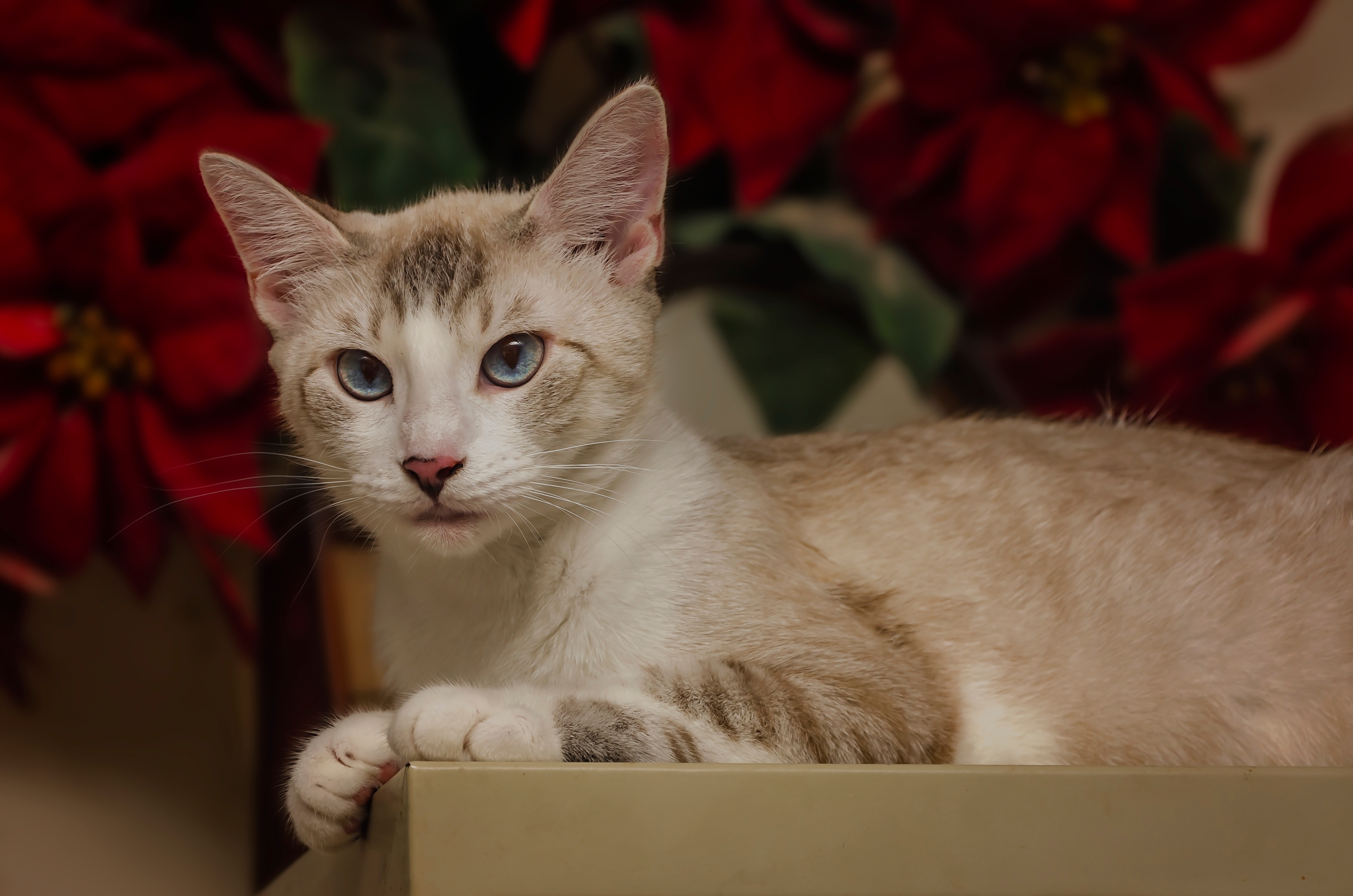
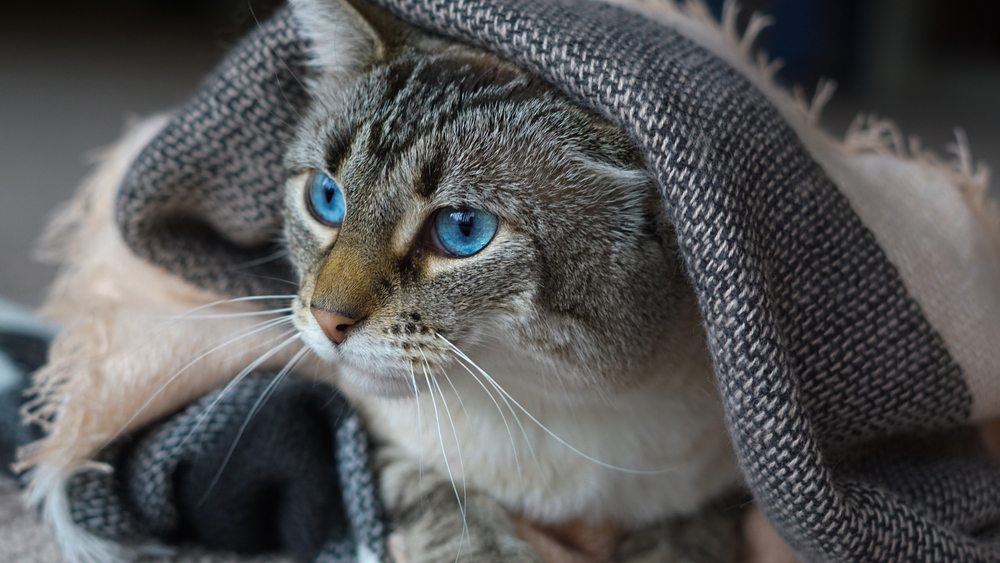
Siamese cats usually have gorgeous bright blue eyes, like most purebred Ragdolls. Because both parents have blue eyes, Ragamese cats usually inherit the trait. They also tend to have color pointing like Siamese cats; the ears, noses, and tail tips are often darker than the rest of their fur.
3. Most Are Born With White Fur
Much like Siamese cats, Ragamese kittens are usually born white. Most develop pointing by the time they’re a few weeks old. But there’s a bit of variation regarding coat length, as some have the longer coats of Ragdolls and others have shorter fur that more closely resembles that of their Siamese cat parent.

Final Thoughts
Siamese-Ragdoll mix cats make wonderful companions. While it can be challenging to predict how these kitties will turn out, most are affectionate and curious. Some become attached to a single individual and do best in homes where they receive lots of attention from their favorite person. Others have laid-back Ragdoll personalities and are happy to cuddle up next to whoever is on the couch. Since the parents of the Ragamese are extraordinary felines, their offspring typically make excellent pets for families of all sizes.
Related Read:
Featured Image Credit: Laura Drake Enberg, Shutterstock

Expert cat care, straight to your inbox
Vet-reviewed advice, behavior tips, and the best of Catster. Free, and you can unsubscribe anytime.
By signing up, you agree to our Terms & Conditions and Privacy & Cookies Policy.
Lorre Luther is a writer who is firmly convinced that cats are smarter than humans. She left her law career in the United States and moved to the Netherlands to follow her dream of becoming a writer. Lorre currently lives in Rotterdam, she enjoys traveling and greatly appreciates the beauty of nature. Lorre has a spot for animals and admires the intelligence of cats.
Join the conversation
Ask a question, share your story, or send private feedback.