How Big Do Ragdoll Cats Get? With Comparison Infographic (Vet-Verified)

In this article
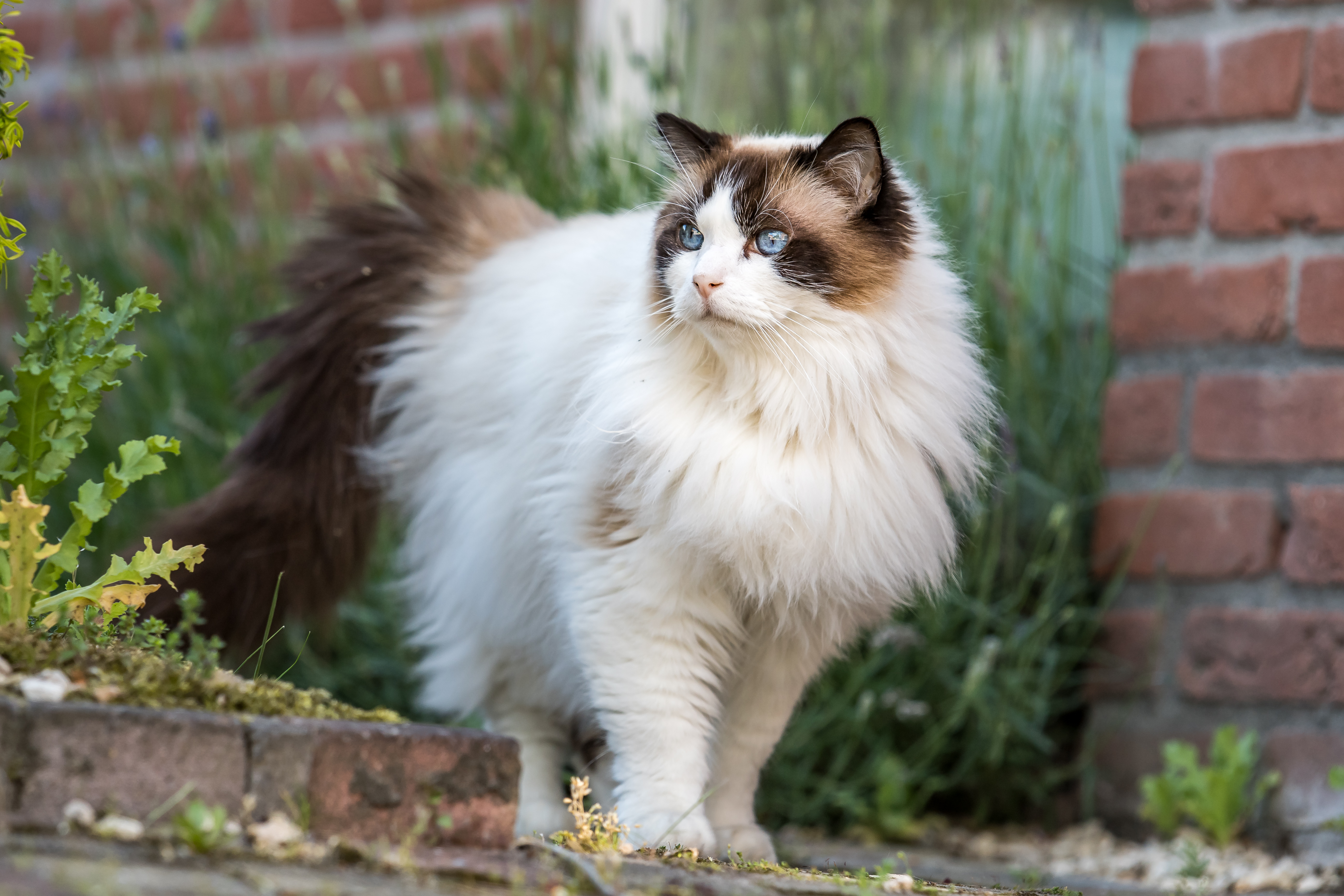
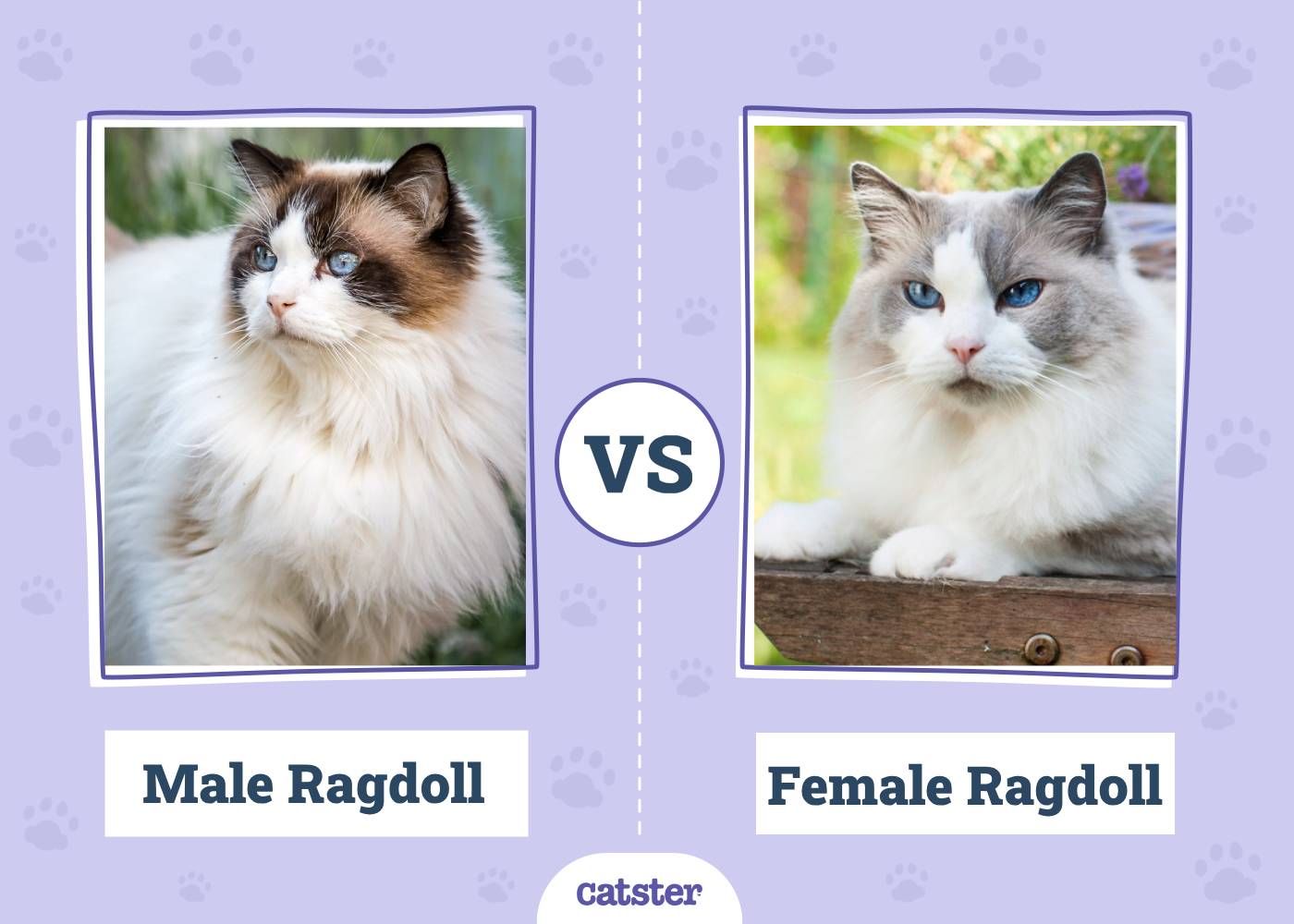
Ragdoll cats are an unmistakable breed of cat, thanks to their adorable appearance and floppy bodies. These sweet kitties can get quite large, though, which some people may not expect from such gentle cats.
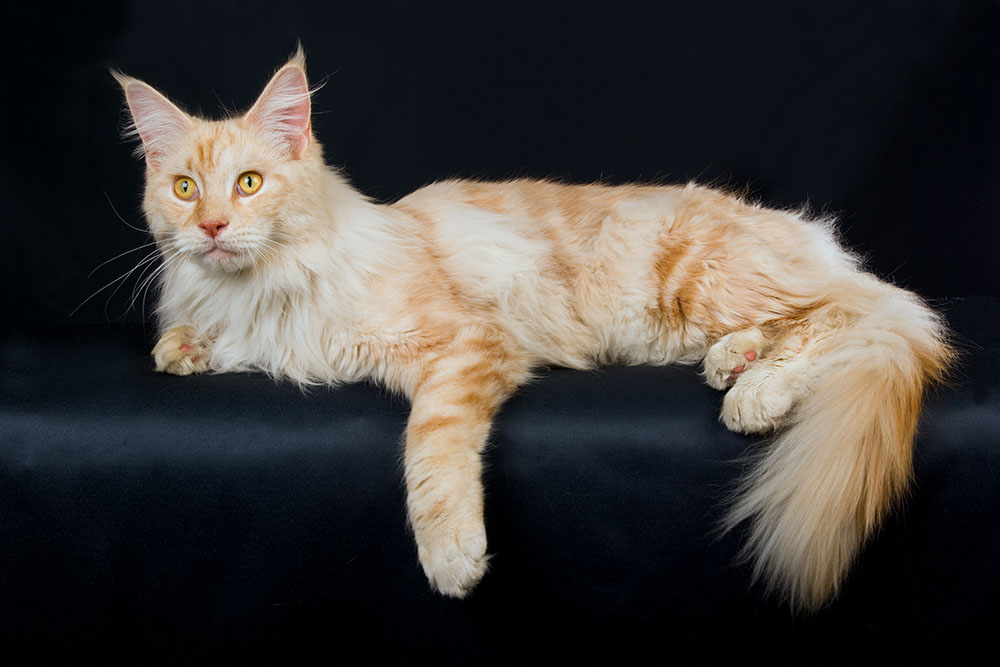
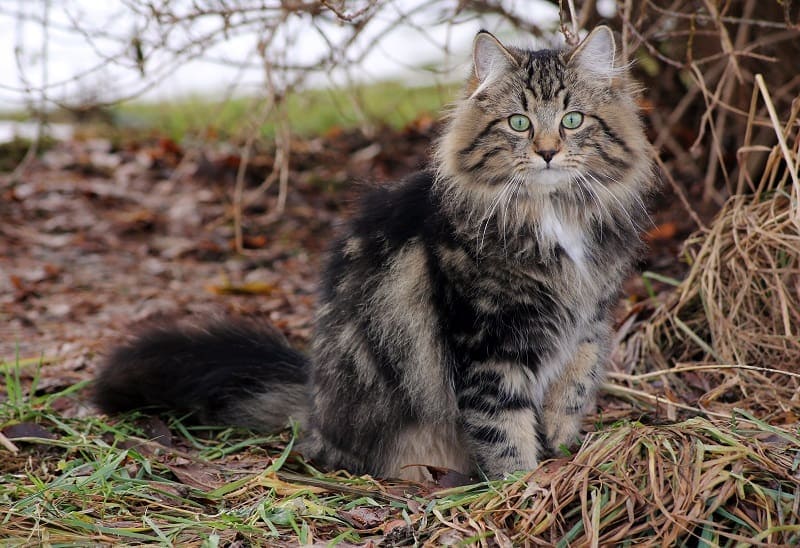
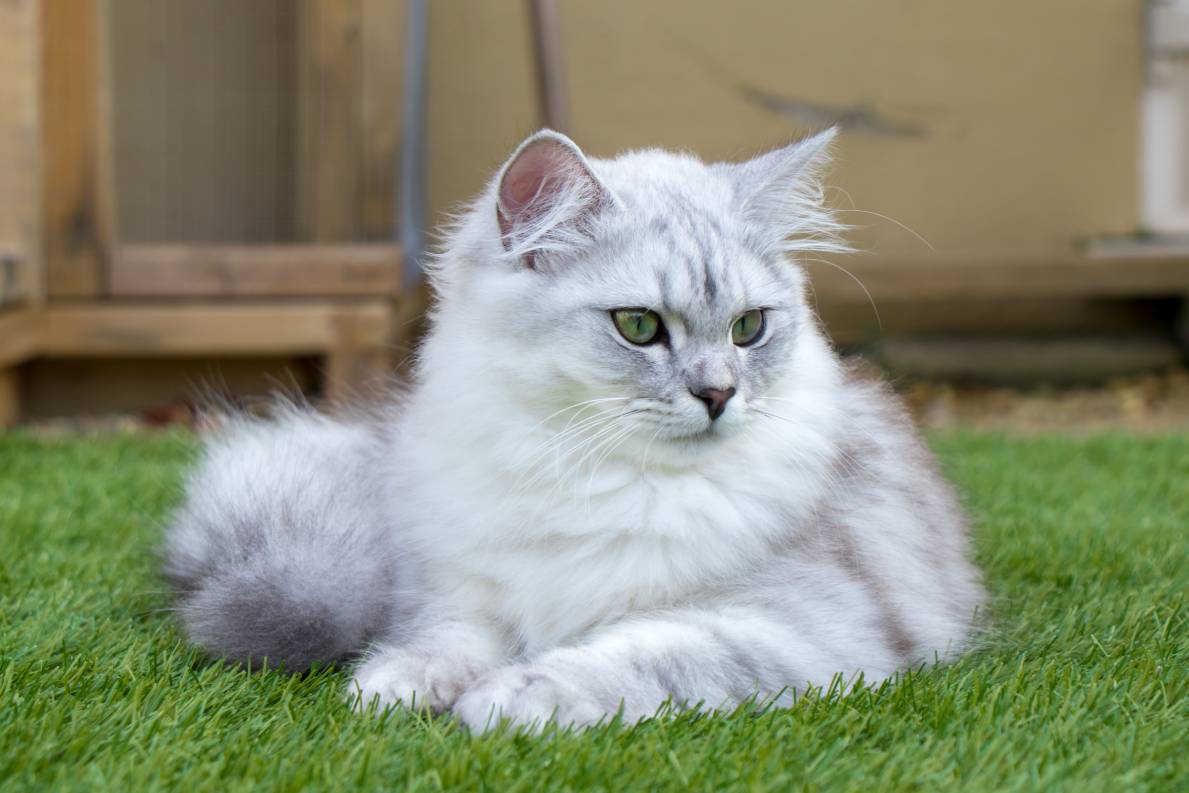
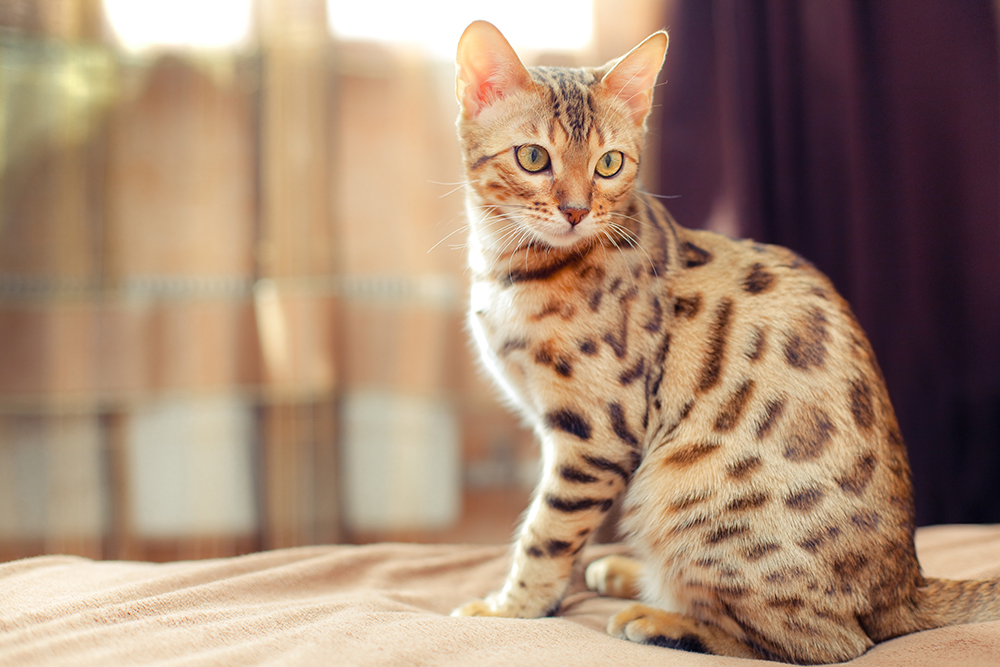
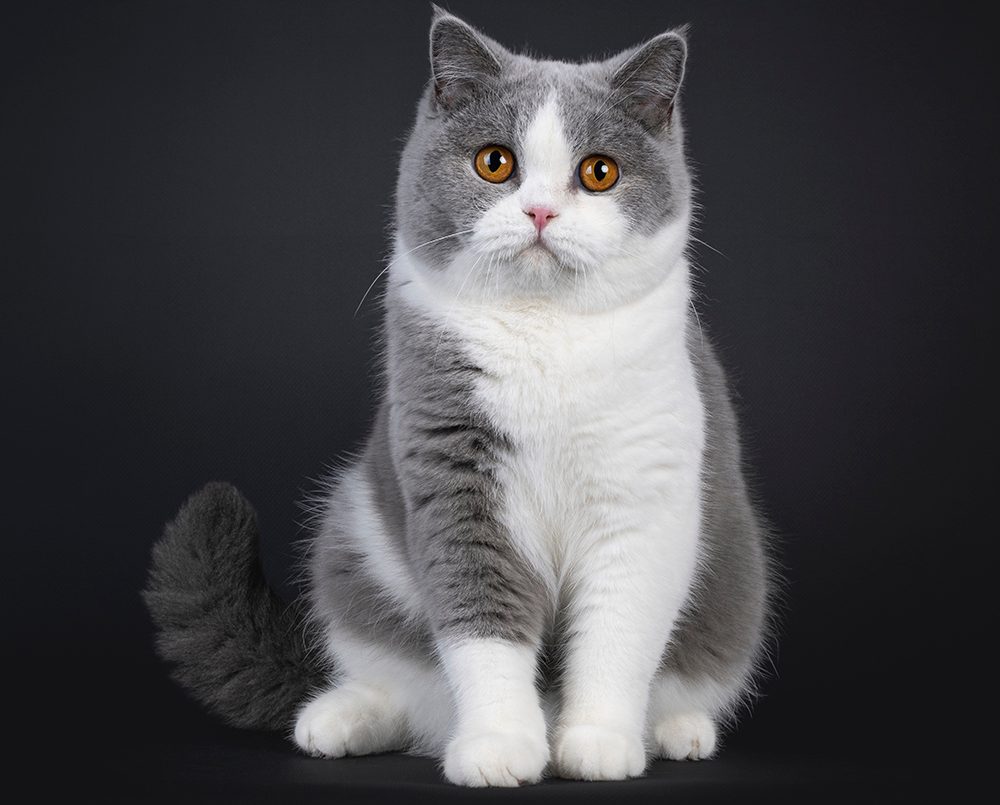
Ragdolls give other large cat breeds a run for their money when it comes to who the largest breed is! Only a handful of cat breeds get larger than the Ragdoll, including the Maine Coon and Savannah cat. Don’t let the Ragdoll cat’s size dissuade you from getting one though, as these precious kitties make lovely companions.

Ragdoll Cats Breed Overview
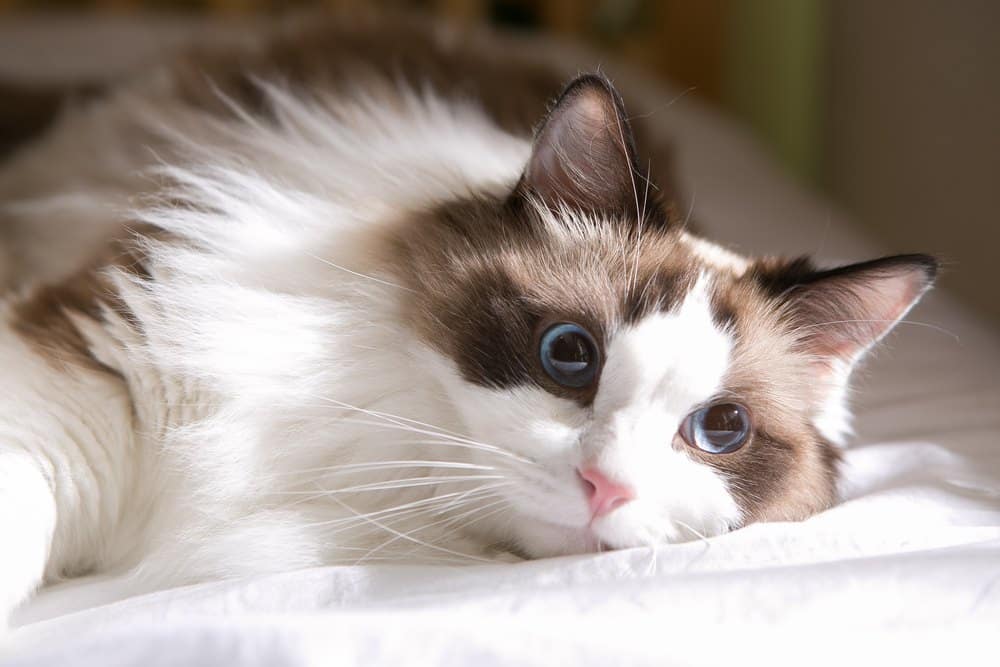
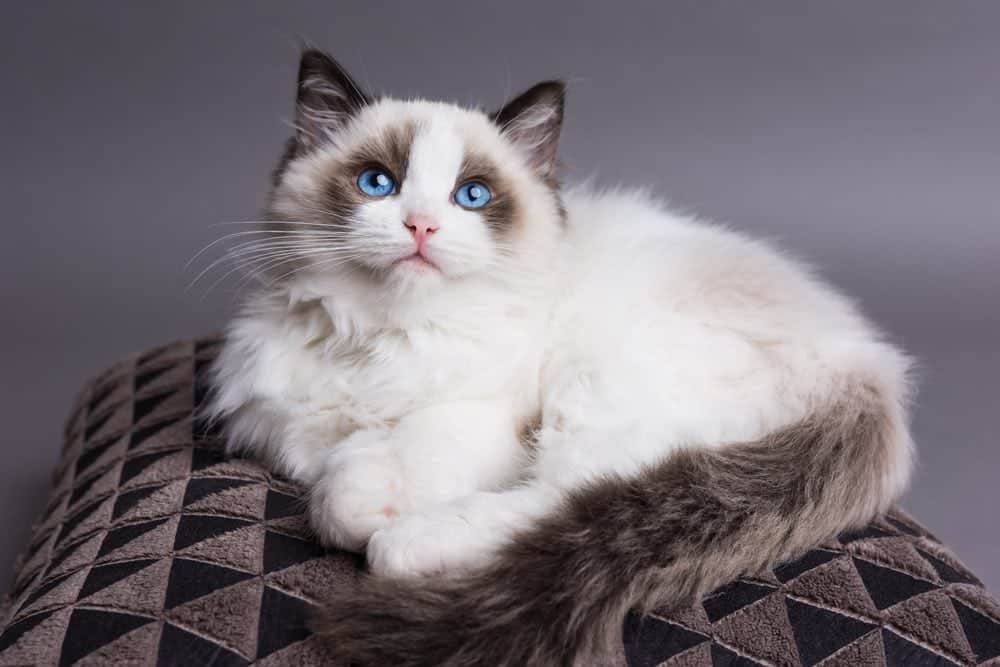
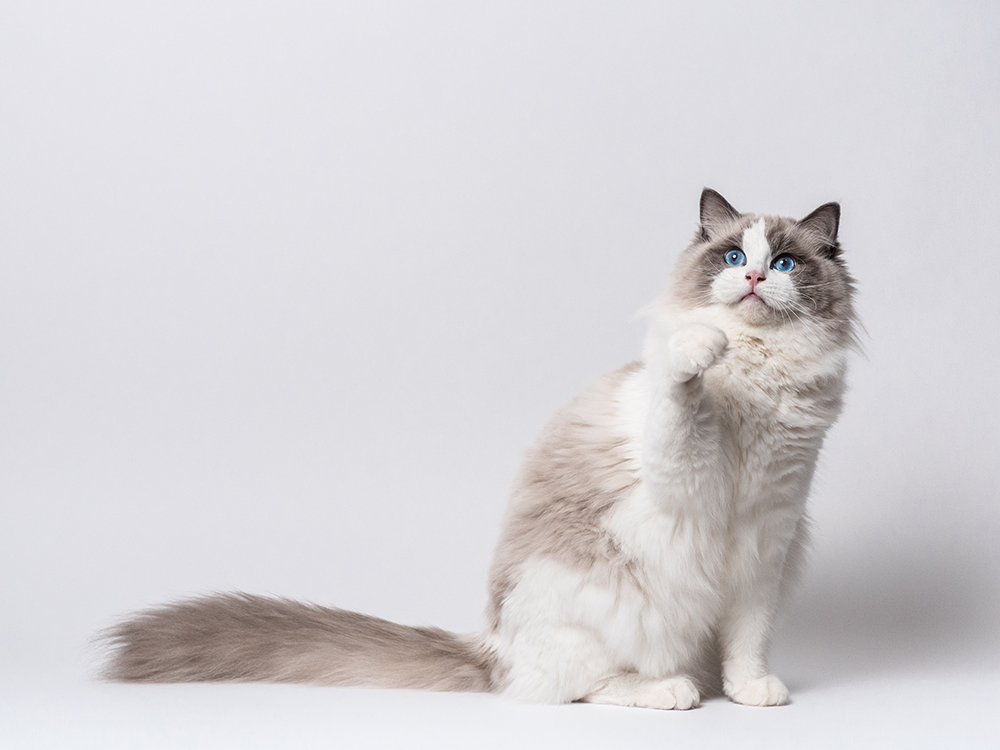
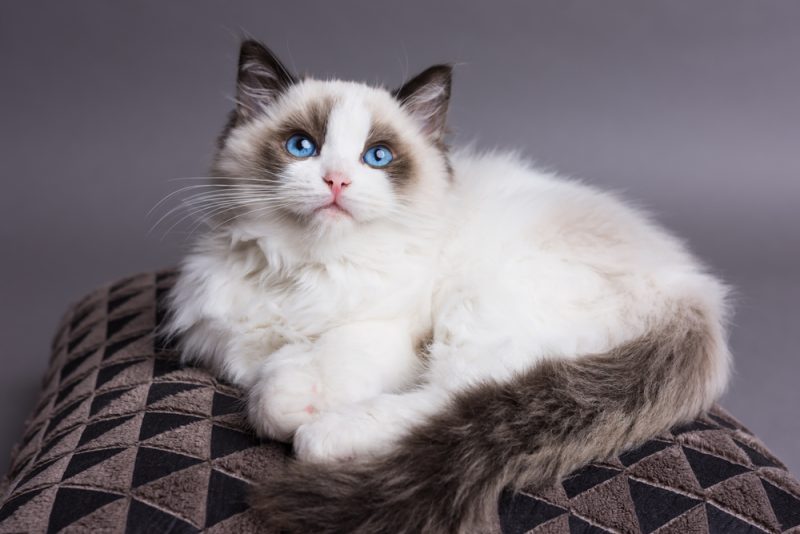
Developed in Riverside, California by a breeder named Ann Baker in the 1960s, the Ragdoll has a distinctive appearance. This breed has a colorpoint coat, meaning that their face, legs, tail, and ears are darker than the rest of their body. Blue eyes are a standard of the breed, as well as a silky but thick coat, long tail, and soft body. The name of the breed comes from its tendency to soften when picked up, making them floppy like a ragdoll.
Interestingly, the Ragdoll was originally developed from stray cats that Baker took in, and all Ragdoll cats can trace their lineage back to a single queen named Josephine. Baker was extremely resistant to allowing her breed to be added to a traditional cat breed club or association. She developed her own registry—the International Ragdoll Cat Association (IRCA)—in 1971, and she used this registry to enforce strict breeding standards for everyone interested in breeding Ragdolls. Although this registry is still in existence, Ragdoll cats are recognized by multiple cat registries, including the Cat Fanciers’ Association (CFA).
Ragdoll Cats Size and Growth Chart
If you have a cat that is a mixed breed with Ragdoll in it, then there is no telling how the genetics will work out. The following Ragdoll cat size chart considers the standard for purebred Ragdolls.
| Age | Weight Range | Length Range |
| Week | 6–7 ounces | 4–5 inches |
| 2 Weeks | 9–11 ounces | 5–6 inches |
| 1 Month | 1 pound | 6–6.5 inches |
| 2 Months | 1 pound 13 ounces – 2 pounds 3 ounces | 7.5–8 inches |
| 3 Months | 3–4 pounds | 8–9.5 inches |
| 6 Months | 5.5–6 pounds | 11 inches |
| 1 Year | 6–8 pounds | 14–16 inches |
| 2+ Years | 11–15+ pounds | 16–18 inches |

When Does a Ragdoll Cat Stop Growing?
Like many large breed cats, the Ragdoll cat's size can keep growing for quite a long time. They typically will grow significantly within their first year of life. By their second year, they’re nearing their full adult size, but many Ragdolls continue to grow beyond this point. By the age of 4 years, your Ragdoll cat should be completely finished growing and developing.
Factors Affecting a Ragdoll Cats Size
There are multiple factors that can impact how large your Ragdoll cat gets, with genetics being the top determining factor in most cats. However, if a cat doesn’t receive proper nutrition during its early months, then they may be less likely to reach the size they would otherwise have reached.
Ideal Diet for Maintaining a Healthy Weight
There is no one-size-fits-all diet for Ragdoll cats, but it is important that you provide your cat with a high-quality diet. During the first year of life, your Ragdoll should be on a food formulated specifically to meet the nutritional needs of kittens. By the age of 2, if not sooner, they should be fully transitioned to adult food. Talk to a vet about the foods they recommend to ensure your Ragdoll grows into a healthy cat and stays healthy throughout adulthood.
How to Measure Your Ragdoll Cats
The easiest way to weigh a cat is to use a baby scale, if you happen to have one. Attempting to use a normal human scale to weigh your cat is unlikely to give you an accurate reading of their weight. If you are unable to get an adequate weight on your cat at home, then your vet’s clinic should be able to help you out.
To measure the length of your Ragdoll, you should measure them from the tip of their nose to the base of the tail. The length of the tail is not counted when measuring the length of a cat. Although, you could go ahead and measure their tail, just to find out how long your Ragdoll is when they’re fully stretched out!

Conclusion
Ragdolls are wonderful cats that can get quite large, but they are gentle giants among cat breeds. They are even-tempered and are often considered to be dog-like in their behavior. Many Ragdolls will follow you around like a dog, and some of them even like to play fetch! No matter the size that your Ragdoll cat reaches, you won’t be disappointed by this charming, beautiful cat breed.
Also see:
Sources
Featured Image Credit: madeinitaly4k, Shutterstock

Expert cat care, straight to your inbox
Vet-reviewed advice, behavior tips, and the best of Catster. Free, and you can unsubscribe anytime.
By signing up, you agree to our Terms & Conditions and Privacy & Cookies Policy.
Brooke Billingsley, a former veterinary assistant for nine years, became a nurse in 2013. She lives in Arkansas with her boyfriend of five years, surrounded by her beloved pets: three dogs, two cats, five fish, and two snails. Brooke has a soft spot for special needs animals, caring for a three-legged senior dog and a widely known cat with acromegaly and cerebellar hypoplasia. She has developed a keen interest in fish keeping and is always learning how to provide the best environment for her aquatic pets. In addition to her passion for animals, Brooke enjoys gardening and maintains a vegetable garden during the summer. She stays active with yoga and received her 200-hour yoga teacher certification in 2020. Brooke also hosts a podcast that delves into folklore and myth, dedicating her spare time to research and writing. She embraces the philosophy that every day is an opportunity for learning and growth, continually working to acquire new skills and knowledge.
Join the conversation
Ask a question, share your story, or send private feedback.