Domestic Medium Hair Cat: Info, Pictures, Facts & Traits

In this article
The combination of several different cat breeds throughout history has resulted in a very lovely hybrid—the Domestic Medium Hair cat. Affectionately known as “mutts” due to their mixed lineage, this breed is commonly adopted by cat lovers.
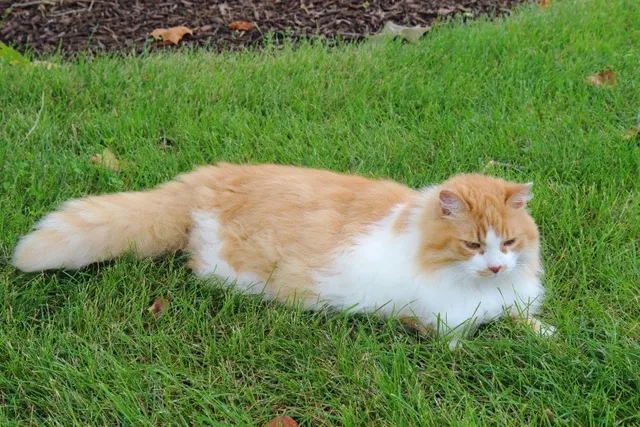
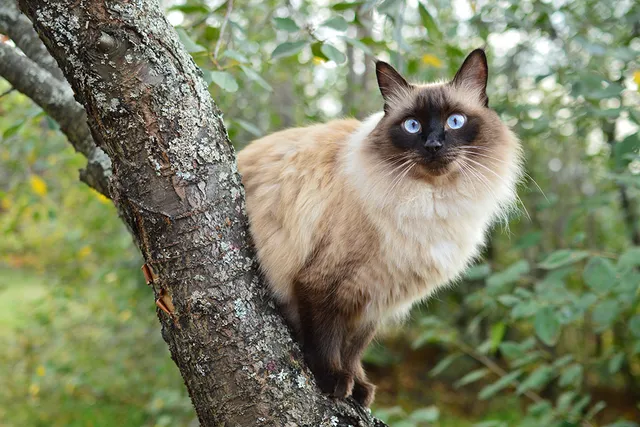
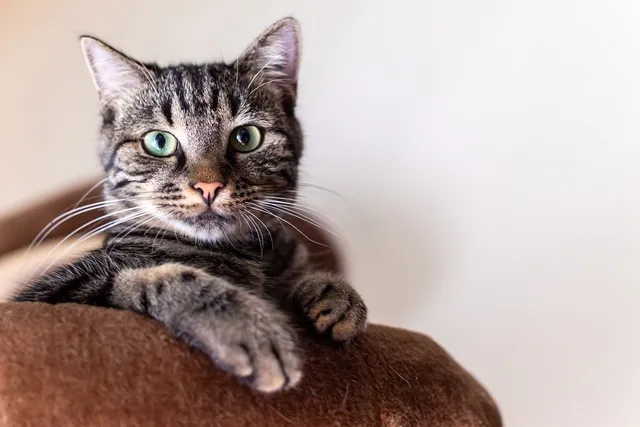
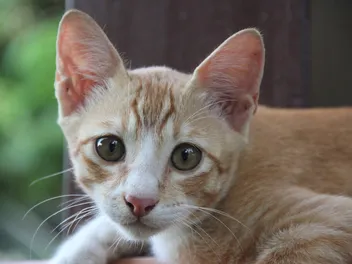
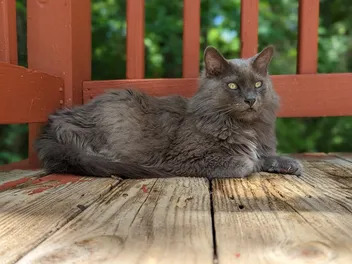
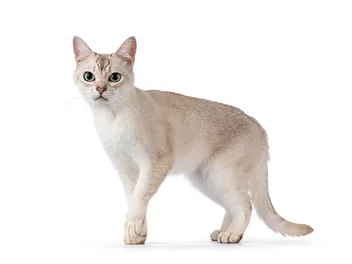
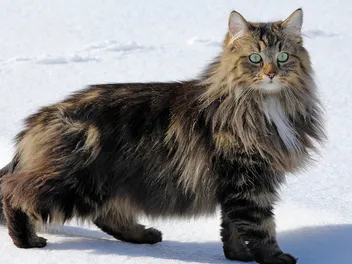
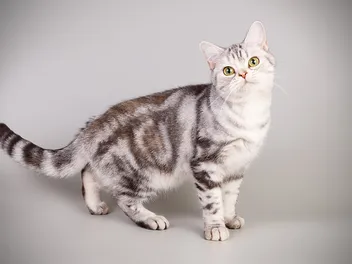
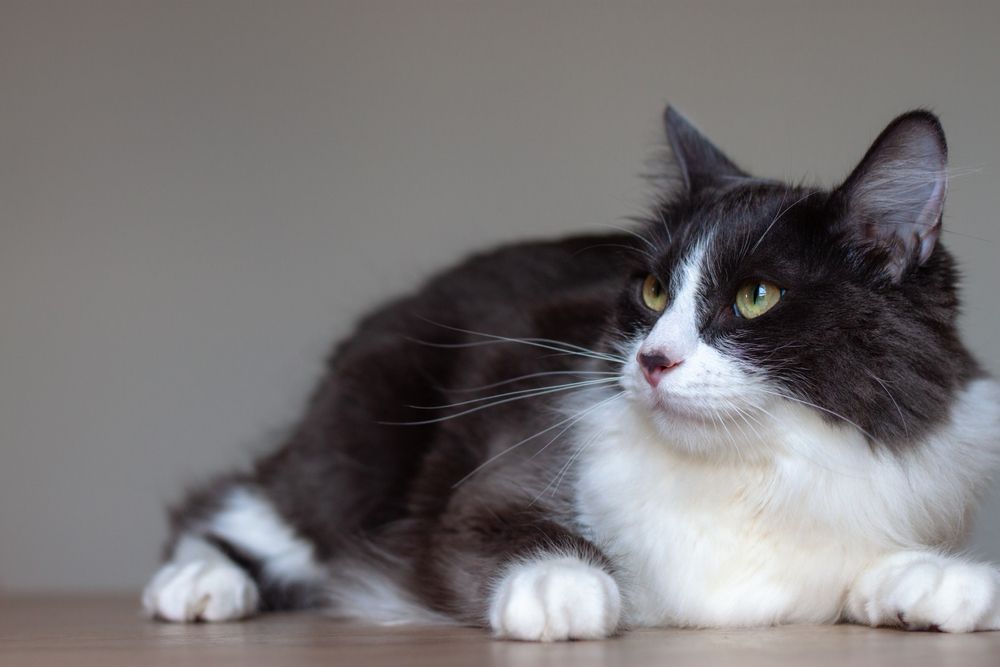
Appearance-wise, the Domestic Medium Hair is around 9–14 inches tall and weighs between 11–22 pounds. They have medium-length double coats and come in a variety of colors and patterns—black, white, ginger, gray, tabby, tortoiseshell, smoke, unicolored, tricolored, multicolored, tuxedo, and much more. Their fur tends to be shorter on the back and fluffier around the face and the tail.
Breed Overview
Height:
Weight:
Lifespan:
Colors:
Suitable for:
Temperament:
Body types in Domestic Medium Hairs are pretty varied, too. While some are muscular and well-built, others are lithe and slender. In short, a very mixed gene pool is what makes Domestic Medium Hair cats so diverse and special—it’s hard to find two that look exactly the same.
Domestic Medium Hair Cat Characteristics

What’s the Price of Domestic Medium Hair Cats?

It’s not hard to find Medium Hair cats to adopt. There are many in shelters all around the world waiting for loving homes. Adoption agencies and shelters sometimes charge an adoption fee, which is usually around $75–$100. Breeders may charge more, and prices could range from $100–$800.
Temperament & Intelligence of the Domestic Medium Hair 🧠
The temperament of the Domestic Medium Hair varies greatly from cat to cat. You can find Domestic Medium Hairs that are independent, aloof, affectionate, well-mannered, sociable, sensitive, playful, docile, full of energy, and the list goes on.
With the right socialization, most Domestic Medium Hair cats are friendly, easygoing, and not too high-maintenance. They’re also smart enough to pick up the basics of house training—like how to use the litter box—without great difficulty.
Are These Cats Good for Families? 👪
Certainly! Domestic Medium Hairs are pretty adaptable and will have no trouble fitting into any loving family. If raised in a respectful environment, Domestic Medium Hairs thrive on and often greatly enjoy human company.
Though said to be loving and affectionate, they’re not considered excessively clingy. So, if you’re looking for a lovely family cat that will show plenty of affection and be companionable without being overly needy, a Domestic Medium Hair is worth considering.
Overall, the Domestic Medium hair is a dependable, sturdy breed. They can tolerate being alone for a few hours and do perfectly well in all types of loving, clean environments, from apartments to large, multi-bedroomed homes.

Does This Breed Get Along With Other Pets? 🐶🐱
Again, this varies depending on your cat’s personality, but in general, Domestic Medium Hair cats get along well with other pets. It’s definitely easier for cats to assimilate into a household with other pets if socialized with them from a young age, but there’s no reason an adopted adult cat wouldn’t fit in with other pets, too.
If your Domestic Medium Hair is adopted as an adult, introduce them gradually to other pets in the household. Keep them separated for a day or two, then allow them to get used to the scent and general presence of the other pet before letting them meet face-to-face. Always supervise the meetings to ensure the safety of all your pets.

Things to Know When Owning a Domestic Medium Hair:
Food & Diet Requirements 🐡
Like other breeds, the Domestic Medium Hair has certain nutritional needs that must be met to ensure they stay healthy and happy. These needs don’t really differ from those of other breeds, and as long as they’re getting a balanced diet packed with protein, fiber, amino acids, vitamins, minerals, and high-quality grains, they should tick along quite happily.
It goes without saying that cats have different needs when it comes to food, and there’s no “one size fits all” approach. For cats with certain conditions like diabetes, your vet might recommend wet food as it contains more water. For overweight cats, you may need a type of food designed for appetite control. If you’re unsure what kind of diet is best for your Domestic Medium Hair, have a word with your vet.
Exercise 🐈
Domestic Medium Hair cats are often playful and active, so will need plenty of exercise. Like many cats, they enjoy chasing string and toy mice, climbing, and exploring. For this, you can provide a cat tree. If you have an apartment cat, consider putting cat trees next to windows—this way, they can climb, scratch, perch, and watch the world go by to their heart’s content!
Try to set aside some quality playtime for your Domestic Medium Hair every day. Even short, 10-minute bursts of playtime throughout the day can help keep them healthy, mentally stimulated, and out of trouble.

Training 🧶
You’re unlikely to face any significant issues training your Domestic Medium Hair. They’re smart cats, more than capable of picking up the basics of house training. This depends on the cat, of course, but in most cases, you should be fine in this department.
Some cats can even be trained to play “fetch” and learn tricks. This depends on your Domestic Medium Hair’s personality—you may need to entice lazy cats with a treat or two!
Grooming ✂️
Though their fur is easier to maintain than their long-haired brothers and sisters, Domestic Medium Hair cats still require weekly grooming at least. This is because they have a thick double coat that can be prone to matting, especially around the tail area. Regular grooming helps to reduce hairballs, particularly in longer-haired breeds.
If you want to groom your Domestic Medium Hair more than once per week, that’s perfectly fine, too. Cats clean and groom themselves and each other, but most will appreciate a helping hand from their humans, especially if they’re on the fluffier side, like Domestic Medium Hairs. Grooming is also a great way to bond with your cat, and many grow to enjoy the feeling of being brushed very much.

Health and Conditions 🏥
Though Domestic Medium Hairs are considered a pretty sturdy, healthy breed with a decent life span, there are still a few health issues that owners should keep an eye out for. Also, it’s always a good idea to schedule frequent vet checks to make sure all is as it should be.
One of these conditions is hyperthyroidism, also known as an overactive thyroid. This means that too many thyroid hormones are being produced, and tumors can sometimes be the cause, though some are harmless. Signs of hyperthyroidism include weight loss, vomiting, diarrhea, increased urination, and thirst.
Another condition to watch out for is chronic kidney disease. Though this condition usually affects older cats, it can sometimes occur in younger cats and kittens, too. Sometimes, signs don’t appear until the disease has progressed to an advanced state. Signs include increased thirst, excessive urination, low appetite, weight loss, and lethargy.
Other conditions that sometimes affect Domestic Medium Hair are diabetes, upper respiratory issues, cancer, heart disease, and obesity.

Male vs Female
In terms of sex, you’re unlikely to find any major differences. Domestic Medium Hairs are so diverse that gender can’t really dictate what kind of personality your cat will have. The best way to know for sure is to meet the cat before you adopt to get a better idea of what they’re like. Male or female, Domestic Medium Hairs both make excellent companions and each cat comes with their own special quirks.
3 Little-Known Facts About the Domestic Medium Hair Cat
1. “Medium Hair” is not really a breed.
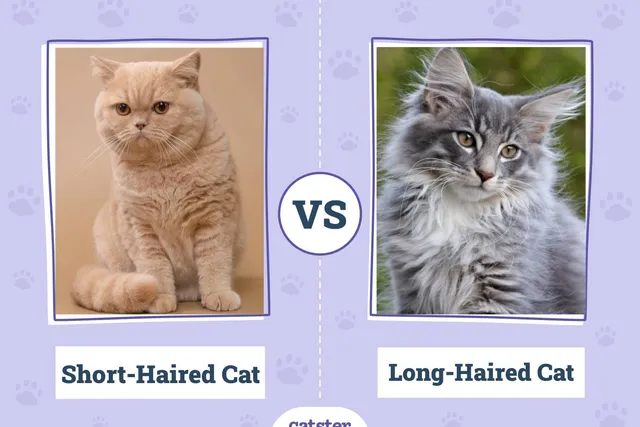
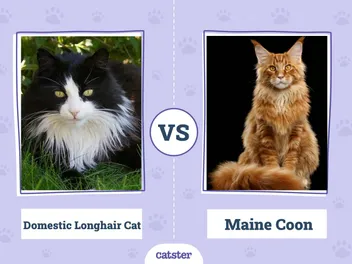
Rather, the Domestic Medium Hair is a combination of many breeds. Though these cats are a cross between Longhairs and Shorthairs, traces of many other breeds can be found in a Domestic Medium Hair’s bloodlines. Pinning down the exact lineage of a Medium Hair is no simple task.
2. Domestic Medium Hairs are great for first-timers.
If you’re a first-time cat parent, a Domestic Medium Hair is an excellent choice. This is because they’re so varied in appearance and temperaments that you won’t have a hard time finding one that suits your preferences and lifestyle.
3. Their ancestors came to the United States on the Mayflower.
Domestic Medium Hairs descend from cats that came to the US on the Mayflower with pilgrims. They were considered useful for keeping the rodent population under control.

Final Thoughts
Domestic Medium Hairs are the perfect cats for families of all shapes and sizes, whether that’s a single cat parent or a family with children or other pets. They’re a real mixed bag, diverse in both personality and appearance. This is what makes Domestic Medium Hairs so special and exciting.
If you’re considering adopting, there are plenty of Domestic Medium Hairs in shelters just waiting for their forever home. You will be paid back in an abundance of love, fun, and wonderful memories.
Sources
Featured Image Credit: Surapong, Shutterstock
Expert cat care, straight to your inbox
News, insights, and useful advice, delivered to you.

No spam — unsubscribe anytime.
By signing up, you agree to our Terms & Conditions and Privacy & Cookies Policy.
How useful was this post?
Click a star to rate. You can leave written feedback afterwards. (We read all feedback.)
Kit Copson is a freelance writer and lifelong animal lover with a strong interest in animal welfare. She has parented various furry beings over the years and is currently a proud cat mom of two—one very chilled (unless hungry) Siamese and a skittish but adorable Domestic Shorthair—and dog mom of one—an adopted Bichon Poodle cross. When not writing about or spending time with animals, Kit can be found doodling in her sketchpad, reading, or more often than not, drinking tea.