Chocolate Point vs Seal Point Siamese Cat: Key Differences (With Pictures)

In this article
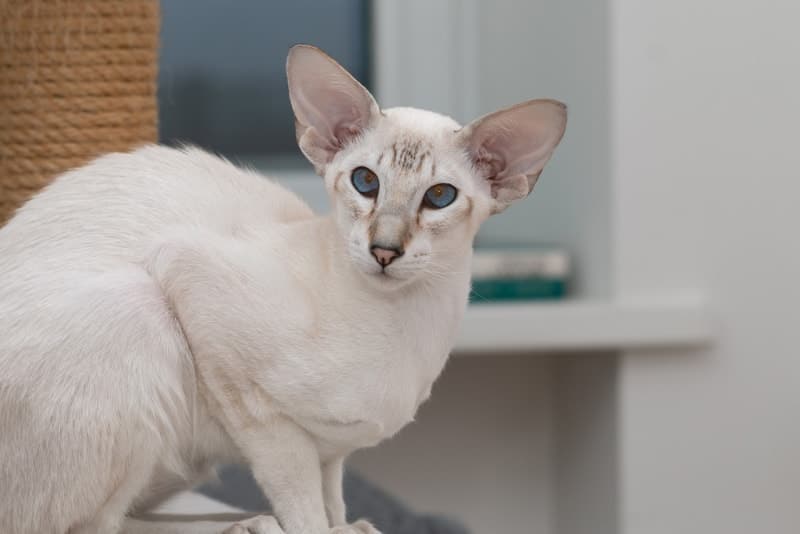
A colorpoint cat is one that has light-colored fur with darker-colored ears, face, feet, and tail, which are referred to as the points of the cat. The Siamese is one of the best-known cats with a colorpoint coat and traditionally comes in four colors: Blue Point, Lilac Point, Chocolate Point, and Seal Point. Additional and more recent colors include red-based and tortoiseshell point patterns, such as Flame (Red) Points and Tortie Points, which are recognized in related breeds such as the Colorpoint Shorthair.
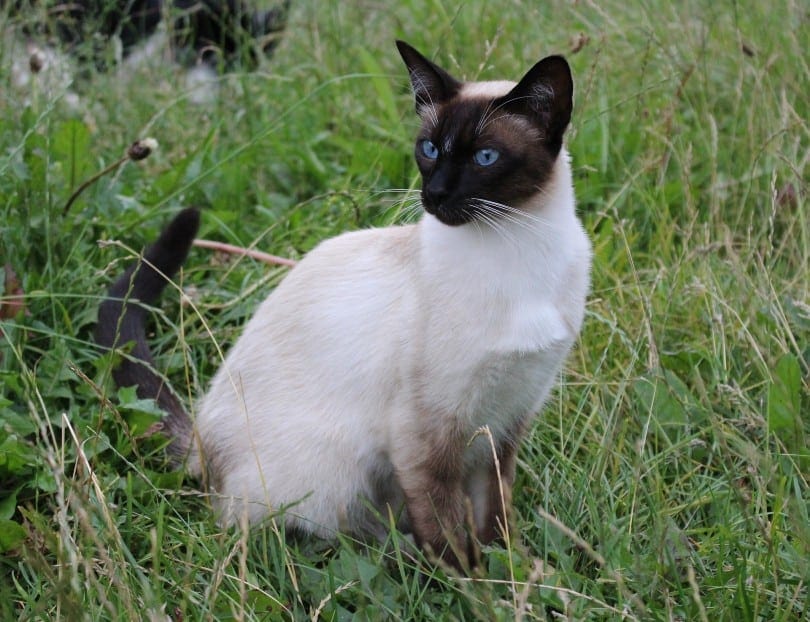
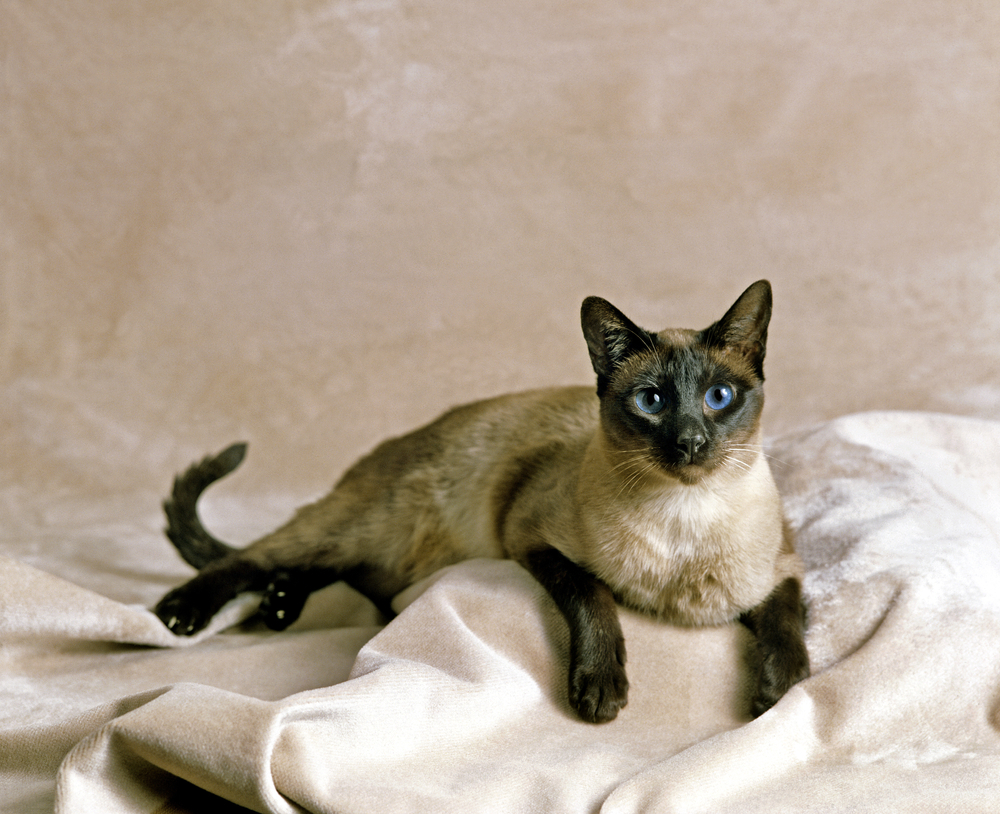
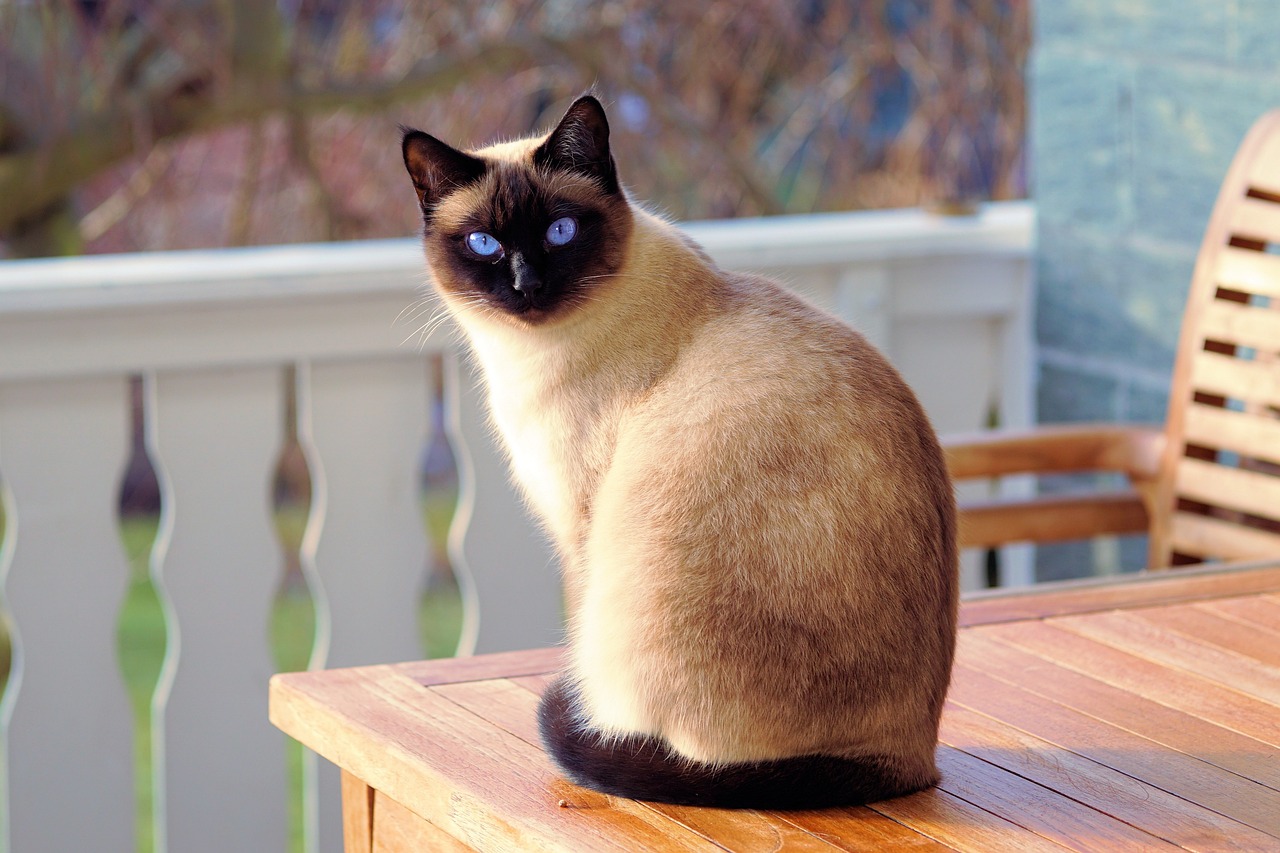
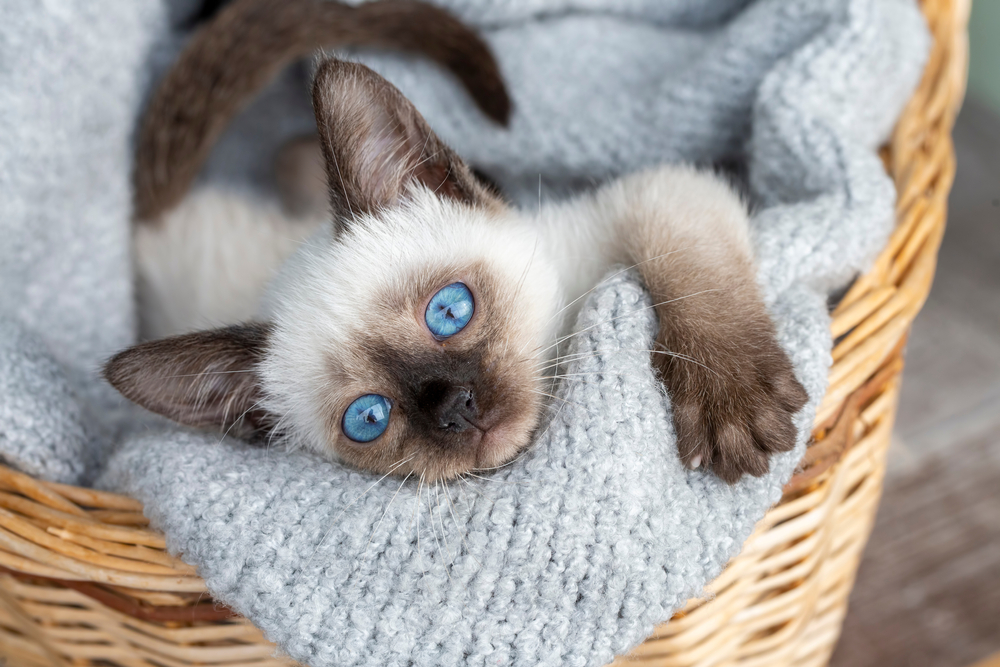
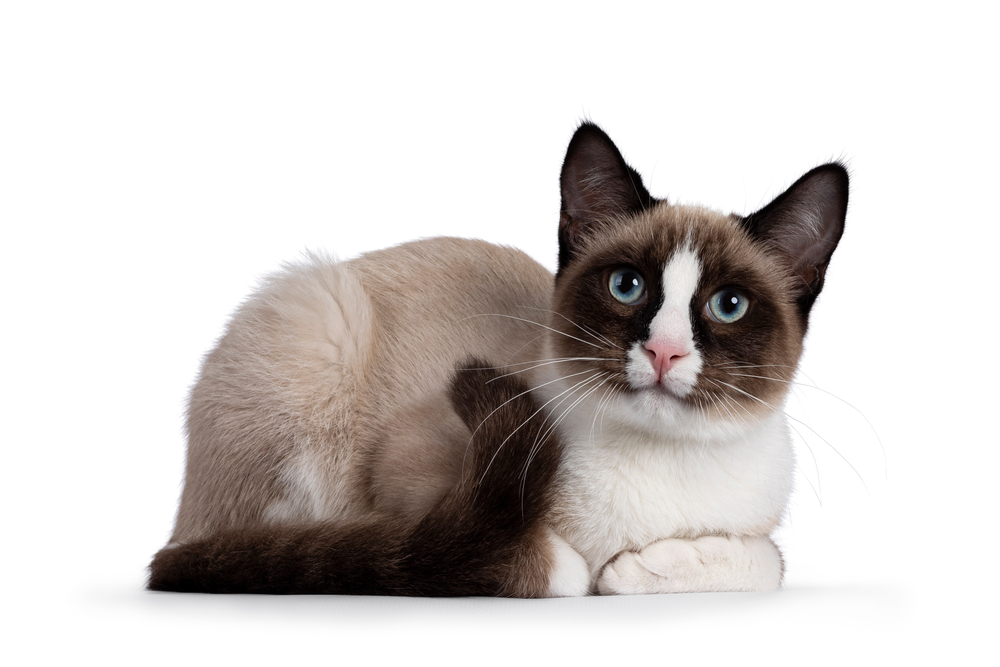
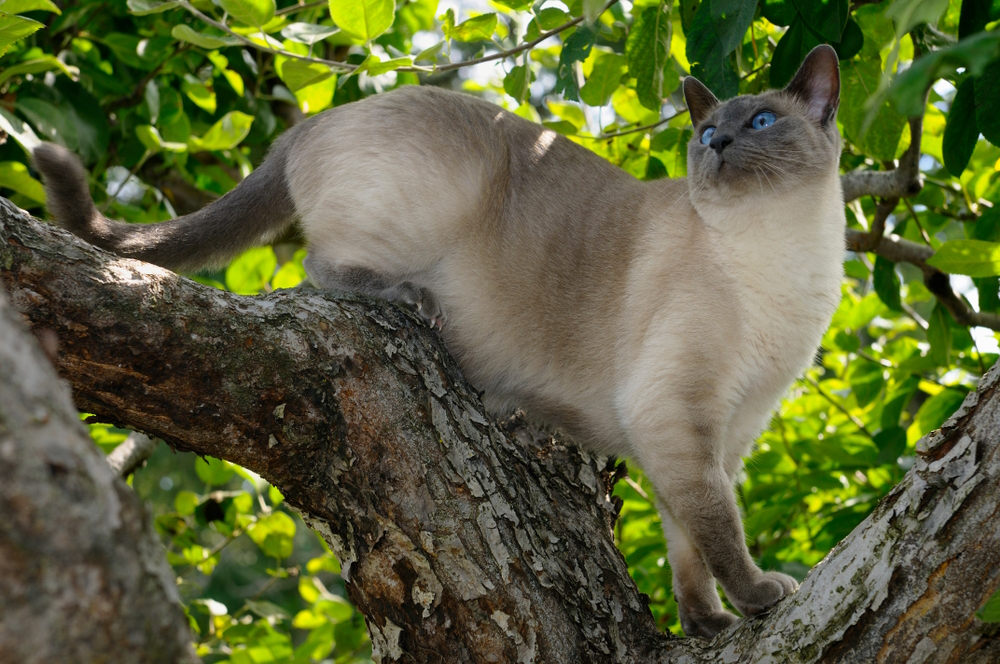
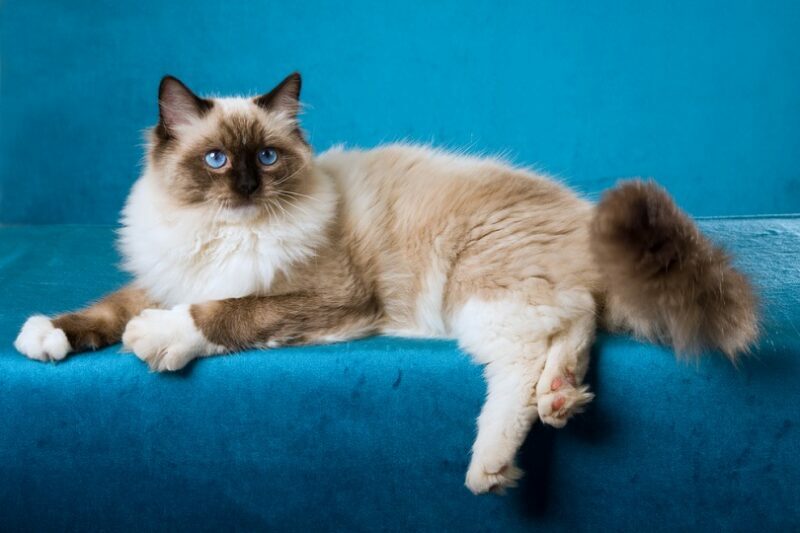
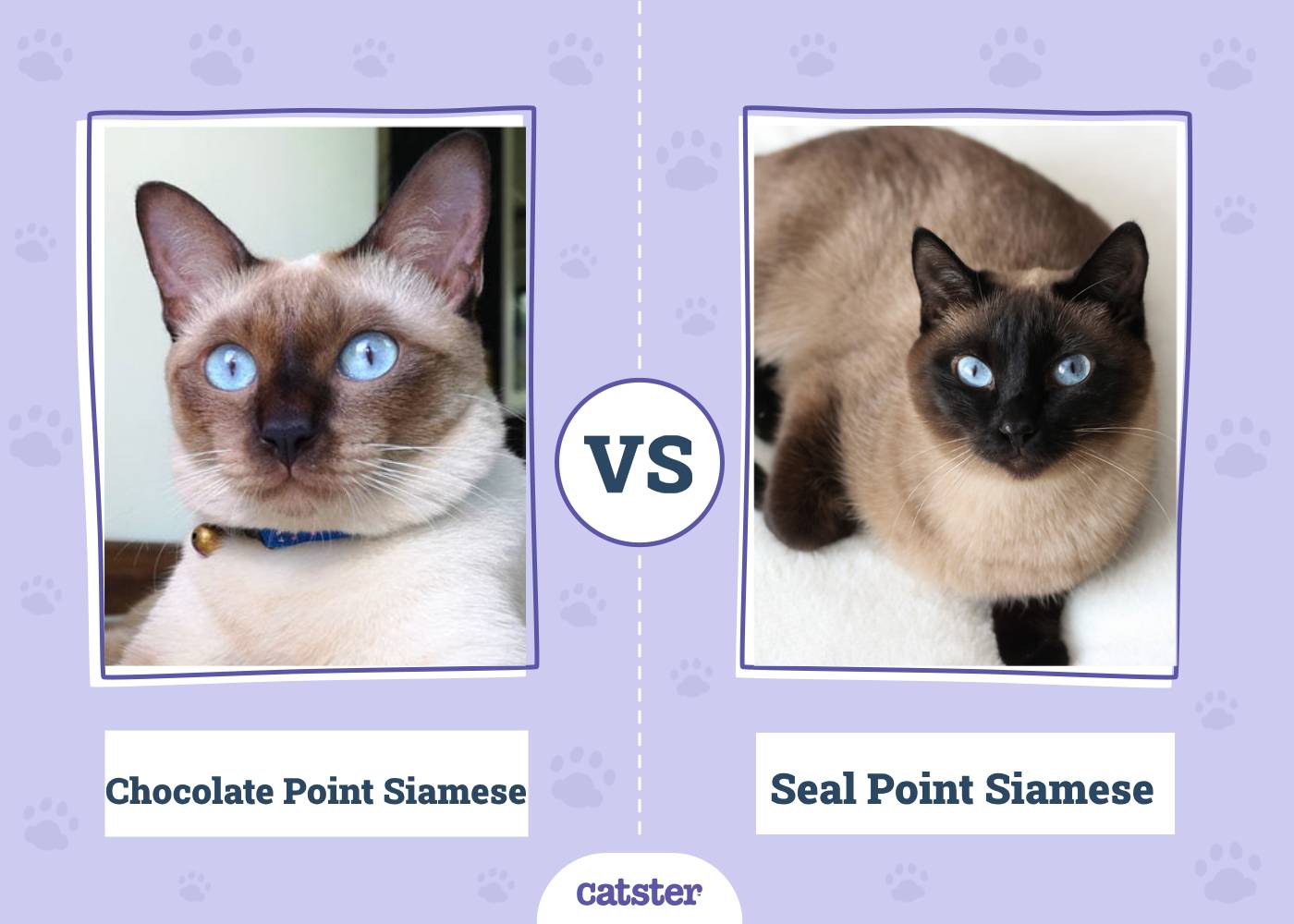
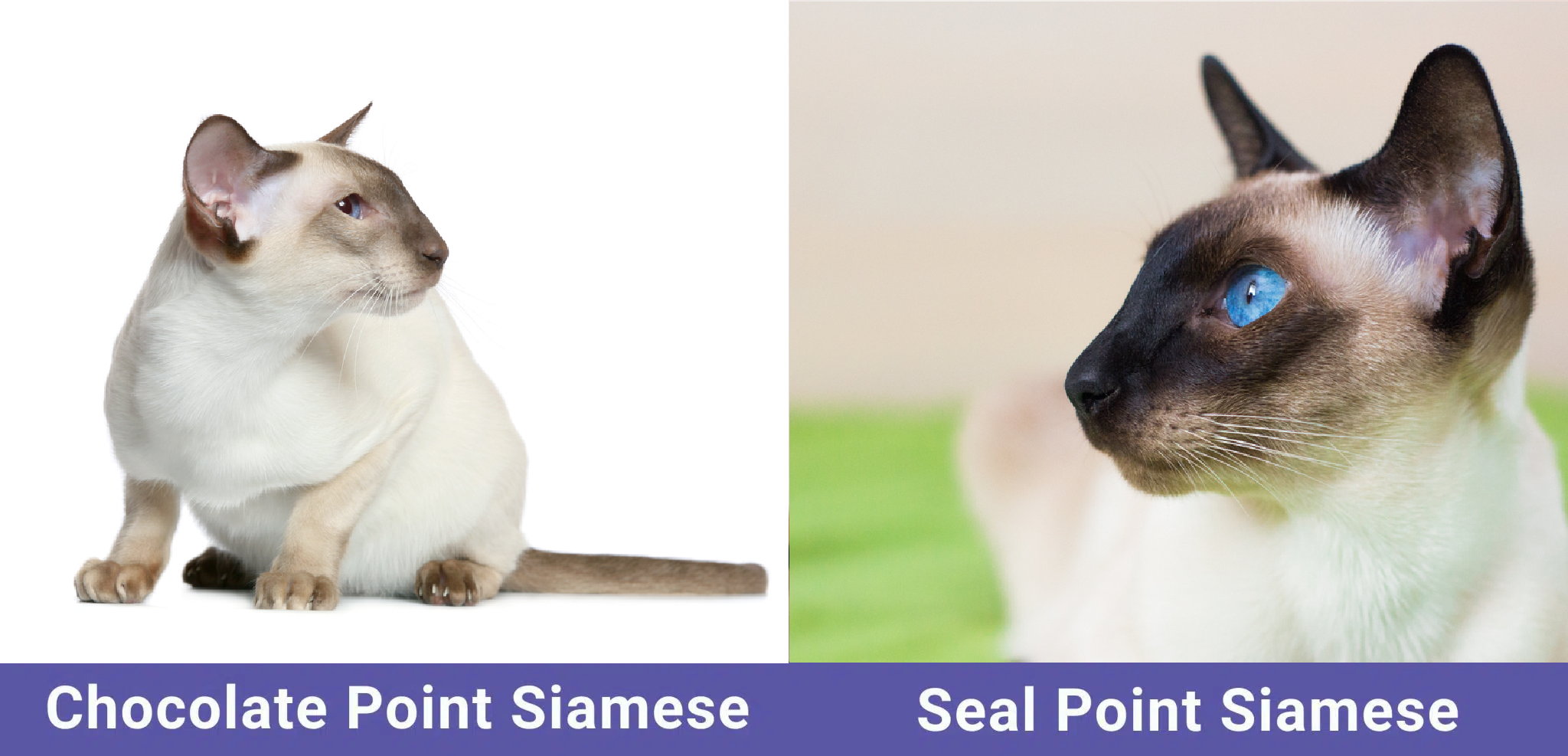
There are many similarities between the Chocolate Point Siamese cat and the Seal Point Siamese cat because they are both Siamese, but the biggest difference is in their markings and point coloration. Essentially, the two variants have different point colors while the body coat differs subtly in tone and shading, remaining pale in both. The color of the paw pads and nose leather often reflects the point color, which can help distinguish between the two. Although they are close in coloring, it may take a practiced eye to tell the difference, and if all else fails, the nose leather and paw pad color is a clear indication of which color point you have.

Visual Differences
At a Glance

Chocolate Point Siamese Cat Breed Overview
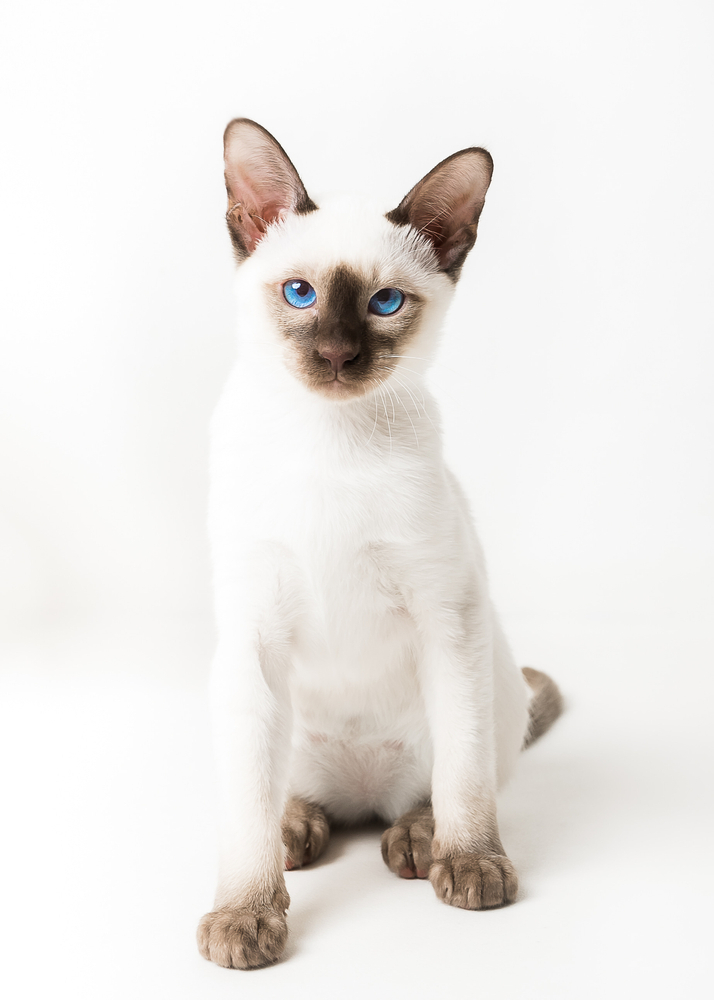
The Chocolate Point Siamese is one of the four traditional color point varieties of Siamese. They are lighter than the Seal Point, both in terms of their point coloration and the pigmentation of their nose and paw pads. Because the Chocolate Point and the Seal Point are the same breed of cat, they are very similar and share similarities in most traits.
The Chocolate Point coloration results from a different expression of the same temperature-sensitive colorpoint gene that produces Seal Points. The trained eye can tell the difference, but the typical owner might struggle.
History
The Siamese is one of the oldest and most distinguished Asian cat breeds. They are believed to have originated from Thailand, formerly known as Siam, which is where the breed gets its name. They were once known as the “Royal Cat of Siam,” and at that time, ownership was traditionally associated with royalty and temples.
Usually thought of as being a natural breed, meaning that they developed without human intervention, they are one of the most recognizable cat breeds today. Despite their popularity and their regal background, nobody is certain how the Siamese ended up in the Western world, but the breed has a loyal following of owners who wouldn’t consider owning any other breed.
Grooming Requirements
The most distinctive thing about the Seal Point and the Chocolate Point Siamese cat is, of course, their coat. They have short fur and similar grooming needs. Your Siamese will probably enjoy being brushed and groomed, but they can do a very good job of coat maintenance themselves. You can groom your cat once a week, but more often than this isn’t necessary.
Health
Typically, naturally developed breeds tend to be quite hardy and healthy, suffering from minimal health problems. However, the Siamese is prone to several health complaints.
They have a relatively short lifespan between 12 and 15 years, and you will need to look for signs of gastrointestinal disease, urinary tract disease, and gum disease. But the most common ailment in this breed is progressive retinal atrophy.
Coloring
A Chocolate Point Siamese cat is born with an ivory-white base coat, and unlike the Seal Point, their base coat will not change color throughout their life. It will always have this same ivory base layer.
The Chocolate Point has a point color that has been likened to that of a milk chocolate bar and is lighter than the brown markings of the Seal Point. It is also worth noting that the Chocolate Point has pink-brown paw pads.
Suitable For
The Chocolate Point Siamese cat is intelligent, talkative, and loving. They make a good family pet, and despite their striking and unique appearance, they don’t require too much maintenance or grooming. The breed is prone to some genetic health conditions and may have a shorter lifespan than other domestic cats, but they are excellent companions.
Seal Point Siamese Cat Breed Overview

The Seal Point Siamese is a darkly pigmented Siamese colorpoint in every aspect. Their base coat is typically warmer and more shaded than that of lighter point colors, and the color of their points and paw pads is deep seal brown. In every other respect, though, they are the same as other Siamese color variants. They are friendly and talkative and can’t bear to be left alone for long periods.
Family Friendly
One of the reasons that Siamese cats have become so popular is that they are friendly and loving, as well as intelligent and smart. They adore spending time with their humans, which makes them suitable family companions, but it also means that they struggle with being left alone for too long. If you go out to work all day, and nobody will be at home, you may want to consider a different breed.
Trainable
The intelligence of the Siamese means that they can be trained. While some cat owners will insist that the independent nature of cats means that they cannot be trained if you are willing to show a lot of patience, some cats are surprisingly easy to train. The Siamese is one such breed.
Use positive reinforcement training, encourage your cat to perform behaviors and tasks that are desirable, and redirect or avoid reinforcing unwanted behaviors, and they will eventually pick up the behaviors you want from them. While some Siamese cats are not strongly food-motivated, praise, play, and social interaction can be effective training rewards.

Siamese in Pop Culture
The distinct look of the Siamese means that they have proven a popular addition in films, cartoons, books, and more. Si and Am in "Lady and the Tramp," DC in "That Darn Cat!", and Shun Gon in "The Aristocats" are some of the most famous.
It is believed that one of the first Siamese in the U.S. was a gift given to President Rutherford B. Hayes in 1878. President Gerald Ford’s daughter, Susan, brought a Siamese to the White House, while President Jimmy Carter’s daughter, Amy, also kept a Siamese during her time there.
Coloring
The Seal Point coloring is darker than that of the Chocolate Point, and the dark brown of the face, tail, and other points are said to be the same as the dark brown coloring of a seal. The base coat of the Seal Point will gradually darken over the cat’s life, starting as a light fawn color but often becoming noticeably darker with age, though typically remaining lighter than the points. Even the pads of the Seal Point’s paws are dark brown, rather than the pink to cinnamon brown color of the Chocolate Points.
Suitable For
Like the Chocolate Point Siamese, the Seal Point is a highly intelligent and loving cat that makes a great addition to the family. Potential owners should be aware that no matter the color, the Siamese cat is known for being one of the most vocal of cat breeds. They will hold long and in-depth conversations with you on virtually any topic.
Which Breed Is Right for You?
The Seal Point and the Chocolate Point are color variants of the Siamese breed. As such, they share most of the same characteristics and traits, except that their coats and points have different colors.
The Seal Point is darker all around and has a warmer, more shaded base coat, as well as darker points, paw pads, and nose leather. Both color variants make great family pets and loving companions and can even be trained. Some owners may find the gradual darkening of the Seal Point to be intriguing to watch over their life, while others might prefer the consistently lighter appearance of the Chocolate Point.
See also:
Featured Image Credit: Left - Witsawat.S, Shutterstock | Right - Linalyan, Pixabay

Expert cat care, straight to your inbox
Vet-reviewed advice, behavior tips, and the best of Catster. Free, and you can unsubscribe anytime.
By signing up, you agree to our Terms & Conditions and Privacy & Cookies Policy.
Christian started writing for a local newspaper as a teenager, and he's been involved in the publishing industry for most of his adult life. Combining his love of writing with a passion for animals, he is currently the Director of Editorial at Pangolia and the Editor-in-Chief at Catster.
Christian lives in the Philippines with his wife, son, and four rescue cats: Trixie, Chloe, Sparky, and Chopper.
Join the conversation
Ask a question, share your story, or send private feedback.