10 Blue Cat Breeds: An Overview (With Vet-Verified Info & Pictures)


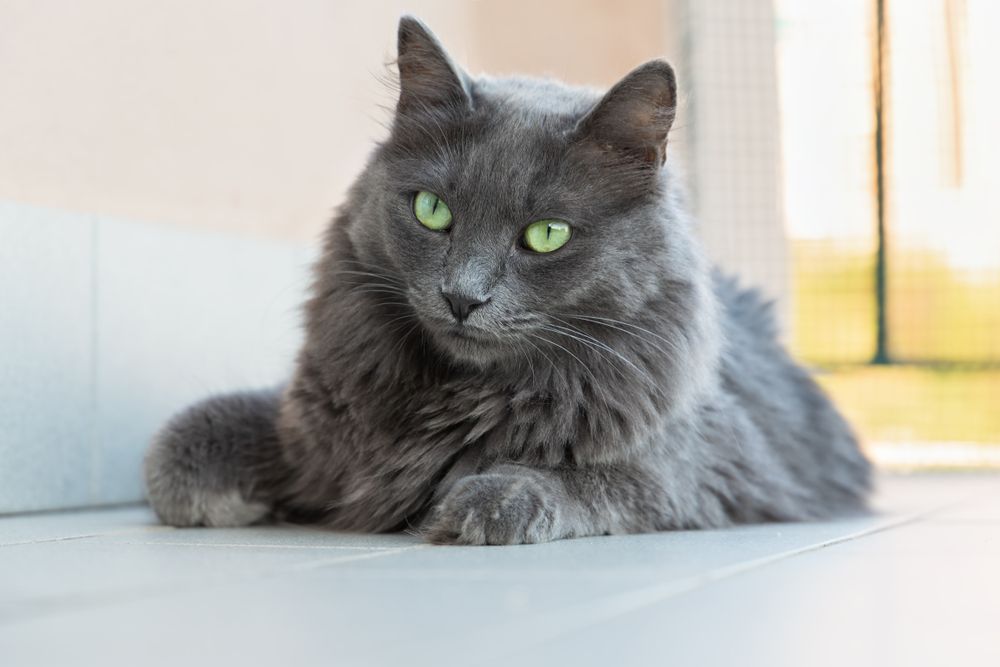
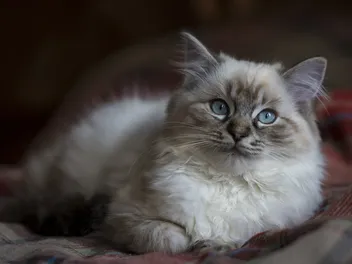
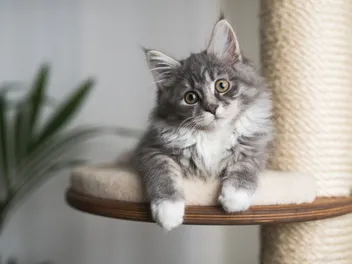
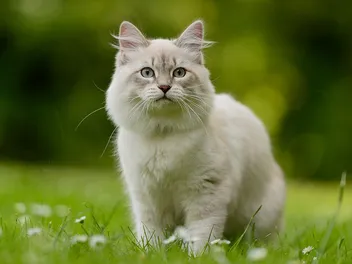
Blue cats are some of the most beautiful coats out there, and it’s not surprising that felines of diverse breeds presenting this color of coat are highly sought after. The coat typically ranges from a light grey to a steely, slate dark grey, giving it a blue appearance.
The grey coat color is the expression of a recessive gene that dilutes the black color. For cats to be blue-coated, they need to have two recessive genes for the black dilution. The blue coloring was definitely made famous by breeds like the Russian Blue.
If you love the look of blue cats as much as we do, check out these blue cat breeds.

The 10 Blue Cat Breeds
1. Blue British Shorthair Cat

Breed Overview
Lifespan:
Temperament:
Suitable for:
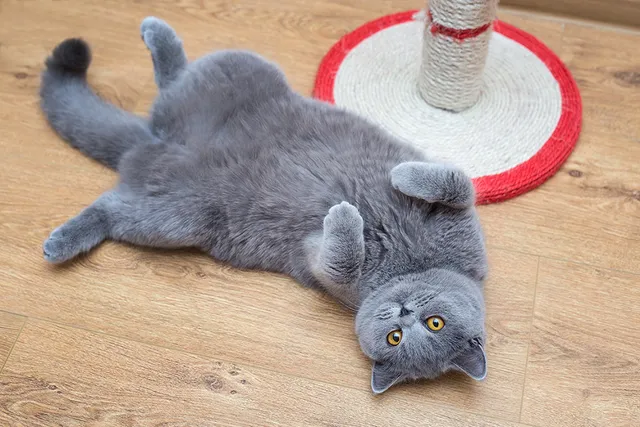
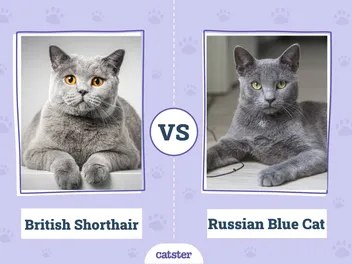
A pedigreed version of the British domestic cat, the British Shorthair has a distinctively short and dense coat. It has been developed in many color and pattern varieties, but the British Blue cat is the most well-known and popular variant. These cats are easy-going and dignified, and while they are not as active or playful as many other domestic breeds, they are highly loyal to their owners. They are usually fine with other pets and children but prefer to not be picked up or handled too much.
2. Blue British Longhair Cat

Breed Overview
Lifespan:
Temperament:
Suitable for:
The Longhair version of the British cat comes in a variety of coat colors and patterns. However, just like in the case of the Shorthair, the Blue Longhair is by far one of the most popular coat colors for the breed. They have characteristically large, round eyes and faces. The ears are small to medium with a broad base and rounded tips. These cats are friendly, laidback, and gentle. They are great companions but are also independent and have no problem spending some time by themselves, waiting patiently for their humans to return home to them.
3. Blue Burmese Cat

Breed Overview
Lifespan:
Temperament:
Suitable for:
The Burmese can come in a variety of colors and patterns, but the Blue Burmese has a smoky-blue coat with large gold eyes that is a unique and eye-catching variation. They are active and affectionate cats that have a natural love and devotion toward humans and are friendly toward other cats and dogs, making them an ideal family pet. They are adaptable cats that are happy to live indoors and tend to prefer it, due to their attachment and dependence on their human family.
4. Blue Chartreux Cat

Breed Overview
Lifespan:
Temperament:
Suitable for:
A fairly rare breed originating in France, the Chartreux has a thick, dense, blue-grey coat that often shows breaks, similar to sheep, topped off by mesmerizing copper eyes. One unique characteristic of this breed is their silence: These cats rarely, if ever, meow or cry like most other domestic breeds. They tend to mature slowly and take around 2 years to reach full maturity and retain a kitten-like, playful character well into adulthood. They are affectionate and friendly cats that are great with dogs, other pets, and children.
5. Blue Domestic Shorthair Cat

Breed Overview
Lifespan:
Temperament:
Suitable for:
The Domestic Shorthair has a mixed ancestry of many different cat breeds and thus can come in a hugely varying range of colors and patterns, including blue. While they are not considered a pedigree cat, they will typically be healthier than pedigree breeds due to their varying genetics. This variety also makes it difficult to determine the exact personality and temperament of these cats, but the numbers don’t lie: They make up around 90% of the domestic cat population in the United States, and they are popular for good reason. They are typically healthier, good-natured, and long-living cats that make great family pets.
6. Blue Korat Cat

Breed Overview
Lifespan:
Temperament:
Suitable for:
The Korat originated in Thailand and is thought to be a good-luck charm by the local population, so much so that until recently, they were never sold but only given as gifts. They are a medium-sized breed with a short, silver-tipped blue-grey coat and distinguishing green eyes. These cats are known for their exceptional memory capability and will easily find their way home from long distances. They can be stubborn and temperamental at times but are generally good-natured and affectionate pets.
7. Blue Nebelung Cat

Breed Overview
Lifespan:
Temperament:
Suitable for:
A rare breed of long-haired cat originating in the U.S.A., Nebelung translates from German to “creature of the mist,” and with one look at this beautiful breed, it’s easy to see why. They have long and graceful bodies with vivid green eyes and a soft, silky, silver-tipped coat. They are lively, active, and playful cats that love to play outdoors but do fine as indoor cats too. They are highly devoted to their families and are fairly wary and distant from strangers but are generally friendly and accepting of other cats.
8. Blue Oriental Shorthair Cat

Breed Overview
Lifespan:
Temperament:
Suitable for:
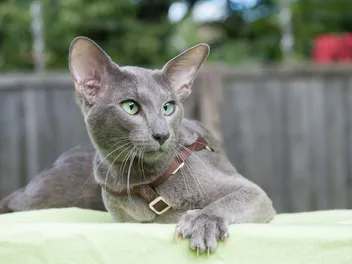
The Oriental Shorthair was developed from the Siamese and retains several characteristics from them. They come in a wide variety of coat colors and patterns, but the blue versions are some of the most striking. This coloring combined with their long slender bodies and characteristically long ears make for a unique and beautiful blue cat indeed. They are highly social cats that form strong bonds with their owners and are active, curious, and playful felines.
9. Blue Persian Cat

Breed Overview
Lifespan:
Temperament:
Suitable for:
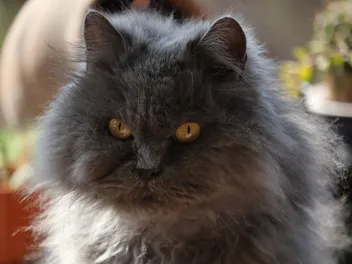
With their unmistakable flat face and nose, the Persian is one of the most popular breeds in the United States and indeed, the world. These docile, gentle cats with long silky coats come in a wide variety of colors, but blue varieties are both rare and some of the most beautiful. Persians are the quintessential lap cat that loves cuddling with their owners, and other than their long coat that needs regular grooming, they are easy to look after. These cats are generally fine with other cats, dogs, and even small children, making them an ideal family pet.
10. Russian Blue Cat

Breed Overview
Lifespan:
Temperament:
Suitable for:
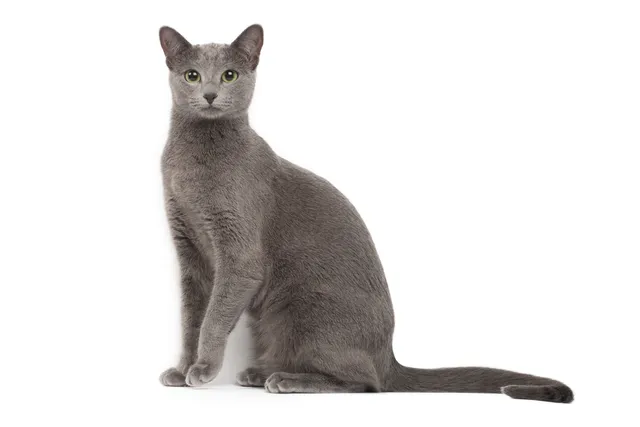
The Russian Blue cat is one of the most well-known and easily recognizable blue breeds, revered for their luxurious, dense blue coat and strikingly captivating green eyes. They are curious, gentle, and tranquil animals that are friendly and loving with their families but somewhat reserved around new faces. These cats are highly athletic and rival most other domestic breeds in their jumping ability, with high intelligence and an amazing memory. While they are typically reserved around strangers, they will remember familiar visitors months apart and often run to greet them as they arrive.
Final Words
If you have your heart set on a blue cat, you may be interested in one of these breeds. Which one caught your eye the most?
You might be interested in:
Top 14 Cat Breeds That Get Along with Other Cats (With Pictures)
Chartreux vs. British Shorthair: The Differences (With Pictures)
Featured Image Credit: Antonio S, Shutterstock

Expert cat care, straight to your inbox
Vet-reviewed advice, behavior tips, and the best of Catster. Free, and you can unsubscribe anytime.
By signing up, you agree to our Terms & Conditions and Privacy & Cookies Policy.
Christian started writing for a local newspaper as a teenager, and he's been involved in the publishing industry for most of his adult life. Combining his love of writing with a passion for animals, he is currently the Director of Editorial at Pangolia and the Editor-in-Chief at Catster.
Christian lives in the Philippines with his wife, son, and four rescue cats: Trixie, Chloe, Sparky, and Chopper.
Join the conversation
Ask a question, share your story, or send private feedback.