Why Does My Cat Keep Shaking Their Head? 8 Vet Approved Reasons


If you’ve noticed your cat shaking their head more than usual recently, it could be caused by several factors. It could be something really simple, like a scratch, that you can treat at home, or it might be something more serious, like an infection that will require a trip to the vet.
It’s easy to feel like we’re overreacting when it comes to our pets. We’re often playing a guessing game because they can’t just tell us what’s wrong. We will go through the potential reasons your cat is shaking their head, and we’ll also let you know if it requires a trip to the vet.

The 8 Reasons Your Cat Is Shaking Their Head
1. Ear Infections
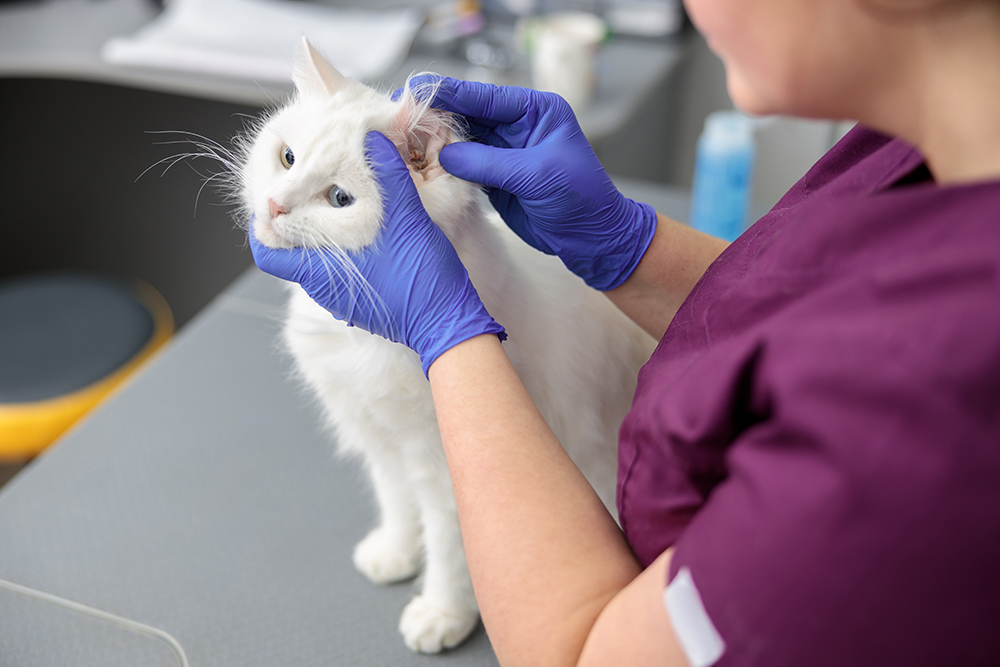
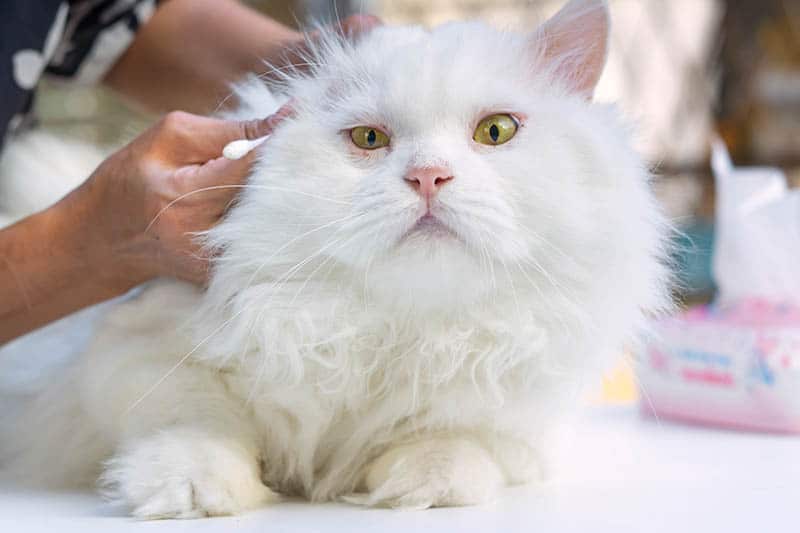
Ear infections are itchy and painful and can be caused by bacteria or yeast. Your cat will shake their head in an effort to eliminate their discomfort and will continue to do so until the infection has been treated. An untreated ear infection can lead to more serious symptoms, like loss of balance or disorientation.
If your cat has an ear infection, you may notice that their ear smells or there is a brown, yellow, or waxy discharge in their ear.
Both indoor and outdoor cats can be affected by ear infections, and other potential causes of ear infections include:
- Poor grooming
- Environmental irritants such as dust and pollen
- Foreign objects like grass
- Ruptured eardrum
- Health conditions (diabetes, autoimmune disease, leukemia)
The good news is that feline ear infections are usually relatively easy to treat. Your vet may give you antibiotics after ruling out severe medical conditions.
2. Ear Mites
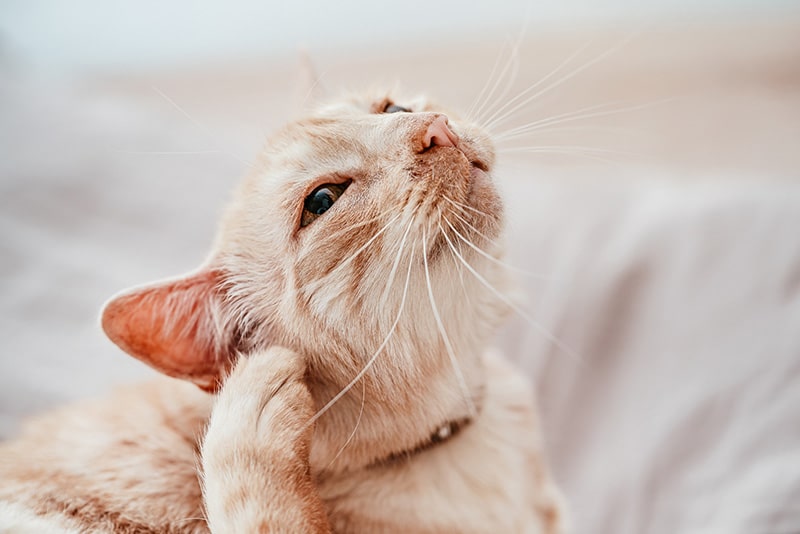
Ear mites cause an intense itch that can cause your cat to shake their head and paw at their ear. If you look closely, you might see a thick brown waxy discharge in your cat’s ears. The backs of their ears might be a little bald from all the scratching, and you may notice little white specks inside the ear that look like dirt. You’ll know the material isn’t dirt because the white specks will move around.
Ear mites are more common in young kittens, but older cats aren’t immune. There are various treatments for ear mites, like spot-on treatments and ear drops. If your vet opts for ear drops, they may suggest treating the ears for a week, stopping to allow any eggs to hatch, and continuing treatment for a further week once they’ve hatched. Ear mites are highly contagious between other cats and also dogs so the whole pet household may need treatment.
3. Aural Hematoma
When small blood vessels burst within your cat’s ear flap, it causes the ear to swell and fill with blood. An aural hematoma makes the ear flap look swollen, like a balloon. When you gently press on it, you’ll feel it’s full of fluid. If you notice a swelling you will need a trip to the vet.
The hematoma can occur due to trauma, but it’s often related to cats shaking their head and excessively scratching due to ear infection. Once it’s formed, your cat’s ear canal becomes narrower, which is the ideal environment for the bacteria to thrive. The only option is to take the cat to the vet because your cat’s itchiness, pain, and discomfort will only worsen.
Often, aural hematomas need to be drained. To do this, your vet will use a needle or a small blade to release the blood from the inside of your cat’s ear while they are under sedation. Some aural hematomas will need surgical correction.

4. Polyps
Cats can develop an abnormal growth inside their ears or at the back of their throats called polyps. They aren’t as easy to see as you might think because they can be deep inside the ear canal or behind the eardrum.
Polyps are soft tissue growths that are usually not malignant, but they can cause inflammation and infections. Depending on where they’re growing, they may interfere with your cat’s pupil size, eye movement, balance, and breathing. To find out exactly what’s going on, your vet may need to take x-rays and a CT scan, and the polyps could then be removed with surgery.
5. Foreign Materials
It’s unusual but not unheard of that foreign material can lodge in the ear canal and cause irritation and itchiness. This foreign material could be anything, like hairs or vegetation. If this is the case, your vet will try and locate it using a special ear scope, and it can usually be removed under sedation.

6. Fleas
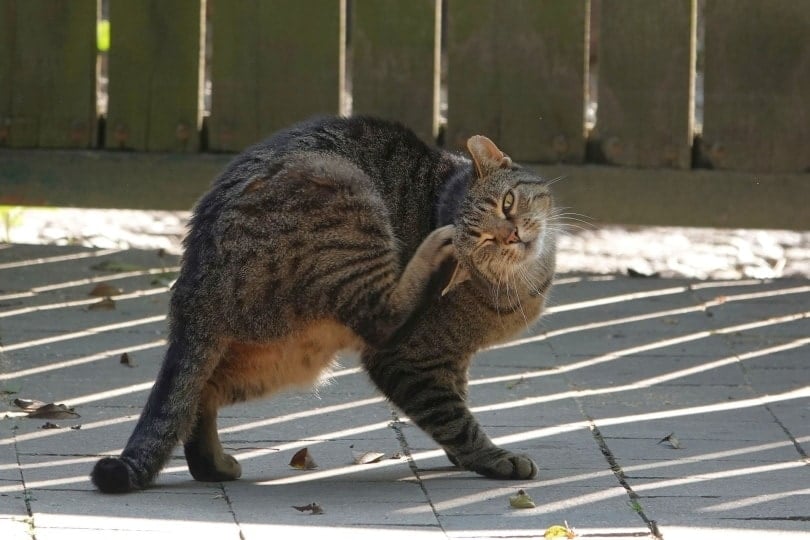
Fleas, and more specifically, their bites, can cause irritation and itchiness, making your cat shake their head, scratch and excessively groom. Fleas can be treated with oral parasite treatments, sprays, and spot-on treatments. But remember, fleas are sneaky and can hide in carpets, soft furnishings, and on other pets, so treating your house will also be necessary.
7. Dental Problems
Problems like a rotten tooth, gum problems, gingivitis, and periodontal disease are uncomfortable and may cause the cat to shake their head to try and ease the pain.
Dental problems won’t go away on their own, and it’s vital to take your pet to the veterinary clinic for treatment. Bad breath, inflamed gums, and discolored teeth are all signs of a dental problem.

8. Allergies
Just like humans, cats can develop allergies at any point. The allergies could be related to the cat’s diet, environment, or even from the bites of fleas.
Your vet can perform tests to identify the allergens. Sometimes the solution is as simple as a topical solution which will ease the itch, or your pet may need to be switched to a new food or put on medication.
Frequently Asked Questions
What Is the Difference Between Head Shakes and Tremors?
It’s important to know the difference between a shake and a tremor. A head shake is on purpose, while a tremor is when they develop a shake that they can’t control. If your cat develops a tremor, please contact your vet for an emergency appointment.
When to Go to the Vet?
Several causes we’ve listed today won’t go away on their own and will require veterinary treatment. If your cat is shaking their head with no other symptoms, you should monitor the animal closely to see if the condition improves over the course of the day. If your pet seems unwell, displays other symptoms, or their ears have changed in appearance and smell, you should see a vet.

Is There Anything Else You Should Look Out For?
Outdoor cats, or cats that live in a multi-cat household, are at a higher risk of trauma to their ears. Scratches and bites can result in lacerations and punctures that can become infected. You can clean minor abrasions and cuts with antiseptic solutions a few times a day at home, but if the wound is deep or the scrapes fail to improve, take your cat to see a vet.
Conclusion
If your cat is shaking their head, it’s clear you shouldn’t ignore it. You should talk to the veterinarian for advice, even if you suspect the behavior is only temporary. If symptoms other than head-shaking start to materialize, contact your vet immediately.
Sources
Featured Image Credit: Alexander Piragis, Shutterstock

Expert cat care, straight to your inbox
Vet-reviewed advice, behavior tips, and the best of Catster. Free, and you can unsubscribe anytime.
By signing up, you agree to our Terms & Conditions and Privacy & Cookies Policy.
Kerry-Ann lives in Scotland and would love to have a bigger garden so she could have her very own Highland cow. But her dogs probably wouldn’t like that idea very much. She has a La Chon called Harry who was sick with a liver shunt when he was a puppy. It wasn't likely he would make it into adulthood, which was difficult to comprehend, but he beat the odds and is a healthy old man now. She also has a Pug called Maddie who is a big foodie. She’s small, sassy, and every day she finds a new way to wind her brother up.
When she isn’t writing you can find Kerry-Ann going for long walks when it isn't raining, reading, or watching cartoons. She would one day like to be a tourist in her own country and travel through the Highlands with her family.
Join the conversation
Ask a question, share your story, or send private feedback.