Will a Cat Ear Hematoma Go Away on Its Own? Vet-Reviewed Facts & FAQ


In this article
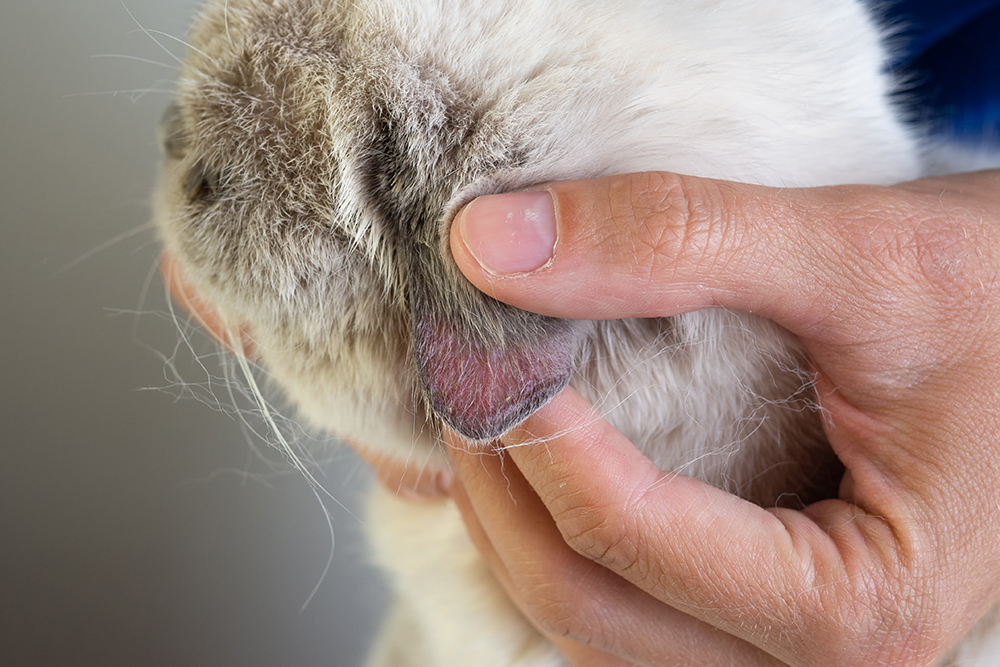
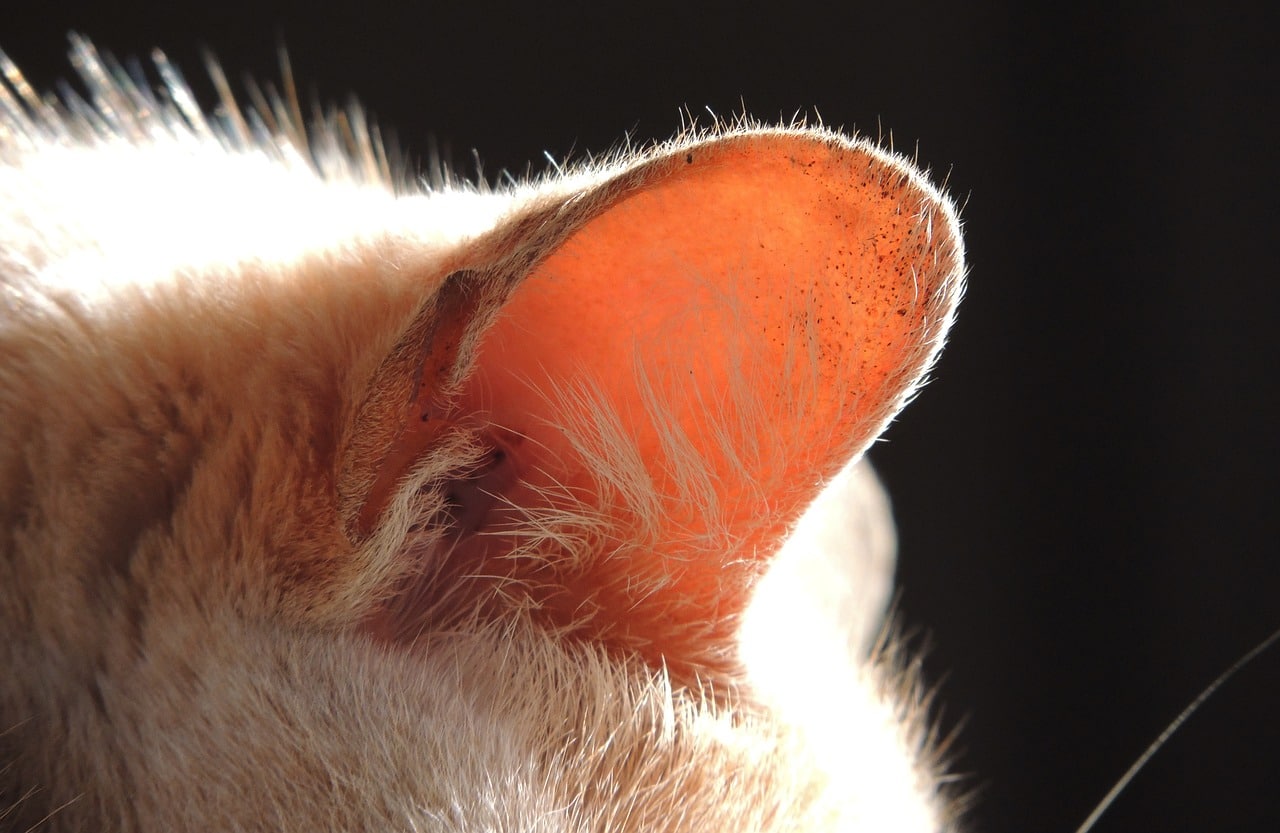
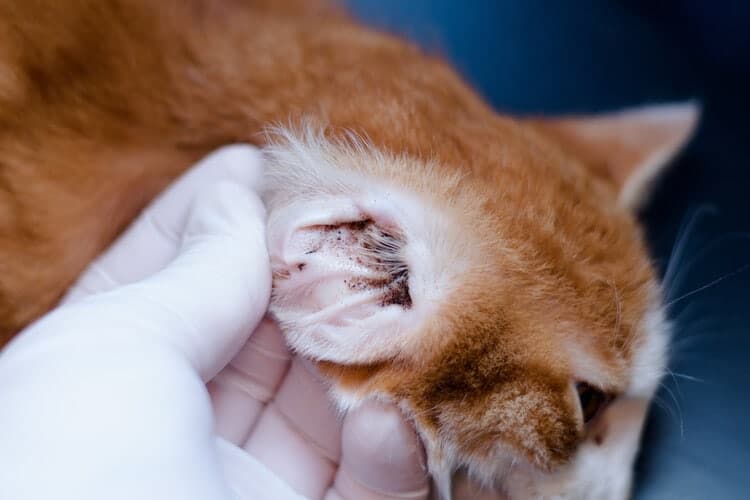
An ear hematoma is a blood-filled swelling in the ear flap, also known as a pinna. Most ear hematomas are a result of an underlying problem, such as an ear infection, ear mites, or skin disease, which causes the cat to repeatedly shake their head or scratch their ear. Small hematomas could go away on their own, but in most cases, these swellings are uncomfortable to the cat and cause further irritation, so veterinary attention is required. This article answers your questions about these troublesome swellings!

How Do Cats Get Ear Hematomas?
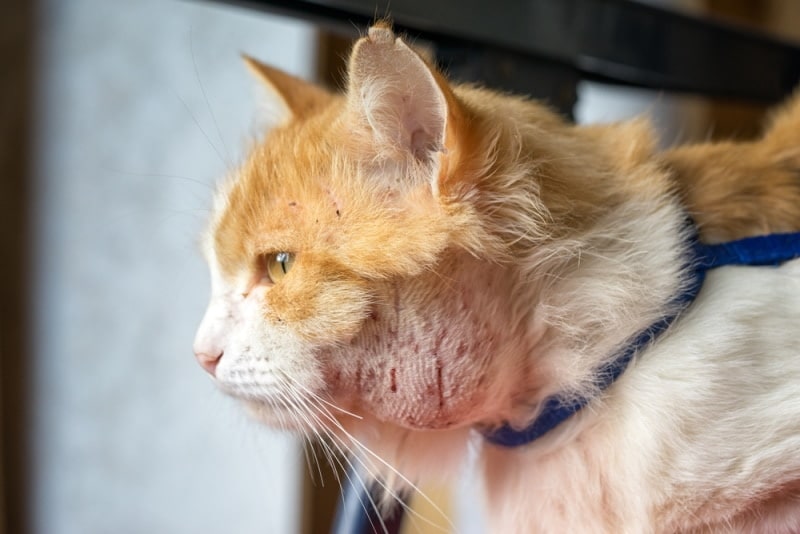
Most ear hematomas are caused by scratching or head shaking due to an underlying infection, allergy, or irritation. Cats with a bleeding or clotting disorder may also develop an ear hematoma with or without trauma, but this is a less common cause.
What Are Some Common Symptoms of Cat Ear Hematomas?
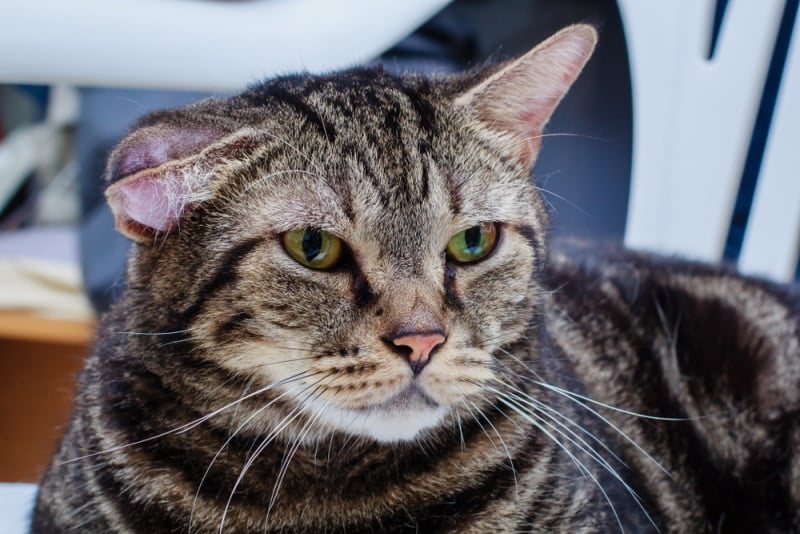
When the ear flap is full of blood, it appears swollen and may cause your cat’s ear to droop. The swelling may involve the entire ear flap or just one area. It can be hot to touch and is often uncomfortable. Some cats may shake their head or hold that ear down to one side.
Are Cat Ear Hematomas Contagious?
Cat ear hematomas are not contagious. However, if your cat has an infection or underlying condition, such as ear mites, there is a chance that it could be contagious to other cats.

Will a Cat Ear Hematoma Go Away on Its Own?
If your cat’s ear hematoma is small and painless, it may go away on its own. However, in most cases, treatment will be needed. It is important to take your cat to your vet for diagnosis and to decide on the best treatment plan.
How Can I Tell the Difference Between a Cat Ear Hematoma and an Ear Infection?
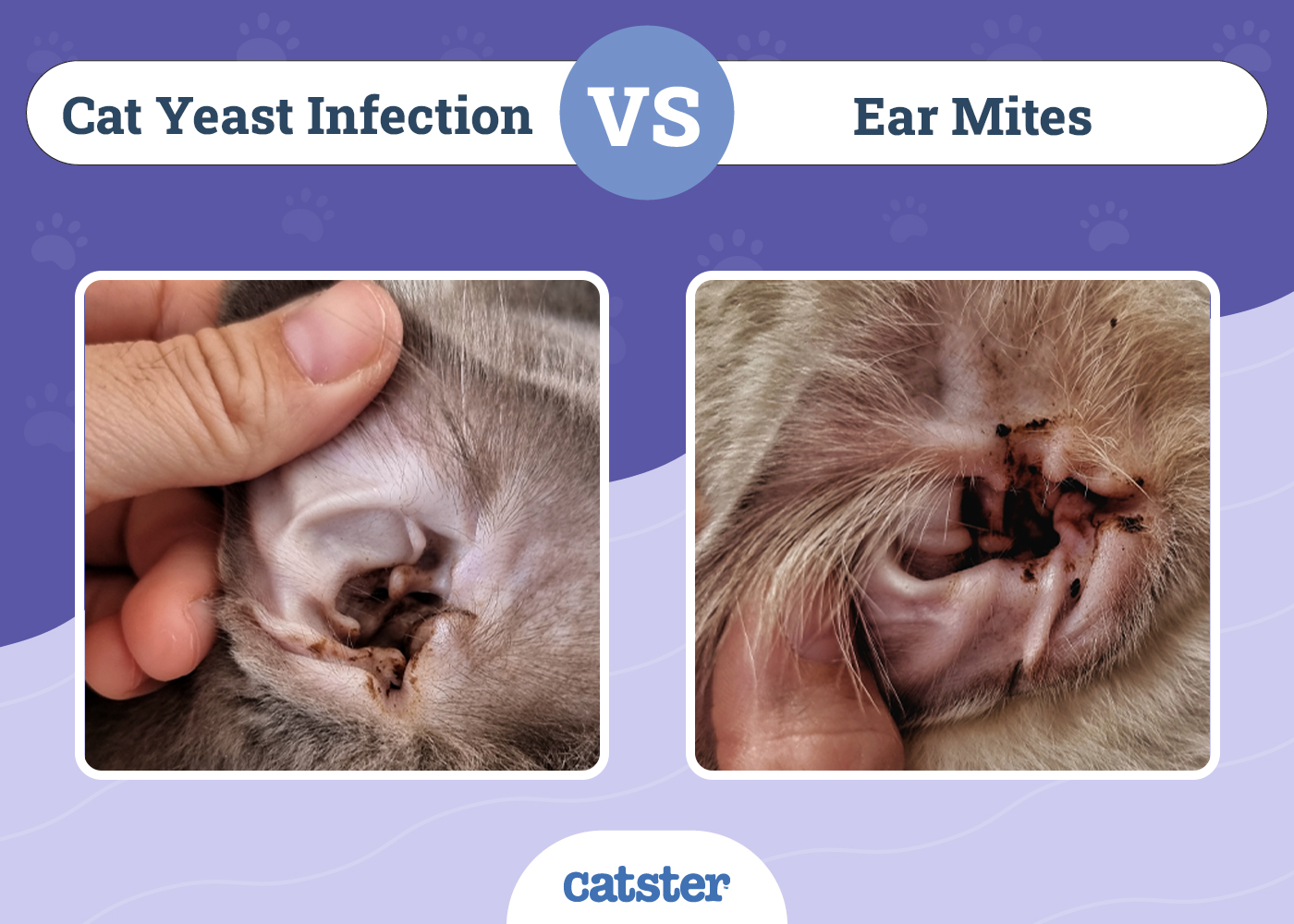
Cat ear hematomas are swellings of the ear flap. Ear infections are caused by an overgrowth of bacteria or yeast inside the ear canal and usually cause discharge and swelling of the ear canal. Ear infections are usually itchy and can be an underlying cause for an ear hematoma.
What Can I Do to Help an Ear Hematoma?
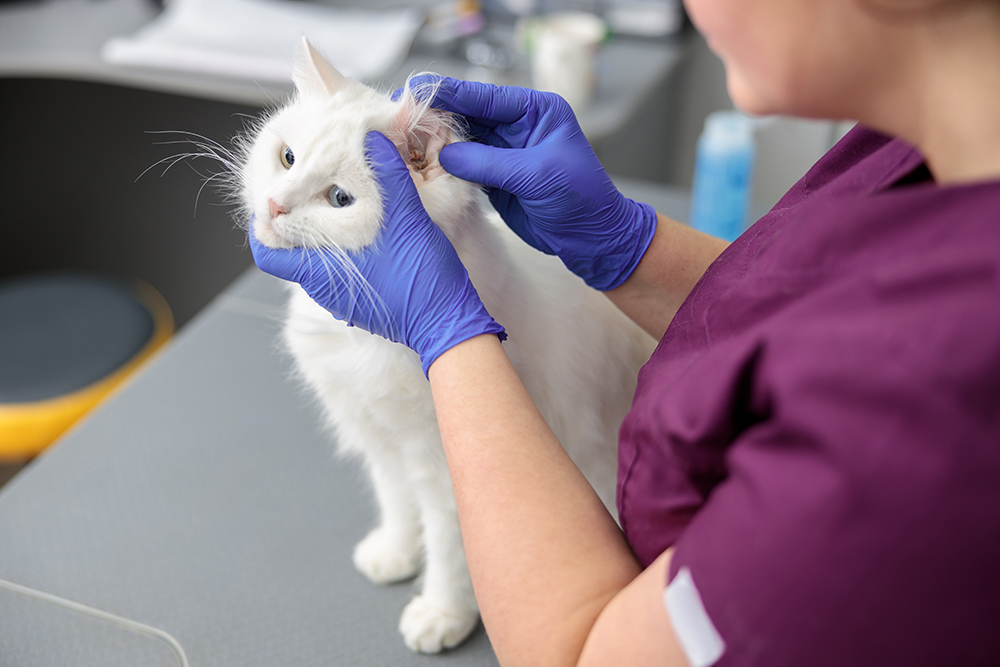
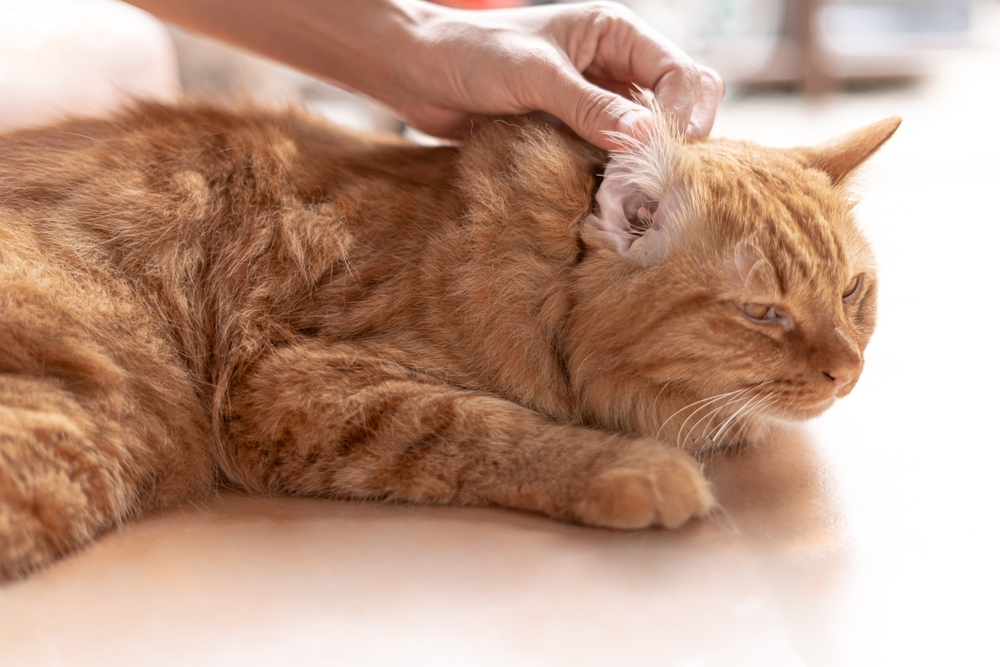
If your cat has a hematoma on their ear, it is important to take them to the vet as soon as possible. Your cat may need their ear drained, pain relief, and treatment for any underlying cause. Sometimes surgery is required. When it has healed, you should check their ears regularly to ensure that the hematoma does not recur.

How Long Does It Take for a Cat Ear Hematoma to Heal?
The amount of time it takes for a cat ear hematoma to heal can vary depending on the severity, underlying cause, and how quickly it is treated. Generally, it can take anywhere from several weeks to several months for a hematoma to heal fully. However, following your vet’s instructions regarding medications and care will help ensure a successful recovery.
What Are the Long-Term Effects of Cat Ear Hematomas?
If left untreated, hematomas are likely to cause pain, scarring, and eventually a thickened, crinkly ear flap.
When Can My Cat Return to Normal Activity After a Hematoma?
Once your cat’s hematoma has healed, they can return to normal activity. It is important to continue monitoring their activity and take them back to the vet for regular checkups.
How Can I Prevent Cat Ear Hematomas?
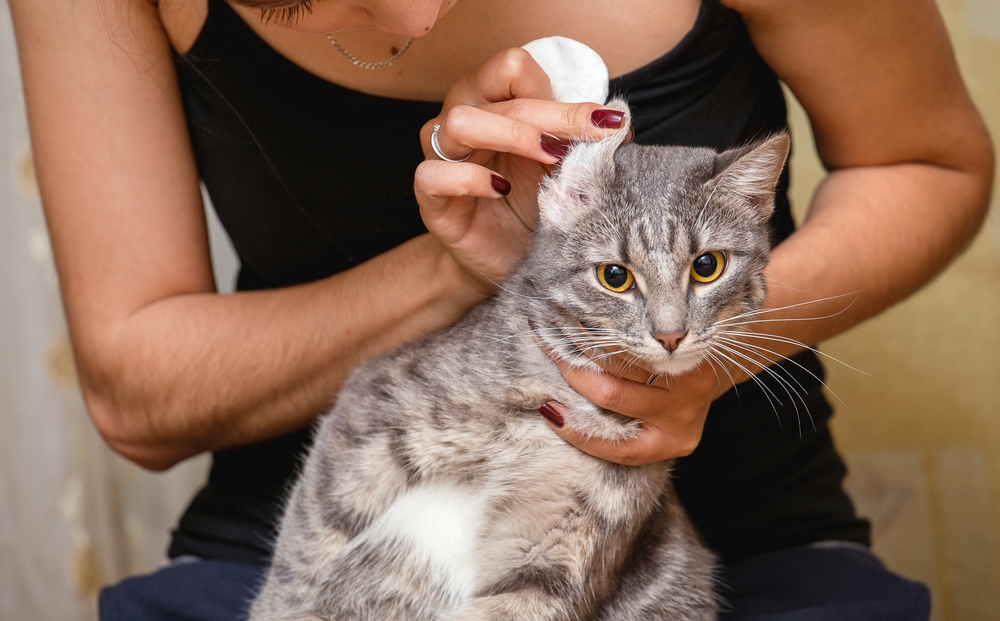
Minimizing trauma to the ears is key. Check their ears regularly and keep an eye out for signs of infection, ear mites, and fleas.


FAQs About Cat Ear Hematomas
What Should I Do if My Cat Has an Ear Hematoma?
Take your cat to the vet as soon as possible in order to ensure proper diagnosis and treatment. Keep an eye out for any signs of infection and check their ears regularly to prevent recurrence.
Can I Treat a Cat Ear Hematoma at Home?
No. It is important to take your cat to the vet for treatment as soon as possible.
How Long Does It Take for a Hematoma to Heal?
This depends on the severity of the hematoma and what treatment option is best for your individual cat.

How Much Does It Cost to Treat a Cat Ear Hematoma?
This depends on the severity of the hematoma and any associated treatments. Your vet will be able to provide you with a more detailed estimate for treatment costs.
Can Hematomas Become Infected?
Yes, hematomas can become infected and lead to further complications if left untreated. Therefore, it is important to take your cat to the vet for diagnosis and treatment as soon as possible.
Can Cat Ear Hematomas Come Back?
Yes, they can recur if not treated properly or if there is an underlying health issue. Therefore, it is important to take your cat to the vet for proper diagnosis and treatment.
Should I Put Anything on My Cat's Ear Hematoma?
No, it is important to take your cat to the vet for diagnosis and treatment. Do not attempt to apply any topical products or solutions, as this may worsen the condition.

Is There Any Surgery Involved in Treating Cat Ear Hematomas?
Sometimes surgery is required to open up the ear flap, drain the blood, and usually leave a drainage hole to stop it from refilling. Your vet will discuss this with you if necessary.
Will My Cat Lose Their Ear if They Have an Ear Hematoma?
No, your cat should not lose their ear, but if left untreated, they may have permanent scarring to their ear flap.
Is It Normal for a Hematoma to Feel Warm?
Yes, it is normal for a hematoma to feel warm due to the inflammation and accumulation of blood in the area.
Is Cat Ear Hematoma Painful for My Pet?
Yes, hematomas can cause pain and discomfort for your pet. It is important to take them to the vet for diagnosis and treatment as soon as possible.
Are Cat Ear Hematomas Life Threatening?
No, cat ear hematomas are not life threatening.


Conclusion
To sum it up, very small cat ear hematomas can sometimes go away on their own, but they usually require medical attention in order to be properly treated and to identify the underlying cause. If you catch your cat excessively shaking their head or otherwise suspect they have a hematoma, it is important to take your cat to the vet as soon as possible and to monitor their ears regularly for any signs of recurrence. With prompt treatment and vigilant observation, your cat should be back in fighting form in no time. Best of luck!
Related Reads:
Featured Image Credit: BabyMosquito, Shutterstock

Expert cat care, straight to your inbox
Vet-reviewed advice, behavior tips, and the best of Catster. Free, and you can unsubscribe anytime.
By signing up, you agree to our Terms & Conditions and Privacy & Cookies Policy.
Christian started writing for a local newspaper as a teenager, and he's been involved in the publishing industry for most of his adult life. Combining his love of writing with a passion for animals, he is currently the Director of Editorial at Pangolia and the Editor-in-Chief at Catster.
Christian lives in the Philippines with his wife, son, and four rescue cats: Trixie, Chloe, Sparky, and Chopper.
Join the conversation
Ask a question, share your story, or send private feedback.