How to Calm a Crazy Cat: 6 Vet-Approved Tips & Causes of Extra Energy


In this article
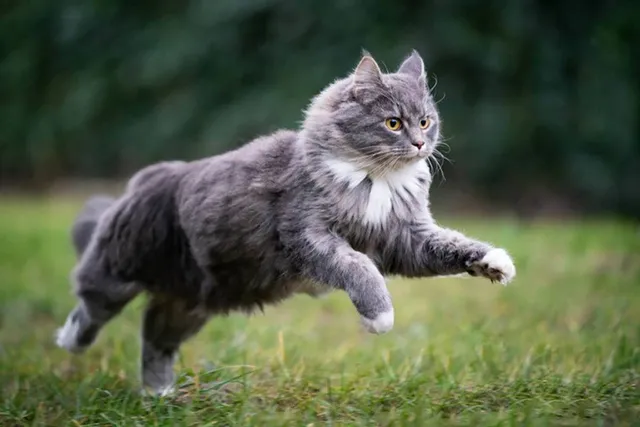
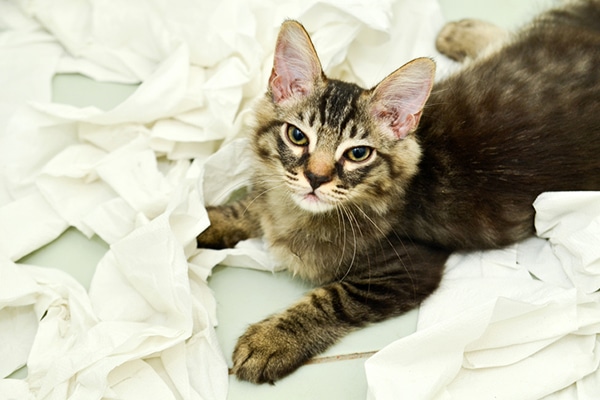
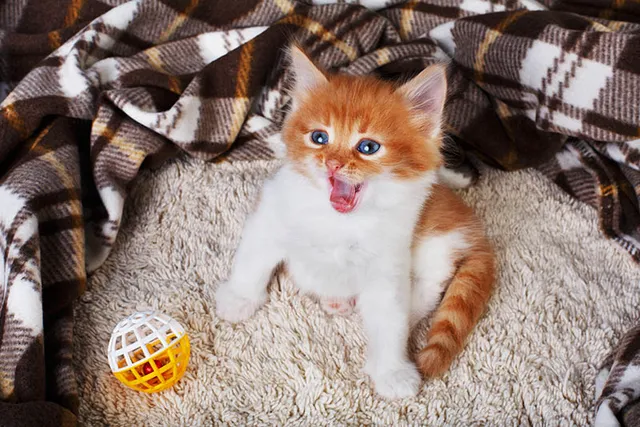
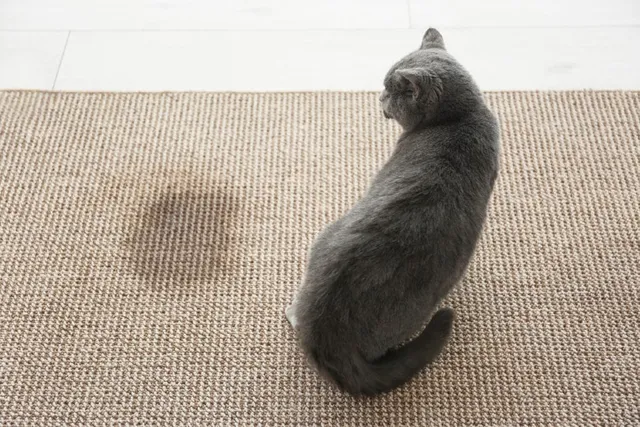
With their sudden energetic outbursts, wall-climbing maneuvers, putting their butts in our face, and countertop cruising, you might be forgiven for thinking that cats are more than a little crazy. However, there's a limit to how much 'crazy' we can handle as pet owners. If your kitty's antics are getting out of control, you're probably wondering why they're acting the way they are and what you can do to manage their behavior. Keep reading to find the answers to your questions so you can better understand what's going on in your kitty's brain and know how to deal with their wild antics.

Why Is My Cat Acting So Crazy?
All cats have their wild and crazy moments, but when your kitty is acting bizarre more often than not, you're probably wondering if there is a reason behind their antics. The reasons for such behavior can vary, so let's take a closer look.

Boredom
Bored cats will try to find ways to entertain themselves if their environment isn't enriching enough. If that means activating zoomies at three in the morning when you're trying to sleep, then so be it (at least in your cat's mind).
Predatory Instincts
Though it may be hard to imagine your clumsy, goofy kitty as a predator, it's true. Domesticated cats have their origins in the North African wildcat, Felis silvestris lybica 1. Sure, your spoiled little feline has never had to fight for a meal in their life, but their predatory instincts remain. Some behaviors that you may classify as "crazy" could actually be your kitty practicing escape techniques, fighting tactics, and hunting behaviors (even if they'll never have to rely on any of that).

Nocturnal Instincts
While cats aren't technically nocturnal (they're actually "crepuscular," which means they're active during the hours of dusk and down), they can sometimes become more active at night or very early in the morning. This is typical because your little fluff ball has the instinct to travel and hunt during these hours. It’s also the time when your home is the quietest, and your cat’s sensitive senses can pick up all the subtle sights, sounds, and movements that get lost during the day. So, if your kitty is acting out when you get home from work, know that it's probably a mixture of them wanting to play with you now that you're home and their natural crepuscular instincts.
Senility
Older cats may act strange due to cognitive decline or dysfunction. As cats age, their brains start functioning differently, impacting many aspects of their daily lives. What you may consider "crazy" behavior, may just be aging taking its toll on your kitty. You may notice signs such as staring blankly, getting lost in the house, inability to move around objects, wandering without a purpose, restlessness, clinginess, excessive vocalizations (especially at night), and more.

Feline Hyperesthesia Syndrome
Feline hyperesthesia syndrome (FHS), sometimes known as twitchy cat syndrome, is a condition marked by extreme sensitivity in an area of your cat's skin. It almost always occurs on the back and often in the spot right in front of the tail. Though this condition is not fully understood, FHS generally involves uncontrollable muscle contractions and changes in behavior. Other signs of FHS include rippling lower back skin, brief bursts of running or jumping, tail chasing, pain when petted, dilated pupils, excessive meowing, and tiredness.
The 6 Tips for Calming a Crazy Cat
1. Make Time for Play
Cats may not need two hours of daily walks like dogs do, but they do still require structured playtime and an outlet for all their excess energy. Penciling in playtime with your kitty can reduce their wild and crazy behaviors while also reinforcing the bond the two of you have.
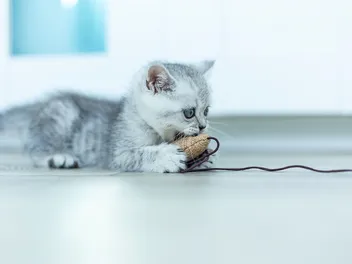
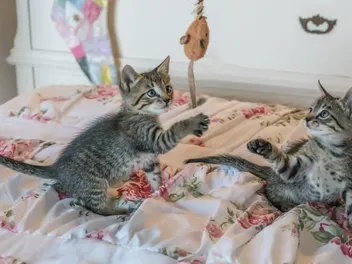
Use interactive toys like feather wands, or treat-dispensing toys as they play on your kitty's instinctual desire to hunt for their food. You don't need to play for hours on end, either. Sessions can last anywhere between five to ten minutes and be sufficient enough to satisfy your kitty.
Laser pointers are a popular source of feline entertainment, and many cats seem to love the thrill of chasing the fast moving target, despite never getting to catch it in the end. There is some concern, however, that lasers can lead to frustration, anxiety, and hyperfixation in some cats, so you need to make sure your kitty doesn’t become obsessed. Limit laser toy use, and try to finish a session of laser play with them catching an actual toy. This way, there is a sense of completion and satisfaction at the end of the chase.
2. Buy New Toys

If your adult cats have been playing with the same toys since they were kittens, they're probably going out of their mind with boredom. Cats are extremely smart animals, and they'll grow tired of toys after a few play sessions with them. That doesn't mean you need to throw out old toys, though. Simply keep a stockpile you can rotate in and out on a weekly basis to keep things fresh and exciting in the mind of your pet.
3. Boost Enrichment
Cats need enrichment to stay happy and healthy. Enrichment for cats requires providing them with the environmental stimuli that satisfy their natural instincts and is typically broken down into three categories: environmental, social, and cognitive.
Environmental enrichment is catering your cat's space to their needs. This may look like installing window perches for cats that want to watch the outside window or providing elevated spaces like cat trees so they can keep tabs on their environment. You can even try implementing some scatter feeding to get them to engage more in their surroundings and explore different areas.
Social enrichment is play and interaction. Sure, cats are known for their independent nature, but they're also highly social creatures. This can look like playing, snuggling, or even just brushing your cats. Any bonding activity the two of you can do together will increase your pet's social enrichment.
Cognitive enrichment is problem-solving. Puzzle feeders or games and training sessions are great ways to boost your cat's mental enrichment. People often don't realize how easy it is to teach cats how to do tricks or follow commands with a little bit of positive reinforcement (yummy treats) and patience.
4. Provide Safe Outdoor Access

Indoor cats can sometimes develop off-the-wall behaviors similar to what we know as “cabin fever” in humans. Cabin fever refers to the restlessness people experience when stuck in an isolated location for extended periods. Even if your kitty is provided with the best toys, beds, and food money can buy, they can still go a little stir-crazy being cooped up indoors all day. Allowing them access to the outside can be dangerous as it exposes them to risks like cars or predators, not to mention the damage your cat can inflict on the precious ecosystem in your neighborhood. So, what is a responsible cat owner to do to allow their kitties safe outdoor access? Build or buy a catio, of course!
A catio (or "cat patio") is an enclosed structure that is typically installed near a window of the home. When you open the window, your cat is provided access to their safe outdoor space without worries about them becoming prey to predators or killing all the birds in your backyard.
5. Use Calming Products
If your kitty's crazy behavior is due to anxiety or stress, over-the-counter (OTC) calming products are a great treatment worth trying. They can be found at almost any pet store for a relatively affordable price, though you may also wish to explore other supplement options with a veterinarian.
Many OTC calming products contain natural pheromones that a mother cat releases to help calm her kittens. They come in several different brands and types, so you may need to try a few to see which works best for your kitty.
One of the most popular brands of OTC pheromone products is Feliway. They manufacture sprays that you can dispense around your home or plug-in diffusers that release the pheromones slowly over a period of several weeks. Other diffusers and sprays use a combination of ingredients, including cat-safe essential oils, to create a feeling of relaxation.
You can also try calming wipes, collars, and treats. Speak to a vet about this to see if this would be appropriate for your cat.
6. Go to the Vet

Not all crazy behavior is caused by boredom or behavioral issues, so to rule out any underlying health conditions, it's best to have your kitty examined by a veterinarian, especially if their behavior has come on suddenly, or is accompanied by other signs, such as weight loss or appetite changes.
If there are no underlying health issues, and your kitty’s behavior seems to be linked to anxiety, a vet may talk to you about trying prescription medication to get on top of the problem. Although normally reserved for severe cases, where stress and anxiety is leading to inappropriate toileting or self-mutilation, anxiolytics and antidepressant type medications can really help cats that are affected by behavioral issues, particularly if the above tips have proven unsuccessful.
Talk to a vet about different options that might work for you and your feline.
Final Thoughts
Even the most serene, refined, and disdainful felines will engage in exuberant bursts of activity that seem completely crazy to us. Putting up with 3 a.m. zoomies, frantic chasing of shadows, and sudden fixations on discarded balls of paper, are a small price to pay for sharing our homes with these delightful creatures.
However, if your cat’s crazy antics are getting to be too much for you and your curtains, take a look at your home and routine through the eyes of your cat, and see if there are ways you could be helping them channel that energy better, with interactive toys, environmental enrichment, and quality playtime with you.
But if other unusual signs accompany your kitty's crazy behavior, it's best to reach out to a veterinarian to rule out any underlying health conditions.
Sources
Featured Image Credit: Richard Stocker, Pixabay
Expert cat care, straight to your inbox
News, insights, and useful advice, delivered to you.

No spam — unsubscribe anytime.
By signing up, you agree to our Terms & Conditions and Privacy & Cookies Policy.
How useful was this post?
Click a star to rate. You can leave written feedback afterwards. (We read all feedback.)
For Chantelle, writing and animals are the two driving forces in her life. Growing up on the Canadian prairies surrounded by pets, she now shares her home with five cats, two guinea pigs, and a bearded dragon. Chantelle, her husband, and their child pride themselves on being dedicated pet parent, even spending a fortune on wall-mounted cat shelves to provide their cats with an indoor jungle gym. When she's not snuggling with her cats or photographing their humorous moments, Chantelle is exploring the Rocky Mountains, rewatching her favorite Netflix series, and reading up on various random subjects.