How to Get Your Cat to Stop Meowing: 4 Vet-Approved Methods


In this article
If any animal embodies the phrase “moving in silence like the G in lasagna,” it must be a cat. Unlike canines, felines are not perceived as overly vocal since being silent allows them to stalk their prey and pounce like ghosts.
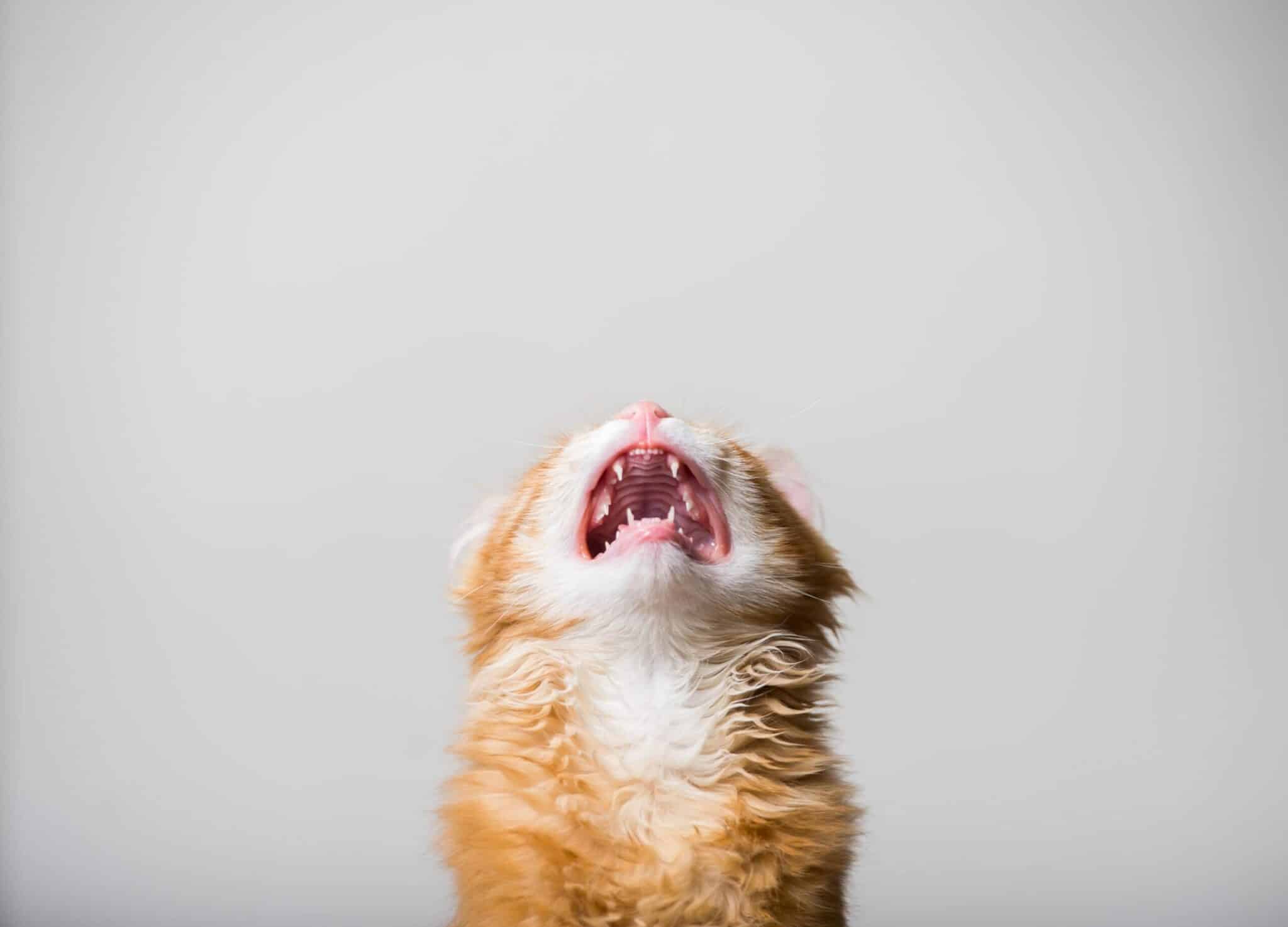
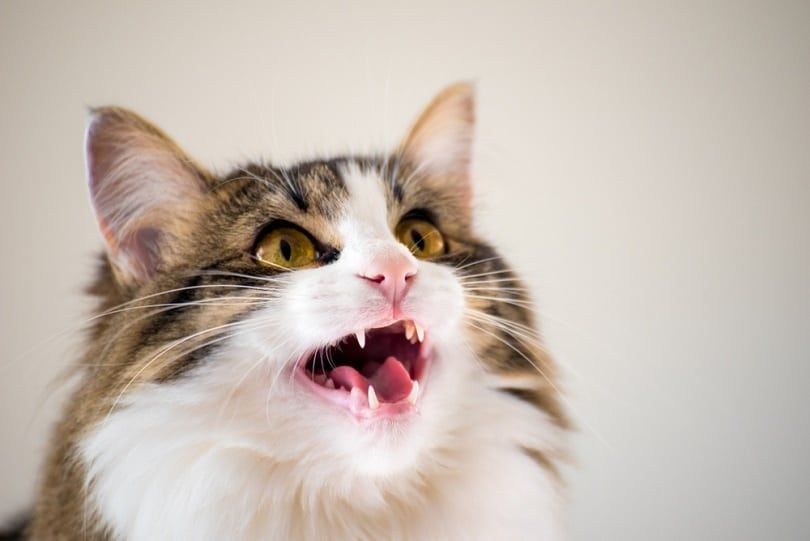
That is why it is concerning when your cat won’t stop meowing—it is simply not in their nature. Therefore, when considering how to curb your cat’s excessive meowing, the first step should be establishing the reason for the meowing. Cats do not vocalize just for the sake of it. Once you have established the reasons for your kitty’s behavior, finding a practical solution (if possible) will be much easier.
In this article, we’ll discuss why your cat could be meowing excessively, as well as some solutions to consider.

Why Do Cats Meow?
Cats are excellent at using body language to communicate with one another. In fact, body language is the primary form of communication between felines. However, as kittens, cats use meowing to call to their mothers. This vocalization changes to chirping, yowling, growling, and hissing as they grow older to communicate with each other.
One thing is sure: adult cats, except queens and kittens, rarely use meowing to talk to one another. Research has found that adult cats usually do not meow at each other since meowing is a vocalization reserved for kittens and their mothers 1.
So, why do adult cats meow at humans? The reason is absurdly simple—they behave like kittens toward their owners. It makes sense since you are essentially the cat’s “mother,” providing food, shelter, and protection.
Cats have learned that humans react positively to meows as early as 10,000 years ago and have since been using this vocalization to get you to do things for them.
Nevertheless, meows can mean different things. You will notice that they have different tones. Therefore, by familiarizing yourself with the various meanings of a cat’s meows, you will be in a better position to curb the behavior as soon as it starts.
Anecdotally, there are some of the different types of meows cats make:
Angry or Scared Meows
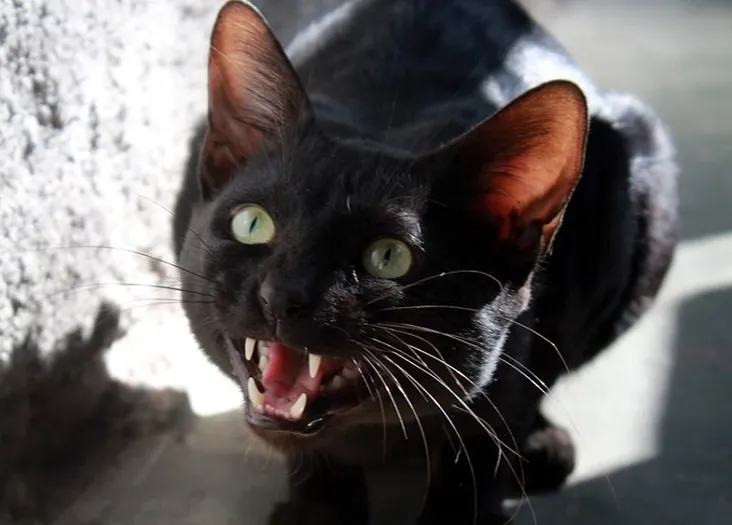
These are the loudest of all meows, sometimes sounding like shrieks. Angry meows can be intense and frightening and usually occur when cats are about to fight.
Painful Meows
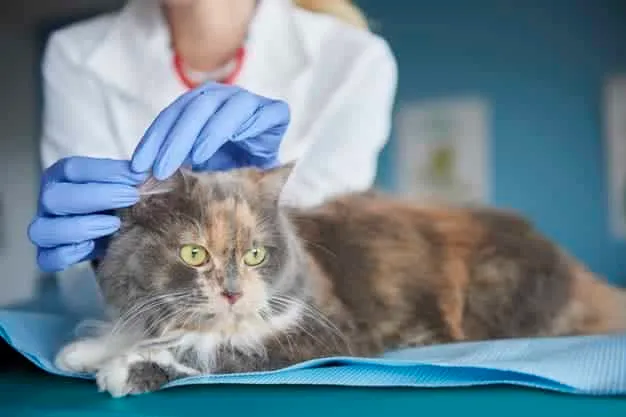
A cat in pain typically makes a mournful, low-pitched sound. Moreover, it tends to be persistent. Cats are remarkably good at hiding pain. As such, if you hear your cat making this kind of meow, they are probably experiencing an illness or injury. Take action immediately and take them to the vet. Please note that cats that are in excessive amounts of pain will in fact not meow or respond much to their environment.
Hungry Meows

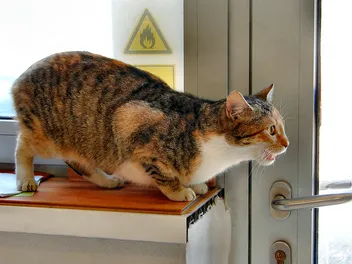
You have been at the receiving end of hungry meows since your kitty came into your life, so you should know what they sound like. Hungry meows are typically high-pitched and feature an inflection, meaning they sound like a question.
It is a question since the kitty is asking you why their bowl is empty. Moreover, they get louder by the minute to remind you that they need to eat. Of course, hungry meows occur during the cat's designated mealtimes or when they hear you in the kitchen.
Attention Seeking Meows

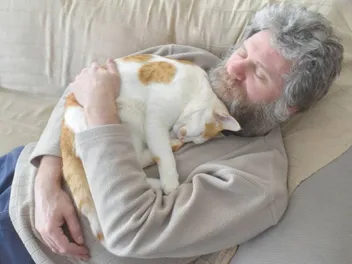
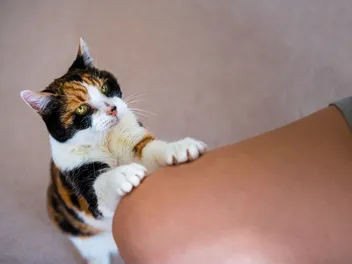
Sometimes, your cat meows because they want bonding time with you. Attention-seeking meows typically occur after you have spent significant periods away from each other.
Mating Calls
When in heat, a female cat will persistently meow in search of a mate, and intact males who can smell or hear her will often meow back in a similar fashion. This sort of meow is also known as a yowl, and is hormone-driven.
Top 4 Methods to Stop Meowing
About Meowing
We have established the most common reasons why cats meow. Therefore, finding a solution should not be difficult if you know why your cat is meowing at you.
1. Ignore Hungry Meows
As mentioned, you can always tell when your cat pesters you for food or treats. However, with feline obesity quietly becoming a pandemic, you must avoid overfeeding your cat. If your cat is well-fed, do not give in to their demands. Only feed your cat at the designated mealtimes.
2. Play With Your Cat Before Bedtime
For an animal that is thought to sleep all day, you would expect cats to empathize with your need for sleep. Nonetheless, empathy might as well be a foreign concept to cats, and they will ensure to get your attention when they need it.
To avoid having a yowling cat outside your bedroom door at night, make sure that you bond and play with them before you call it a day.
3. Ensure Your Cat Has a Clean Litter Box
Being the neat freaks they are, cats hate nothing more than a dirty litter box. Therefore, always make sure that their box is clean.
4. Take Your Cat to the Vet
As mentioned, you can tell when your cat is in pain when the meows are low-pitched, prolonged, and mournful-sounding. If your cat is making painful meows, take them to the vet immediately for an evaluation. The vet will also determine whether your cat is in heat, as unspayed females are tremendously vocal when they are in heat.
Conclusion
It's heartwarming when your cat meows at you affectionately. However, excessive meowing is annoying, especially when you are trying to work, sleep, or relax on the couch. The most critical step in curbing excessive meowing is establishing why your cat is doing it in the first place. Once you do, you will be in a better position to find an effective solution.
Featured Image Credit: Oscar Wiedemeijer, Shutterstock
Expert cat care, straight to your inbox
News, insights, and useful advice, delivered to you.

No spam — unsubscribe anytime.
By signing up, you agree to our Terms & Conditions and Privacy & Cookies Policy.
How useful was this post?
Click a star to rate. You can leave written feedback afterwards. (We read all feedback.)
Christian started writing for a local newspaper as a teenager, and he's been involved in the publishing industry for most of his adult life. Combining his love of writing with a passion for animals, he is currently the Director of Editorial at Pangolia and the Editor-in-Chief at Catster.
Christian lives in the Philippines with his wife, son, and four rescue cats: Trixie, Chloe, Sparky, and Chopper.