Do Cats Like Belly Rubs? Vet-Verified Facts & Info


In this article
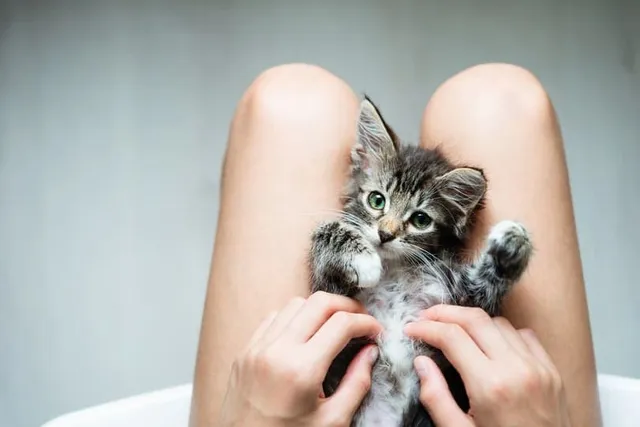
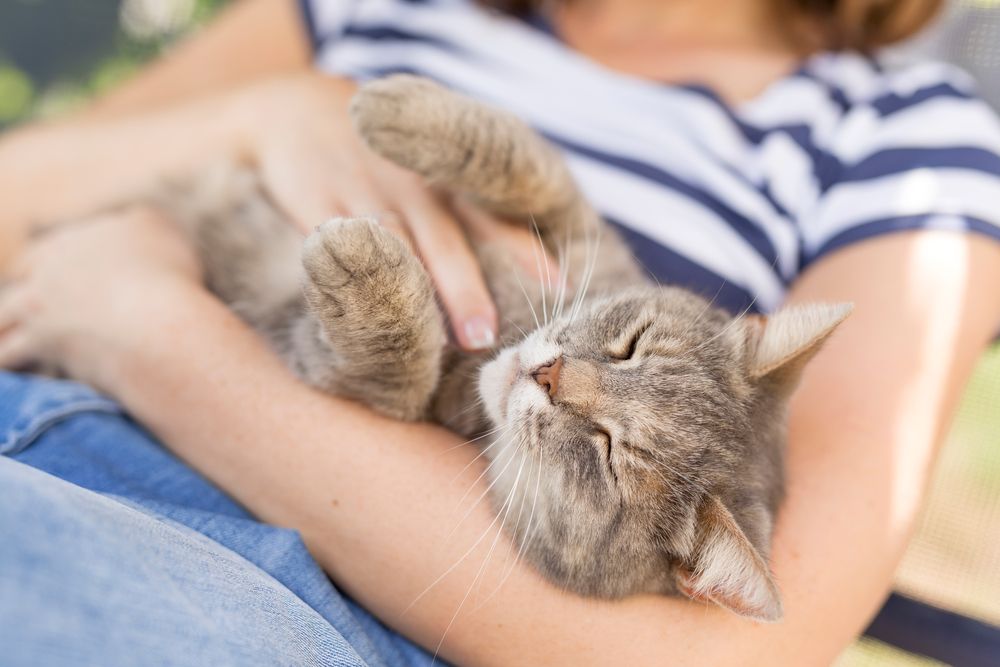
You’ve probably tried to rub your cat’s belly a few times, only to be scratched by powerful bunny kicks. We get it. It’s tempting not to touch a soft cat tummy. Aren’t cats just begging for tickles when they show off their bellies? Do cats like belly rubs?
It’s true that some cats like belly rubs, and some don’t. The outcome depends on your cat. Regardless, many pet cats show off their bellies every now and then. If cats don’t want you to touch them, why do they do this?
Let’s find out!

Why Do Cats Show Their Belly?
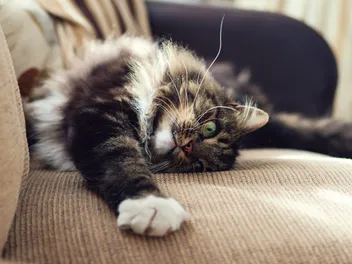
So why do cats show their belly? Well there's a few reasons. For most pet cats, rolling over to show their belly is considered a form of positive body language. In essence, it means that the pet is comfortable with interaction.
Depending on your cat’s personality, they may expose their belly and then not retaliate or attack you (playfully or otherwise) when you rub their belly. Other cats may tolerate belly rubs for a while before either playful entrapment of your hand with an “attack” or an actual sign of disapproval, such as moving away from you.


Why Do Some Cats Hate Belly Rubs?
Not all cats take kindly to belly rubs. In fact, some cats tend to quickly bite, scratch, and bunny kick when offered a belly rub. This is because exposing the belly isn’t always a sign associated with positive body language. Cats that are stressed sometimes roll tensely on one side of their body and expose their stomach. The idea behind this is attempting to lure whatever it is the cat perceives as a threat close enough and then attacking them with all their might. As anyone who’s been (even playfully) entrapped this way by a cat, the experience is often memorable for all the pain felt! When cats are distressed, it isn’t just their body posture you have to watch out for. There are other cues that often work in conjunction with a cat’s posture.
Other Body Language Cues To Look For In a Stressed Cat:
You might be thinking, “My cat loves me but hates belly rubs!” This is because, when cats play, they actually practice their hunting skills. Some cats love to expose their belly in an attempt to entrap your hand during playtime as an excuse to practice their hunting skills.
Other cats may just be too ticklish or not comfortable with having their bellies rubbed and may therefore protest to it.


Why Does My Cat Love Belly Rubs?
Unless someone is a true psychic, they wouldn’t be able to tell why your cat enjoys belly rubs the way they do. However, some plausible explanations exist.
Your kitty may want to play. Playtime is crucial for a cat’s well-being. It mimics the hunt that wild cats endure for prey. Exposing their belly is a way for your cat to say they want to play, and your hand is the prey!
Other cats love belly rubs so long as they’re not sensitive. It’s not common for a cat to be itchy on their belly, but cats with allergies or dry skin may find the scratching comforting.
At the end of the day, your cat may love belly rubs because it feels nice.
The Best Places to Pet Your Cat
Even if your cat loves belly rubs, some cats prefer physical affection around other parts of their body.
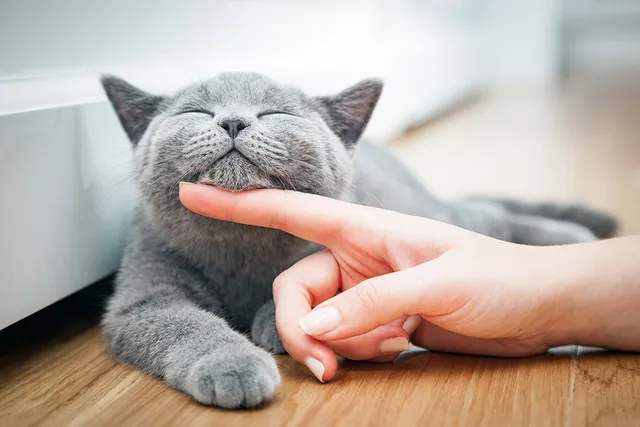
Try scratching under their chin and around the face if your cat doesn’t care for belly rubs. Most cats love getting their face scratched as a way to initiate pet time.
Some kitties love having their backs rubbed, but some kitties don’t. Be gentle around this area and stop if your cat reacts negatively.

Positive Reaction
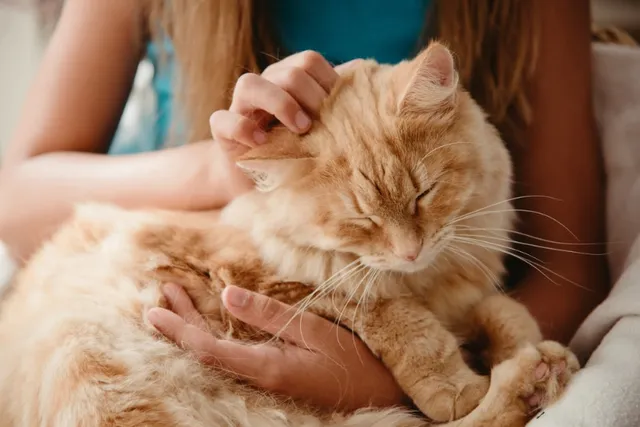
During petting sessions, you have to pay attention to your cat to get the best time out of your kitty cuddle hour. Note how your cat responds to areas of their body.
Begin by observing posture and facial expressions, especially around the eyes. Cats will often do a slow blink as a way of showing comfort and satisfaction.
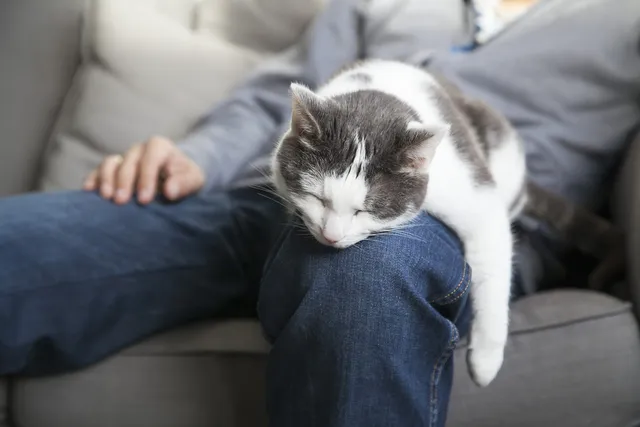
Other kitties like to approach their owners and immediately lay down on their back as a form of submission. Doing so doesn’t necessarily mean they want a belly rub. Naturally, if you know your cat well enough you’d know what they want. However, it might not be the best idea with a cat you’re not familiar with.
If you want to try, start with scratching the face and make your way toward the chest and belly. Some cats want to play and will treat your hand as prey. Opt for using a toy instead of your hand to prevent injury.
If a cat likes belly rubs, they won’t fight it. Sometimes cats will squirm to get comfortable, but this doesn’t mean the cat is telling you to stop.
Negative Reaction
Respecting boundaries is a big part of your relationship with your cat. As humans, we respect other people when our wants and needs are considered. Cats are the same way.
Cats often give you warning signs to tell you to stop doing something. Some are noted in all cats and some behaviors are unique to your cat. Stop touching your kitty if they try to bite or scratch you. Give your cat some space and try again.
Watching the tail is a great way to observe your cat's mood. Rapid tail movement is a sign of anger and means you should stop. Sometimes it's paired with your cat facing their back toward you as a way to close you out. Short grooming sessions are also a sign that you crossed the boundary line.
Final Thoughts
There is an art to physical affection with cats. Every cat is different and prefers some spots to others. Some cats don’t want to be touched at all. The best thing you can do is study your cat’s personality and respect their boundaries.
If you have a cat that loves belly rubs, consider yourself one of the lucky ones!
Sources
Featured Image Credit: Impact Photography, Shutterstock
Expert cat care, straight to your inbox
News, insights, and useful advice, delivered to you.

No spam — unsubscribe anytime.
By signing up, you agree to our Terms & Conditions and Privacy & Cookies Policy.
How useful was this post?
Click a star to rate. You can leave written feedback afterwards. (We read all feedback.)
Cassidy's journey from vet tech and professional pet sitter to pet writer showcases her lifelong passion for animals, both domestic and wild. Throughout the years, she has cared for many pets and enjoys writing about the animal-human bond. She and her husband have settled in Wichita, where they live with their German Shepherd, Raven, two cats, Lucy and Strudel, and a small flock of backyard chickens.